Photo: Wikipedia
Personal Sovereignty in Wisconsin
Moderate friction. Expect trade-offs in some aspect of personal liberty and independence.
What does Personal Sovereignty tell us?
Personal Sovereignty measures your capacity for self-reliance and independence with minimal government friction. Higher scores mean fewer barriers between you and the way you want to live... but it assumes you have the space you need and good neighbors.
What does this tell us?
Personal Sovereignty measures your capacity for self-reliance and independence with minimal government friction. Higher scores mean fewer barriers between you and the way you want to live... but it assumes you have the space you need and good neighbors.
State Policy
Energy independence: Importer (15% of energy produced in-state)
Personal Liberty
Homesteading

Personal Liberty Analysis
Wisconsin offers a mixed but increasingly promising environment for personal sovereignty, where a strong rural tradition of self-reliance coexists with progressive governance in its urban centers. The state’s legal framework generally respects individual autonomy, but the degree of freedom you’ll experience depends heavily on where you plant your flag. For those prioritizing minimal government overreach, the key is to avoid the southeastern corridor—Milwaukee, Madison, and their suburbs—and instead focus on the northern and western regions where local culture and enforcement align more closely with a survivalist or prepper mindset.
Tax burden and regulatory posture across Wisconsin’s regions
Wisconsin’s overall tax burden is moderate compared to high-tax states like New York or California, but it’s not a libertarian paradise. The state income tax is progressive, ranging from 3.50% to 7.65% on the highest earners, which can feel oppressive if you’re running a business or living off investments. Property taxes are among the highest in the nation—averaging about 1.6% of home value—which directly impacts your ability to hold land without the state taking a big cut. However, the regulatory posture varies sharply by locale. In Rusk County and Price County, local governments are sparse and enforcement of building codes or business licensing is minimal, allowing for more self-directed living. Contrast that with Madison or Milwaukee, where zoning ordinances, environmental regulations, and permit requirements can strangle any attempt at off-grid or independent projects. For a conservative-leaning individual, the tax burden is a real cost of doing business in Wisconsin, but the regulatory climate in the northern half of the state is far more forgiving than in the urbanized south.
Self-defense and gun law specifics: What Wisconsin allows and restricts
Wisconsin is a shall-issue state for concealed carry, meaning permits are granted to any law-abiding adult who completes a training course—no subjective “good cause” requirement. Open carry is legal without a permit, and the state preempts local governments from enacting their own firearm restrictions, which prevents the patchwork of bans seen in states like Colorado or Washington. Stand-your-ground laws are in effect, with no duty to retreat in any place you have a legal right to be. This is a solid foundation for personal defense, but there are limits: private property owners can ban firearms, and the state has a red flag law (Extreme Risk Protection Order) that allows courts to temporarily seize firearms from individuals deemed a risk. In practice, this law is enforced more aggressively in Dane County (Madison) and Milwaukee County, while in Marathon County or Douglas County, sheriffs often take a more constitutionalist stance. For the prepper, the key takeaway is that Wisconsin’s gun laws are generally favorable, but you must be aware of the local political climate—especially if you’re near a university town or major city. The state also has a Castle Doctrine, which presumes a reasonable fear of death or great bodily harm if an intruder unlawfully enters your home or vehicle.
Self-reliance and homesteading viability: Lot sizes, zoning, and off-grid feasibility
If your goal is to live off the grid, grow your own food, and minimize reliance on public utilities, Wisconsin’s rural counties are among the most accommodating in the Midwest. Minimum lot sizes in unincorporated areas of Bayfield County and Iron County can be as low as one acre, and many parcels are available for under $10,000. Zoning restrictions are virtually nonexistent in these regions—you can build a cabin, install solar panels, dig a well, and set up a composting toilet without needing a dozen permits. However, the state does have a statewide building code for new construction, and some counties enforce septic system regulations that can be costly. In Vilas County, for example, the tourist economy has led to stricter shoreline and wetland protections, which can limit where you can build. For true off-grid feasibility, look to Forest County or Florence County, where local governments are small and enforcement is lax. The growing season is short (about 120 days in the north), but with a greenhouse and cold-hardy crops, self-sufficiency is achievable. Water is abundant, and firewood for heating is plentiful on most wooded lots. The main regulatory hurdle is the state’s requirement for a licensed well driller, but that’s a one-time cost. For the prepper, northern Wisconsin offers a realistic path to homesteading without the bureaucratic nightmare found in more populated states.
Personal liberties: Parental rights, medical autonomy, speech, and property
Wisconsin has a mixed record on personal liberties that requires careful navigation. Parental rights are generally strong—the state does not have a universal vaccine mandate for schoolchildren, and parents can opt out of sex education. However, the state’s Department of Children and Families has broad authority to investigate neglect, and in progressive counties like Dane, social services can be aggressive in cases involving homeschooling or alternative medical choices. Medical autonomy is under pressure: Wisconsin has a strict COVID-19 vaccine mandate for healthcare workers that remains in effect, and the state’s medical board has been known to revoke licenses for physicians who promote ivermectin or other off-label treatments. On speech, the state constitution protects free expression, but local ordinances in Madison and Milwaukee have been used to restrict public protests and leafleting. Property rights are solid—Wisconsin is a “right to farm” state, which shields agricultural operations from nuisance lawsuits, and there is no statewide ban on short-term rentals like Airbnb. The biggest threat to property rights comes from local zoning boards, particularly in lakefront communities where environmental regulations can prevent you from building a dock or clearing trees. For the conservative individual, the best strategy is to buy land in a county with a small government footprint, like Taylor County or Langlade County, where local officials are less likely to intrude on your daily life.
Overall, Wisconsin offers a higher degree of personal sovereignty than many Midwestern states, but it’s not a free-for-all. The urban centers of Madison and Milwaukee are hostile to conservative values and individual autonomy, while the northern and western rural areas provide a refuge for those seeking to live by their own rules. Compared to states like Illinois or Minnesota, Wisconsin has lower taxes, stronger gun rights, and more land available for homesteading. But compared to states like Idaho or Montana, the regulatory burden is heavier, and the political climate is more divided. For the strategic relocator with a survivalist mindset, the smart play is to target counties north of Highway 29 and west of the Fox River valley, where local culture and enforcement align with a self-reliant, freedom-oriented lifestyle. The state’s greatest strength is its land availability and water resources; its greatest weakness is the creeping influence of progressive governance from the southeast. Choose your county wisely, and Wisconsin can be a solid base for personal sovereignty.

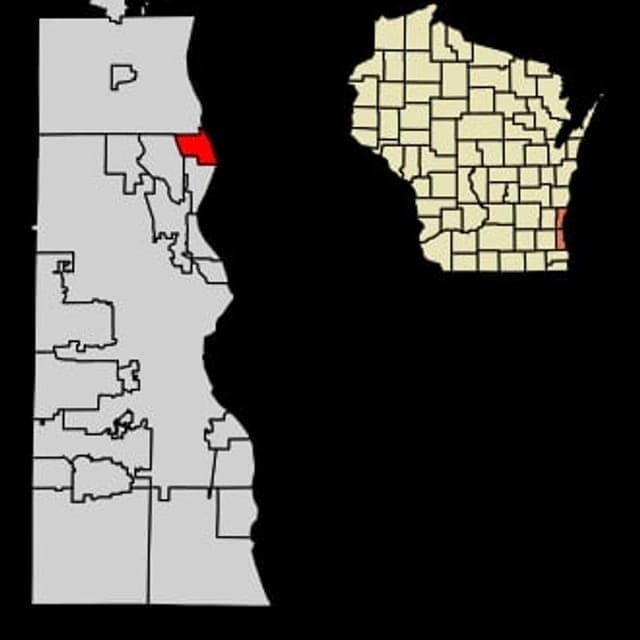
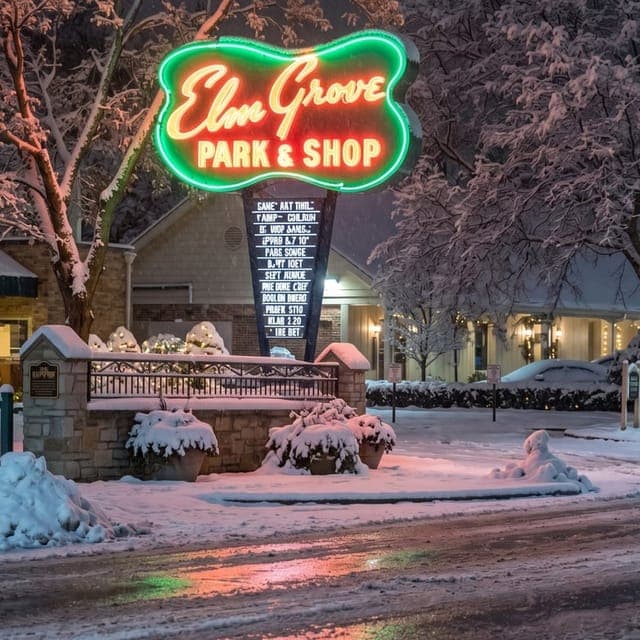
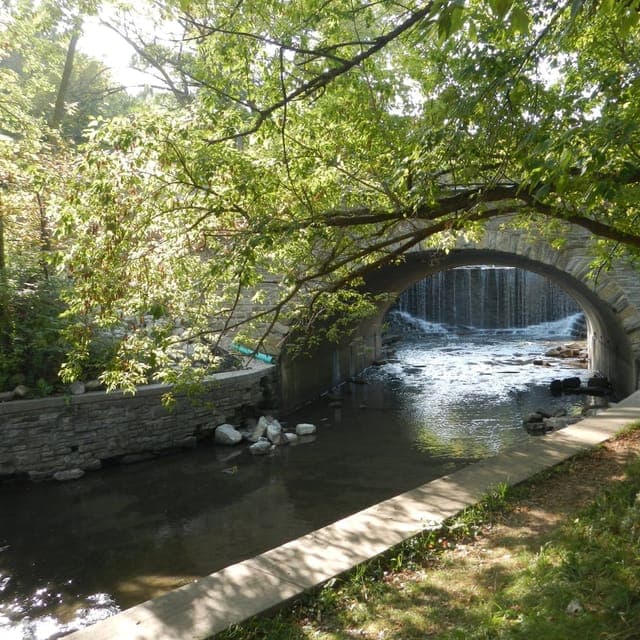
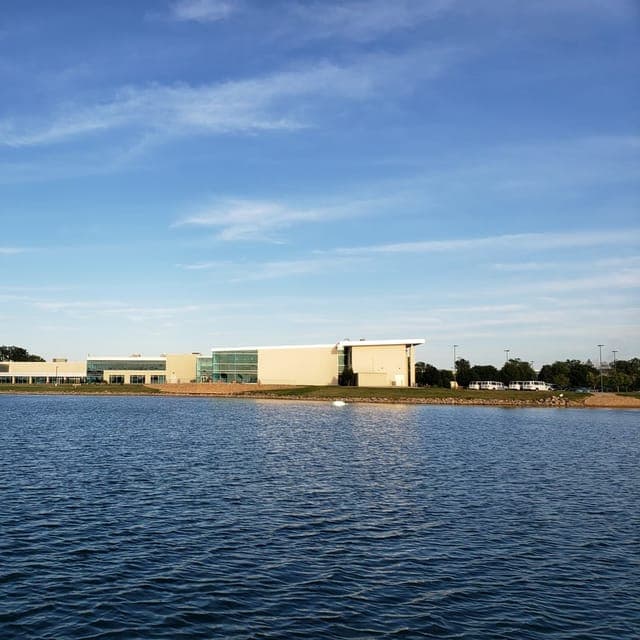
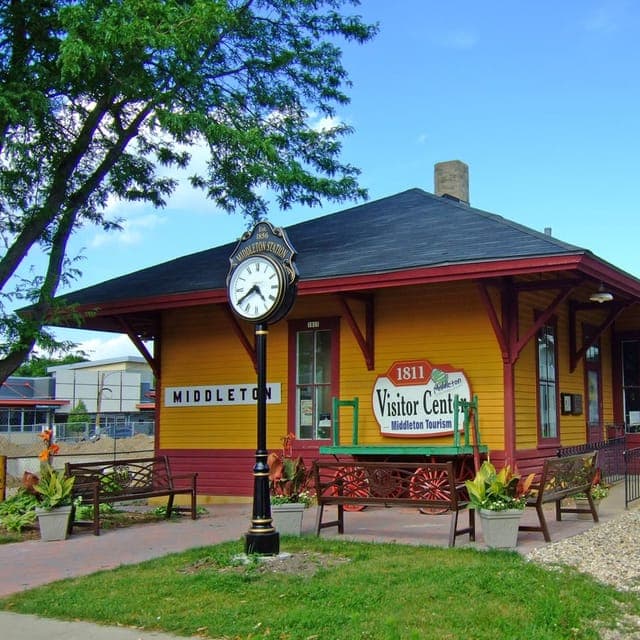
Top Cities for Personal Sovereignty in Wisconsin


* Values derived from national, state, county, city and local statistics and may differ in a specific area. Last updated: 2026-04-19T01:54:13.000Z
Narrative content on this page is AI-generated and may contain mistakes. Verify any details that matter before acting on them.
ReloMaps may earn a commission from affiliate links at no extra cost to you.

