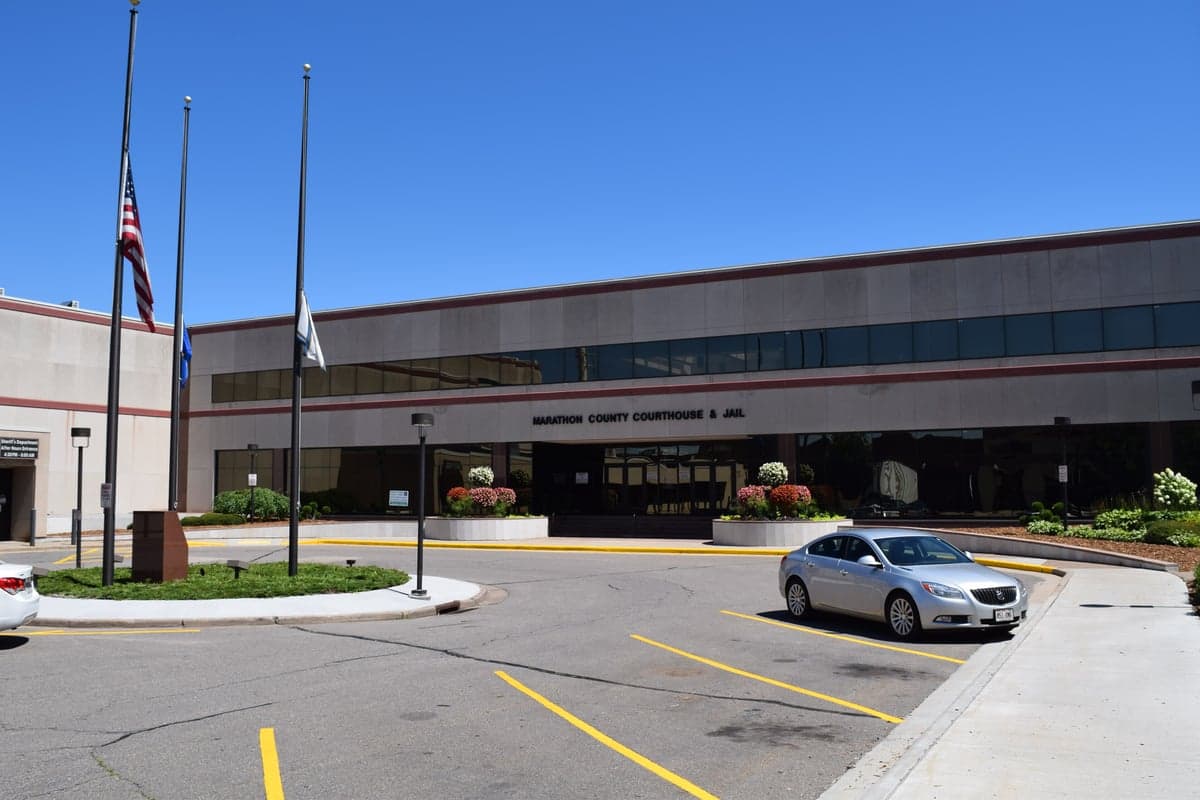
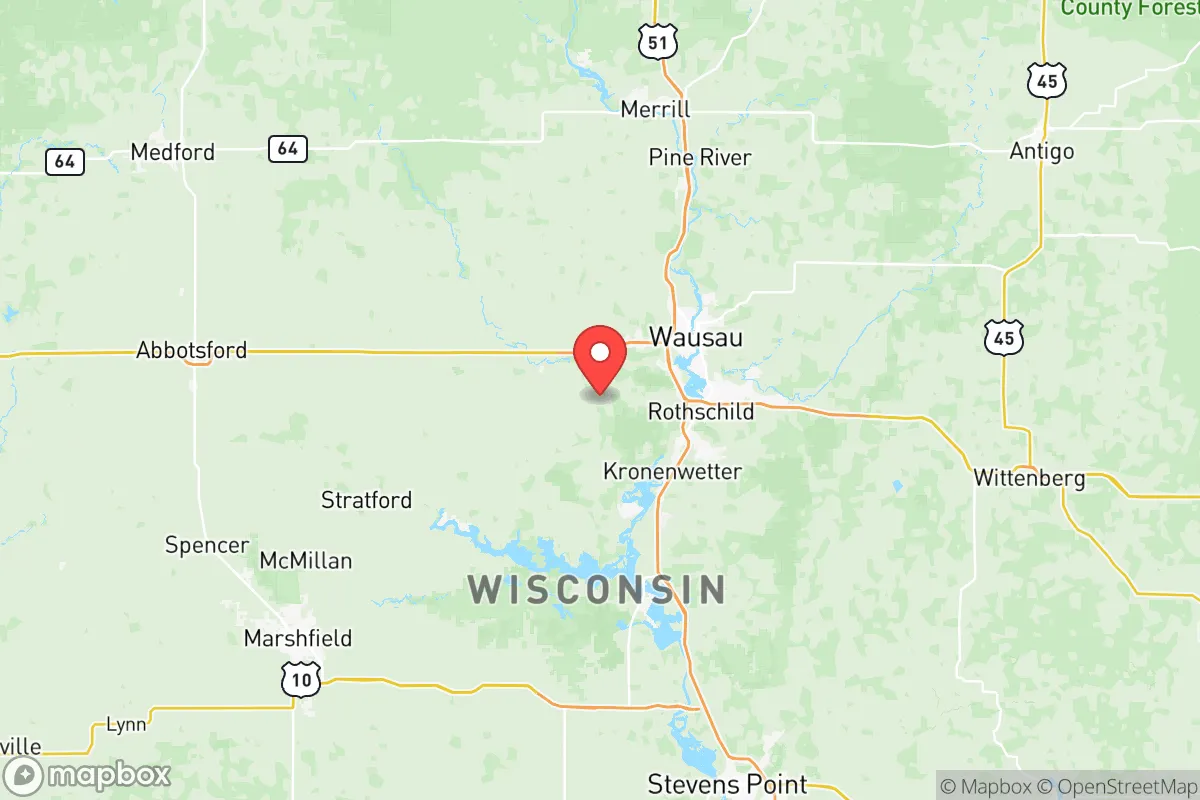
Photo: Wikipedia
Quality of Life in Marathon County
A livable area that tracks near national norms for affordability, walkability, and neighborhood health.
What does Quality of Life tell us?
Quality of Life measures an area by evaluating factors like cost of living, nearby amenities, country club access, airport proximity, socioeconomic signals and neighborhood character. For large states, this is a general average — quality of life can vary dramatically between metro areas, suburbs, and rural communities within the same state.
What does this tell us?
Quality of Life measures an area by evaluating factors like cost of living, nearby amenities, country club access, airport proximity, socioeconomic signals and neighborhood character. For large states, this is a general average — quality of life can vary dramatically between metro areas, suburbs, and rural communities within the same state.
Cost of Living
22% below national average
130%
The Real Cost of Living in Marathon County for 2026
| Tier | Individual | Family (4) |
|---|---|---|
| Survival | $15k | $29k |
| Comfortable | $40k | $59k |
| Luxury | $121k+ | $187k+ |
| Elite (Top 5%) | $142k+ | $220k+ |
Quality-of-Life Analysis
Marathon County, Wisconsin, offers a broad spectrum of quality-of-life options, from the urban amenities of its largest city to the quiet, agricultural rhythms of its smallest hamlets. The county’s character shifts noticeably as one moves from the Wausau metro area outward, attracting a diverse mix of residents: young professionals and families seeking jobs and entertainment in the county seat, retirees and commuters looking for affordable small-town living in communities like Mosinee or Schofield, and farmers or homesteaders drawn to the deep-rooted rural traditions of townships like Hamburg or Wien. With a cost of living index of 78 (well below the national average of 100), a median home value of $205,500, and a median rent of $950, the county provides a financially accessible entry point for nearly any lifestyle preference.
Largest town(s) & population centers
Wausau is the undisputed economic and cultural hub of Marathon County, home to roughly 40,000 residents. Daily life here centers around the downtown riverfront, which features a performing arts center, the Leigh Yawkey Woodson Art Museum, and a growing number of breweries and farm-to-table restaurants. The city is anchored by major employers like Aspirus Health and Wausau Paper, and its school system is the largest in the county. Just south, Schofield and Rothschild form a contiguous suburban corridor with Wausau, offering additional shopping (including the Wausau Center mall) and easy access to the Wisconsin River. For those who prefer a smaller-city feel with a stronger industrial base, Mosinee (population ~4,000) provides a distinct downtown along Highway 153 and a close-knit community atmosphere, while still being a 15-minute commute to Wausau. The average commute across the county is just 19.3 minutes, making these population centers highly practical for workers.
Smaller towns & rural pockets
Beyond the Wausau metro, Marathon County is dotted with villages and unincorporated communities that each have a distinct identity. Athens (population ~1,100) is a classic northwoods village with a strong logging heritage, offering a quiet, walkable downtown and proximity to the Rib Mountain State Park ski area. Marathon City (population ~1,500) sits along the Eau Claire River and is known for its annual Cheese Festival, reflecting the county’s deep dairy farming roots. Further north, Stratford (population ~1,600) serves as a rural service center with a strong school system and a surprising number of local manufacturing jobs. The most remote pockets are found in townships like Hamburg, Wien, and Cassel, where land is still used primarily for dairy and crop farming. These areas offer true rural solitude, with homes often set on 40-acre parcels and the nearest grocery store a 20-minute drive away.
Cost & lifestyle range
The cost of living varies notably across Marathon County, though it remains affordable by national standards. At the higher end, Wausau’s east side and the Rib Mountain area feature newer subdivisions and homes with median values approaching $300,000, driven by proximity to the ski hill and newer commercial development. The median countywide home value of $205,500 is still well below the national figure, and renters find the median $950 monthly rent manageable. At the lower end, rural townships like Hamburg and Wien offer older farmhouses and fixer-uppers for under $150,000, with property taxes often half of what they are in Wausau. Lifestyle follows this gradient: residents in the Wausau metro enjoy walkable downtowns, multiple grocery chains, and cultural events, while those in Stratford or Athens rely on local diners, church socials, and outdoor recreation like snowmobiling and fishing. The county’s low cost of living index (78) means that even the most expensive neighborhoods in Wausau are affordable compared to similar-sized cities in the Midwest.
Marathon County is best suited for people who value a balanced, affordable life with clear choices between urban convenience and rural peace. Young families and professionals thrive in the Wausau metro, where jobs and schools are concentrated, while retirees and remote workers often gravitate to the smaller villages for lower housing costs and a slower pace. Farmers and outdoor enthusiasts will find the rural townships ideal, with abundant public land for hunting and ATV trails. The county’s key strength is its accessibility: a 19-minute average commute means that even the most remote resident can reach a major grocery store or hospital within half an hour, making the trade-off between space and convenience a manageable one.

Crime in Marathon County
Generally safer than 61% of comparable U.S. locations.
Violent CrimeViolent Crime Analysis
Property CrimeProperty Crime Analysis
Crime Analysis
Marathon County, Wisconsin, presents a mixed safety picture where violent crime rates sit below national averages but property crime demands attention, particularly in the urban core of Wausau. With a violent crime rate of 236.8 per 100,000 residents and a property crime rate of 996.9 per 100,000, the county offers relative security compared to larger metropolitan areas, though residents in specific communities face notably different risks.
Crime in context
Marathon County’s violent crime rate of 236.8 per 100,000 is roughly 35% lower than the national average of 366.7 per 100,000, placing it in a safer tier among Wisconsin counties. The property crime rate of 996.9 per 100,000, however, sits close to the state average of approximately 1,100 per 100,000, meaning theft and burglary are more common concerns. For comparison, neighboring Lincoln County reports a violent crime rate near 180 per 100,000, while larger urban centers like Milwaukee County exceed 700 per 100,000. Marathon County’s numbers are largely driven by Wausau, which accounts for roughly 40% of the county’s population but a disproportionate share of reported incidents. The county’s district attorney’s office, currently led by a conservative prosecutor, has maintained a focus on charging and sentencing guidelines that prioritize public safety, which helps keep violent crime in check relative to more progressive jurisdictions in Dane or Milwaukee counties.
What residents experience
Residents in Marathon County’s smaller towns and villages generally report feeling safe, with property crime being the primary nuisance. In communities like Mosinee, Schofield, and Rothschild, theft from vehicles and occasional burglaries are the most common complaints, while violent incidents like assault or robbery are rare. Wausau, the county seat and largest city, sees higher concentrations of both property and violent crime, particularly in areas near the downtown core and along the Stewart Avenue corridor. The city’s police department has implemented community policing strategies, but progressive policies in the Marathon County court system have raised concerns among some residents. The county’s treatment courts and diversion programs, while intended to reduce recidivism, have been criticized for allowing repeat property offenders back onto the streets quickly, contributing to a perception that the justice system prioritizes rehabilitation over accountability. In contrast, towns like Athens, Edgar, and Stratford report minimal crime, with many residents leaving doors unlocked and relying on neighborly watchfulness.
Neighborhood-level variation
Crime in Marathon County is not evenly distributed. The safest areas are the rural townships and villages west of Wausau, such as Marathon City and Rib Falls, where violent crime is virtually nonexistent and property crime is sporadic. The eastern side of the county, including Weston and Kronenwetter, has seen growth in both population and property crime, particularly theft from construction sites and vehicles in newer subdivisions. Wausau’s central and south-side neighborhoods, especially around the 400 Block and the Thomas Street area, experience the highest rates of assault and drug-related offenses. The county’s reliance on a progressive-leaning public defender’s office and occasional leniency from judges in the 9th Judicial District has led to frustration among victims who see offenders cycling through the system. For families and retirees, the safest bet remains the smaller communities outside Wausau, where community cohesion and conservative law enforcement practices keep crime rates low and response times fast.
* Values derived from national, state, county, city and local statistics and may differ in a specific area. Last updated: 2026-06-17T00:48:27.000Z
Narrative content on this page is AI-generated and may contain mistakes. Verify any details that matter before acting on them.
ReloMaps may earn a commission from affiliate links at no extra cost to you.

