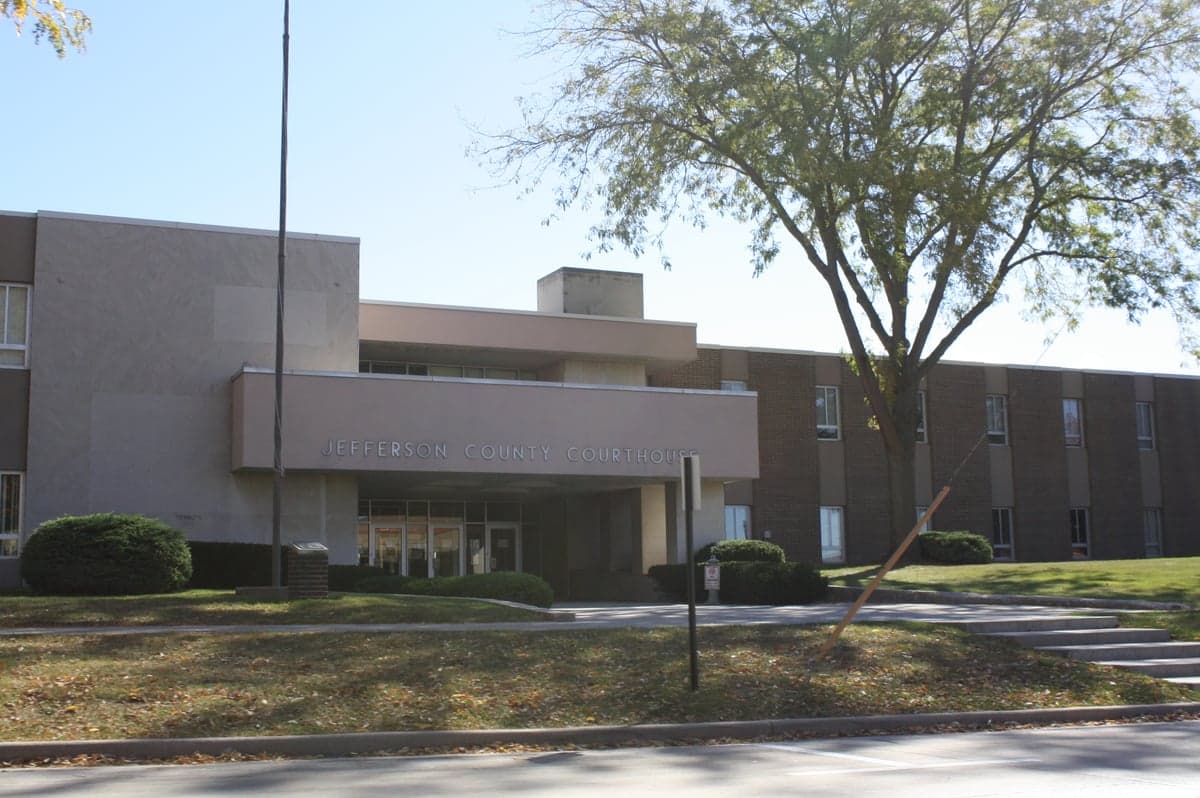
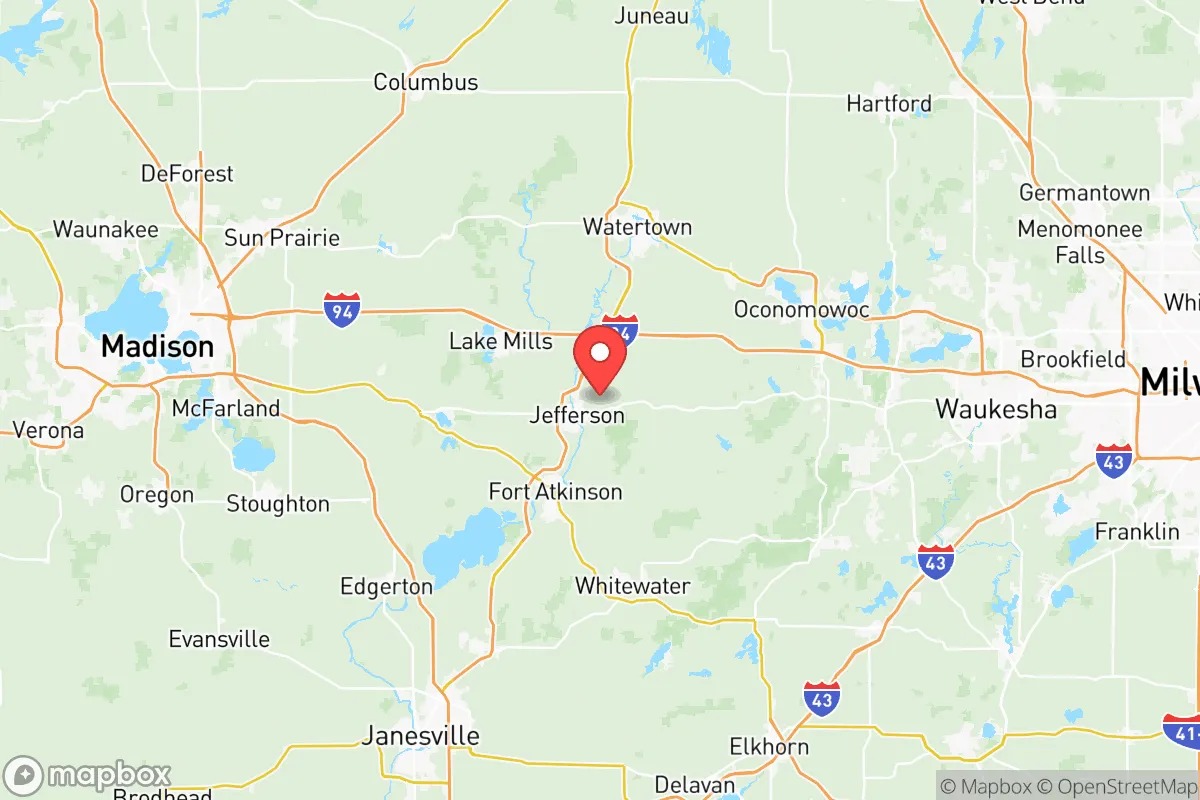
Photo: Wikipedia
Quality of Life in Jefferson County
A livable area that tracks near national norms for affordability, walkability, and neighborhood health.
What does Quality of Life tell us?
Quality of Life measures an area by evaluating factors like cost of living, nearby amenities, country club access, airport proximity, socioeconomic signals and neighborhood character. For large states, this is a general average — quality of life can vary dramatically between metro areas, suburbs, and rural communities within the same state.
What does this tell us?
Quality of Life measures an area by evaluating factors like cost of living, nearby amenities, country club access, airport proximity, socioeconomic signals and neighborhood character. For large states, this is a general average — quality of life can vary dramatically between metro areas, suburbs, and rural communities within the same state.
Cost of Living
12% below national average
111%
The Real Cost of Living in Jefferson County for 2026
| Tier | Individual | Family (4) |
|---|---|---|
| Survival | $16k | $30k |
| Comfortable | $49k | $72k |
| Luxury | $118k+ | $183k+ |
| Elite (Top 5%) | $139k+ | $216k+ |
Quality-of-Life Analysis
Jefferson County, Wisconsin, offers a broad spectrum of quality-of-life options, from the walkable, historic downtown of its largest city to quiet, unincorporated crossroads and working farmsteads. The county’s character is defined by its position between the Milwaukee metro area and the more rural interior of the state, attracting a mix of commuters, small-town entrepreneurs, and agricultural families. With a cost of living index of 88 (well below the national average of 100), the county provides tangible financial breathing room, though the experience of daily life shifts dramatically depending on whether you choose a population center like Watertown or a hamlet like Sullivan.
Largest town(s) & population centers
Watertown, straddling the Jefferson-Dodge county line, is the county’s largest city and primary commercial hub, with a population of roughly 24,000. Daily life here centers on a compact, historic downtown along the Rock River, featuring locally owned shops, restaurants, and the iconic Octagon House museum. The city offers a solid mix of employers, including the Watertown Unified School District and major manufacturers like Nasco (a global educational supply company) and Watertown Metal Products. Jefferson, the county seat, is the second major population center, with a population around 8,000. Its downtown is anchored by the Jefferson County Courthouse and a lively farmers market, and it serves as a regional retail and medical services node. Both cities have walkable cores, but most residents rely on cars; the average county commute of 24.9 minutes is manageable, with many workers heading to Watertown, Jefferson, or commuting east to Waukesha or Milwaukee. Housing in these towns is affordable relative to the state: the median home value in the county is $253,800, and median rent is $1,012, making homeownership attainable for many middle-income households.
Smaller towns & rural pockets
Beyond the two main cities, Jefferson County is dotted with smaller communities that offer a quieter, more agrarian pace. Lake Mills (pop. ~6,000) is a notable example, centered on Rock Lake and its famous underwater rock formations; it blends a small downtown with lakefront recreation and a strong sense of local identity. Fort Atkinson (pop. ~12,000) sits on the Bark River and offers a historic downtown, the Hoard Historical Museum, and a robust park system, but feels distinctly smaller and more residential than Watertown. Further out, Johnson Creek (pop. ~3,000) is a classic bedroom community along Interstate 94, known for its outlet mall and quick highway access. Truly rural pockets include unincorporated places like Hebron and Concord, where you’ll find century farms, scattered subdivisions, and little more than a gas station or church. These areas appeal to those seeking acreage, privacy, and a direct connection to the county’s agricultural roots, with land prices often significantly below the county median home value.
Cost & lifestyle range
The cost of living and lifestyle options span a clear gradient. At the lower-cost, more rural end, areas around Sullivan and Palmyra offer the cheapest housing stock, often older farmhouses or mobile homes on large lots, with fewer nearby retail amenities and longer drives to grocery stores. At the higher end, Watertown’s newer subdivisions and Lake Mills’ lakefront properties command premium prices, sometimes exceeding $350,000, though still below many Milwaukee suburbs. The county’s overall COL index of 88 means a family earning the median household income (around $70,000) can afford a comfortable middle-class lifestyle, especially in the smaller towns. Amenities also vary: Watertown and Jefferson have full-service hospitals, while residents of rural Hebron or Concord typically drive 15-20 minutes for primary care. For recreation, the county’s network of parks, the Glacial Drumlin State Trail (a 52-mile rail-trail), and the Rock River offer year-round outdoor options accessible from nearly every corner.
Jefferson County is best suited for people who value affordability and space over urban density. Commuters who work in the Milwaukee or Madison metros find the 30- to 45-minute drive a fair trade for lower housing costs and a slower pace. Families seeking good schools (Watertown and Jefferson districts are well-regarded) and small-business owners looking for lower overhead than in larger cities also thrive here. The county’s mix of historic downtowns, lake communities, and working farmland ensures that whether you want a walkable main street or a quiet 40-acre parcel, there is a place that fits your budget and lifestyle.

Crime in Jefferson County
Generally safer than 61% of comparable U.S. locations.
Violent CrimeViolent Crime Analysis
Property CrimeProperty Crime Analysis
Crime Analysis
Jefferson County, Wisconsin, presents a mixed safety profile, with violent crime rates significantly below national averages but property crime rates that demand closer attention from prospective residents. The county recorded a violent crime rate of 236.8 per 100,000 residents and a property crime rate of 996.9 per 100,000, according to the most recent data. While the violent crime figure is roughly 20% lower than the U.S. average, the property crime rate sits near the national median, meaning theft, burglary, and vehicle break-ins are more common than in many neighboring rural counties. The county's proximity to Madison and Milwaukee influences both its demographics and its crime patterns, with smaller communities like Lake Mills and Watertown generally reporting fewer incidents than the county seat of Jefferson.
Crime in context
Jefferson County's violent crime rate of 236.8 per 100,000 is notably lower than Wisconsin's statewide average of roughly 300 per 100,000 and well below the national rate of about 380 per 100,000. This places the county among the safer rural-to-suburban corridors in south-central Wisconsin. However, the property crime rate of 996.9 per 100,000 is slightly above the Wisconsin average of approximately 950 per 100,000, driven largely by thefts from vehicles and unlocked outbuildings in unincorporated areas. For comparison, neighboring Dane County (home to Madison) reports a violent crime rate near 400 per 100,000, while Dodge County to the north sits closer to 200 per 100,000. The county's justice system, overseen by District Attorney Susan Happ (a Democrat), has faced criticism from conservative residents for what they perceive as lenient plea deals and diversion programs that keep repeat property offenders on the street. Critics argue that progressive prosecutorial policies, while well-intentioned, reduce deterrence and contribute to the elevated property crime numbers, particularly in the city of Jefferson itself.
What residents experience
Residents in Jefferson County most commonly encounter property crimes rather than violent offenses. Theft from vehicles, especially in parking lots at the Jefferson County Fairgrounds and along Main Street in downtown Jefferson, is the most frequent complaint. Burglaries of seasonal homes around Lake Ripley and Lake Koshkonong also occur, particularly during winter months when properties sit vacant. Violent crime is rare but not absent: the city of Watertown, which straddles the Jefferson-Dodge county line, has seen occasional aggravated assaults and domestic violence incidents, though these are concentrated in specific rental-heavy blocks near the downtown core. In Fort Atkinson, the presence of the state's largest mental health treatment facility (the Mendota Mental Health Institute's satellite campus) has led to isolated incidents involving patients, but these are not representative of broader community safety. Residents in smaller villages like Johnson Creek and Palmyra consistently report feeling safe walking at night, with neighborhood watch programs active in both communities.
Neighborhood-level variation is significant within Jefferson County. The city of Jefferson itself, with a population around 8,000, accounts for a disproportionate share of the county's property crime, particularly in the area between Highway 26 and the Rock River. In contrast, the village of Cambridge (partly in Dane County) and the town of Sullivan report near-zero violent crime and property crime rates below 500 per 100,000. Homebuyers should note that unincorporated areas along the Rock River corridor, especially near the Jefferson-Walworth county line, have experienced a rise in thefts from construction sites and farm equipment. The county sheriff's office maintains a visible presence in these areas, but response times can exceed 20 minutes in the most remote townships. For families prioritizing safety, the communities of Lake Mills and Waterloo offer the best combination of low crime rates and active local police departments, with both towns reporting violent crime rates below 150 per 100,000 in recent years.
* Values derived from national, state, county, city and local statistics and may differ in a specific area. Last updated: 2026-07-13T23:42:12.000Z
Narrative content on this page is AI-generated and may contain mistakes. Verify any details that matter before acting on them.
ReloMaps may earn a commission from affiliate links at no extra cost to you.

