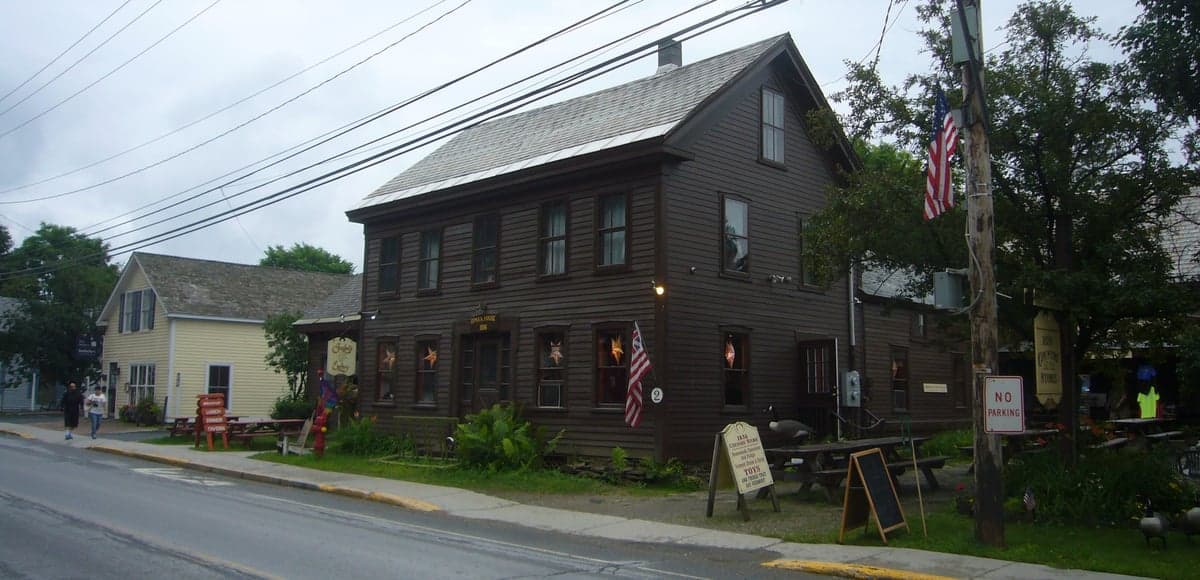
Photo: Wikipedia
Quality of Life in Wilmington, VT
Above-average quality of iife. The area offers a reasonable cost of living, decent mobility, and a mix of neighborhood amenities.
What does Quality of Life tell us?
Quality of Life blends cost of living, nearby amenities, socioeconomic signals, and neighborhood character. City-level scores represent the whole municipality; individual neighborhoods can differ.
What does this tell us?
Quality of Life blends cost of living, nearby amenities, socioeconomic signals, and neighborhood character. City-level scores represent the whole municipality; individual neighborhoods can differ.
Cost of Living
9% below national average
The Real Cost of Living in Wilmington, VT for 2026
| Tier | Individual | Family (4) |
|---|---|---|
| Survival | $15k | $29k |
| Comfortable | $56k | $83k |
| Luxury | $99k+ | $154k+ |
| Elite (Top 5%) | $152k+ | $235k+ |
66%
* top-5% income substituted from county-level data — local Census figures unavailable for small populations
The Area Signal
A metric tracking the socioeconomic signals of the area.
Hobbies
Explore the areaGroceries
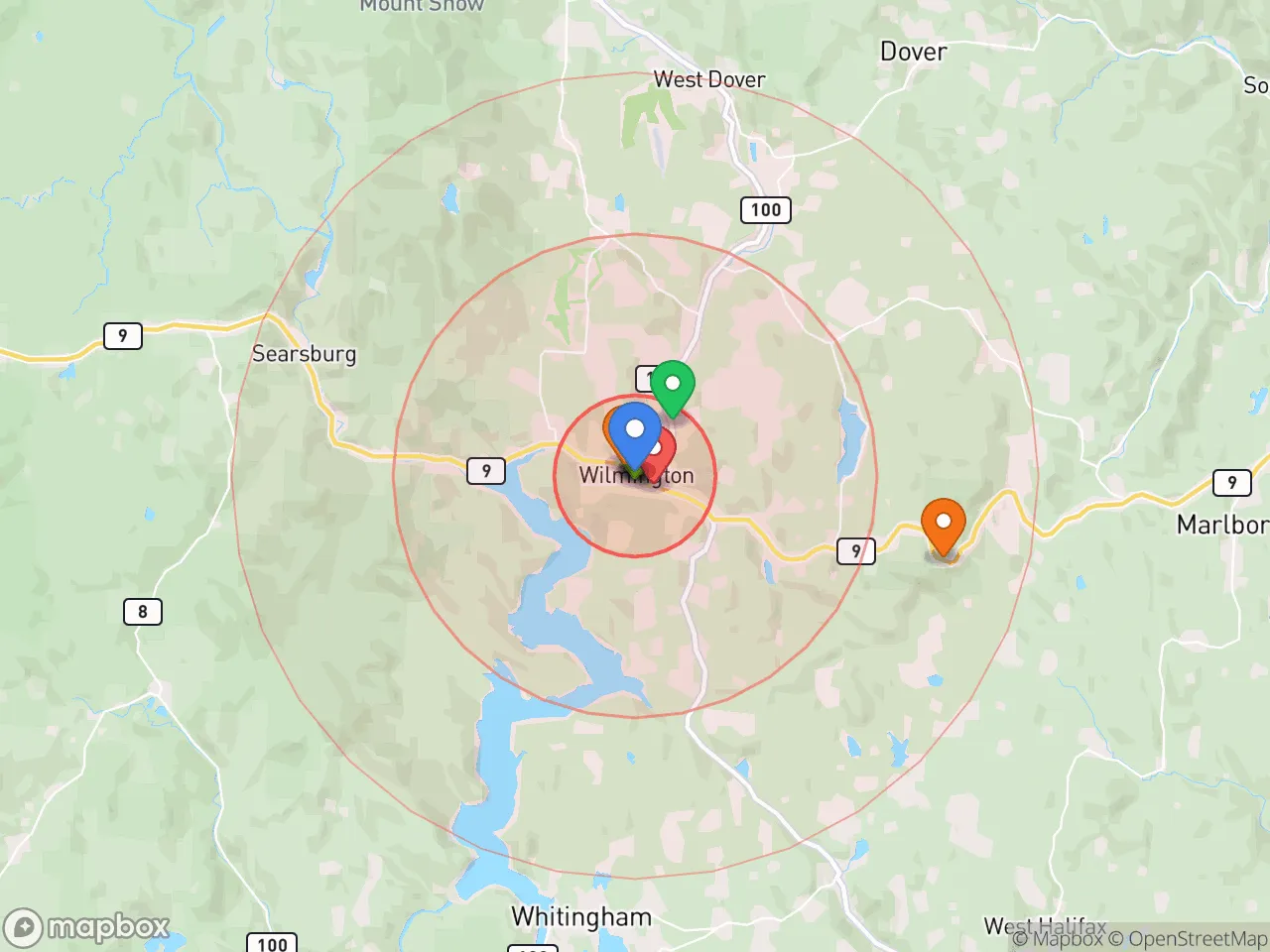
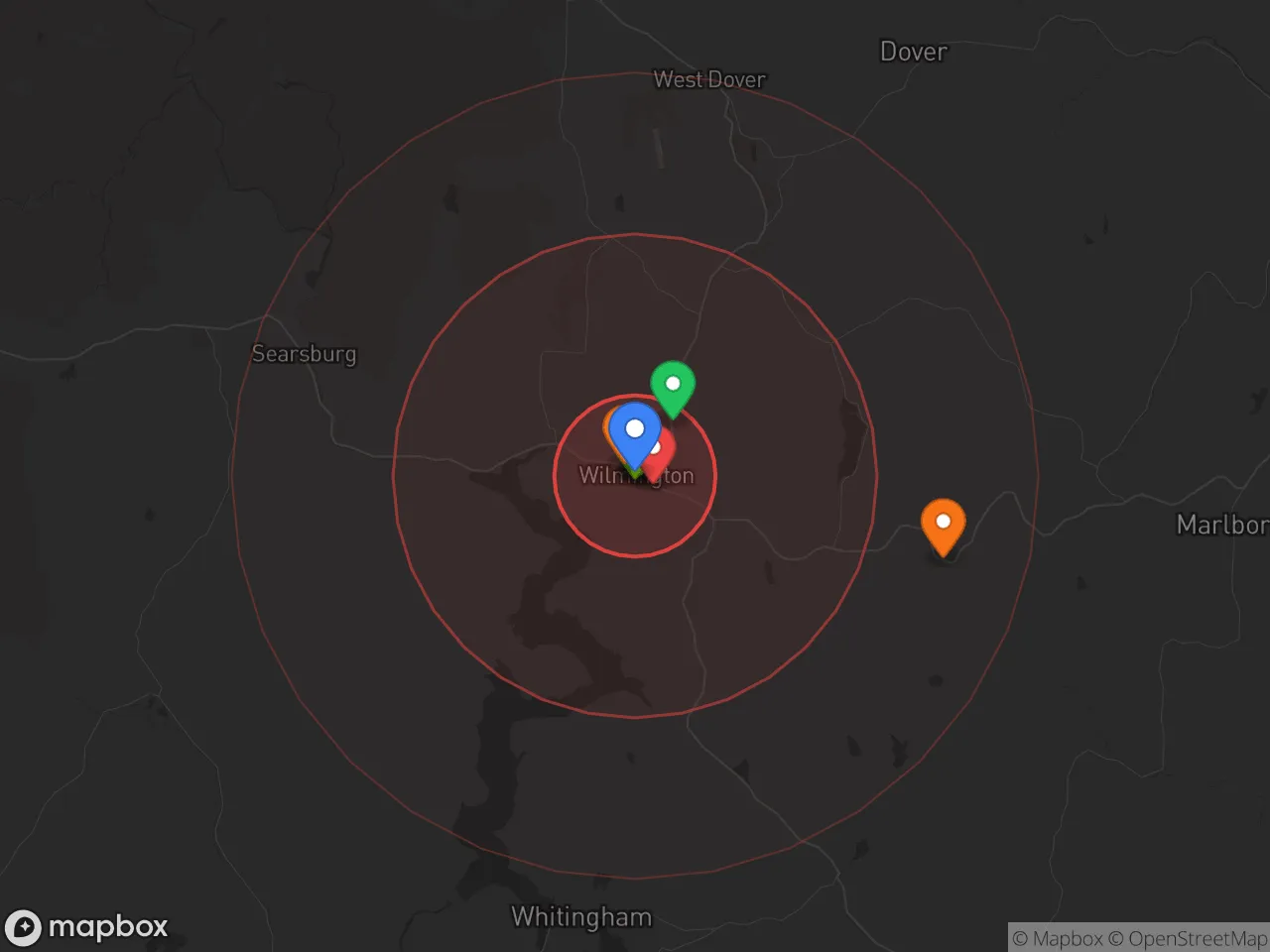
1 within 10 miles
Gas
6 within 10 miles
Hospital
5 within 20 miles
Airport
PDX — Portland International Jetport
Post Office
USPS — Wilmington, VT
Critical Amenities
Quality-of-Life Analysis
Wilmington, Vermont, presents a distinct quality-of-life profile defined by its relative affordability within the expensive New England landscape and a strong sense of community rooted in outdoor recreation. With a cost of living index of 91 (9% below the U.S. average), the town attracts a mix of second-home owners, remote workers, and families seeking a quieter, nature-focused lifestyle. The population skews older and more affluent than the national median, but the presence of the Mount Snow ski resort injects a seasonal, younger demographic that keeps the local economy and social scene active.
Cost of living, housing, and affordability compared to nearby towns
Wilmington’s housing market is a key draw, offering significant value compared to pricier resort towns like Manchester or Stowe. The median home value sits at $290,400, roughly $100,000 below the Vermont state median, while the median rent of $967 is notably lower than the national average of $1,200. This affordability is a major factor for first-time buyers and those relocating from metropolitan areas. However, inventory is tight, particularly for single-family homes under $350,000, and the market is heavily influenced by second-home demand. The average commute of 22 minutes is short by national standards, with most residents working locally in hospitality, construction, or remote professional roles, though some commute to Brattleboro (35 minutes) or Bennington (30 minutes) for employment.
Local amenities, schools, and the daily rhythm of life
Daily life in Wilmington revolves around a compact, walkable downtown along the Deerfield River. The town offers a grocery store, a hardware store, a pharmacy, and a handful of independent restaurants and cafes—enough for routine errands without driving to a larger town. The Wilmington School (PK-8) serves roughly 200 students and is known for small class sizes and strong parental involvement, though high school students must commute to Twin Valley High School in Whitingham (15 minutes) or private schools in the region. Healthcare access is limited to a local health center and a dental practice; serious medical needs require a trip to Brattleboro Memorial Hospital or Dartmouth-Hitchcock Medical Center in Lebanon, NH (90 minutes). The town’s rhythm is dictated by the seasons: summer brings hikers and kayakers, fall draws leaf-peepers, and winter transforms the area into a ski hub, with Mount Snow’s 5,000 daily visitors during peak season significantly impacting traffic and restaurant wait times.
Wilmington is best suited for those who prioritize outdoor recreation, community connection, and a slower pace over urban amenities and career diversity. Retirees, remote professionals, and families with young children who value a safe, tight-knit environment will find the town appealing. It is less ideal for singles seeking nightlife, renters needing a wide selection of apartments, or those requiring frequent access to specialized healthcare. The town’s seasonal economy means that service-industry jobs are plentiful but often low-paying, while professional opportunities outside of remote work are scarce. For the right buyer—someone who can afford the modest housing stock and embraces the quiet, nature-driven lifestyle—Wilmington offers a high quality of life at a fraction of the cost of comparable Vermont resort towns.

Crime in Wilmington, VT
Lower crime rates than 90% of comparable U.S. locations.
Violent CrimeViolent Crime Analysis
Property CrimeProperty Crime Analysis
Crime Analysis
Wilmington, Vermont, presents a notably low-crime profile, with violent crime rates significantly below both state and national averages. The town's violent crime rate stands at 173.7 incidents per 100,000 residents, while property crime is even lower at 86.8 per 100,000. These figures place Wilmington among the safer communities in Windham County, though residents should remain aware of the broader regional context, particularly the influence of progressive judicial policies in Vermont that can affect recidivism and public safety outcomes.
Crime in context
Wilmington's violent crime rate of 173.7 per 100,000 is roughly 53% lower than the national average of approximately 370 per 100,000. Property crime at 86.8 per 100,000 is even more striking—nearly 80% below the U.S. average of about 1,950 per 100,000. Compared to Vermont's statewide violent crime rate of roughly 200 per 100,000, Wilmington is about 13% safer. However, Vermont's overall crime landscape is shaped by a justice system that often prioritizes rehabilitation over incarceration. Progressive district attorneys and judges in Windham County and across the state have implemented policies like cash bail reform and reduced sentencing for non-violent offenses. While intended to reduce incarceration, these approaches can result in repeat offenders returning to communities more quickly, potentially undermining the safety that low base rates suggest.
What residents experience
For daily life in Wilmington, the low property crime rate means break-ins, theft, and vandalism are uncommon but not unheard of. The town's small population (around 2,200) and tight-knit community foster natural surveillance and neighborly watchfulness. Most reported incidents involve minor thefts from unlocked vehicles or seasonal properties, particularly during the winter tourism season. Violent crime is rare, with no homicides reported in recent years and assaults typically confined to domestic disputes or alcohol-related incidents at local establishments. The Wilmington Police Department maintains a visible presence, and the town benefits from its location along Route 9, which sees state police patrols. However, the progressive lean of Vermont's judiciary means that even when arrests are made, offenders—especially those with substance abuse issues—often receive treatment-focused sentences rather than jail time, a factor that can erode deterrence over the long term.
Neighborhood-level variation in Wilmington is minimal due to the town's compact size. The downtown core and areas near the Deerfield River are generally considered the safest, with higher foot traffic and lighting. Outlying residential roads and seasonal camps along the river may experience slightly higher rates of opportunistic theft, particularly during off-season months. The nearby Mount Snow resort area, while not within town limits, can attract transient populations that occasionally drift into Wilmington, contributing to minor disturbances. Overall, Wilmington is a safe community by any standard, but the progressive judicial environment in Vermont warrants cautious awareness for prospective residents accustomed to more punitive justice systems.
* Values derived from national, state, county, city and local statistics and may differ in a specific area. Last updated: 2026-10-16T23:54:53.000Z
Narrative content on this page is AI-generated and may contain mistakes. Verify any details that matter before acting on them.
ReloMaps may earn a commission from affiliate links at no extra cost to you.

