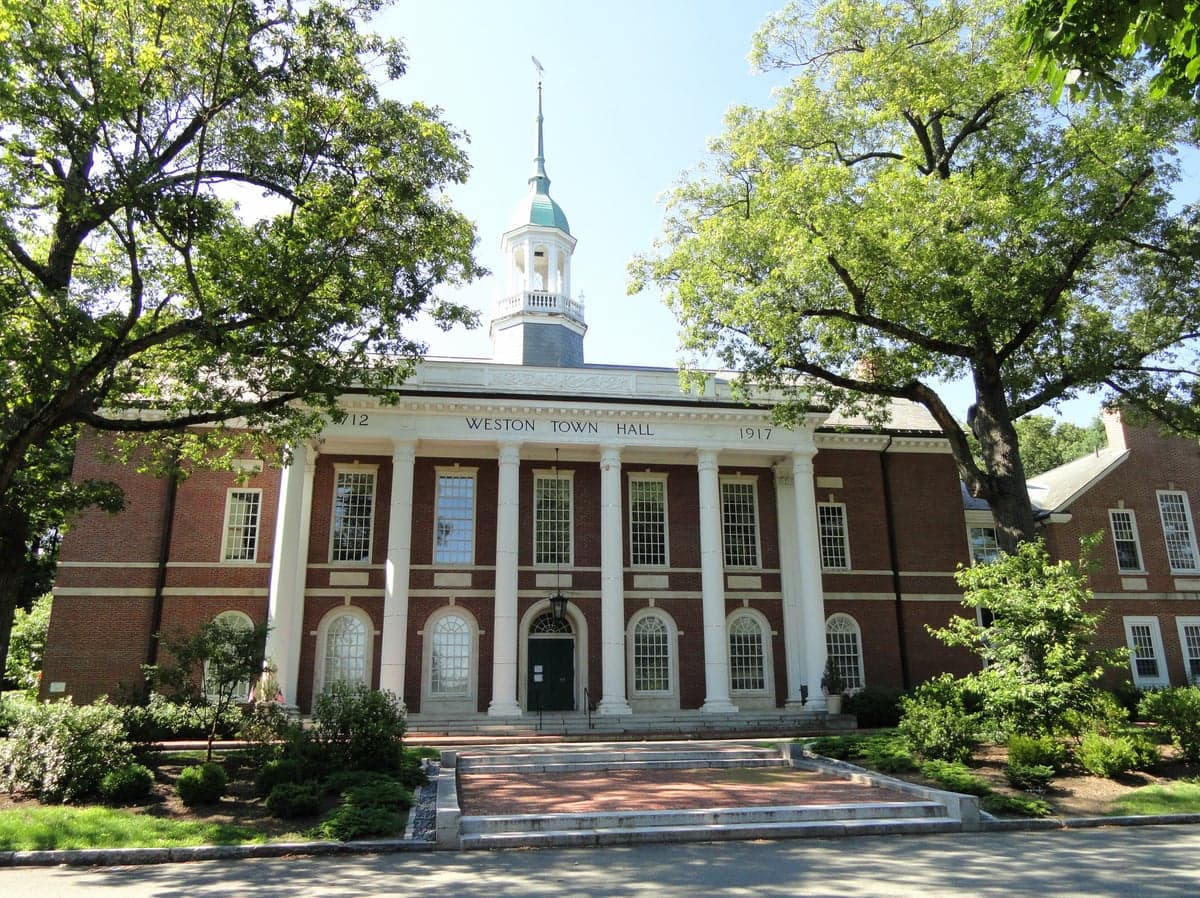
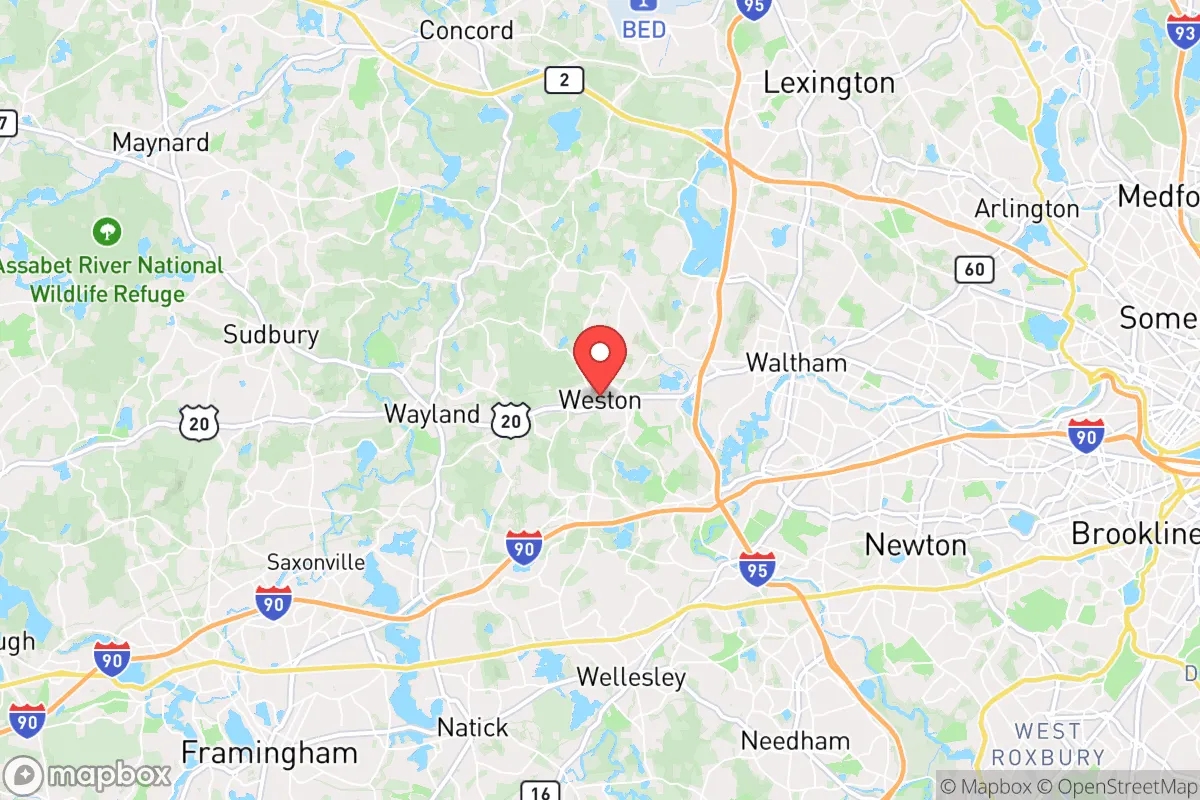
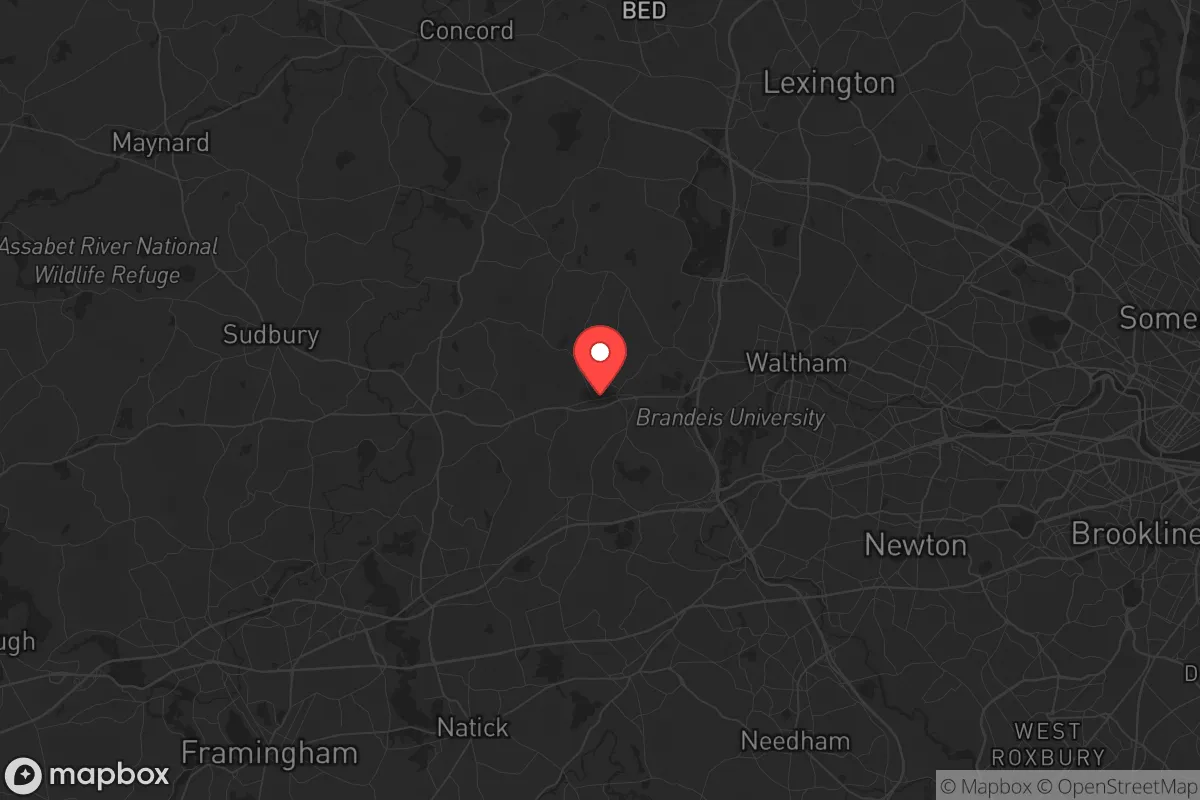
Photo: Wikipedia
An Unincorporated Community in Middlesex County, Massachusetts
Find The Best Places To Live
in Weston
PRO TIP! You can paste a Zillow or Redfin link to get info on that property.
What It's Like Living in Weston, MA
Living in Weston, Massachusetts, feels a bit like being part of a well-kept secret that’s not really a secret anymore. It’s a town that prides itself on quiet, tree-lined streets, top-tier public schools, and a palpable sense of community that’s hard to find in the hustle of nearby Boston. You’ll see more Volvos and Subarus than Teslas, and the local coffee shop conversations are just as likely to be about a kid’s soccer game as they are about the latest biotech IPO. It’s a place where people choose to live deliberately, trading the city’s constant buzz for a slower, more family-focused rhythm.
The Daily Rhythm: More Than Just a Commuter Town
Weston’s daily life is largely shaped by its schools and its proximity to Boston. The average commute clocks in at just under 25 minutes, which is a significant advantage over many other suburbs where an hour in the car is the norm. This manageable drive means parents can actually make it to a 5:30 PM youth soccer practice or a school board meeting without feeling like they’ve run a marathon. Weekends often revolve around the Weston Town Center, where you’ll find the Weston Public Library buzzing with activity, families grabbing a bite at La Campania for a special occasion, or picking up fresh produce at the seasonal farmers market. For everyday errands, you’ll head to nearby Wayland or Waltham for grocery stores and big-box retailers, but the town itself maintains a deliberate, low-key commercial core. The kind of person who fits in here is typically a professional—often in finance, tech, law, or medicine—who is in the thick of raising a family and values a strong school system above all else. The median income of $116,560 reflects this, but it’s not about flashy wealth; it’s about a comfortable, secure lifestyle where you can invest in your kids’ futures and your own peace of mind.
Sports, Community, and the Town’s Identity
High school sports are a genuine centerpiece of community life. The Weston Wildcats football and soccer games on Friday nights draw a solid crowd of parents, alumni, and neighbors, creating a small-town feel that’s increasingly rare in the Boston suburbs. It’s not just about the games themselves; it’s about the shared experience—the marching band, the post-game pizza at Weston Pizza, and the sense of rooting for something together. Beyond the high school, the town’s extensive network of conservation trails, like those at Cat Rock Park and the Weston Reservoir, are where you’ll see families hiking, trail running, and walking dogs on any given weekend. There’s no major music venue or festival scene here; the entertainment is more low-key. The Weston Arts Center hosts gallery shows and classes, and the Weston Drama Club puts on impressive productions. For a bigger night out, residents head into Boston for a concert at the House of Blues or a show at the Wang Theatre, but the real draw of Weston is the quiet, the space, and the ability to decompress after a busy week.
Pros and Cons: The Honest Trade-Offs
Longtime residents will tell you they love the schools—the Weston Public Schools are consistently ranked among the best in Massachusetts, which is the primary reason most families move here. They also love the safety; with a violent crime rate of just 33.4 per 100,000, it’s an exceptionally safe place to let kids ride their bikes to a friend’s house. The comunity feel is real, fostered by town events like the Weston Day celebration and the annual 4th of July parade. But the trade-offs are real. The cost of living index of 215 (more than double the national average) is a constant reality, with a median home value of $705,700 putting homeownership out of reach for many. This creates a certain economic homogeneity that can feel insular. Traffic on Route 30 and Route 20 can be frustrating during peak hours, and the town’s lack of a true downtown means you’re driving to neighboring towns for most errands and dining. Some residents also note a certain pressure to keep up with the Joneses, even if it’s unspoken—the nice cars, the well-manicured lawns, the high expectations for children’s achievements. It’s a trade-off: you get a beautiful, safe, academically rigorous environment, but you pay for it in both dollars and a certain level of social conformity.
Weather, Seasons, and the Practical Realities
New England weather is a character in its own right here. Winters are real—expect snow from December through March, with the town doing an excellent job of plowing streets and sidewalks. Spring is a slow, muddy thaw, but by May, the town explodes in green. Summers are warm and humid, perfect for the town pool or a day at Walden Pond in nearby Concord. Fall is arguably the most beautiful season, with the foliage turning the conservation trails into a kaleidoscope of color. The schools are the heartbeat of the community, and their calendar dictates the rhythm of life: school vacations, sports schedules, and PTO meetings. For a single person or a couple without kids, Weston might feel a bit quiet and family-centric, but for families, it’s a deliberate choice for a high-quality, grounded life. It’s not for everyone, but for those who value education, safety, and a strong sense of place, it’s hard to beat.

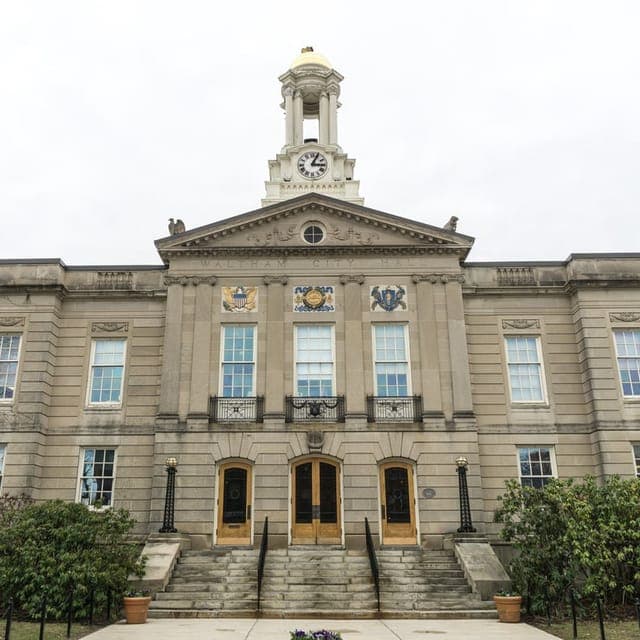
Similar small cities to Weston
* Values derived from national, state, county, city and local statistics and may differ in a specific area. Last updated: 2026-10-12T22:11:14.000Z
Narrative content on this page is AI-generated and may contain mistakes. Verify any details that matter before acting on them.
ReloMaps may earn a commission from affiliate links at no extra cost to you.

