
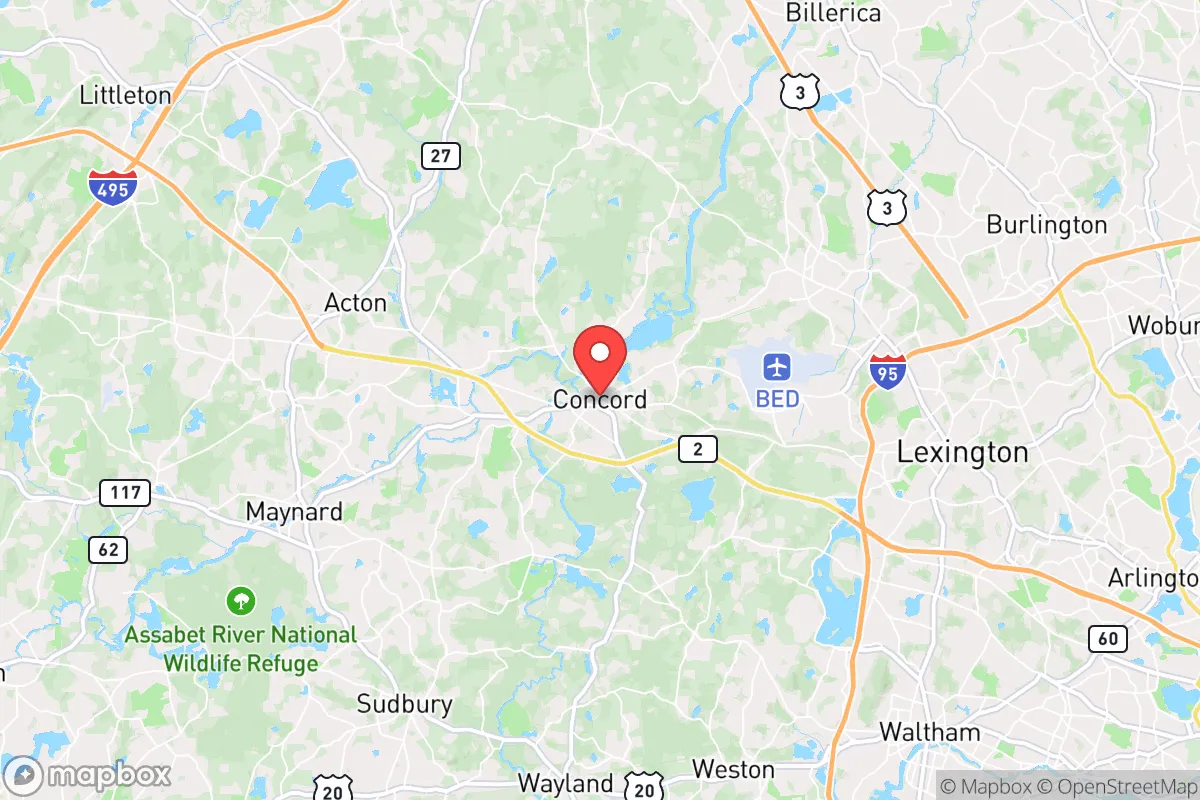
An Unincorporated Community in Middlesex County, Massachusetts
Find The Best Places To Live
in Concord
PRO TIP! You can paste a Zillow or Redfin link to get info on that property.
What It's Like Living in Concord, MA
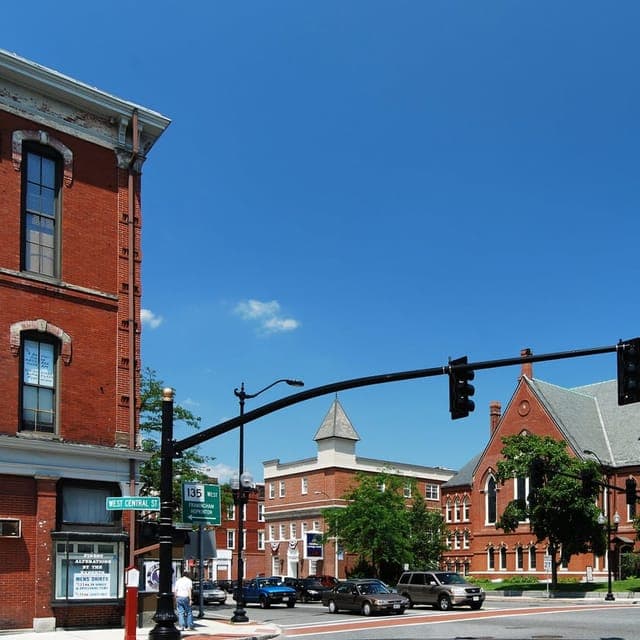
Concord, Massachusetts, feels less like a suburb and more like a living history museum that happens to have excellent schools and a surprisingly good coffee shop scene. It’s the kind of place where the Old North Bridge is just part of your morning jogging route, and where the local bookstore feels like a community hub. Living here means embracing a pace that’s deliberate and thoughtful, with a deep appreciation for both the past and the quiet, wooded landscape that surrounds you.
The Daily Rhythm: History, Books, and the Commute
Daily life in Concord revolves around a few key anchors: the schools, the town center, and the extensive network of conservation land. A typical weekend morning might start with a walk through the Great Meadows National Wildlife Refuge or a bike ride along the Battle Road, followed by a stop at Nashoba Brook Bakery for a morning bun and a coffee. The town center is compact and walkable, anchored by the iconic Concord Bookshop and a handful of independent stores. Grocery shopping means a trip to the local Concord Market or a quick drive to the larger supermarkets in neighboring Acton or West Concord. The average commute to Boston is about 28 minutes by car, but many residents take the Commuter Rail from the Concord station, using the ride to read or catch up on work. Traffic on Route 2 and Route 2A can be a genuine frustration, especially during school drop-off and pick-up, and the town’s narrow, winding roads are not built for heavy volume.
Who Fits In: A Community of Achievers and Nature Lovers
Concord is a magnet for highly educated professionals, academics, and writers. With 85.6% of adults holding a college degree and a median household income of $221,029, it’s an affluent community where intellectual curiosity is the norm. The kind of person who thrives here is someone who values substance over flash—they’d rather host a dinner party with good conversation than go to a trendy nightclub. Families are drawn by the Concord Public Schools, which are consistently ranked among the best in the state, and the town’s safe, walkable neighborhoods. The median age of 48.1 reflects a community that is established, with many empty-nesters and long-time residents who are deeply involved in town governance and local non-profits. It’s not a place for young singles looking for a vibrant nightlife; it’s a place for people ready to settle down and invest in a community.
Sports, Entertainment, and What You Actually Do
Sports in Concord are a community affair, centered on the Concord-Carlisle High School Patriots. Friday night football games in the fall are a genuine social event, drawing families and alumni. The town’s youth sports leagues—soccer, lacrosse, baseball—are well-organized and highly competitive. For professional sports, residents are passionate Boston fans, with the Red Sox, Celtics, and Patriots all having strong followings. Entertainment is more low-key and cultural than flashy. The Concord Free Public Library is a stunning architectural gem and a true community center, hosting author talks and lectures. The Umbrella Arts Center in nearby Stow offers theater, art classes, and concerts. For a night out, locals head to Main Streets Market & Café for a glass of wine and live music, or to The Colonial Inn for a classic New England dinner and a drink in the tavern. The Concord Museum and Walden Pond State Reservation are the big draws for visitors, but for residents, they’re just part of the landscape—places to take a walk, go for a swim in the summer, or attend a special exhibition.
Pros and Cons of Living in Concord
- What residents love: The unparalleled access to history and nature, the exceptional public schools, the strong sense of community and civic engagement, and the safety. The violent crime rate of 105.7 per 100,000 is low, making it a place where kids can still ride their bikes to a friend’s house.
- What frustrates them: The staggering cost of living. With a cost of living index of 279 (nearly three times the national average) and a median home value of $1,397,200, it is financially out of reach for most people. The lack of housing diversity and the high property taxes are a constant topic of conversation. The town can also feel insular and a bit too quiet for those who crave urban energy, and the traffic on the main arteries during peak hours is a genuine headache.
Living in Concord is a trade-off. You trade affordability and convenience for an extraordinary quality of life, a deep sense of place, and a community that genuinely cares about its history, its environment, and its children. It’s a wonderful place to raise a family or to settle into a thoughtful, engaged retirement, but it demands a significant financial commitment and a willingness to embrace a slower, more deliberate rhythm of life.

Similar small towns to Concord
* Values derived from national, state, county, city and local statistics and may differ in a specific area. Last updated: 2026-08-29T03:40:00.000Z
Narrative content on this page is AI-generated and may contain mistakes. Verify any details that matter before acting on them.
ReloMaps may earn a commission from affiliate links at no extra cost to you.

