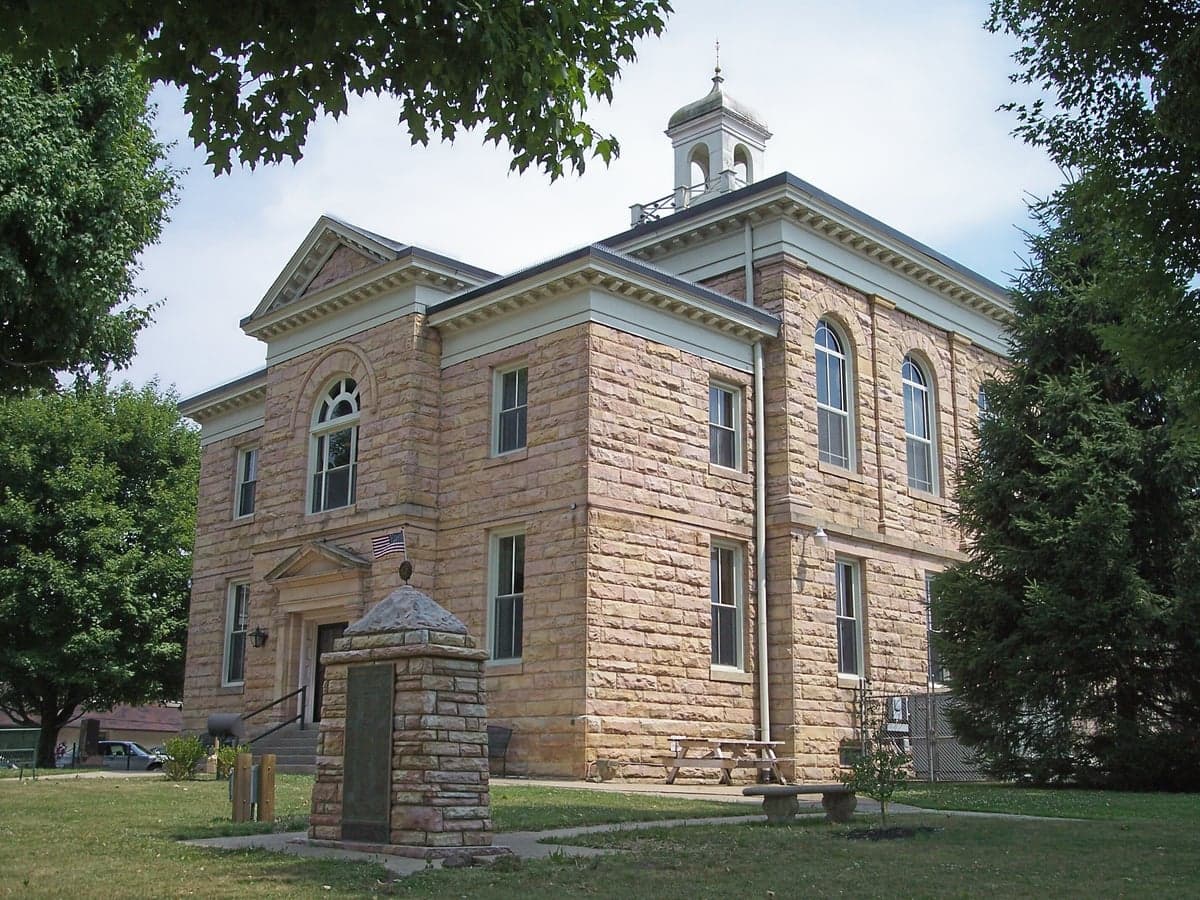
Photo: Wikipedia
Quality of Life in Nicholas County
A livable area that tracks near national norms for affordability, walkability, and neighborhood health.
What does Quality of Life tell us?
Quality of Life measures an area by evaluating factors like cost of living, nearby amenities, country club access, airport proximity, socioeconomic signals and neighborhood character. For large states, this is a general average — quality of life can vary dramatically between metro areas, suburbs, and rural communities within the same state.
What does this tell us?
Quality of Life measures an area by evaluating factors like cost of living, nearby amenities, country club access, airport proximity, socioeconomic signals and neighborhood character. For large states, this is a general average — quality of life can vary dramatically between metro areas, suburbs, and rural communities within the same state.
Cost of Living
49% below national average
151%
The Real Cost of Living in Nicholas County for 2026
| Tier | Individual | Family (4) |
|---|---|---|
| Survival | $11k | $20k |
| Comfortable | $22k | $33k |
| Luxury | $89k+ | $138k+ |
| Elite (Top 5%) | $113k+ | $175k+ |
Quality-of-Life Analysis
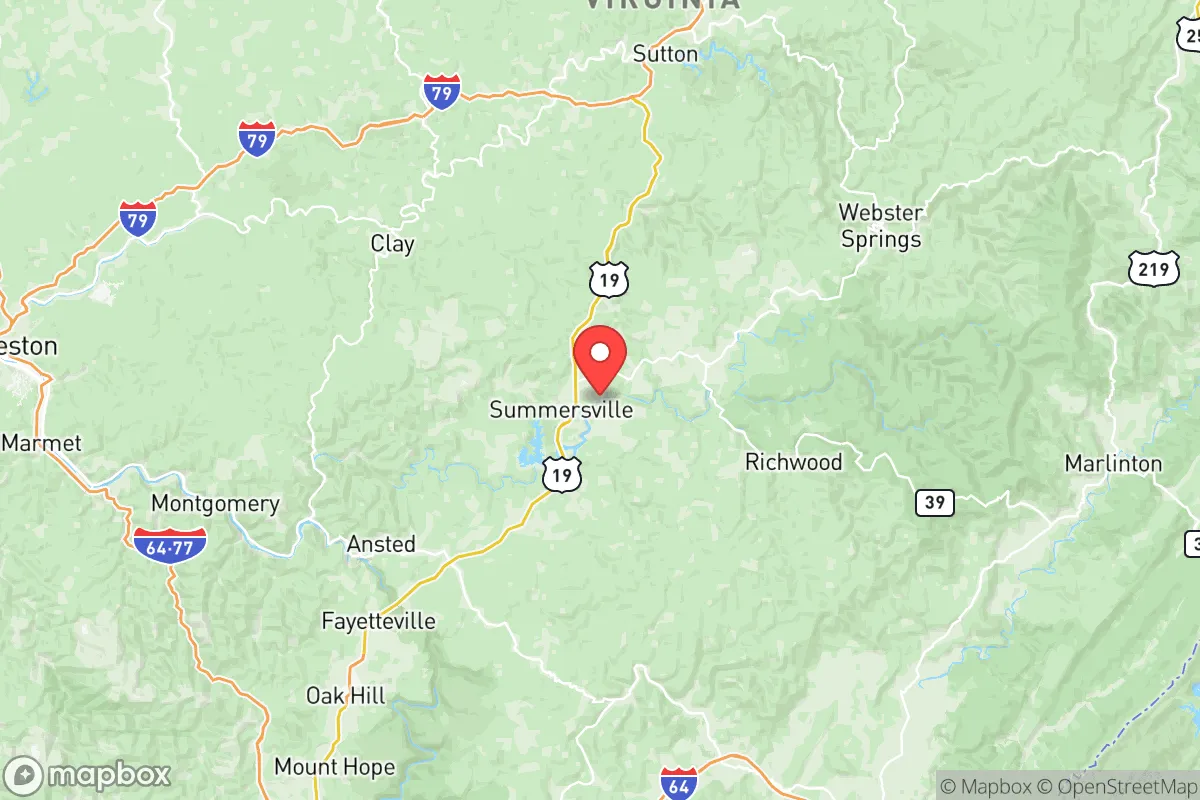
Nicholas County, West Virginia, offers a spectrum of quality-of-life options that range from the modest commercial hub of Summersville to deeply rural, unincorporated communities where the nearest grocery store may be a 20-minute drive. The county’s overall cost of living index sits at 51 — roughly half the national average — and its median home value of $114,200 and median rent of $669 make it one of the most affordable places in the eastern United States. This economic reality draws a mix of outdoor recreation seekers, remote workers looking for land, and retirees who value quiet over convenience. The trade-off is a long average commute of 34.2 minutes, a figure that reflects the county’s spread-out geography and limited local employment density.
Largest town(s) & population centers
Summersville, the county seat and largest town, is the clear anchor of Nicholas County. With a population around 3,500, it contains the county’s densest cluster of retail, healthcare, and government services. Daily life here centers on the Summersville Lake area — a major regional draw for boating, fishing, and hiking — and the town’s small downtown along Broad Street, which hosts a grocery store, a hardware store, and a handful of local restaurants. The Nicholas County Hospital provides primary and emergency care, and the Nicholas County High School serves as a community hub. Summersville is the only place in the county where a resident can walk to a coffee shop or a pharmacy, and its housing stock leans toward older single-family homes and a few apartment complexes. The town’s walkability is limited outside the immediate downtown core, but for those who want the closest thing to suburban convenience in Nicholas County, Summersville is the clear choice.
Smaller towns & rural pockets
Outside Summersville, the county is a patchwork of small towns and unincorporated communities, each with a distinct character. Richwood, about 20 miles east, is the second-largest town with roughly 1,800 residents. Once a timber and railroad center, Richwood has a slower pace and a more isolated feel, surrounded by the Monongahela National Forest. Its small main street has a diner, a library, and a few churches, but residents typically drive to Summersville or even Lewisburg for major shopping and medical care. Craigsville, located along U.S. Route 19, is a crossroads community with a post office, a volunteer fire department, and a handful of homes spread along the highway. Birch River and Mount Nebo are unincorporated areas where housing is sparse and land is cheap — lots can be found for under $20,000. These rural pockets offer privacy and proximity to national forest land, but they lack sidewalks, streetlights, and any form of public transit. Residents in these areas rely entirely on personal vehicles, and the 34-minute average commute is a lived reality, not a statistic.
Cost & lifestyle range
The cost spread across Nicholas County is narrow by national standards but meaningful locally. At the higher end, Summersville’s median home value of roughly $130,000–$140,000 and monthly rents near $700 reflect the premium for being near the lake and services. At the lower end, rural properties in areas like Fenwick or Swiss can sell for under $70,000, and rents in older mobile homes or small houses can dip below $500. The lifestyle trade-off is stark: Summersville offers a grocery store, a hospital, and a public library within a 10-minute drive, while residents of Nettie or Canvas may drive 25 minutes for a gallon of milk. Property taxes are uniformly low across the county — West Virginia’s effective rate is among the lowest in the nation — and there is no local sales tax surcharge. Utility costs, particularly electric heating in winter, can be higher in older rural homes, offsetting some of the housing savings. For those who value land, quiet, and low overhead, the rural end of the spectrum is a strong fit; for those who need walkable services or a short commute, Summersville is the only realistic option.
The people who thrive in Nicholas County are those who prioritize affordability, outdoor access, and space over urban amenities and job density. Remote workers, retirees on fixed incomes, and families who can tolerate a 30-minute drive to work or school will find the county’s low housing costs and low crime rates appealing. Those who require frequent air travel, specialty healthcare, or a vibrant nightlife will find the county limiting. For the right resident, Nicholas County offers a quiet, land-rich lifestyle at a cost that is increasingly rare in the United States.

Crime in Nicholas County
Generally safer than 68% of comparable U.S. locations.
Violent CrimeViolent Crime Analysis
Property CrimeProperty Crime Analysis
Crime Analysis
Nicholas County, West Virginia, presents a mixed safety picture that is notably better than the national average but requires careful neighborhood selection. The county's violent crime rate of 227.7 incidents per 100,000 residents sits well below the U.S. average of roughly 380 per 100,000, while its property crime rate of 941 per 100,000 also undercuts the national figure of approximately 1,950 per 100,000. However, safety varies significantly between the county's small towns and unincorporated areas, with some communities experiencing higher rates of drug-related offenses and theft than others.
Crime in context
Compared to West Virginia's statewide violent crime rate of about 310 per 100,000, Nicholas County is roughly 27% safer, placing it among the more secure rural counties in the state. Property crime in the county is also below the state average of roughly 1,200 per 100,000, though the gap is narrower. The county's largest town, Summersville, serves as the commercial hub and sees a concentration of property crimes—particularly vehicle break-ins and shoplifting—that inflate the county's overall numbers. By contrast, the smaller communities of Richwood and Craigsville report fewer incidents, though their isolation can mean slower emergency response times. The county's crime statistics are influenced by its location along major highways like U.S. Route 19, which facilitates transient drug trafficking, particularly methamphetamine and opioids, that drives both violent and property offenses.
What residents experience
Daily life in Nicholas County is generally quiet, but residents in certain areas report recurring issues with theft and vandalism. In Summersville, the Summersville Lake area attracts tourists and seasonal visitors, which correlates with a spike in property crimes during summer months—break-ins at rental cabins and thefts from vehicles parked at trailheads are common complaints. The Birch River area, while scenic, has seen elevated rates of domestic violence calls and drug-related arrests, reflecting broader Appalachian substance abuse challenges. Law enforcement presence is limited: the Nicholas County Sheriff's Office and the Summersville Police Department cover the county with fewer than 30 sworn officers combined, meaning response times in outlying areas like Mount Lookout or Nettie can exceed 20 minutes. Residents often rely on neighborhood watch groups and personal security measures, such as outdoor cameras, to supplement official policing.
Neighborhood-level variation
Safety in Nicholas County is highly localized. The Summersville city limits, particularly around Main Street and the shopping corridor near U.S. 19, see the highest concentration of reported crimes, though most are non-violent. The Richwood area, while historically struggling with economic decline, has maintained a lower violent crime rate due to its tight-knit community and active church networks. The unincorporated Swiss area, with its sparse population, reports almost no violent crime but is vulnerable to isolated property thefts. Prospective residents should be aware that the county's judicial system, operating under the 28th Judicial Circuit, has not adopted the progressive prosecutorial policies seen in some larger West Virginia jurisdictions like Kanawha County; instead, Nicholas County's district attorney's office maintains a traditional, law-and-order approach that prioritizes prosecution of drug and property offenses. This conservative judicial philosophy, combined with the county's relatively low crime rates, makes Nicholas County a safer choice than many rural areas in the region, provided one chooses a residence in the quieter, less trafficked communities away from Summersville's commercial core.
* Values derived from national, state, county, city and local statistics and may differ in a specific area. Last updated: 2026-07-03T04:54:02.000Z
Narrative content on this page is AI-generated and may contain mistakes. Verify any details that matter before acting on them.
ReloMaps may earn a commission from affiliate links at no extra cost to you.

