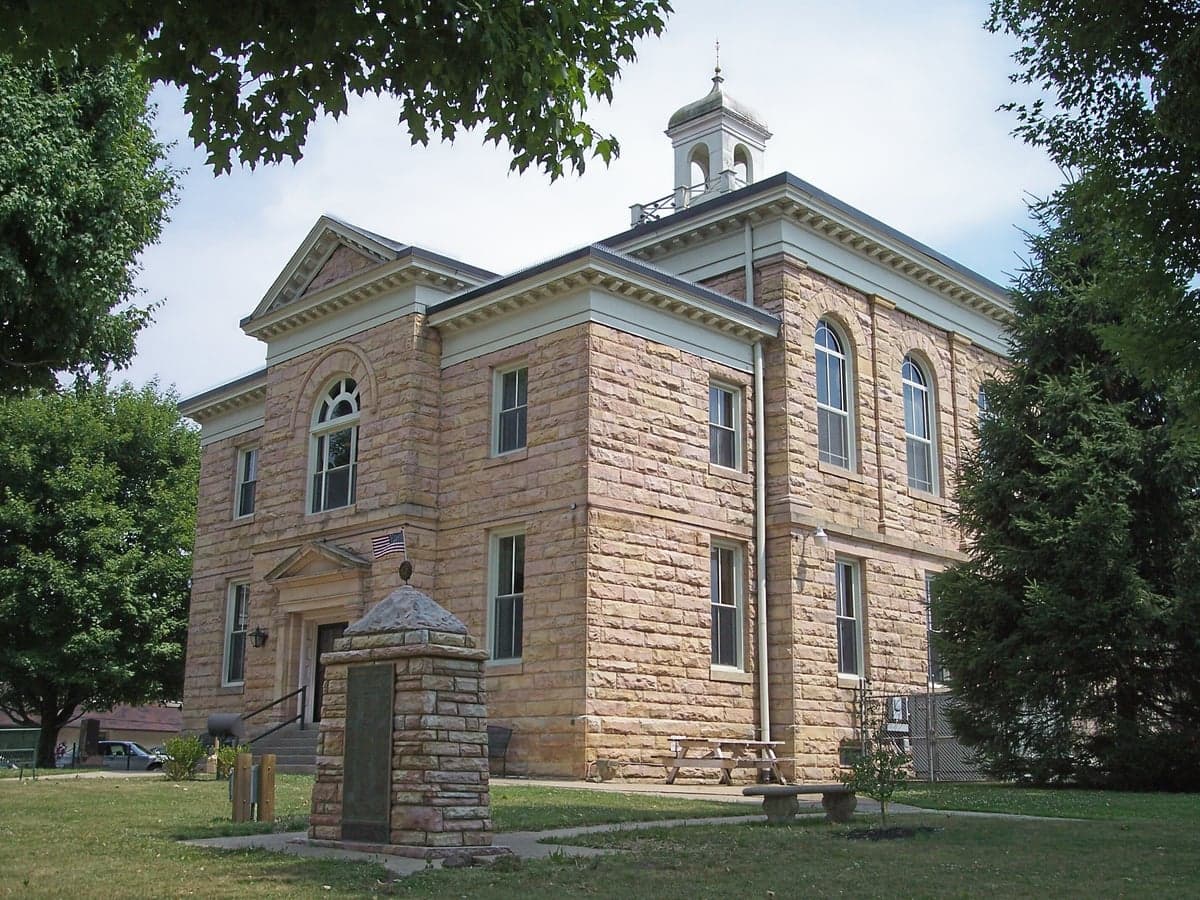
Photo: Wikipedia
Personal Sovereignty in Nicholas County
Viable for self-reliance. Generally workable, though some barriers may limit total independence.
What does Personal Sovereignty tell us?
Personal Sovereignty measures your capacity for self-reliance and independence with minimal government friction. Higher scores mean fewer barriers between you and the way you want to live... but it assumes you have the space you need and good neighbors.
What does this tell us?
Personal Sovereignty measures your capacity for self-reliance and independence with minimal government friction. Higher scores mean fewer barriers between you and the way you want to live... but it assumes you have the space you need and good neighbors.
State Policy
Energy independence: Net exporter (200% of energy produced in-state)
Personal Liberty
Homesteading

Personal Liberty Analysis
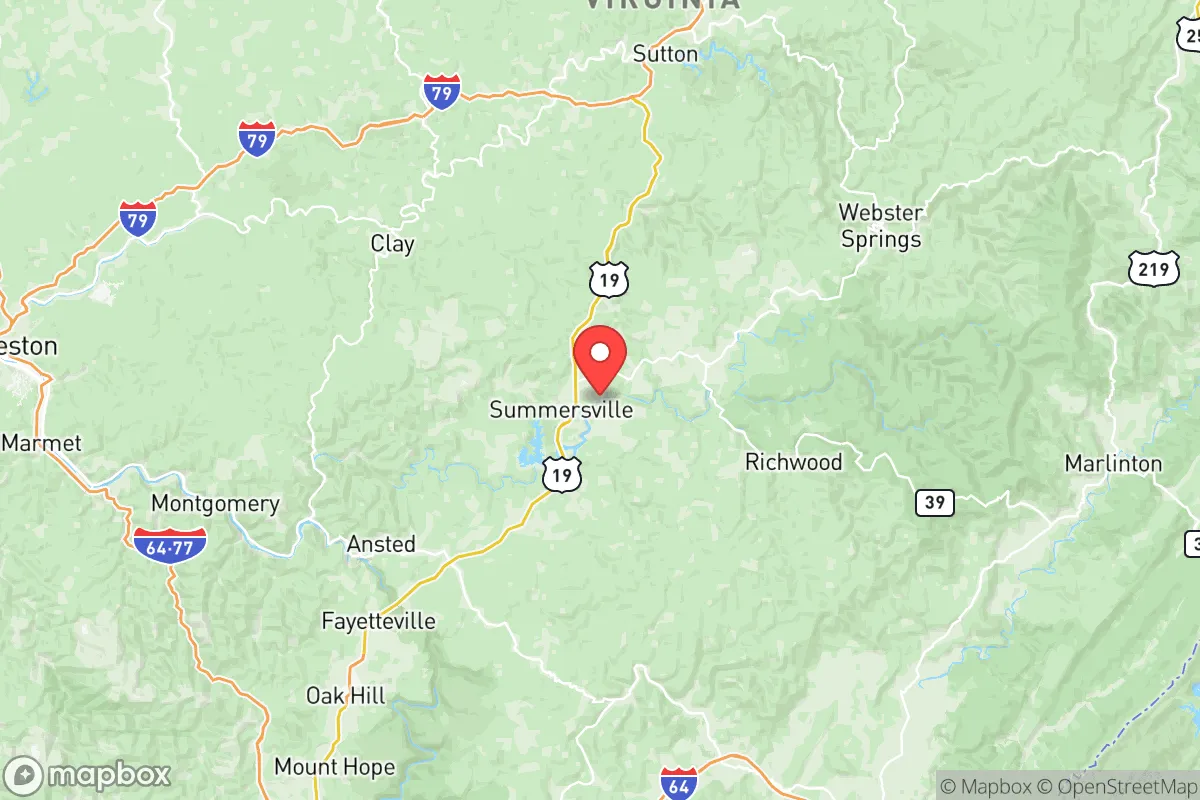
Nicholas County, West Virginia, offers a notably high degree of personal sovereignty, grounded in the state’s broad constitutional protections and a local culture that prizes self-reliance. The county’s rural character, combined with West Virginia’s consistently low-tax and light-regulation posture, creates an environment where individuals and families can exercise significant control over their daily lives. For a relocation-minded reader seeking to minimize government friction, Nicholas County presents a compelling option, particularly when compared to more heavily governed areas in the Mid-Atlantic or Northeast.
Tax burden and regulatory posture: how West Virginia’s framework shapes local freedom
West Virginia’s state-level policies form the backbone of Nicholas County’s autonomy-friendly climate. The state has no personal property tax on vehicles or business inventory, and its property tax rates are among the lowest in the nation, with Nicholas County’s effective rate hovering around 0.55% of assessed value. The state income tax is a flat 4.12% as of 2026, down from a progressive structure in prior years, and there is no inheritance or estate tax. For a family earning $75,000 annually, the combined state and local tax burden is roughly 8-9% of income, well below the national average. Regulatory posture at the county level is similarly light: Nicholas County does not impose its own building codes beyond basic state safety standards, and zoning is minimal outside the incorporated towns of Summersville and Richwood. In unincorporated areas, property owners face few restrictions on land use, allowing for workshops, home businesses, or livestock without the permitting hurdles common in suburban counties. The county’s business climate is also favorable, with no local business license fees for most sole proprietorships and a streamlined process for home-based enterprises.
Self-defense and gun law specifics: constitutional carry and castle doctrine in practice
West Virginia is a constitutional carry state, meaning no permit is required to carry a concealed firearm for anyone legally allowed to possess one. Nicholas County fully aligns with this framework, and local law enforcement is generally supportive of gun rights. The state’s castle doctrine is broad, granting a legal presumption of reasonable fear of death or great bodily harm when using deadly force against an unlawful intruder in one’s home, vehicle, or workplace. There is no duty to retreat in any place where a person is lawfully present. For residents of Craigsville or Birch River, this means self-defense decisions are largely left to individual judgment, with strong legal backing. The county has no local ordinances restricting firearm possession or storage, and open carry is common in rural areas. Gun ranges are accessible, with the Summersville Wildlife Management Area offering a public shooting range. For those moving from states with restrictive gun laws, the transition to Nicholas County’s legal environment is straightforward: no waiting periods, no firearm registration, and no magazine capacity limits.
Self-reliance and homesteading viability: lot sizes, zoning, and off-grid feasibility
Nicholas County is a strong candidate for homesteading and off-grid living, thanks to its abundant land and permissive regulations. Minimum lot sizes in unincorporated areas are typically one acre, but many parcels available for purchase range from 5 to 50 acres, particularly around Mount Lookout and Swiss. Zoning is virtually nonexistent outside Summersville and Richwood, meaning residents can build a home, install solar panels, dig a well, and set up a septic system without county-level land-use approvals. West Virginia’s state code explicitly allows rainwater collection and graywater reuse, and there are no state-level restrictions on composting toilets or alternative energy systems. The county’s agricultural extension office provides guidance on soil testing and livestock management, but does not mandate specific practices. For those seeking full off-grid independence, the Gauley River area offers parcels with creek access and forest cover, ideal for timber and water self-sufficiency. Internet connectivity is improving, with fixed wireless and satellite options available, but fiber is limited to Summersville and a few surrounding communities. The county’s low population density—roughly 25 people per square mile—means neighbors are often far enough apart to ensure privacy, yet close enough for mutual aid in emergencies.
Personal liberties: parental rights, medical autonomy, speech, and property
West Virginia law provides strong protections for parental rights, including the right to direct a child’s education, medical care, and religious upbringing. Homeschooling is straightforward: parents must file a notice of intent with the county superintendent and provide an annual assessment, but there are no curriculum mandates or standardized testing requirements. Nicholas County has a active homeschooling community, with support groups in Summersville and Richwood. Medical autonomy is similarly broad: the state does not mandate COVID-19 or childhood vaccinations for adults, and there are no county-level health orders restricting medical choices. In 2024, West Virginia passed a law prohibiting discrimination against medical professionals who decline to participate in procedures based on conscience, further protecting individual choice. Free speech is protected under the state constitution, and Nicholas County has no local ordinances restricting signage, political expression, or public assembly. Property rights are robust, with the state’s “right to farm” law shielding agricultural operations from nuisance lawsuits, and no county-level rent control or landlord licensing. For residents of Fenwick or Nallen, this means the freedom to use their land as they see fit, within broad state environmental guidelines.
Overall, Nicholas County ranks among the more sovereignty-friendly areas in the Appalachian region, offering a combination of low taxes, minimal regulation, strong self-defense laws, and a culture of self-reliance that appeals to those prioritizing personal freedom. While it does not match the extreme libertarian posture of some western states like Alaska or New Hampshire, it provides a practical, middle-ground autonomy that is rare east of the Mississippi. For families and individuals seeking to escape the regulatory density of coastal states, Nicholas County represents a viable, concrete option where personal sovereignty is not just a legal abstraction but a lived reality.

* Values derived from national, state, county, city and local statistics and may differ in a specific area. Last updated: 2026-07-03T04:54:02.000Z
Narrative content on this page is AI-generated and may contain mistakes. Verify any details that matter before acting on them.
ReloMaps may earn a commission from affiliate links at no extra cost to you.

