Photo: Wikipedia
Find The Best Places To Live in Kanawha County
PRO TIP! You can paste a Zillow or Redfin link to get info on that property.
Best Places to Live in Kanawha County
Cities & Towns in Kanawha County
Cities in Kanawha County
What It's Like Living in Kanawha County, WV
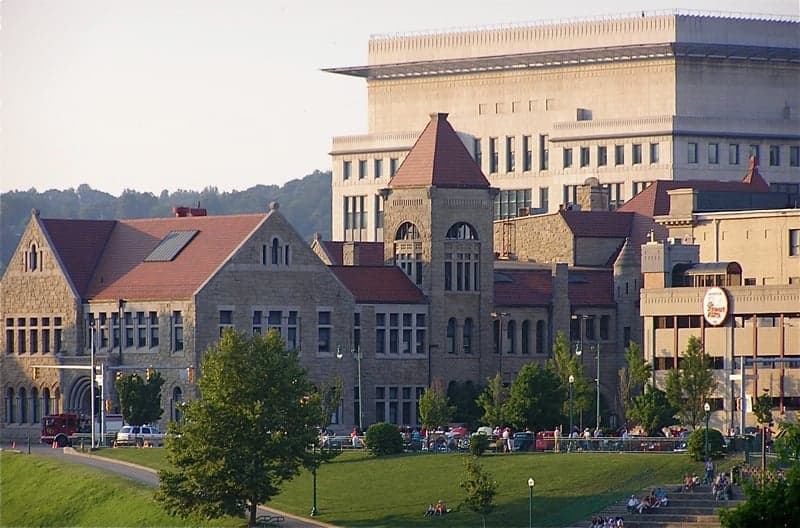
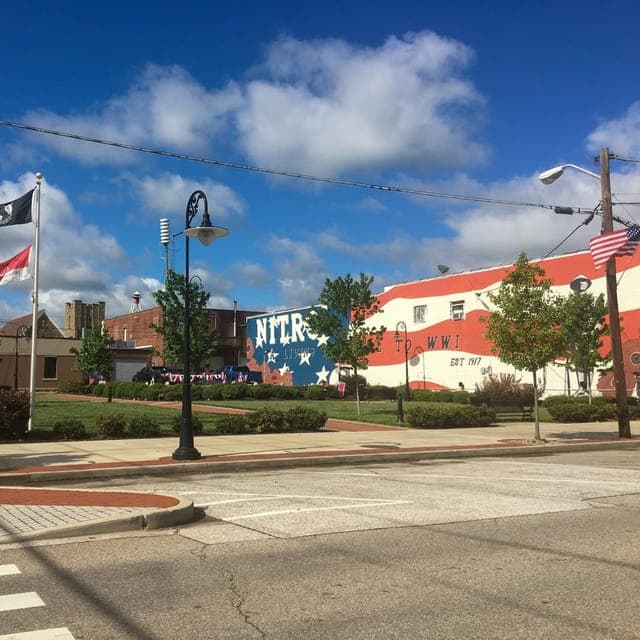
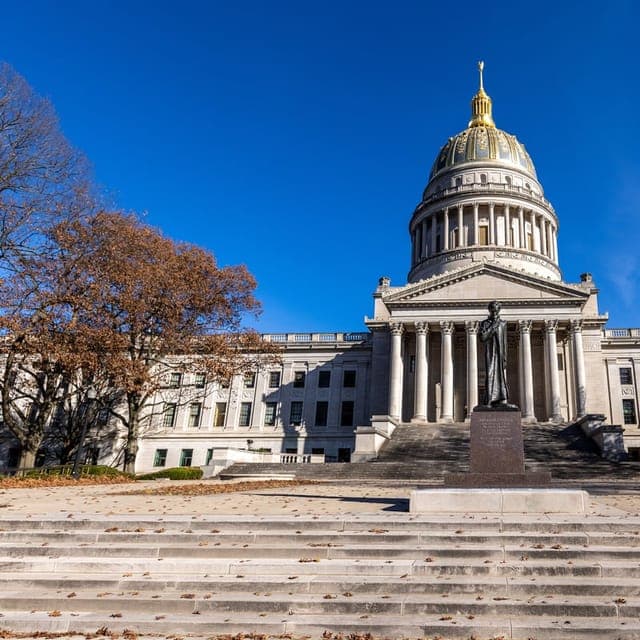
Living in Kanawha County means being part of West Virginia’s political and economic hub, where the state capitol in Charleston anchors a region that feels both small-town and surprisingly urban. It’s a place where you can grab coffee in South Hills, hike a trail in Kanawha State Forest by mid-morning, and catch a high school football game in Nitro that evening. The county’s identity is shaped by its history in coal and chemical manufacturing, but today it’s a mix of government workers, healthcare professionals, and folks who simply value a slower, more affordable pace of life.
Daily Rhythm: Where People Work, Shop, and Unwind
For most residents, the workday revolves around Charleston’s downtown government offices, the sprawling CAMC Health System, or the chemical plants along the Kanawha River in towns like South Charleston and Belle. The average commute clocks in at just over 22 minutes, which means you’re rarely stuck in traffic—a stark contrast to the congestion of larger metros. After work, you’ll find families at the Southridge Centre shopping area in Cross Lanes, hitting Target or grabbing dinner at a local chain like Tudor’s Biscuit World. Weekends often mean a trip to the Capitol Market in Charleston for fresh produce and local meats, or a drive out to Coonskin Park for a walk along the river. The seasonal rhythm is strong: fall brings high school football and leaf-peeping in the hills, while summer means floating the Elk River or catching a Charleston Dirty Birds minor league baseball game at GoMart Ballpark.
Sports, Community, and the Local Identity
High school sports are a genuine cultural touchstone here. Friday nights in the fall see crowds packing stadiums in Nitro, St. Albans, and Hurricane—the latter two are part of a fierce rivalry that’s been going for decades. Basketball is also huge, with the state tournament in Charleston drawing fans from across West Virginia. For college sports, West Virginia University in Morgantown is a three-hour drive, but many locals are passionate Mountaineers fans nonetheless. The Charleston Area Alliance and local churches anchor community life, with events like the Multifest festival celebrating the region’s diverse heritage. A notable quirk: the West Virginia State Museum in the Culture Center is a free, surprisingly excellent deep dive into the state’s history, and it’s a common field trip destination for local schools.
What’s There to Do: Outdoors, Eats, and Entertainment
The outdoor access is a major selling point. Kanawha State Forest offers over 25 miles of hiking and mountain biking trails, plus a swimming pool in the summer. The Elk River near Clendenin is a popular spot for kayaking and fishing. For dining, locals swear by Dem 2 Brothers and a Grill in Charleston for barbecue, and Pies & Pints in the city’s East End for craft pizza and beer. The Clay Center downtown hosts concerts, Broadway tours, and a hands-on science museum that’s a hit with families. Entertainment options are more limited than a major city, but the Charleston Coliseum & Convention Center brings in national acts and monster truck rallies. A cultural quirk: the West Virginia Power (now the Dirty Birds) have a loyal following, and the ballpark’s cheap tickets make for an easy summer evening.
Pros and Cons of Living Here
What locals love: The cost of living is genuinely low—a median home value of $135,000 means a family can buy a three-bedroom house in Dunbar or Marmet for under $150,000. The cost of living index sits at 65, well below the national average, so your paycheck goes further. The sense of community is real; neighbors know each other, and there’s a strong “West Virginia strong” mentality during tough times. The outdoor recreation is excellent and uncrowded.
What frustrates residents: The job market is limited outside of healthcare and government, with a median household income of $58,887. The violent crime rate of 227.7 per 100,000 is higher than the national average, and while it’s concentrated in certain parts of Charleston, it’s a concern for families. The opioid crisis has left scars, and you’ll see its effects in some neighborhoods. The weather is another factor—winters are gray and damp, with about 40 inches of snow in the higher elevations, and summers can be humid. The median age of 43.7 reflects an aging population, and many younger residents move away for more opportunities. Only 29.3% of adults hold a bachelor’s degree, which shapes the local economy and social scene.
Overall, Kanawha County works best for people who value affordability, community, and outdoor access over career mobility or urban nightlife. It’s a place where you can own a home, raise a family, and know your neighbors—but you’ll need to be comfortable with a slower pace and a few rough edges.

* Values derived from national, state, county, city and local statistics and may differ in a specific area. Last updated: 2026-07-02T21:58:06.000Z
Narrative content on this page is AI-generated and may contain mistakes. Verify any details that matter before acting on them.
ReloMaps may earn a commission from affiliate links at no extra cost to you.

