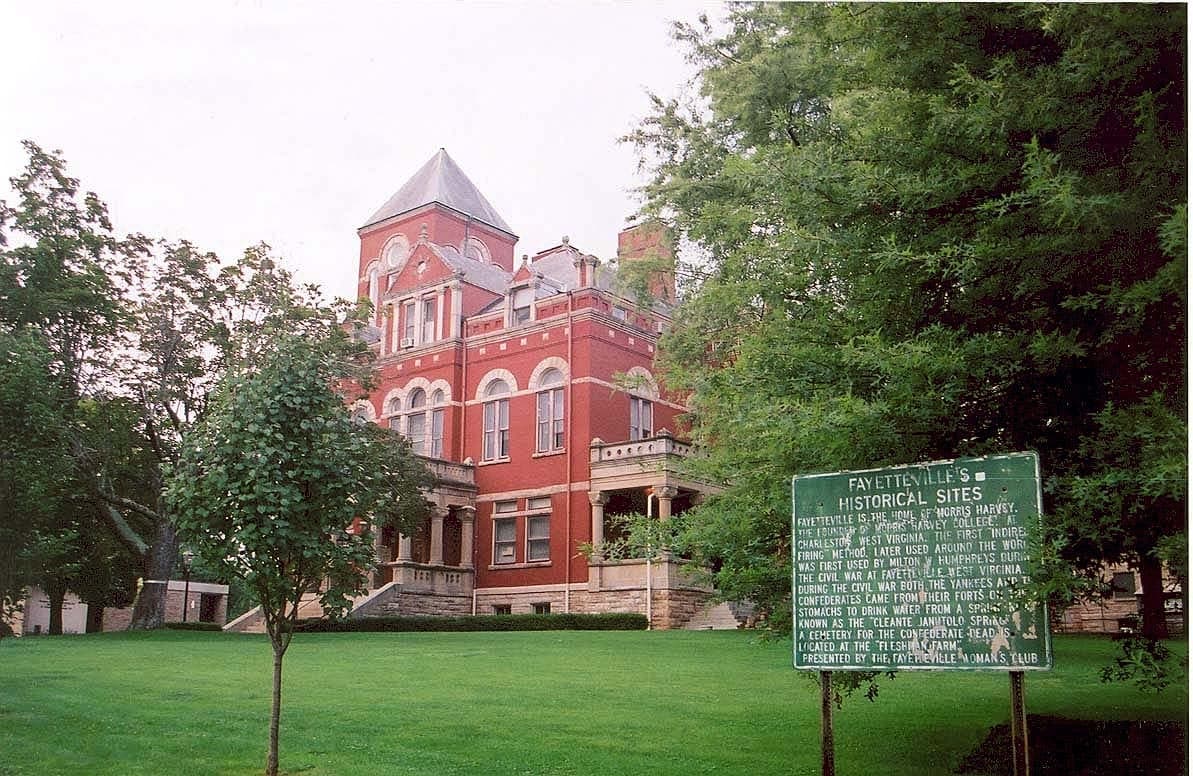
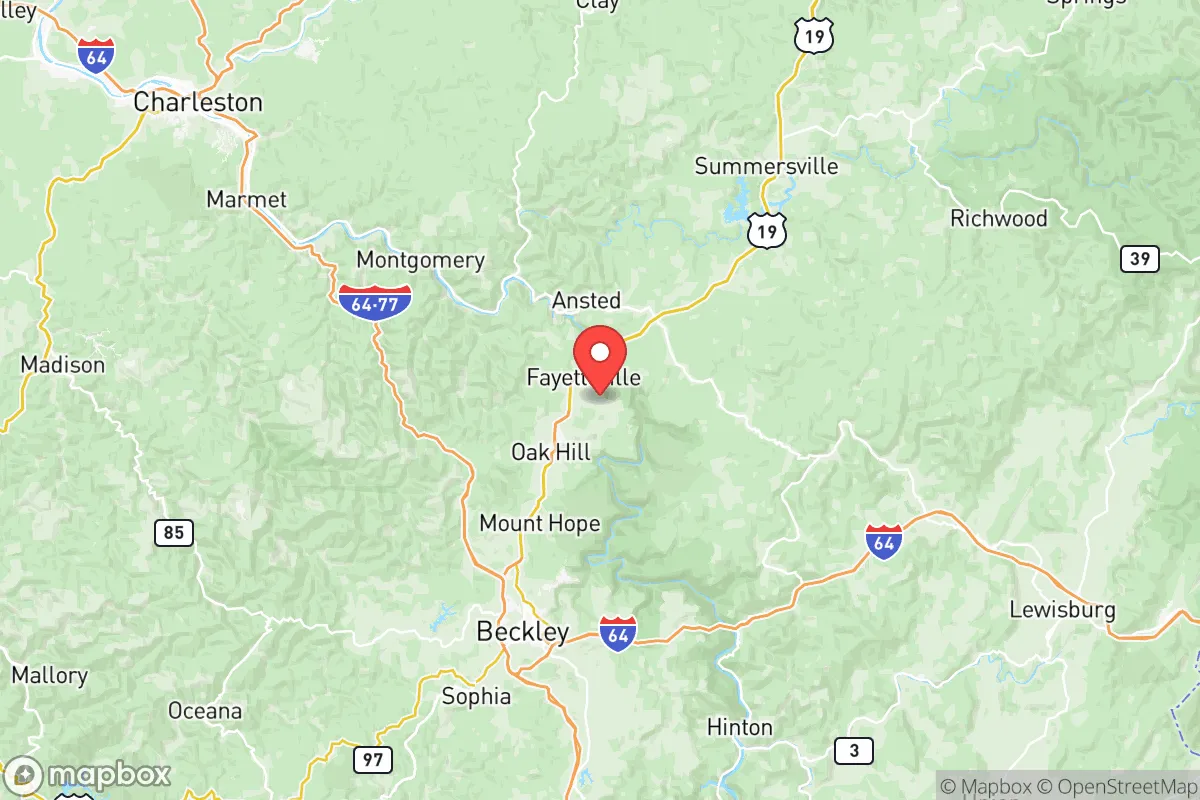
Photo: Wikipedia
Quality of Life in Fayette County
A livable area that tracks near national norms for affordability, walkability, and neighborhood health.
What does Quality of Life tell us?
Quality of Life measures an area by evaluating factors like cost of living, nearby amenities, country club access, airport proximity, socioeconomic signals and neighborhood character. For large states, this is a general average — quality of life can vary dramatically between metro areas, suburbs, and rural communities within the same state.
What does this tell us?
Quality of Life measures an area by evaluating factors like cost of living, nearby amenities, country club access, airport proximity, socioeconomic signals and neighborhood character. For large states, this is a general average — quality of life can vary dramatically between metro areas, suburbs, and rural communities within the same state.
Cost of Living
45% below national average
171%
The Real Cost of Living in Fayette County for 2026
| Tier | Individual | Family (4) |
|---|---|---|
| Survival | $12k | $23k |
| Comfortable | $21k | $31k |
| Luxury | $83k+ | $129k+ |
| Elite (Top 5%) | $98k+ | $151k+ |
Quality-of-Life Analysis
Fayette County, West Virginia, offers a spectrum of living environments that range from the historic, walkable river town of Fayetteville to deeply rural hollows and unincorporated communities scattered across the New River Gorge region. The county’s character is defined by its dramatic topography and outdoor recreation economy, drawing a mix of whitewater rafting guides, remote workers, retirees seeking low costs, and families tied to the remaining coal and healthcare sectors. The quality of life shifts noticeably between the county’s population centers and its more isolated pockets, with the cost of living remaining uniformly low across the board.
Largest town(s) & population centers
Fayetteville is the county’s undisputed hub and the most amenity-rich community, with a population of roughly 2,900. Daily life here centers around Court Street, where locally owned restaurants, coffee shops, breweries, and outfitters cater to both tourists and residents. The town is the gateway to the New River Gorge National Park and Preserve, and its walkable core and historic architecture attract a growing number of remote workers and creative professionals. Oak Hill, with about 8,000 residents, is the largest municipality and the county’s commercial anchor, hosting big-box retail, the Fayette County School Board, and the region’s primary medical facilities. Life in Oak Hill is more suburban and car-dependent, with a working-class feel and a higher concentration of fast-food chains and strip malls. Montgomery, straddling the Kanawha River on the county’s northern edge, is a smaller former coal town that houses West Virginia University Institute of Technology (WVU Tech), giving it a distinct college-town atmosphere and a modest rental market driven by student housing.
Smaller towns & rural pockets
Beyond the main towns, Fayette County contains a string of unincorporated communities and small villages that offer a quieter, more isolated lifestyle. Ansted, perched on a ridge above the gorge, is a historic mining town with a population under 1,400, known for its views and proximity to Hawks Nest State Park. Gauley Bridge, at the confluence of the New and Gauley Rivers, is a tiny river community popular with fishermen and seasonal raft guides. Further south, Thurmond is a near-ghost town within the national park, with only a handful of year-round residents and no commercial services — a true outlier for those seeking absolute seclusion. Scarbro, Kincaid, and Page are unincorporated coal-camp remnants where housing stock is older and often very inexpensive, but grocery stores and healthcare are a 20- to 30-minute drive away. These rural pockets offer deep quiet and low land prices, but come with limited internet access in some hollows and minimal public services.
Cost & lifestyle range
The county-wide cost of living index of 55 (well below the U.S. average of 100) masks meaningful variation in housing quality and monthly expenses. At the low end, a fixer-upper home in Scarbro or Page can sell for under $50,000, and median rent countywide is just $777 — among the lowest in West Virginia. The median home value of $104,200 reflects this affordability, though well-renovated properties in Fayetteville’s historic district can command $250,000 to $400,000. At the high end, newer construction on the outskirts of Oak Hill and custom homes with gorge views near Fayetteville represent the county’s most expensive real estate, though still cheap by national standards. Utility costs, particularly heating in winter, can be higher in older rural homes with electric baseboard or propane heat. The average commute of 29.9 minutes is slightly above the national average, driven by residents who live in rural pockets and drive to Oak Hill, Beckley (Raleigh County), or Charleston (Kanawha County) for work. Amenities thin out quickly outside Fayetteville and Oak Hill; residents in Ansted or Gauley Bridge rely on those towns for groceries, dining, and medical care.
The people who thrive in Fayette County are typically those who prioritize outdoor access, low housing costs, and a slower pace over urban conveniences and career density. Remote workers and retirees with reliable vehicles do well in Fayetteville’s walkable core, while families and tradespeople find the most practical daily life in Oak Hill’s suburban-style layout. Those drawn to the county’s rural pockets — Thurmond, Scarbro, Page — tend to be self-sufficient, comfortable with long drives, and seeking maximum privacy and minimal neighbors. The county’s mix of a national park gateway town, a working-class commercial center, and deeply rural hollows means there is a distinct niche for nearly every budget and lifestyle preference, as long as the trade-offs in distance and services are accepted.

Crime in Fayette County
Generally safer than 68% of comparable U.S. locations.
Violent CrimeViolent Crime Analysis
Property CrimeProperty Crime Analysis
Crime Analysis
Fayette County, West Virginia, presents a mixed safety profile for potential residents, with crime rates that are notably lower than national averages but slightly elevated compared to the rest of the state. The county's violent crime rate of 227.7 incidents per 100,000 residents sits well below the U.S. average of roughly 380 per 100,000, while its property crime rate of 941 per 100,000 is also significantly lower than the national figure of approximately 1,950 per 100,000. However, these countywide numbers mask important variation between the small towns and unincorporated communities that make up this rural Appalachian region.
Crime in context
When compared to West Virginia as a whole, Fayette County's violent crime rate is slightly above the state average of roughly 210 per 100,000, placing it in the middle tier of counties for safety. The property crime rate of 941 per 100,000 is actually below the state average of about 1,100 per 100,000, suggesting that theft and burglary are less pressing concerns here than in many other parts of West Virginia. The county's largest municipality, Oak Hill, and the county seat of Fayetteville tend to see the highest concentration of reported incidents, largely due to their roles as commercial and tourism hubs. The New River Gorge National Park and Preserve draws over a million visitors annually, which creates seasonal fluctuations in both petty crime and law enforcement presence. The judicial system in Fayette County operates under a traditional, conservative framework, with elected prosecutors and judges who generally take a firm stance on violent offenses. This is a positive factor for residents concerned about public safety, as the local courts do not reflect the progressive, offender-focused policies seen in some larger metropolitan areas that can lead to higher recidivism and more criminals returning to the streets.
What residents experience
For those living in Fayette County, the most common safety concerns revolve around property crimes such as vehicle break-ins, theft from outbuildings, and occasional residential burglaries in more isolated areas. Drug-related offenses, particularly those tied to the opioid epidemic that has heavily impacted southern West Virginia, remain a persistent issue. Towns like Montgomery (which straddles the Fayette-Kanawha county line) and Ansted have historically reported higher rates of drug-related arrests and associated property crime. In contrast, the more affluent and tourism-oriented community of Fayetteville benefits from a stronger tax base and more visible police patrols, resulting in lower overall crime rates despite its popularity with visitors. The county sheriff's department and local police forces maintain a visible presence, and community watch programs are active in several neighborhoods. Residents in the smaller, more rural hamlets such as Gauley Bridge or Thurmond often report feeling very safe, though they also face longer emergency response times due to the mountainous terrain and sparse population.
Neighborhood-level variation
Safety in Fayette County varies considerably by location, and prospective residents should research specific neighborhoods rather than relying solely on countywide statistics. The area around the New River Gorge bridge and the popular climbing and rafting destinations near Fayetteville is generally well-policed and safe for both residents and tourists. However, some of the older coal-mining communities like Mount Hope and Scarbro have experienced economic decline and population loss, which can correlate with higher rates of vacant properties and associated crime. The unincorporated areas along Route 19, the main commercial corridor, see more transient-related incidents and traffic offenses. For families and retirees seeking the safest environments, the residential neighborhoods on the outskirts of Fayetteville and the newer developments near Oak Hill's commercial district offer the best balance of accessibility and security. Overall, Fayette County provides a relatively safe living environment compared to national norms, particularly for those who choose their specific community carefully and remain aware of the region's ongoing challenges with substance abuse and economic transition.
* Values derived from national, state, county, city and local statistics and may differ in a specific area. Last updated: 2026-06-15T16:20:23.000Z
Narrative content on this page is AI-generated and may contain mistakes. Verify any details that matter before acting on them.
ReloMaps may earn a commission from affiliate links at no extra cost to you.

