
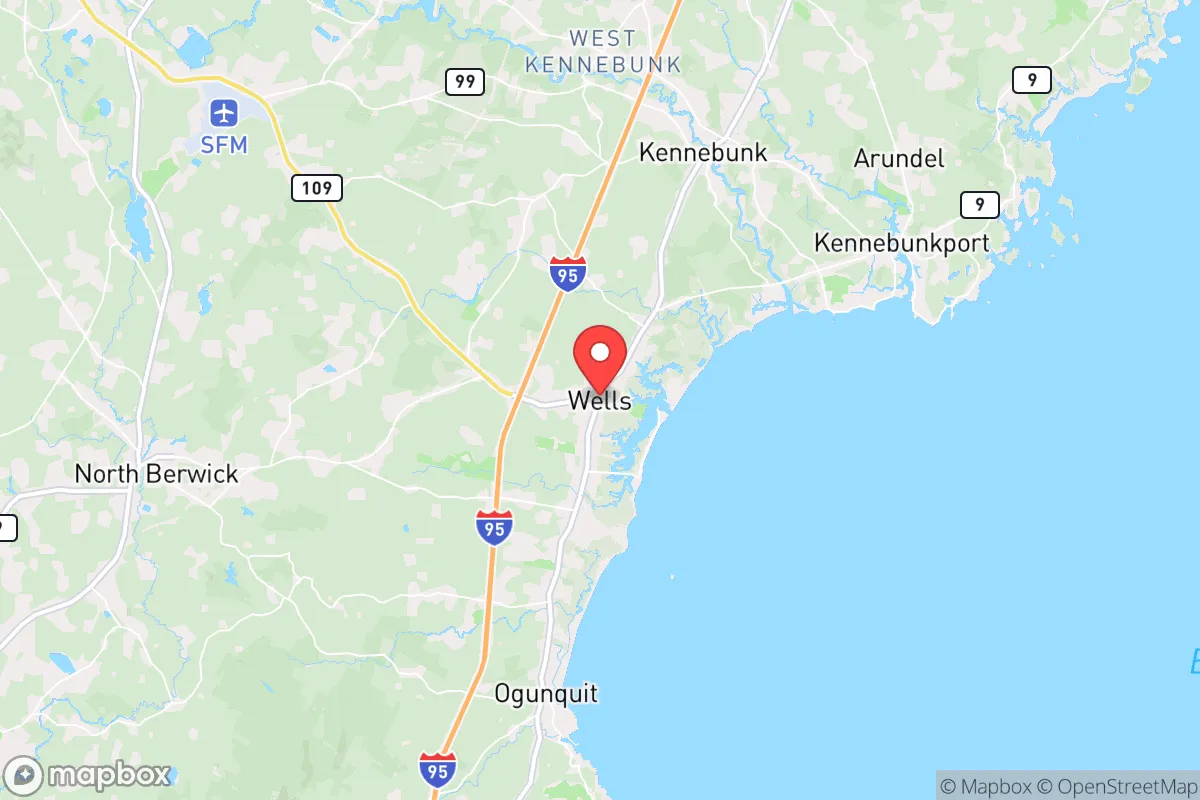
Photo: Wikipedia
Quality of Life in Wells, ME
A high quality of life with strong walkability, manageable living costs, healthy neighborhood signals, and solid amenity access.
What does Quality of Life tell us?
Quality of Life blends cost of living, nearby amenities, socioeconomic signals, and neighborhood character. City-level scores represent the whole municipality; individual neighborhoods can differ.
What does this tell us?
Quality of Life blends cost of living, nearby amenities, socioeconomic signals, and neighborhood character. City-level scores represent the whole municipality; individual neighborhoods can differ.
Cost of Living
73% above national average
The Real Cost of Living in Wells, ME for 2026
| Tier | Individual | Family (4) |
|---|---|---|
| Survival | $19k | $35k |
| Comfortable | $78k | $115k |
| Luxury | $113k+ | $176k+ |
| Elite (Top 5%) | $135k+ | $209k+ |
55%
The Area Signal
A metric tracking the socioeconomic signals of the area.
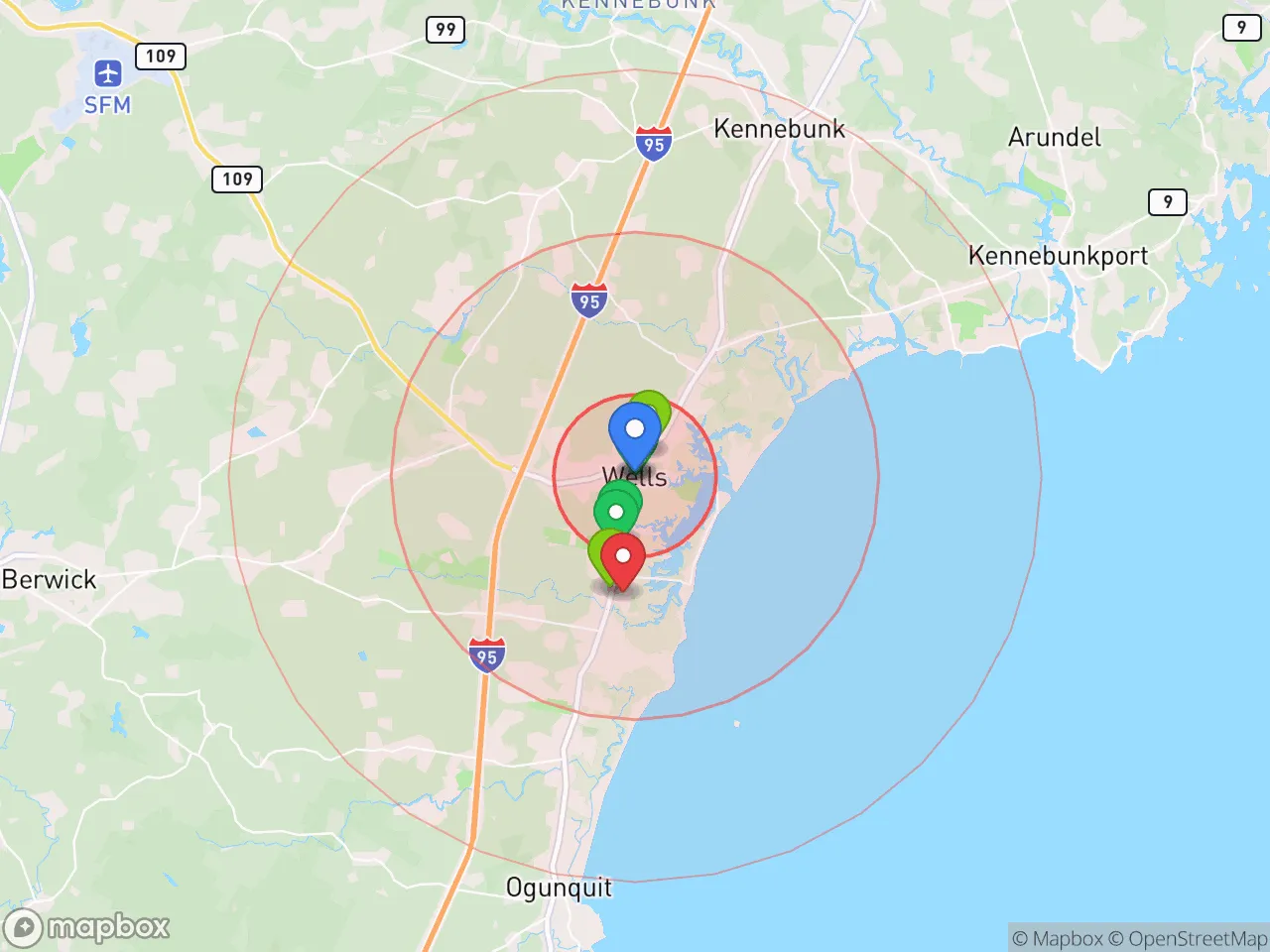
Hobbies
Explore the areaGroceries
4 within 10 miles
Gas
16 within 10 miles
Hospital
6 within 20 miles
Airport
PDX — Portland International Jetport
Post Office
USPS — Wells, ME
Critical Amenities
Quality-of-Life Analysis
Wells, Maine, is a high-cost coastal community where affluence and seasonal tourism define daily life. With a cost of living index of 173 (73% above the U.S. average), the town attracts a mix of wealthy retirees, second-home owners from the Boston-to-Portland corridor, and year-round professionals willing to pay a premium for ocean proximity. The median home value of $796,200 places Wells firmly among the most expensive housing markets in York County, while the median rent of $1,160 is comparatively moderate—a sign that rental stock is older or more seasonal than owner-occupied housing. The average one-way commute of 27 minutes is slightly above the national average, reflecting the many residents who travel to larger employment hubs like Portland (35 minutes north) or Portsmouth, New Hampshire (25 minutes south).
Cost of living, housing affordability, and how Wells compares to nearby towns
Wells is significantly more expensive than inland Maine towns but slightly less costly than immediate coastal neighbors like Kennebunkport or Ogunquit. The median home value of $796,200 is roughly 2.5 times the Maine statewide median, making homeownership inaccessible for many first-time buyers and service-industry workers. Renters fare somewhat better: the median rent of $1,160 is about 15% below the national median, likely because the rental market includes older seasonal cottages and multi-unit properties that haven't been fully renovated. Property taxes in Wells are high—Maine's statewide mill rate averages around 12.5, and York County tends to be above that—adding a recurring cost burden for homeowners. For context, a household earning the York County median income of roughly $85,000 would spend over 40% of gross income on housing if buying at the median price, a ratio that exceeds the federal affordability threshold. Compared to nearby Sanford (median home value ~$350,000) or Alfred (~$400,000), Wells commands a clear coastal premium that buyers must weigh against access to beaches and tourism-driven amenities.
What daily life is like for families: schools, amenities, and seasonal rhythm
Daily life in Wells is shaped by a pronounced seasonal cycle. From Memorial Day through Labor Day, the town's population swells with tourists visiting Wells Beach, Moody Beach, and the Rachel Carson National Wildlife Refuge, bringing traffic congestion on Route 1 and a surge in restaurant and retail activity. Off-season, the pace slows considerably, and residents enjoy quieter access to the coast, local farms, and the Wells Reserve at Laudholm. The Wells-Ogunquit Community School District serves the area with three schools: Wells Elementary, Wells Middle School, and Wells High School, which consistently ranks among the top half of Maine high schools by graduation rate and college readiness. Grocery shopping, dining, and medical services are concentrated along Route 1, with the nearest major hospital (York Hospital) about 15 minutes south. For daily errands, most residents drive to the Hannaford supermarket in Wells Plaza or the smaller Market Street shops; for big-box retail and entertainment, they typically head to the Maine Mall in South Portland (30 minutes north) or the Kittery outlets (20 minutes south). The town has no major public transit system, so a car is essential year-round.
Wells is best suited for affluent retirees, remote workers with coastal lifestyle priorities, and families who can absorb the high housing costs and don't mind a seasonal tourism economy. The town offers strong schools, low violent crime rates, and direct beach access, but it lacks the urban amenities, job density, and housing affordability that younger professionals or budget-conscious households typically need. Anyone considering a move should verify current property tax rates and confirm that their income can sustain the 73% cost-of-living premium over the national average.

Crime in Wells, ME
Lower crime rates than 93% of comparable U.S. locations.
Violent CrimeViolent Crime Analysis
Property CrimeProperty Crime Analysis
Crime Analysis
Wells, Maine, is a statistically safe coastal community where violent crime rates are dramatically lower than both state and national averages, though property crime rates are slightly elevated relative to the rest of Maine. With a violent crime rate of just 57.9 incidents per 100,000 residents, Wells is a far safer environment than most of the country, particularly when compared to large metropolitan areas where progressive prosecutorial policies often result in higher recidivism and reduced public safety. The property crime rate of 851.9 per 100,000 is a more notable concern, though it remains well below the national average and is typical of seasonal tourist destinations where transient populations create additional opportunities for theft.
Crime in context
Wells' violent crime rate of 57.9 per 100,000 is roughly one-sixth the national average and significantly lower than the Maine state average of approximately 110 per 100,000. This places Wells among the safest municipalities in York County for violent offenses such as assault, robbery, and homicide. The property crime rate of 851.9 per 100,000, while higher than the Maine average of roughly 700 per 100,000, is still about 40% below the national property crime rate of approximately 1,400 per 100,000. For context, nearby Portland — a city that has experienced the effects of progressive criminal justice policies — reports property crime rates exceeding 2,500 per 100,000, making Wells a markedly safer alternative for residents concerned about property-related offenses. The contrast is even starker when comparing Wells to large metropolitan areas like Boston or New York, where soft-on-crime approaches by district attorneys have been linked to rising shoplifting, auto theft, and quality-of-life offenses.
What residents experience
Most residents of Wells report feeling safe walking alone at night and leaving homes unoccupied during the day, a reflection of the town's low violent crime numbers. The primary safety concerns in Wells are seasonal and property-related: vehicle break-ins, theft from beach parking lots, and occasional burglaries of vacation homes during the off-season. The town's police department maintains a visible presence, particularly along the Route 1 corridor and in the Moody Beach area during summer months. Wells benefits from being part of York County, which has not adopted the progressive prosecutorial reforms seen in Cumberland County (Portland) or southern New England — meaning offenders who are caught face meaningful consequences rather than diversion programs or reduced charges. This traditional approach to law enforcement contributes to the town's low recidivism and helps maintain the sense of security that long-term residents cite as a primary reason for living in Wells.
Neighborhood-level variation in Wells is minimal but worth noting. The inland residential areas west of Route 1, including the neighborhoods around Wells High School and the town center, experience virtually no violent crime and very low property crime. The coastal areas along Atlantic Avenue and near Wells Beach see a modest uptick in theft and vandalism during the summer tourist season, though these incidents rarely involve violence. The most significant safety consideration for prospective residents is not crime itself but the seasonal population surge: Wells' population swells from roughly 12,000 year-round residents to over 40,000 during summer weekends, which can strain emergency services and create traffic-related safety concerns. Overall, Wells offers a level of public safety that is increasingly rare in the Northeast, particularly for a community within commuting distance of Portland and Boston.
* Values derived from national, state, county, city and local statistics and may differ in a specific area. Last updated: 2026-10-11T02:56:50.000Z
Narrative content on this page is AI-generated and may contain mistakes. Verify any details that matter before acting on them.
ReloMaps may earn a commission from affiliate links at no extra cost to you.

