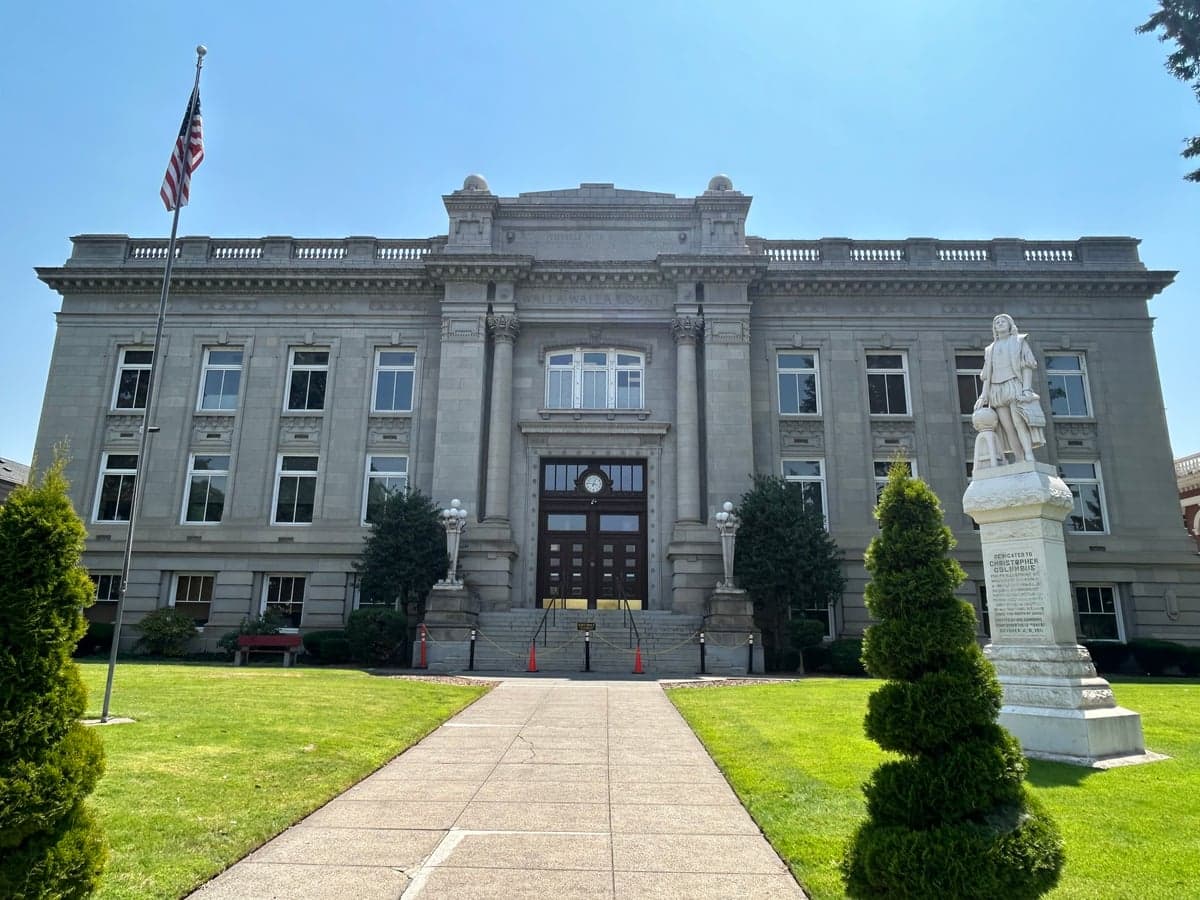
Photo: Wikipedia
Find The Best Places To Live in Walla Walla County
PRO TIP! You can paste a Zillow or Redfin link to get info on that property.
Best Places to Live in Walla Walla County
Cities & Towns in Walla Walla County
Cities in Walla Walla County
What It's Like Living in Walla Walla County, WA
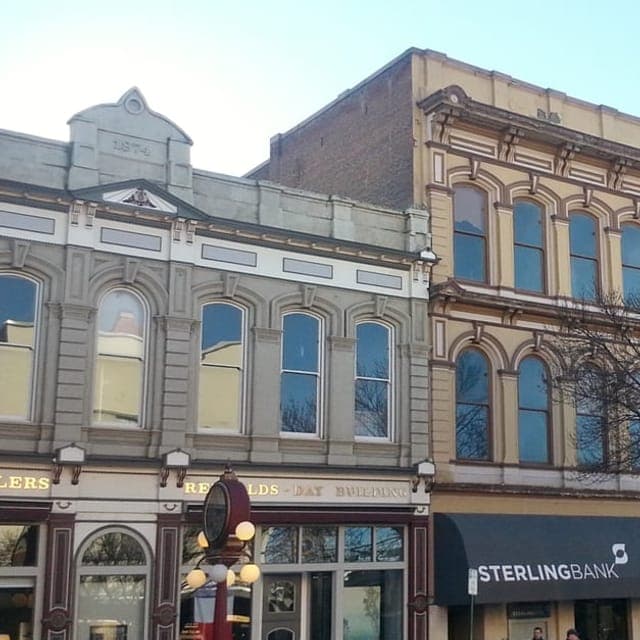
Walla Walla County is a place where the rhythms of agriculture and small-town life set the pace, offering a blend of quiet rural living and modest city amenities that appeals to families and individuals looking for a slower, more grounded existence. The county seat, Walla Walla, is the anchor, but the surrounding towns of College Place, Prescott, and Waitsburg each bring their own flavor to the region. It’s a place where you’re likely to run into someone you know at the grocery store, where high school football games are community events, and where the biggest decision on a Friday night might be which local winery to visit.
Daily Rhythm: Work, Commute, and Weekend Life
For most residents, daily life revolves around a handful of major employers. Healthcare is a dominant force, with Providence St. Mary Medical Center in Walla Walla and the Jonathan M. Wainwright Memorial VA Medical Center providing stable jobs. Agriculture—especially wheat, onions, and wine grapes—drives the rural economy, while Whitman College and Walla Walla University in College Place add an academic layer. The average commute is a remarkably short 14.9 minutes, a figure that underscores how little time people spend in cars compared to the rest of the country. You can live on the outskirts of Waitsburg and still be at a desk in downtown Walla Walla in under 20 minutes.
Weekends often start with a trip to the Walla Walla Farmers Market, a year-round staple where locals stock up on fresh produce, artisan bread, and local honey. Afternoons might be spent hiking the Bennington Lake trails or exploring the Mill Creek Recreation Area, a popular spot for fishing and easy walks. For a quieter evening, residents often head to one of the downtown tasting rooms on Main Street, where the wine scene—home to over 100 wineries in the broader region—is a genuine point of pride. The cost of living index sits at 111, slightly above the national average, but the median home value of $375,600 still feels attainable compared to Seattle or Portland, drawing people who want space without the six-figure mortgage.
Sports, Community, and What Brings People Together
High school sports are a genuine cultural force here. On a crisp autumn Friday night, the stands at Borleske Stadium in Walla Walla are packed for Wa-Hi football games, and the same energy fills gyms across the county for basketball season. In College Place, the DeSales Catholic High School teams draw loyal followings, and the rivalry between Walla Walla High and College Place High is a yearly highlight. For college athletics, Whitman College’s NCAA Division III teams—particularly the basketball and tennis programs—offer a more intimate, community-focused sports experience.
Beyond sports, the county’s calendar is dotted with events that define its identity. The Walla Walla Balloon Stampede in May fills the sky with colorful hot air balloons, drawing visitors from across the state. The Waitsburg Wheat Harvest Festival in August is a classic small-town celebration with a parade, live music, and a sense of community that’s hard to replicate. In Prescott, the pace is even slower, with the annual Prescott Fun Days serving as the social highlight. These aren’t tourist traps; they’re genuine gatherings where neighbors catch up and newcomers are welcomed.
Pros and Cons of Living Here: The Honest Trade-Offs
Longtime residents love the safety and the pace. The violent crime rate of 282.8 per 100,000 is below the national average, and most people feel comfortable leaving doors unlocked in the smaller towns. The sense of community is real—when a family faces hardship, neighbors organize fundraisers and meal trains without hesitation. The wine country scenery, with rolling hills and vineyards stretching to the horizon, is a daily reminder that this is a beautiful place to live.
But the trade-offs are real, too. Job diversity is limited; if you’re not in healthcare, agriculture, or education, opportunities can feel scarce, and the median household income of $72,212 reflects a local economy that doesn’t offer the high salaries of larger metros. Entertainment options are thin—there’s no major concert venue, no pro sports team, and the nearest airport with consistent flights is in Pasco, about 45 minutes away. Winters can be gray and damp, with fog settling in the valley for days at a time, and summers are hot and dry, often pushing past 90°F. For young singles without family ties, the dating pool can feel small, and the social scene skews heavily toward couples and families.
The schools are a mixed bag. Walla Walla Public Schools are well-regarded, with strong community support and active parent groups, but rural districts like Prescott’s face funding challenges and smaller course offerings. For many families, the decision to move here comes down to a simple calculation: you trade career ambition and urban nightlife for space, safety, and a place where your kids can ride bikes to a friend’s house without worry. If that trade sounds right, Walla Walla County might feel like home.

* Values derived from national, state, county, city and local statistics and may differ in a specific area. Last updated: 2026-07-07T17:48:20.000Z
Narrative content on this page is AI-generated and may contain mistakes. Verify any details that matter before acting on them.
ReloMaps may earn a commission from affiliate links at no extra cost to you.

