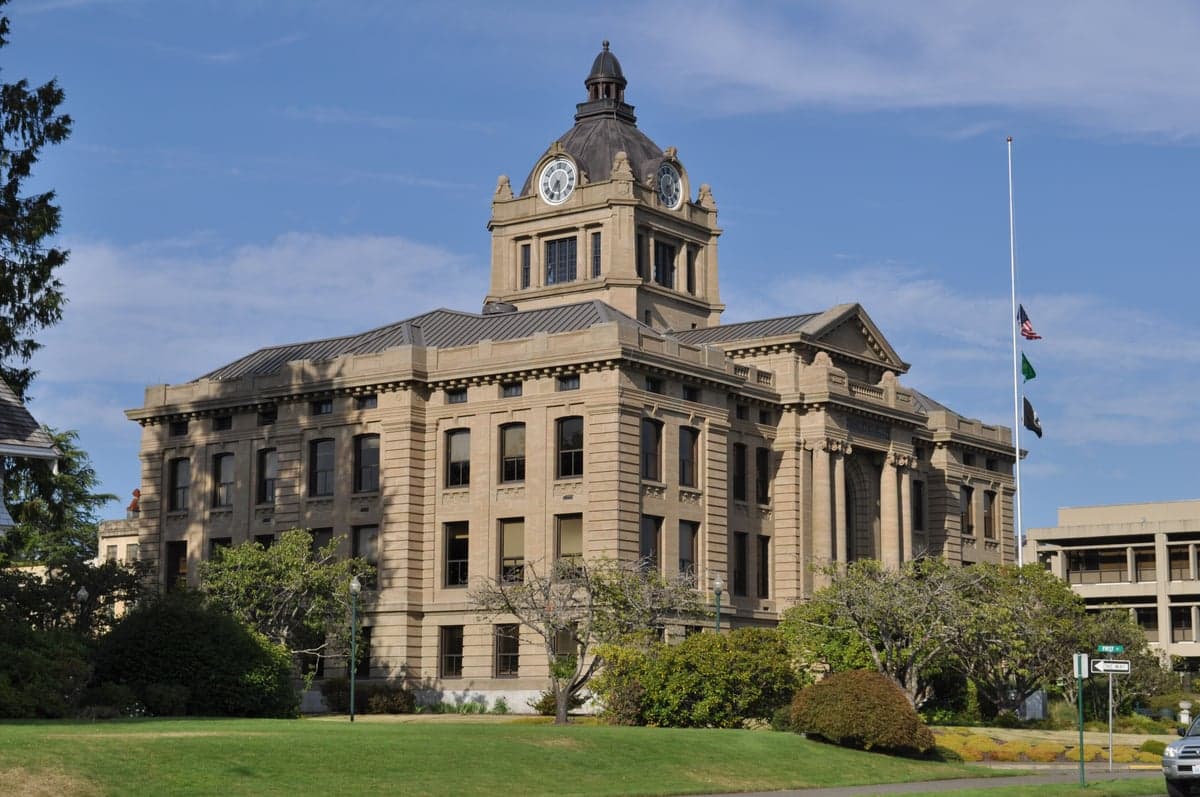
Photo: Wikipedia
Quality of Life in Grays Harbor County
A livable area that tracks near national norms for affordability, walkability, and neighborhood health.
What does Quality of Life tell us?
Quality of Life measures an area by evaluating factors like cost of living, nearby amenities, country club access, airport proximity, socioeconomic signals and neighborhood character. For large states, this is a general average — quality of life can vary dramatically between metro areas, suburbs, and rural communities within the same state.
What does this tell us?
Quality of Life measures an area by evaluating factors like cost of living, nearby amenities, country club access, airport proximity, socioeconomic signals and neighborhood character. For large states, this is a general average — quality of life can vary dramatically between metro areas, suburbs, and rural communities within the same state.
Cost of Living
8% below national average
80%
The Real Cost of Living in Grays Harbor County for 2026
| Tier | Individual | Family (4) |
|---|---|---|
| Survival | $16k | $31k |
| Comfortable | $54k | $80k |
| Luxury | $106k+ | $165k+ |
| Elite (Top 5%) | $125k+ | $194k+ |
Quality-of-Life Analysis
Grays Harbor County offers one of the broadest quality-of-life spectrums on the Washington coast, ranging from the working-class port city of Aberdeen to remote, forested census-designated places like Pacific Beach. The county attracts residents with its dramatically lower cost of living—a composite index of 92 versus the national 100—and its access to both the Pacific Ocean shoreline and the Olympic Mountains. People drawn here typically value affordability, outdoor recreation, and small-town scale, while accepting that urban amenities are limited and seasonal employment fluctuations are common.
Largest town(s) & population centers
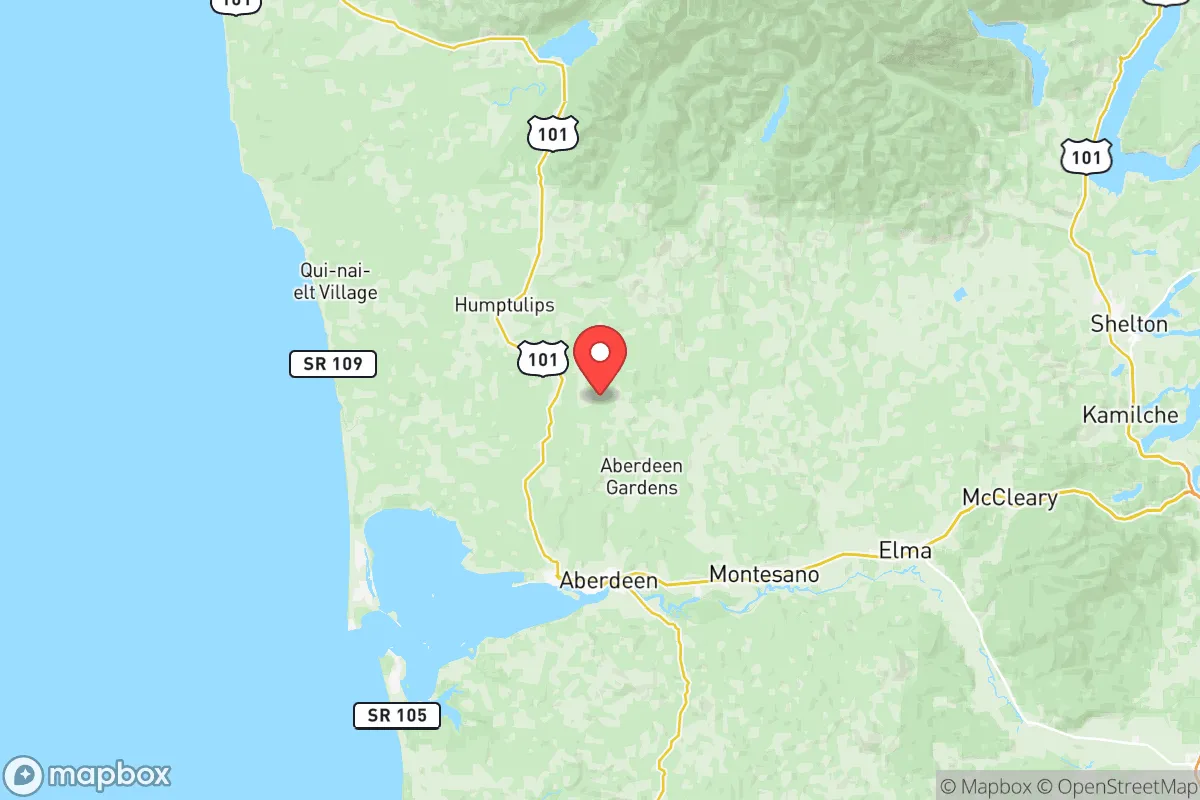
The county’s population anchor is the twin-city zone of Aberdeen and Hoquiam, which together hold roughly 23,000 residents. Aberdeen, the most urbanized area, functions as the commercial hub with a Walmart Supercenter, a Harbor freight, a small cinema, and the Grays Harbor Community Hospital. Life here is pragmatic and blue-collar, with the port and timber-related industries still shaping daily routines. Hoquiam, just across the river, feels quieter and more residential, with a historic downtown of modest brick storefronts and a stronger connection to the bay. Both towns offer walkable neighborhoods near downtown but are car-dependent overall—the average commute across the county is 24.5 minutes, well below the state median and a reflection of how quickly residents can reach work or school. Cosmopolis, a smaller incorporated city directly east of Aberdeen, blends into this corridor and provides slightly newer housing stock, with a median home value near the county’s $279,500 mark.
Smaller towns & rural pockets
Driving north or west from Aberdeen, the character shifts quickly. Westport, a fishing and charter-boat town of about 2,000 people at the tip of the peninsula, is defined by the ocean, the marina, and a seasonal influx of tourists during salmon season. Ocean Shores is the region’s primary vacation-home and retirement destination, with a population that triples in summer; it has a newer stock of single-family homes, a long beach drive, and a handful of strip-mall services. On the quieter eastern side of the county, Elma sits at the junction of Highways 12 and 8, offering a classic small-town main street and serving as a bedroom community for workers commuting to Olympia or Aberdeen. McCleary, a former timber town of about 1,500, remains heavily affordable but has fewer amenities. Further out, rural pockets like Hoquiam’s “Pioneer” area, the Wynoochee Valley, and unincorporated communities such as Satsop or Brady offer land, privacy, and very low property costs—but with gravel roads and limited services.
Cost & lifestyle range
The cost gradient across the county is real but not extreme. At the most affordable end, McCleary and rural spots in the Wynoochee River drainage show median home prices in the low $200,000s and rents occasionally below $800 for older units. The countywide median rent of $1,018 is roughly 30% below the national average, making these areas among the most budget-friendly in western Washington. Ocean Shores sits at the higher end, with median home values approaching $350,000 on the canal lots and ocean-view properties, though even that remains well below Seattle-area prices. The trade-offs are consistent: cheaper homes in places like Elma or McCleary come with a longer commute—Elma to Olympia is 30 minutes on a good day—while higher-priced lots in Ocean Shores or Westport offer immediate ocean access but fewer year-round jobs. Property taxes and insurance also vary; coastal properties carry higher flood and wind coverage costs, while inland zones are more predictable. The county’s overall cost of living is buoyed by low housing costs but somewhat offset by higher-than-average grocery and transportation expenses, especially for gas, given the long distances between towns.
This county works best for people who value land, proximity to saltwater or forest, and a relaxed pace over career density or nightlife. Retirees and remote workers increasingly anchor in Ocean Shores for its amenities, while younger families and tradespeople settle in the Aberdeen-Hoquiam corridor for job access and schools. Self-sufficient homesteaders and those willing to commute to Olympia or Tacoma find the cheapest options in the eastern rural fringe. Grays Harbor County does not offer a one-size-fits-all lifestyle—it asks residents to pick their priority between coastline, quiet, or commute length, and rewards them with a price of entry that most coastal communities in the Pacific Northwest can no longer match.

Crime in Grays Harbor County
Crime rates similar to the national median for U.S. locations.
Violent CrimeViolent Crime Analysis
Property CrimeProperty Crime Analysis
Crime Analysis
Grays Harbor County’s overall safety picture is defined by a property crime rate that significantly exceeds both Washington state and national averages, while its violent crime rate remains slightly below the state average but in line with national figures. The 2023 data shows a stark reality for residents and potential movers: you are statistically far more likely to experience a theft or burglary here than in most of the rest of the state, though the chance of a violent encounter is comparable or lower. This disparity creates a complex safety landscape, with specific cities and neighborhoods diverging sharply from the countywide averages.
Crime in context
With a violent crime rate of 283.6 incidents per 100,000 residents, Grays Harbor County sits 10% below the Washington state average of 316.6 but essentially matches the national rate of roughly 280. Given the county’s rural and exurban mix, this parity is notable—it indicates that serious violent offenses like assault and robbery are present but not epidemic. The property crime rate is a more pressing concern: 1,964.4 per 100,000 is 39% higher than the state average (approx. 1,410) and nearly 25% higher than the national average. This is driven largely by theft from vehicles and unsecured outbuildings, which are common in the region’s more remote areas.
What residents experience
Daily life for residents hinges on location. Aberdeen and Hoquiam, the urban core, account for a disproportionate share of both violent and property crime reports. Aberdeen’s downtown and industrial corridors see higher rates of drug-related theft and public order offenses, reflecting the city’s long-standing economic struggles. In contrast, the more suburban and bedroom-community feel of Montesano yields significantly lower crime numbers, particularly for violent offenses. Elma sits in the middle, with a property crime rate elevated by its position as a highway-adjacent crossroads but violent crime roughly in line with county lows. Ocean Shores, a coastal tourist destination, experiences a sharp seasonal spike in property crime—burglaries of vacation homes and vehicle break-ins peak during summer and holiday weekends, driven by transient population flow.
The county’s prosecutorial and judicial landscape contributes to the property crime dynamic. Grays Harbor County has operated under a progressive District Attorney’s office and judicial bench that favor diversion programs, mental health court, and reduced sentencing for non-violent property offenders. While these programs aim to address root causes of poverty and addiction, in practice repeat property crime offenders cycle through the system quickly, a pattern many residents cite as a source of frustration. This approach, sympathetic as it is to offenders struggling with addiction or homelessness, has led to measurable consequences: property crime rates that consistently outpace state and national averages, with many burglary and theft cases resulting in minimal jail time. For homeowners and small business owners in areas like Aberdeen’s Wishkah Valley or the Highway 12 corridor west of Elma, this translates to a higher risk of experiencing repeat victimization by the same individuals.
Neighborhood-level variation and considerations
Prospective residents should research specific blocks and neighborhoods rather than relying on countywide numbers. Westport, another coastal town, mirrors Ocean Shores’ seasonal property crime problem but adds a layer of violent crime tied to bar fights and transient camps near the marina. The safest residential pockets are generally found in the outlying rural subdivisions of Humptulips and Quinault, where remoteness itself acts as a crime deterrent—though residents there must contend with greater law enforcement response times and no immediate neighborly watch. For any new arrival, securing outbuildings, installing motion-sensor lighting, and joining a local neighborhood watch (particularly in Aberdeen’s South Shore area) are practical, highly recommended steps. The county’s progressive justice philosophy means that citizens must supplement law enforcement with proactive property protection, a reality that differs sharply from more conservative judicial districts in neighboring Thurston or Lewis counties.
* Values derived from national, state, county, city and local statistics and may differ in a specific area. Last updated: 2026-09-14T09:46:48.000Z
Narrative content on this page is AI-generated and may contain mistakes. Verify any details that matter before acting on them.
ReloMaps may earn a commission from affiliate links at no extra cost to you.

