Photo: Wikipedia
Find The Best Places To Live
in Aberdeen
PRO TIP! You can paste a Zillow or Redfin link to get info on that property.
What It's Like Living in Aberdeen, WA
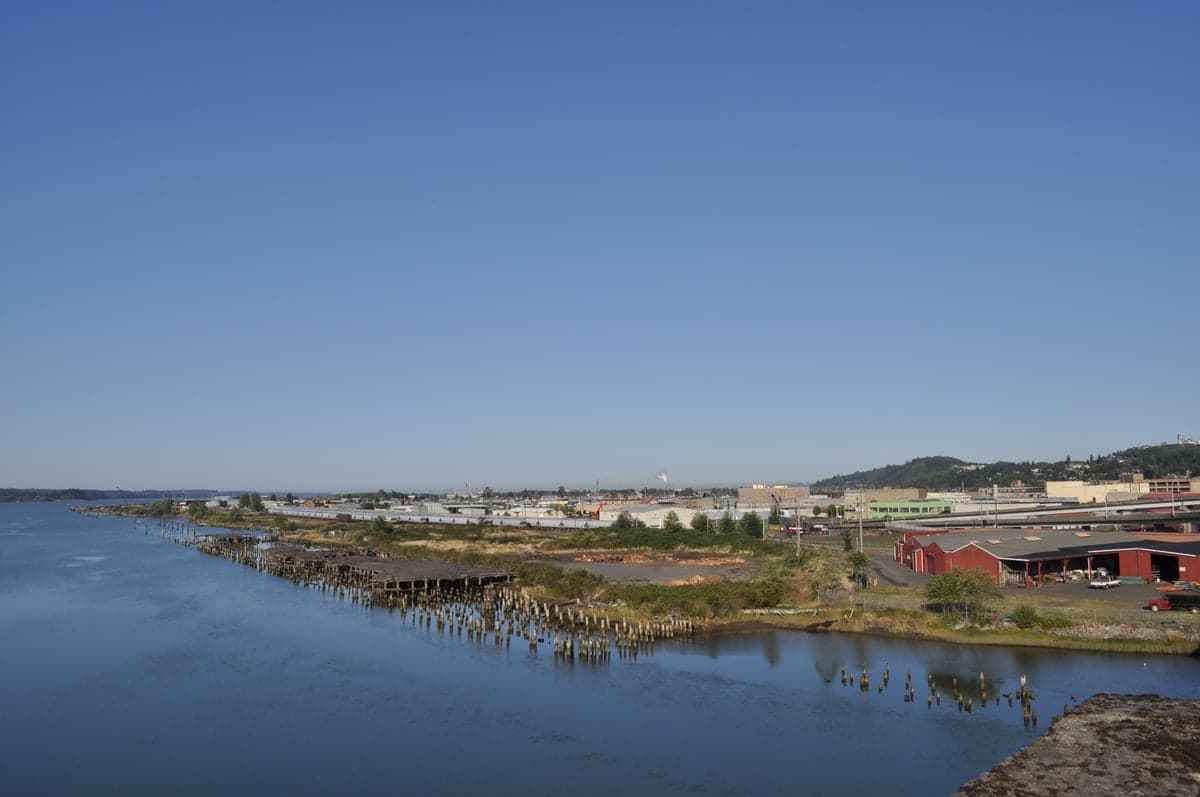
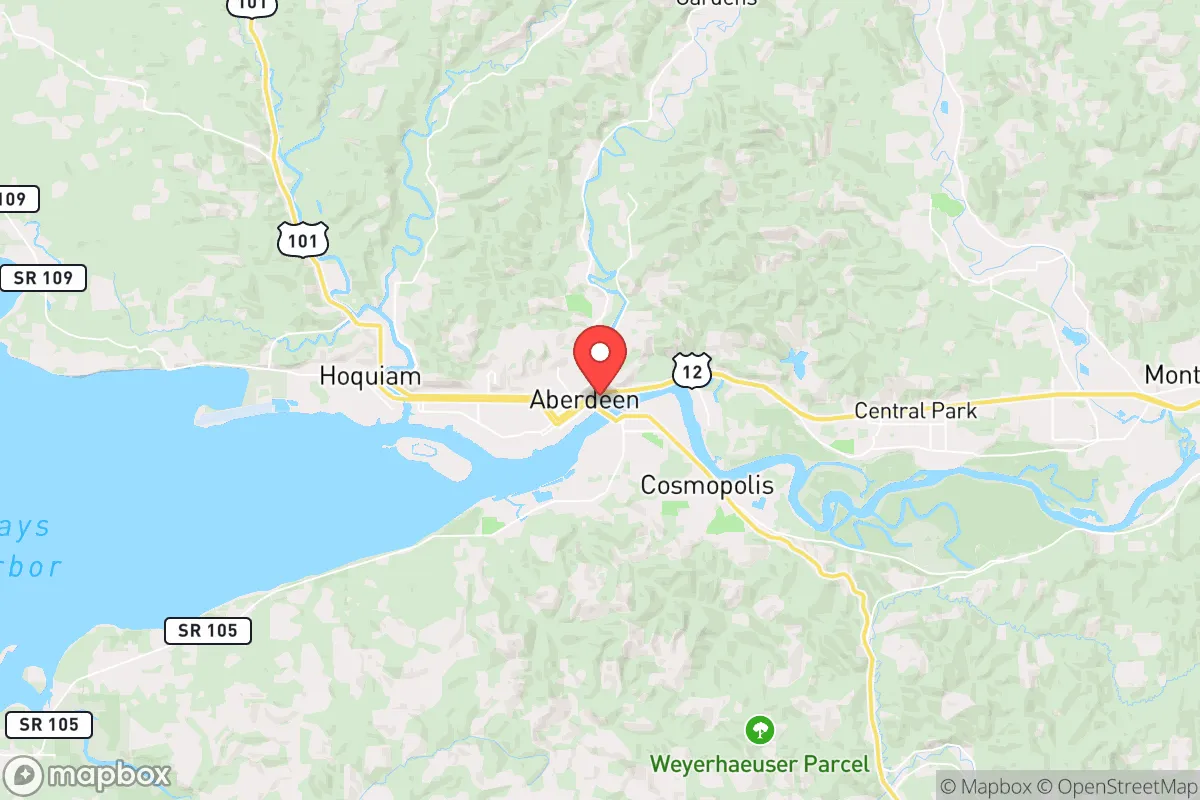
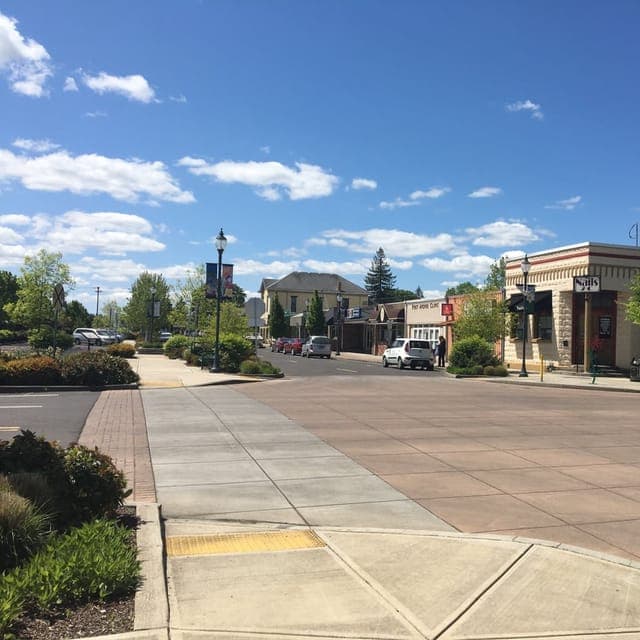
Aberdeen, Washington, feels like a town that’s been through a lot and wears its history on its sleeve. It’s the gritty, rain-soaked heart of Grays Harbor, a former timber and fishing powerhouse that’s now reinventing itself as a quiet, affordable place for people who don’t mind a little fog and want space to breathe. With about 17,000 residents, it’s small enough that you’ll recognize faces at the grocery store, but big enough to have its own pulse—and its own stubborn identity.
The Daily Grind: What Life Actually Feels Like
Life here moves at a slower, more deliberate pace. Most people commute less than 22 minutes on average, so you’re not burning hours in traffic—you’re home for dinner. The median household income sits around $52,181, which goes further than you’d think thanks to a cost of living index of 85 (15% below the national average). That means a median home value of $225,100 can actually get you a decent three-bedroom with a yard, not a fixer-upper. The median age is 36.9, so you’ve got a mix of young families, empty-nesters, and folks who’ve been here since the mills were running full tilt.
Weekends often start at a local diner like Billy’s Bar & Grill or the Bread & Roses Bakery for coffee and a pastry. People shop at the local Grays Harbor Walmart or the Harbor Mall for basics, but for fresh produce, the Aberdeen Farmers Market (summer Saturdays) is where you’ll bump into neighbors. The weather is famously gray—expect about 70 inches of rain a year—so locals don’t wait for sunshine to get outside. They fish the Chehalis River, hike the Wynoochee River Trail, or just hunker down with a book at the Aberdeen Timberland Library.
Who Fits In Here—and Who Might Not
Aberdeen is a working-class town with a strong independent streak. It’s not for someone looking for a polished suburb or a booming nightlife. The kind of person who thrives here is someone who values affordability over flash, doesn’t mind a long rainy season, and wants to be close to the Olympic Peninsula’s wild beauty without paying Port Angeles prices. Only about 14.7% of adults have a college degree, so this isn’t a white-collar hub—it’s a place for tradespeople, remote workers who want cheap rent, and retirees on fixed incomes. Families appreciate the low cost of living, but the school system (Aberdeen School District) is a mixed bag; many parents get involved in the PTA or booster clubs to make up for limited funding.
If you’re a single professional under 30, you might find the social scene thin—most bars are dives or sports bars, and the dating pool is small. But if you’re a family looking for a safe, slow-paced place where kids can ride bikes without much traffic, it works. The violent crime rate is 283.6 per 100,000, which is higher than the national average (around 380), but property crime is the bigger headache—lock your car doors.
Sports, Festivals, and the Things That Bring People Together
High school sports are a big deal here. Aberdeen High School Bobcats football and basketball games draw solid crowds on Friday nights, especially when they play rival Hoquiam. There’s no pro team closer than Seattle (two hours away), so locals adopt the Seahawks, Mariners, and Sounders as their own. The Grays Harbor Gulls semi-pro soccer team offers a cheaper, closer alternative for die-hard fans.
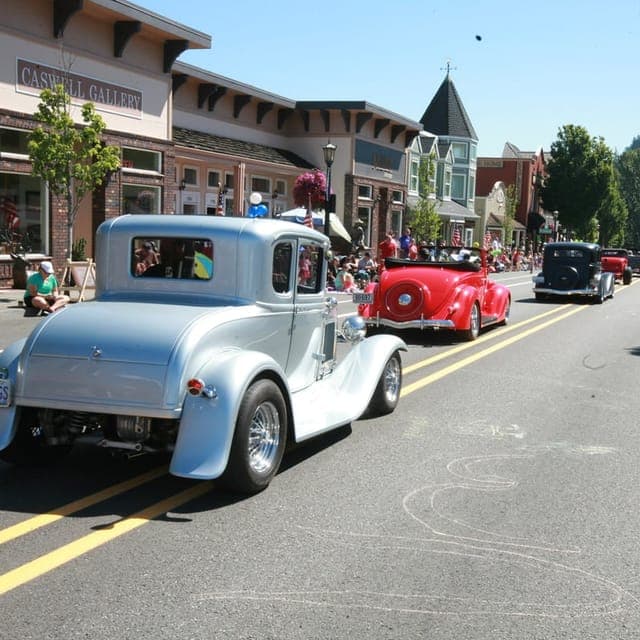
The big annual event is Grumpy’s Summerfest, a three-day music and arts festival in July that brings in regional bands and a carnival. Kurt Cobain’s ghost still looms large—he grew up here, and the Kurt Cobain Memorial Park on the Wishkah River is a quiet pilgrimage spot for Nirvana fans. For a town this size, the music scene has a surprising edge: D&R Theatre hosts live bands, and the Rain Forest Festival in nearby Forks draws a quirky crowd. Outdoor lovers hit Lake Sylvia State Park for camping and swimming, or drive 30 minutes to Ocean Shores for beach walks and clam digging.
The Honest Upsides and Downsides
- Pros: Cheap housing that’s actually decent; short commutes; close to world-class fishing, hiking, and the Pacific coast; a genuine sense of community where people help each other; low traffic stress.
- Cons: Persistent rain and gray skies (not for everyone); limited job opportunities outside healthcare, retail, and the port; a struggling downtown with empty storefronts; property crime can be annoying; the social scene is quiet for singles.
Longtime residents love the “we take care of our own” attitude—neighbors know each other, and the Aberdeen Loggers’ Show (a timber sports competition) is a proud tradition. What frustrates them is the lack of new employers and the slow pace of change. The town has a chip on its shoulder, but for the right person, that’s part of the charm. You don’t move to Aberdeen for the glamour; you move here because it’s real, affordable, and still feels like a place where you can build a life without breaking the bank.

Similar towns to Aberdeen


* Values derived from national, state, county, city and local statistics and may differ in a specific area. Last updated: 2026-08-27T20:03:48.000Z
Narrative content on this page is AI-generated and may contain mistakes. Verify any details that matter before acting on them.
ReloMaps may earn a commission from affiliate links at no extra cost to you.

