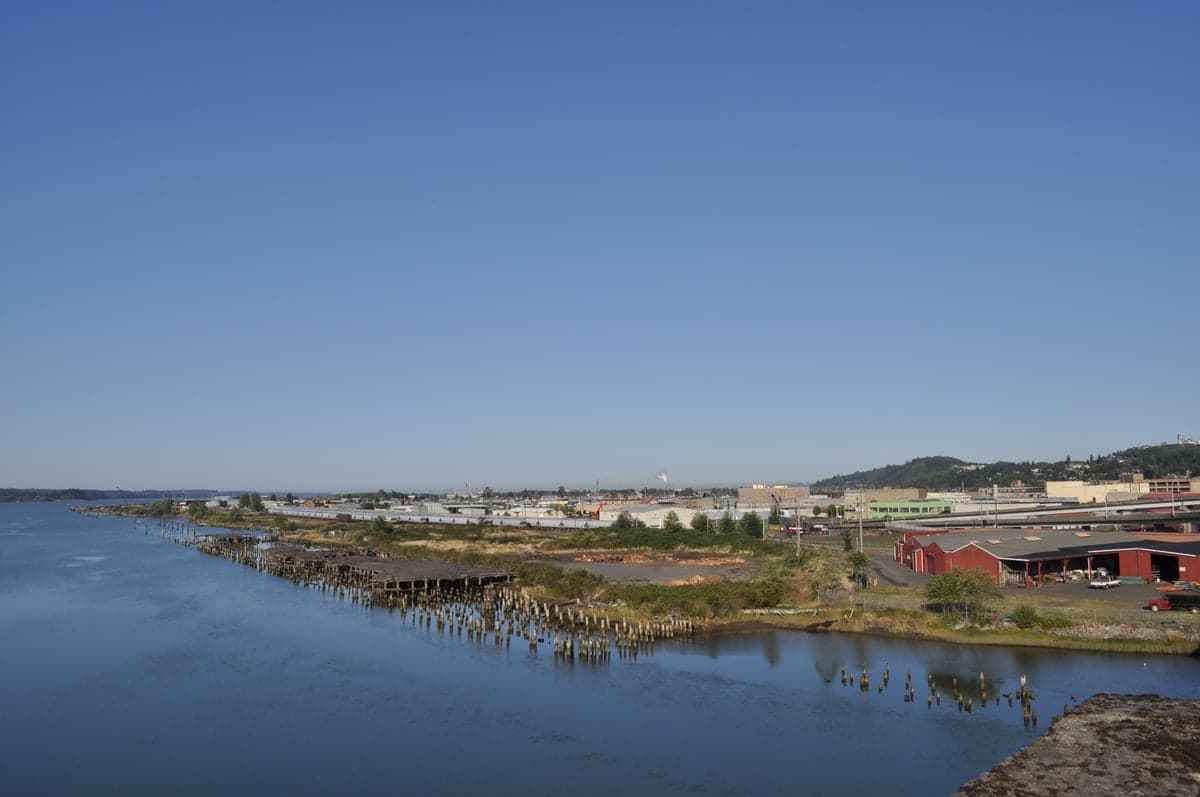
Photo: Wikipedia
Quality of Life in Aberdeen, WA
A high quality of life with strong walkability, manageable living costs, healthy neighborhood signals, and solid amenity access.
What does Quality of Life tell us?
Quality of Life blends cost of living, nearby amenities, socioeconomic signals, and neighborhood character. City-level scores represent the whole municipality; individual neighborhoods can differ.
What does this tell us?
Quality of Life blends cost of living, nearby amenities, socioeconomic signals, and neighborhood character. City-level scores represent the whole municipality; individual neighborhoods can differ.
Cost of Living
15% below national average
The Real Cost of Living in Aberdeen, WA for 2026
| Tier | Individual | Family (4) |
|---|---|---|
| Survival | $16k | $31k |
| Comfortable | $44k | $64k |
| Luxury | $94k+ | $146k+ |
| Elite (Top 5%) | $115k+ | $178k+ |
81%
The Area Signal
A metric tracking the socioeconomic signals of the area.
Hobbies
Explore the areaGroceries
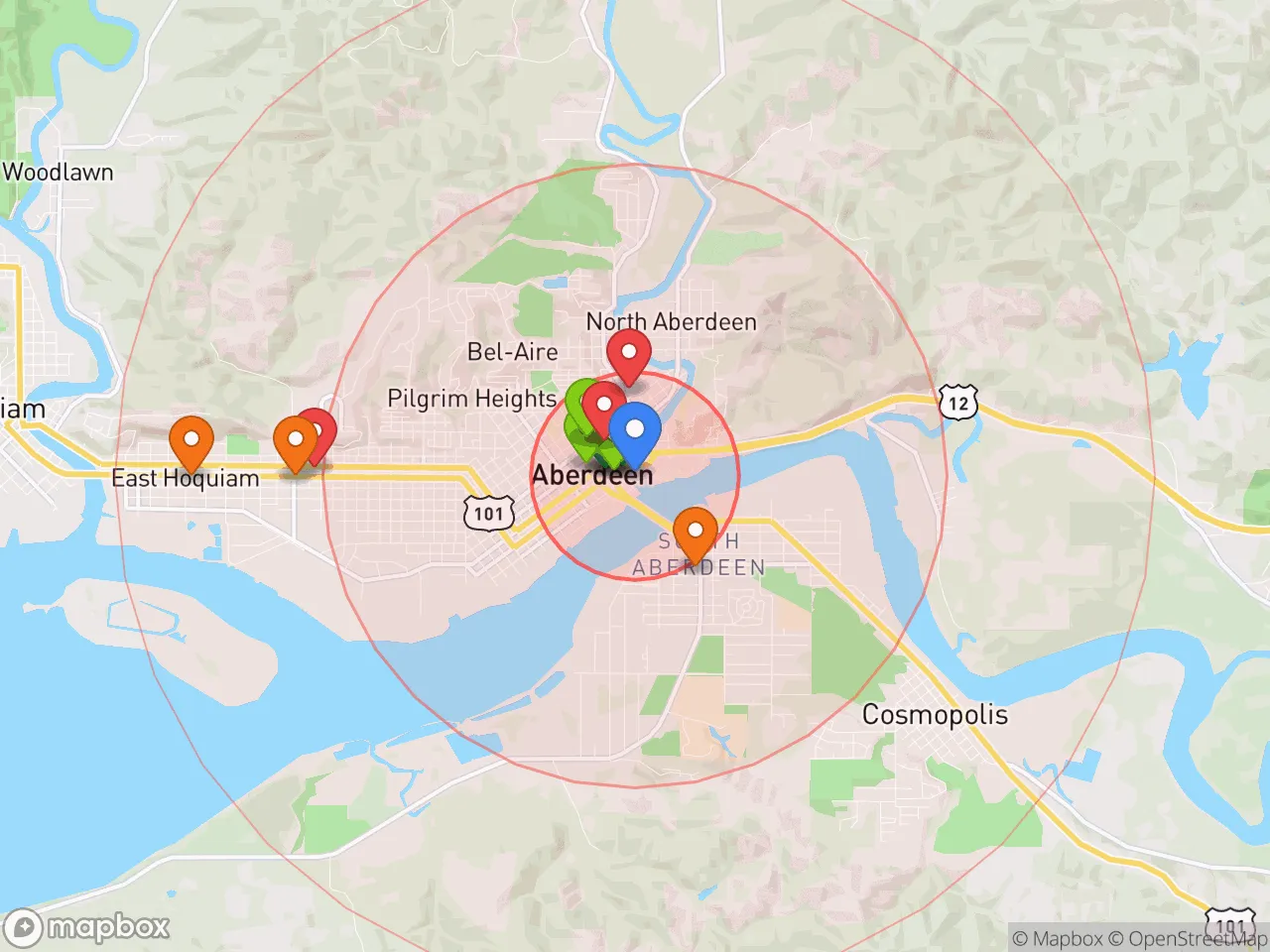
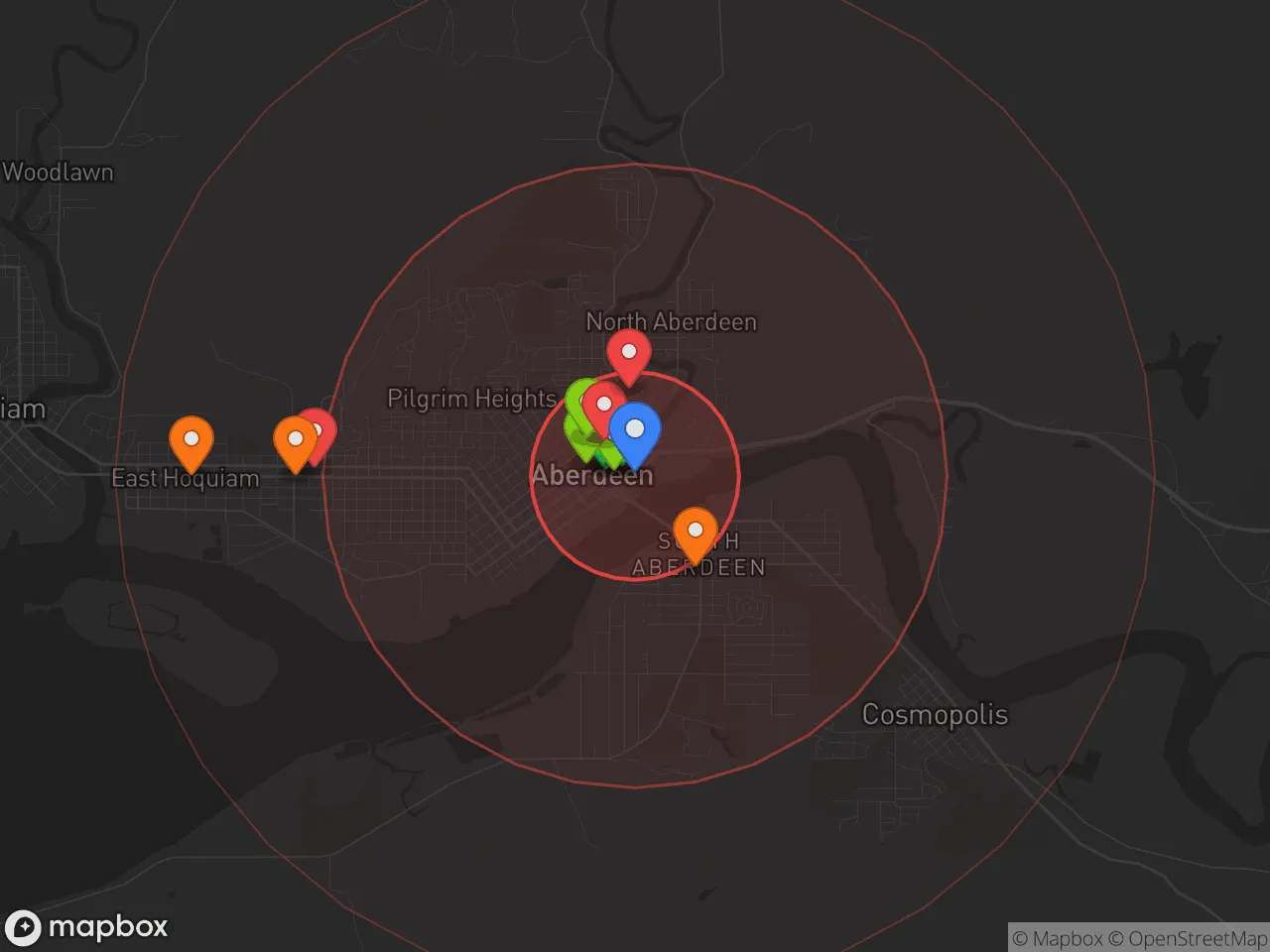
3 within 10 miles
Gas
20 within 10 miles
Hospital
2 within 20 miles
Airport
SEA — Seattle–Tacoma International
Post Office
USPS — Aberdeen, WA
Critical Amenities
Quality-of-Life Analysis
Aberdeen, Washington, offers a notably lower cost of living than much of the Pacific Northwest, with a composite index of 85 (where 100 equals the U.S. average). This affordability attracts a mix of working-class families, retirees on fixed incomes, and outdoor enthusiasts who prioritize access to the Olympic Peninsula over urban amenities. The median household income hovers around $45,000, reflecting a community where many residents work in local healthcare, retail, timber, and fishing industries rather than high-paying tech or corporate sectors.
Cost of living, housing, and how Aberdeen compares to nearby cities
Housing in Aberdeen is the primary driver of its low cost index. The median home value sits at $225,100, roughly half the Washington state median of $500,000 and significantly below nearby Olympia ($430,000) or Seattle ($830,000). Median rent is $1,024, making it one of the most affordable rental markets on the Washington coast. For context, a one-bedroom apartment in Aberdeen typically rents for $800–$950, compared to $1,200–$1,500 in Hoquiam or Ocean Shores. The average commute is 21.9 minutes, well under the national average of 26 minutes, which reduces transportation costs and gives residents more time at home. However, property taxes in Grays Harbor County are slightly above the state average (1.0% vs. 0.9% of assessed value), and utility costs—especially electricity from Grays Harbor PUD—run about 10% higher than the U.S. norm due to rural infrastructure.
Local amenities, schools, and what daily life feels like
Daily life in Aberdeen revolves around a compact downtown core along Wishkah and Heron streets, with grocery anchors like Safeway and Grocery Outlet, plus a handful of independent cafes and hardware stores. The Aberdeen School District serves roughly 3,800 students across six elementary schools, one middle school, and Weatherwax High School, which has a 78% graduation rate—below the state average of 82%. For higher education, Grays Harbor College in nearby Aberdeen offers two-year degrees and vocational programs. Outdoor recreation defines the rhythm of life here: residents can be on the Pacific beaches at Westport or Ocean Shores in under 30 minutes, or hiking in the Olympic National Forest within 20 minutes. The local hospital, Harbor Regional Health, provides emergency and primary care, but specialists often require a 45-minute drive to Olympia. Dining options are limited but include local staples like the Breakwater Seafood & Chowder House and the Rediviva coffee shop. The Aberdeen Mall anchors retail with big-box stores, though many residents drive to Olympia for major shopping trips.
Who will thrive in Aberdeen’s quality of life
Aberdeen’s quality of life best suits people who value low housing costs, short commutes, and immediate access to nature over urban nightlife, diverse dining, or high-end retail. Retirees on fixed incomes, remote workers who can tolerate slower internet speeds (fiber is limited to parts of the city), and families who prioritize a backyard over a downtown scene will find the trade-offs worthwhile. The city’s affordability also appeals to tradespeople and service workers priced out of the I-5 corridor. However, those seeking robust public transit, a vibrant arts scene, or top-tier schools may find the trade-offs too steep. For the right person, Aberdeen offers a quiet, affordable basecamp for exploring the Olympic Peninsula without the premium price tag of Port Angeles or Bellingham.

Crime in Aberdeen, WA
Crime rates similar to the national median for U.S. locations.
Violent CrimeViolent Crime Analysis
Property CrimeProperty Crime Analysis
Crime Analysis
Aberdeen, Washington, presents a mixed safety profile for prospective residents. The city's violent crime rate of 283.6 per 100,000 residents is notably lower than the national average, but its property crime rate of 1,955.3 per 100,000 is significantly higher, creating a situation where residents must be vigilant about theft and vandalism while generally feeling safe from violent confrontations. This disparity is a key factor in evaluating daily life and long-term relocation decisions in this Grays Harbor County community.
Crime in context
Aberdeen's violent crime rate of 283.6 per 100,000 sits well below the U.S. average of approximately 380 per 100,000, placing it in a relatively safer bracket for serious offenses like assault and robbery. However, the property crime rate of 1,955.3 per 100,000 is roughly 30% higher than the national average of about 1,500 per 100,000. This pattern is common in many small cities within larger metropolitan regions, where property crime—including larceny, burglary, and motor vehicle theft—is a persistent concern. The city's location near the larger Aberdeen-Hoquiam area and its role as a regional economic hub likely contribute to these elevated property crime figures.
What residents experience
For those living in Aberdeen, the practical experience of safety is heavily shaped by property crime. Residents commonly report securing vehicles, using outdoor lighting, and avoiding leaving valuables in plain sight. The violent crime rate, while lower, is still a factor, with incidents often concentrated in specific areas rather than being uniformly distributed. The local justice system's approach is a critical consideration: Grays Harbor County, like much of Washington state, operates under progressive prosecutorial policies that prioritize diversion and rehabilitation over incarceration for many property and drug-related offenses. This ideological stance, while intended to reduce recidivism, can result in repeat offenders cycling through the system, directly undermining public confidence and contributing to the perception that property crime is not taken seriously. Readers should be aware that this progressive judicial philosophy can lead to more criminals on the street, negatively impacting justice for victims and the broader community.
Neighborhood-level variation is significant in Aberdeen. Areas closer to the downtown core and the Chehalis River waterfront tend to report higher incidences of both property and drug-related crime, while residential neighborhoods on the city's eastern and southern edges, such as those near Wishkah Road or the Aberdeen Gardens area, generally experience lower crime rates. Prospective renters and buyers should consult local police department crime maps and speak with residents in specific neighborhoods to get a granular understanding of block-by-block safety, as conditions can change rapidly within a few streets. Overall, Aberdeen requires a proactive approach to personal and property security, with the understanding that the local legal environment may not always prioritize punitive measures for offenders.
* Values derived from national, state, county, city and local statistics and may differ in a specific area. Last updated: 2026-08-27T20:03:48.000Z
Narrative content on this page is AI-generated and may contain mistakes. Verify any details that matter before acting on them.
ReloMaps may earn a commission from affiliate links at no extra cost to you.

