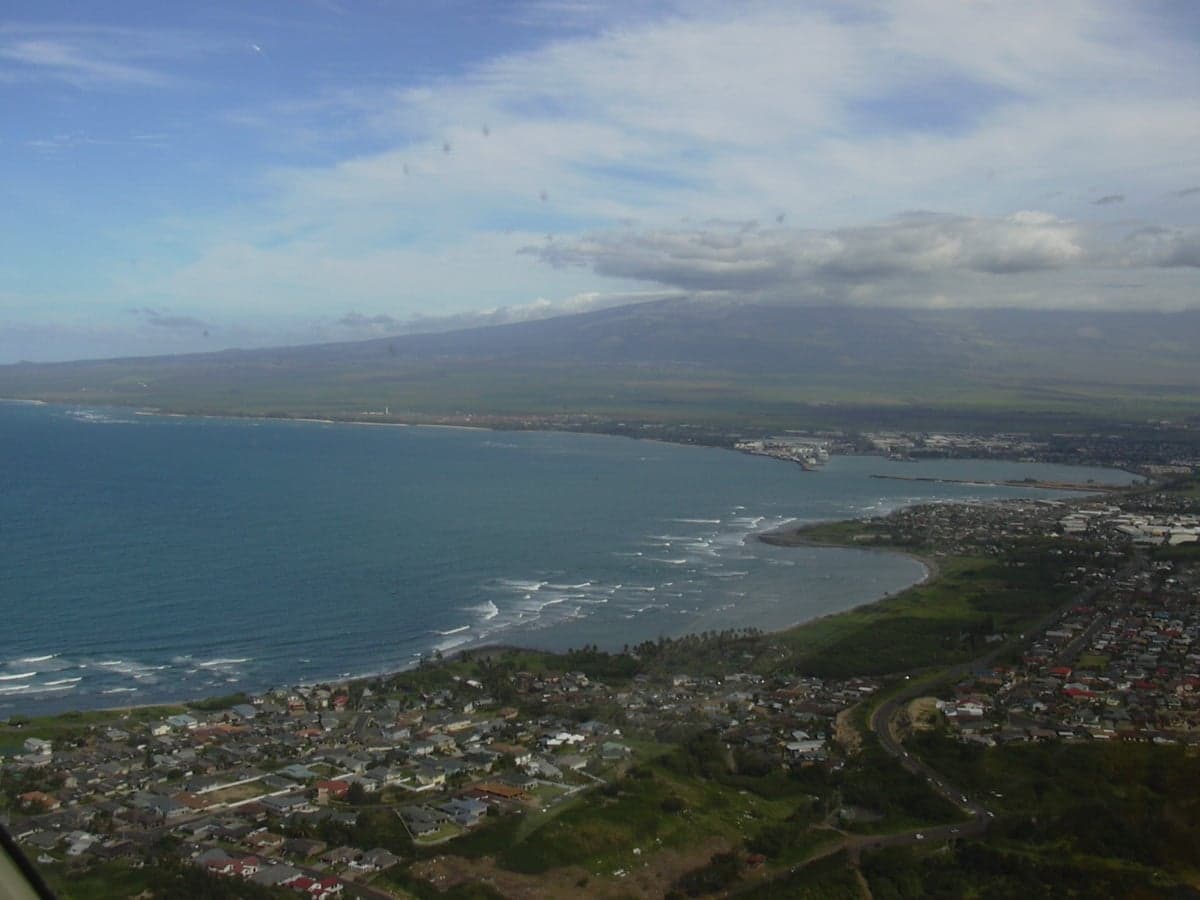
Photo: Wikipedia
Quality of Life in Waihee, HI
A high quality of life with strong walkability, manageable living costs, healthy neighborhood signals, and solid amenity access.
What does Quality of Life tell us?
Quality of Life blends cost of living, nearby amenities, socioeconomic signals, and neighborhood character. City-level scores represent the whole municipality; individual neighborhoods can differ.
What does this tell us?
Quality of Life blends cost of living, nearby amenities, socioeconomic signals, and neighborhood character. City-level scores represent the whole municipality; individual neighborhoods can differ.
Cost of Living
120% above national average
The Real Cost of Living in Waihee, HI for 2026
| Tier | Individual | Family (4) |
|---|---|---|
| Survival | $33k | $62k |
| Comfortable | $93k | $136k |
| Luxury | $136k+ | $211k+ |
| Elite (Top 5%) | $160k+ | $248k+ |
94%
The Area Signal
A metric tracking the socioeconomic signals of the area.
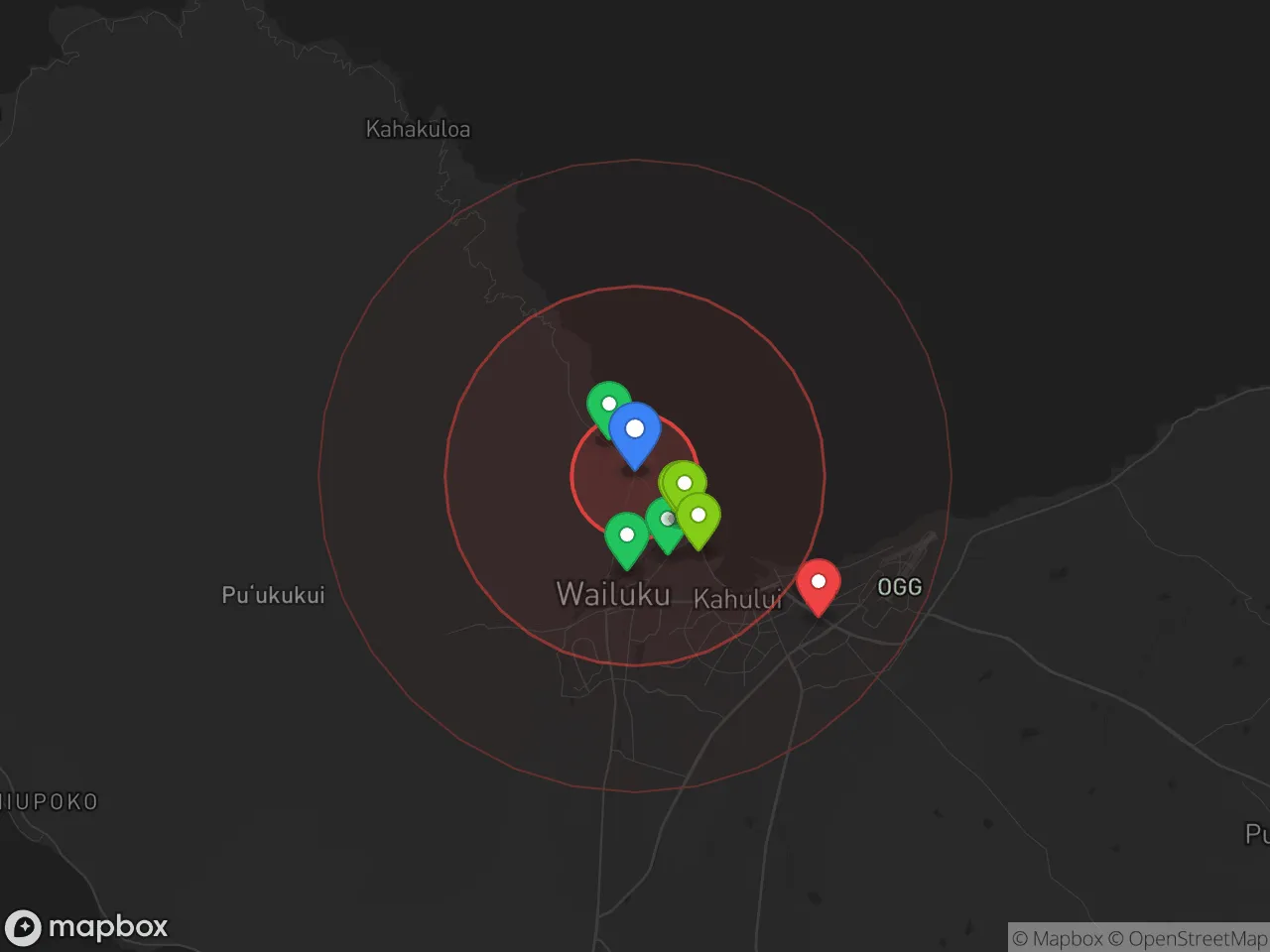
Hobbies
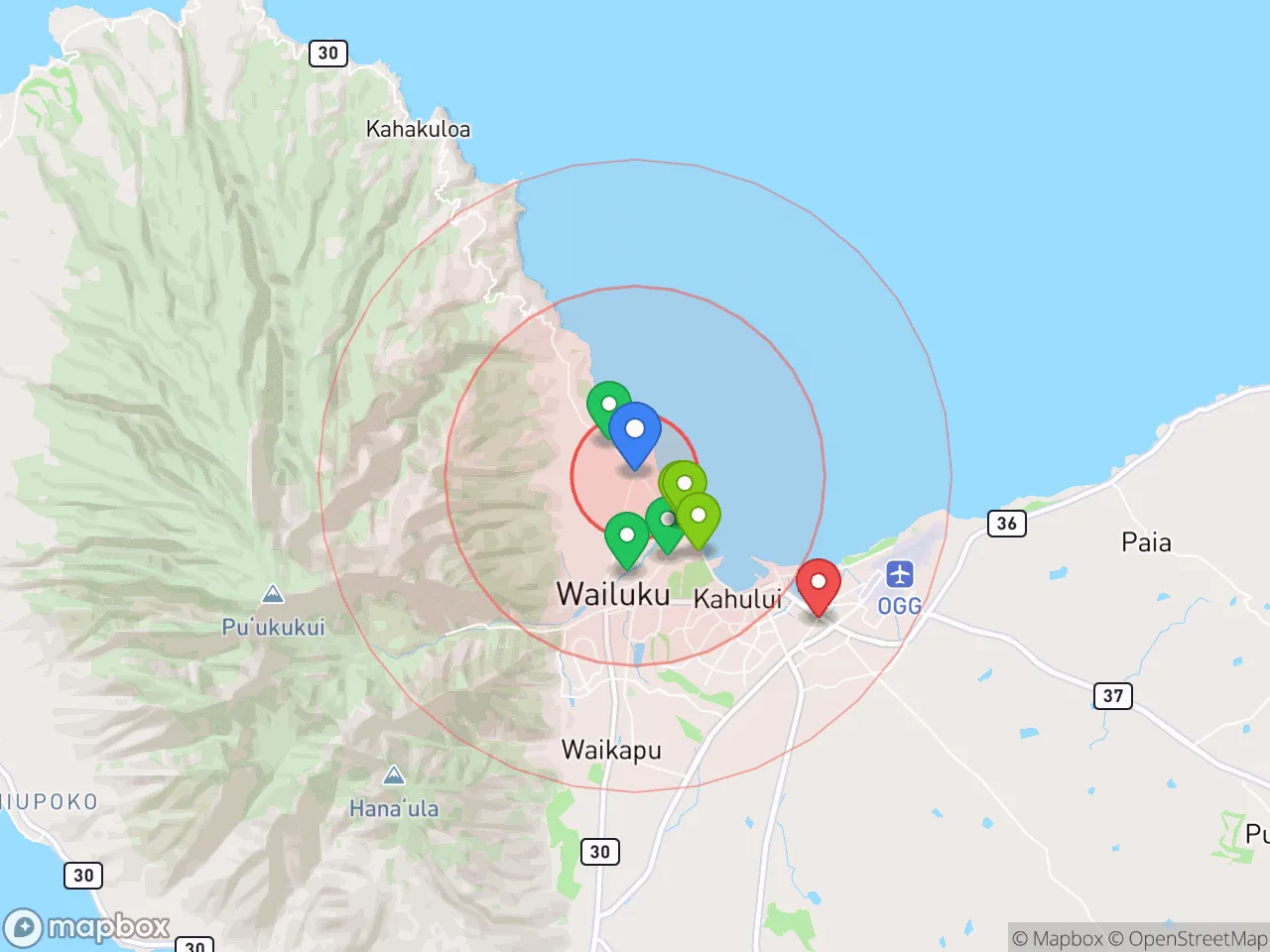
Explore the areaGroceries
4 within 10 miles
Gas
15 within 10 miles
Hospital
2 within 20 miles
Airport
Daniel K. Inouye International Airport
Post Office
USPS — Waihee, HI
Critical Amenities
Quality-of-Life Analysis
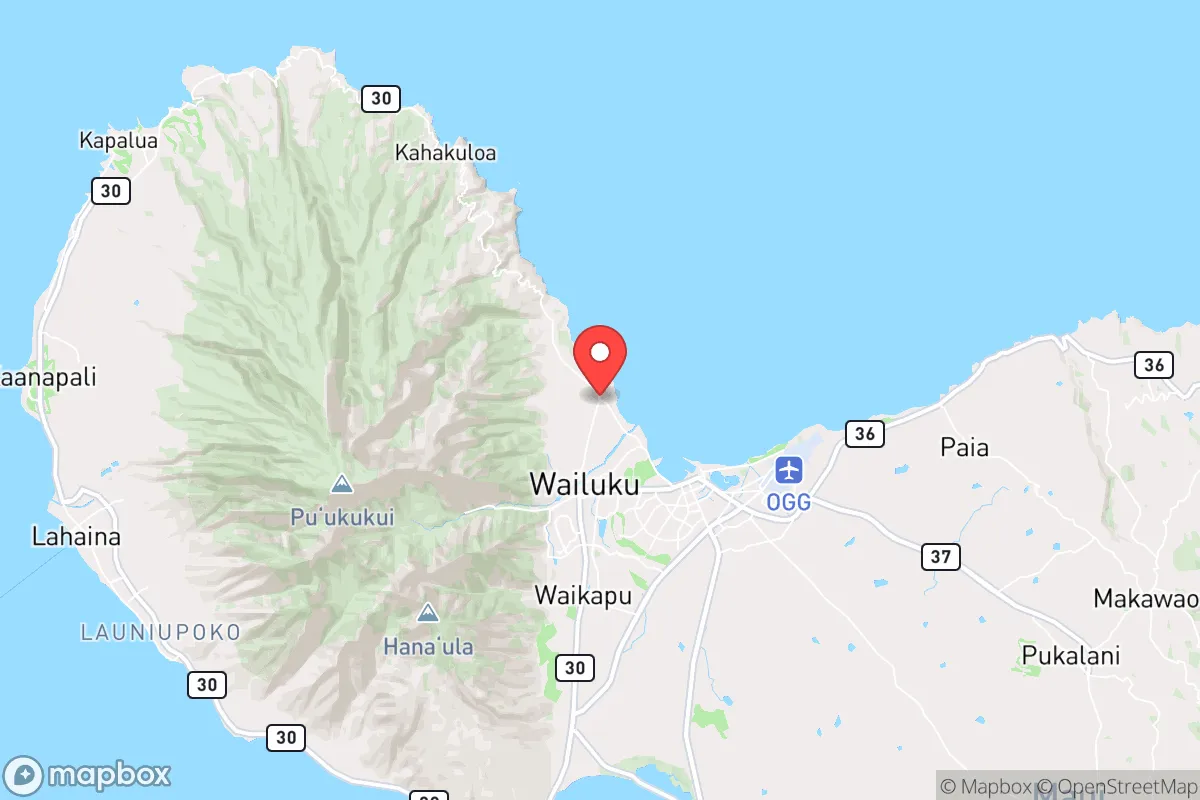
Waihee, a census-designated place on Maui’s northern coast, is an affluent, predominantly residential community known for its quiet, family-oriented atmosphere and proximity to both Kahului’s urban core and the island’s famed beaches. With a cost of living index of 220—more than double the U.S. average—the area attracts established professionals, remote workers, and retirees who prioritize space, privacy, and a slower pace over the tourist-driven hustle of West Maui or Kihei. The population skews toward homeowners and long-term residents, giving Waihee a stable, neighborly feel that contrasts with the transient resort zones elsewhere on the island.
Cost of living, housing prices, and how Waihee compares to Kahului and Paia
Waihee’s cost of living is among the highest on Maui, driven almost entirely by housing. The median home value sits at $740,300, roughly 10–15% higher than in Kahului but notably lower than in the exclusive beachfront enclaves of Paia or Kapalua, where median values often exceed $1 million. Renters face a median monthly rent of $2,224, which is comparable to Kahului but significantly cheaper than the $3,000+ averages in Wailea or Lahaina. For buyers, the trade-off is clear: Waihee offers larger lots and more single-family homes than the denser, more expensive resort corridors, but the entry price still requires a household income well above the Maui County median. Groceries, utilities, and transportation also carry a premium due to island-wide shipping costs, though Waihee’s location near Kahului’s Costco and Walmart helps mitigate some expenses. The average commute of 22.6 minutes is manageable by island standards—shorter than the 30–40 minute drives from Upcountry or Hana—and most residents commute south on Highway 340 into Kahului for work or shopping.
Schools, local amenities, and what daily life feels like in Waihee
Daily life in Waihee revolves around its quiet residential streets, ocean views, and easy access to outdoor recreation. The area is served by Waihee Elementary School, a well-regarded public school with a strong sense of community, while middle and high school students typically attend schools in Kahului or Wailuku. For shopping and dining, residents drive 10–15 minutes into Kahului, which offers the island’s main retail centers, including the Maui Mall and Queen Ka’ahumanu Center. Grocery options are limited within Waihee itself, so most households plan weekly trips to Kahului or Paia. The neighborhood’s biggest draw is its proximity to Waihee Beach Park, a quiet, family-friendly beach with picnic tables and calm waters, and the nearby Waihee Ridge Trail, a popular hiking route through lush forest with sweeping views of the north shore. There are no major hospitals or urgent care centers in Waihee; the nearest full-service facility is Maui Memorial Medical Center in Wailuku, about 20 minutes away. The overall rhythm is slow and residential—few tourists, little nightlife, and a strong emphasis on outdoor living, community events, and weekend trips to the beach or mountains.
Waihee is best suited for families, remote workers, and retirees who value space, quiet, and a tight-knit community over walkability or nightlife. The high cost of living and limited local amenities mean it is not ideal for budget-conscious renters or those who need frequent access to urban services. However, for buyers who can afford the entry price and appreciate a slower, nature-focused lifestyle within a short drive of Maui’s main employment and shopping hubs, Waihee offers one of the island’s most balanced residential experiences.

Crime in Waihee, HI
Generally safer than 62% of comparable U.S. locations.
Violent CrimeViolent Crime Analysis
Property CrimeProperty Crime Analysis
Crime Analysis
Waihee, a residential community on Maui's north shore, presents a crime profile that is notably safer than the national average but slightly elevated compared to the rest of Hawaii. With a violent crime rate of 215.2 per 100,000 residents and a property crime rate of 1,681.2 per 100,000, the area offers a relatively secure environment, though residents should remain aware of property-related risks. The data reflects a community where violent incidents are uncommon, but theft and burglary occur at rates that warrant precaution.
Crime in context
Waihee's violent crime rate of 215.2 per 100,000 is 38% lower than the national average of approximately 380 per 100,000, but it sits slightly above the Hawaii state average of around 250 per 100,000. Property crime in Waihee, at 1,681.2 per 100,000, is about 15% below the U.S. median of roughly 1,950 per 100,000, yet it is higher than the statewide property crime rate of approximately 2,200 per 100,000. This places Waihee in a middle ground: safer than many mainland communities of similar size, but not as insulated as some more rural or affluent Hawaiian neighborhoods. The area benefits from Maui County's overall law enforcement presence, though the island's tourism-driven economy can attract transient property crime.
What residents experience
For those living in Waihee, the most common safety concern is property crime, particularly vehicle break-ins and package theft, which are typical of suburban communities near tourist corridors. Violent crime is rare, and most residents report feeling safe walking or biking in the neighborhood during daylight hours. However, the broader context of Hawaii's justice system introduces a layer of concern for some residents. Maui County, like much of the state, operates under a progressive prosecutorial philosophy that emphasizes rehabilitation over incarceration. This approach, while well-intentioned, has led to criticism that repeat property offenders face minimal consequences, potentially emboldening criminal activity. Residents have noted that stolen property is rarely recovered, and offenders often cycle through the system without meaningful accountability. This dynamic is particularly relevant for those considering a move from jurisdictions with stricter sentencing, as the local legal environment may feel lenient to newcomers.
Neighborhood-level variation in Waihee is modest, as the community is relatively small and homogeneous. The areas closest to the Waihee Beach Park and the Waihee Ridge Trail trailhead see slightly higher foot traffic and associated petty crime, while the more secluded residential streets toward the foothills report fewer incidents. Overall, Waihee offers a peaceful living environment where common-sense precautions—locking vehicles, securing packages, and maintaining good relationships with neighbors—are sufficient to mitigate most risks. The trade-off for the area's natural beauty and quiet atmosphere is a justice system that some residents feel prioritizes offender rights over public safety, a factor worth weighing for those sensitive to crime and accountability.
* Values derived from national, state, county, city and local statistics and may differ in a specific area. Last updated: 2026-07-12T14:07:24.000Z
Narrative content on this page is AI-generated and may contain mistakes. Verify any details that matter before acting on them.
ReloMaps may earn a commission from affiliate links at no extra cost to you.

