Photo: Wikipedia
Find The Best Places To Live
in Waihee
PRO TIP! You can paste a Zillow or Redfin link to get info on that property.
What It's Like Living in Waihee, HI
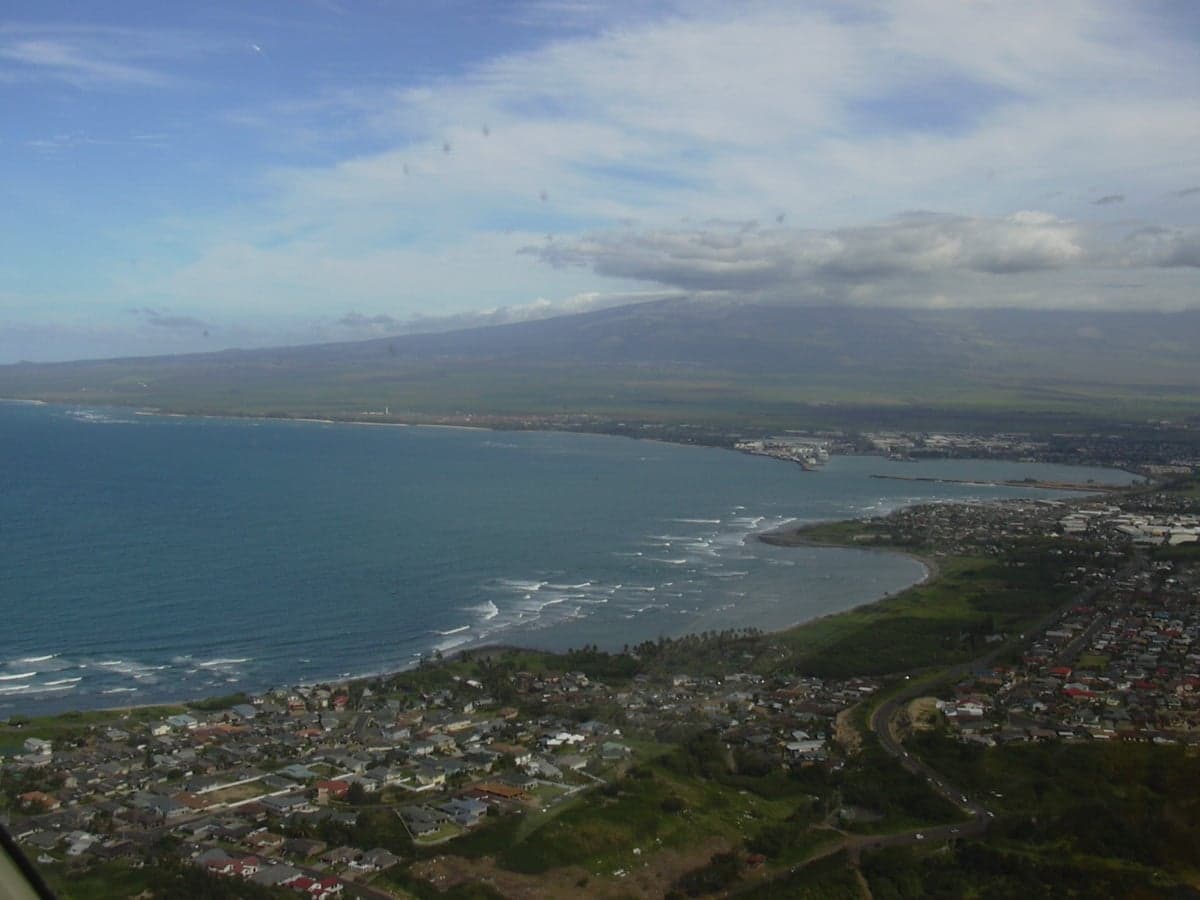
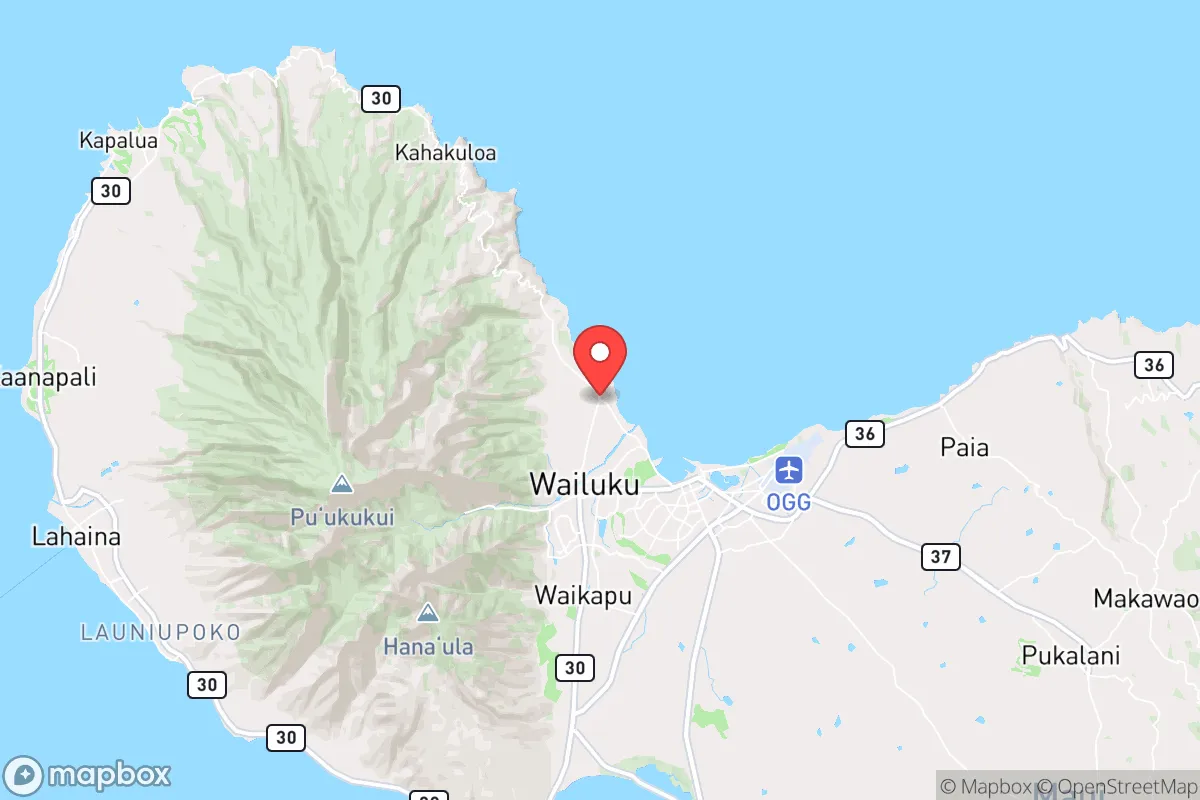
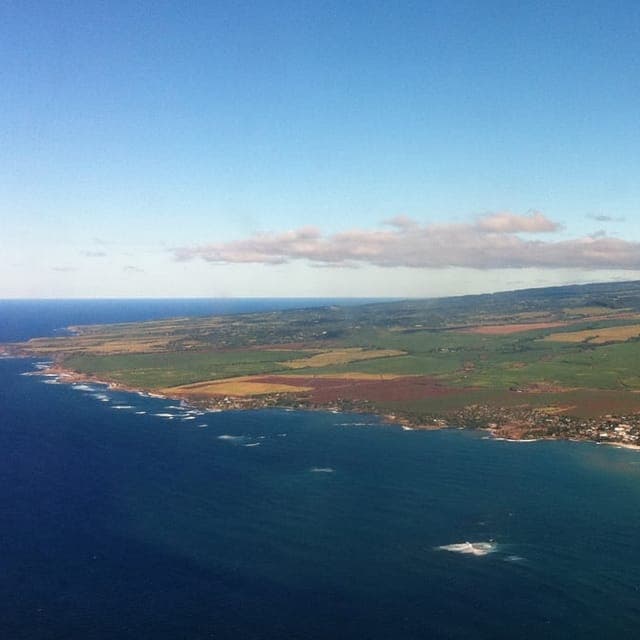
Waihee, Hawaii, feels less like a tourist postcard and more like the place where locals actually live—a quiet, green pocket on Maui’s north shore where the pace slows down and the mountains loom close. With a population just over 11,300, it’s a small residential community that doesn’t try to impress visitors, but it offers something rarer: a genuine, day-to-day island life that’s both comfortable and unpretentious. For families and individuals who value space, privacy, and a strong sense of neighborhood, Waihee delivers a version of Hawaii that’s refreshingly real.
Daily Rhythm: What Life Actually Looks Like Here
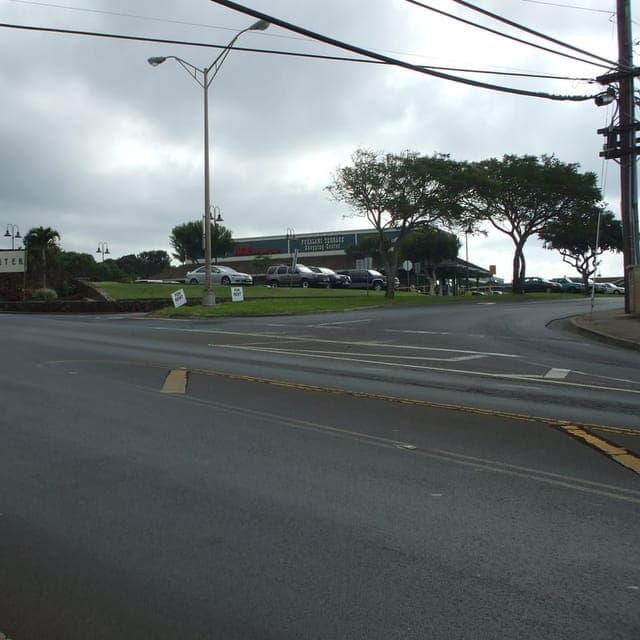
Most mornings in Waihee start with the sound of wind rustling through ironwood trees and the sight of the West Maui Mountains catching the early sun. Commuters head south toward Kahului or Wailuku—the average drive to work is about 23 minutes, which feels manageable by island standards and avoids the gridlock that clogs Kihei and Lahaina. The community itself is largely residential, so daily errands mean a short drive to the Kahului area for groceries, hardware, or a sit-down meal. Locals tend to shop at Costco, Foodland, or the Kahului Safeway, and weekend mornings often involve a stop at the Maui Swap Meet for fresh produce, local honey, and handmade crafts.
Weekends here are low-key by design. Families spend time at Waihee Beach Park, a narrow strip of sand and ironwood shade that’s more for picnics and wading than swimming—the water can be rough and rocky. Fishing off the shore is a common pastime, and you’ll see locals casting lines for papio or moi. For a proper beach day, most people drive 15 minutes to Baldwin Beach Park on the north shore or head toward Paia for a more social scene. The vibe in Waihee is self-contained: people know their neighbors, kids ride bikes on quiet streets, and the biggest decision of the afternoon might be whether to grill at home or grab a plate lunch from a local spot.
Who Fits In: Work, Family, and Financial Reality
Waihee tends to attract families and established professionals who work in Maui’s service, healthcare, or construction sectors, along with a growing number of remote workers who traded mainland commutes for island mornings. The median household income sits around $128,000, which is high for Hawaii but necessary given the cost of living index of 220—more than double the national average. That income level supports a comfortable but not extravagant lifestyle; housing is the biggest squeeze. The median home value is $740,300, and while that’s steep, it’s notably lower than pricier Maui towns like Wailea or Kapalua. Rentals are scarce and expensive, so most newcomers arrive with a job or a solid plan already in place.
The median age of 38.6 reflects a community that’s past the party phase and focused on raising kids, building careers, or enjoying a slower chapter of life. Only about 19% of residents hold a college degree, which tracks with a workforce heavy on trades, hospitality, and agriculture. That’s not a knock—it means the community values practical skills and hard work over credentials. The kind of person who thrives here is someone who doesn’t need constant entertainment, appreciates quiet evenings, and understands that island life comes with trade-offs like limited shopping and higher prices for everyday goods.
Sports, Community, and What People Do for Fun
High school sports are a genuine anchor in Waihee. King Kekaulike High School, just up the road in Pukalani, draws local families for Friday night football games and volleyball matches under the lights. The rivalries with Baldwin High and Maui High are real, and game nights double as community gatherings where you’ll see everyone from grandparents to keiki. There’s no pro sports team on Maui, but locals follow the University of Hawaii Warriors with loyalty, especially during football season when watch parties pop up at bars and homes across the island.
For entertainment, Waihee residents don’t rely on a bustling nightlife scene—there’s no bar district or music venue in the immediate area. Instead, social life revolves around community events, beach gatherings, and local festivals. The Maui County Fair in Kahului is a yearly highlight, and the Waihee-Waiehu Community Association organizes smaller events like holiday parades and beach cleanups. Dining out means driving to Wailuku or Kahului for staples like Sam Sato’s (famous for dry mein and manju) or Tin Roof Maui for no-fuss plate lunches. For a nicer dinner, Nuka in Haiku or Mama’s Fish House in Paia are special-occasion spots that require a reservation and a 20-minute drive.
Honest Pros and Cons of Living in Waihee
- Pro: Genuine community feel with less tourist traffic than south or west Maui. Neighbors know each other, and the pace is slow and respectful.
- Con: Limited amenities within walking distance. Almost everything requires a drive, and the nearest grocery or pharmacy is 10–15 minutes away.
- Pro: More affordable housing relative to other Maui communities, though still expensive by national standards. You get more space and privacy here.
- Con: The violent crime rate is 215.2 per 100,000, which is higher than the national average. Property crime, especially car break-ins, is a known frustration locals will warn you about.
- Pro: Easy access to north shore beaches, hiking trails like the Waihee Ridge Trail, and the quieter side of the island. Outdoor recreation is a daily option.
- Con: Weather can be windier and rainier than the leeward side. Trade winds blow consistently, and winter months bring frequent showers that keep everything green but can feel damp.
Waihee isn’t for everyone, and that’s exactly the point. It’s a place for people who want to live in Hawaii, not just visit it—where the trade-offs are real, but the reward is a daily life that feels grounded, connected, and refreshingly free of pretense.

Similar towns to Waihee

* Values derived from national, state, county, city and local statistics and may differ in a specific area. Last updated: 2026-07-12T14:07:24.000Z
Narrative content on this page is AI-generated and may contain mistakes. Verify any details that matter before acting on them.
ReloMaps may earn a commission from affiliate links at no extra cost to you.

