Photo: Wikipedia
Personal Sovereignty in Waihee, HI
Moderate friction. Expect trade-offs in some aspect of personal liberty and independence.
What does Personal Sovereignty tell us?
Personal Sovereignty measures your capacity for self-reliance and independence with minimal government friction. Higher scores mean fewer barriers between you and the way you want to live... but it assumes you have the space you need and good neighbors.
What does this tell us?
Personal Sovereignty measures your capacity for self-reliance and independence with minimal government friction. Higher scores mean fewer barriers between you and the way you want to live... but it assumes you have the space you need and good neighbors.
State Policy
Energy independence: Importer (2% of energy produced in-state)
Personal Liberty
Homesteading

Personal Liberty Analysis
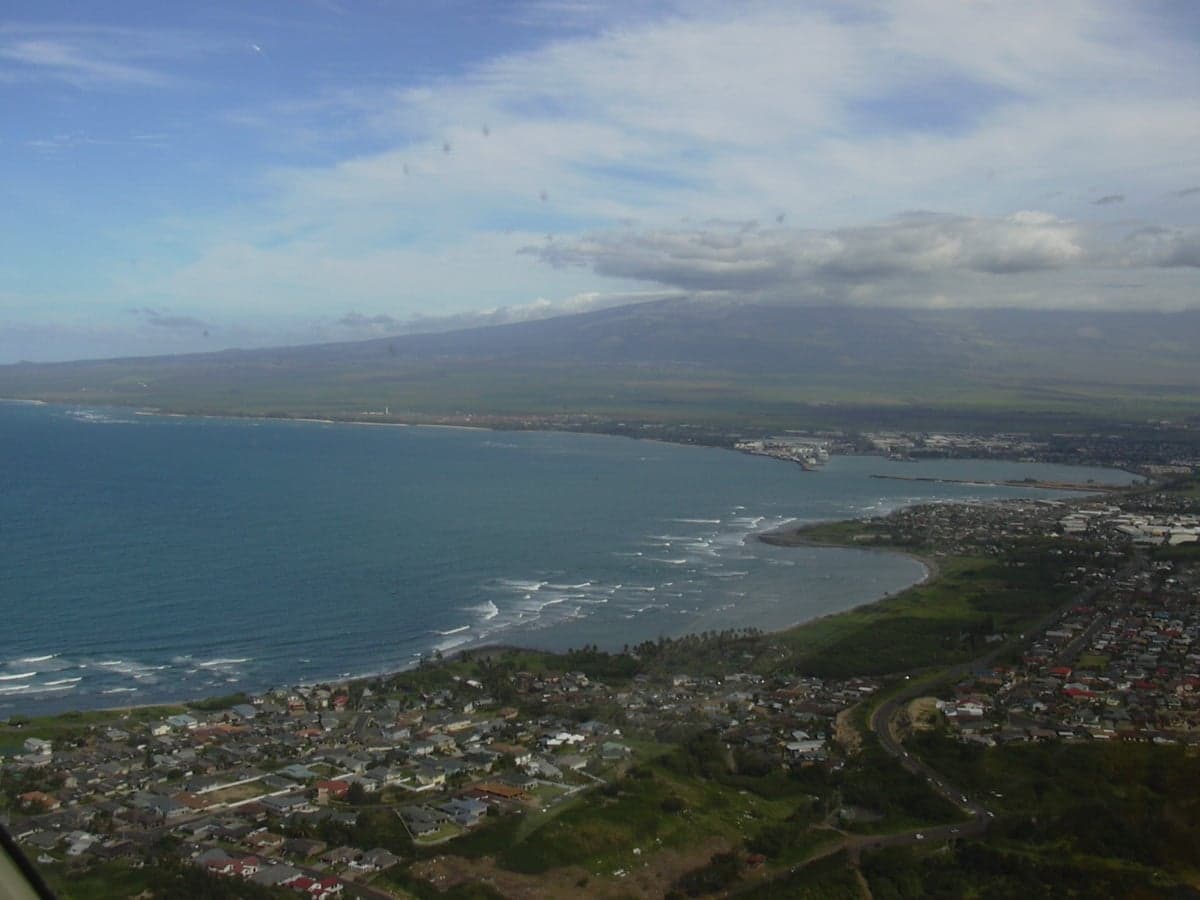
Waihee, a small community on Maui's north shore, offers a personal sovereignty environment that is heavily shaped by Hawaii's state-level regulatory framework, which tends to prioritize collective well-being and environmental protection over individual autonomy. For a conservative-leaning individual or family accustomed to mainland freedoms, the trade-offs are significant: you gain a stunning natural setting and a tight-knit community, but you lose a great deal of latitude in how you manage your property, defend your home, and structure your daily life. The state's centralized governance, high cost of living, and restrictive land-use laws create a system where personal independence is often secondary to state and county oversight.
Tax burden and regulatory posture in Waihee
Hawaii's tax and regulatory environment is among the most interventionist in the nation, and Waihee is no exception. The state imposes a combined general excise tax of 4.5% on nearly all goods and services, including rent and groceries—a regressive structure that hits families hard. There is no local sales tax, but property taxes in Maui County are relatively moderate, with residential rates around 0.35% of assessed value, though high home prices mean the dollar amount is still substantial. Income taxes are progressive, with a top marginal rate of 11%, one of the highest in the U.S. For a family earning $100,000, the effective state income tax rate is roughly 7-8%. The regulatory posture is heavy: building permits, land-use changes, and even minor home improvements require county approval, with long wait times and strict adherence to the Maui County Code. The state's strong tenant protections and rent control in certain areas further limit property owner discretion. For a reader prioritizing low taxes and minimal bureaucracy, Waihee presents a significant challenge.
Self-defense and gun law specifics in Hawaii
Hawaii has some of the most restrictive gun laws in the country, and Waihee residents must navigate a system that heavily limits self-defense options. The state is a may-issue jurisdiction for concealed carry, meaning local police chiefs have near-total discretion to deny permits; as of 2025, very few permits have been issued in Maui County. Open carry is effectively banned. To purchase a firearm, residents must obtain a permit from the county police department, pass a background check, and wait up to 14 days. Handguns must be registered, and there is a ban on assault weapons and high-capacity magazines. Stand-your-ground laws do not exist; instead, Hawaii imposes a duty to retreat in public spaces before using deadly force. Castle doctrine protections apply inside the home, but the legal burden remains on the homeowner to prove reasonable fear of death or great bodily harm. For a family that views firearms as a core component of personal sovereignty, Waihee's legal environment is among the most restrictive in the nation.
Self-reliance and homesteading viability in Waihee
Waihee's agricultural zoning and lot sizes offer some potential for self-reliance, but state and county regulations impose significant constraints. Many residential lots in the area are 1 to 3 acres, which is larger than typical suburban plots on the mainland, allowing for gardens, small orchards, and livestock like chickens or goats. However, the Maui County Code requires permits for structures over 200 square feet, and off-grid systems like rainwater catchment and solar panels are heavily regulated. Rainwater collection is common and legal, but must meet health department standards if used for drinking. Solar panels are permitted but require county approval and interconnection agreements with Hawaiian Electric. Composting toilets and greywater systems are allowed but subject to strict design and inspection requirements. The cost of living is a major barrier: groceries are about 30% higher than the mainland average, and building materials are expensive due to shipping costs. For a family seeking true off-grid independence, Waihee offers a beautiful but legally constrained environment where self-reliance is possible only within a framework of state oversight.
Personal liberties in Waihee: parental rights, medical autonomy, speech, and property
Hawaii's legal framework generally prioritizes state authority over individual choice in several key areas of personal liberty. Parental rights are relatively strong in education—Hawaii allows homeschooling with minimal reporting requirements, and charter schools are available—but the state mandates comprehensive vaccination for school attendance, with limited religious exemptions. Medical autonomy is constrained: Hawaii has strict vaccine mandates for healthcare workers and schoolchildren, and while alternative medicine is legal, naturopaths and other practitioners face licensing requirements. Free speech is protected under the First Amendment, but the state's strong anti-discrimination laws and hate speech statutes can limit certain expressions. Property rights are heavily curtailed by the state's land-use system: the Hawaii Land Use Commission classifies all land into urban, rural, or agricultural districts, and uses are strictly regulated. In Waihee's agricultural zones, commercial activities like running a small farm stand or workshop require special permits. For a reader who values maximum personal discretion, Waihee's regulatory environment is a clear trade-off between natural beauty and individual autonomy.
Overall, Waihee offers a personal sovereignty environment that is significantly more constrained than most mainland locations, particularly in the areas of self-defense, property use, and tax burden. The community's remote location and agricultural zoning provide some opportunities for self-reliance, but these are tempered by Hawaii's centralized, high-regulation governance. For a conservative-leaning individual or family who prioritizes low taxes, minimal government interference, and strong self-defense rights, Waihee is likely a poor fit. However, for those willing to accept a high degree of state oversight in exchange for a stunning natural environment and a slower pace of life, the area can still offer a meaningful, if limited, form of personal independence.

* Values derived from national, state, county, city and local statistics and may differ in a specific area. Last updated: 2026-07-12T14:07:24.000Z
Narrative content on this page is AI-generated and may contain mistakes. Verify any details that matter before acting on them.
ReloMaps may earn a commission from affiliate links at no extra cost to you.

