Find The Best Places To Live in Suffolk City County
PRO TIP! You can paste a Zillow or Redfin link to get info on that property.
Best Places to Live in Suffolk City County
Cities & Towns in Suffolk City County
Cities in Suffolk City County
What It's Like Living in Suffolk City County, VA
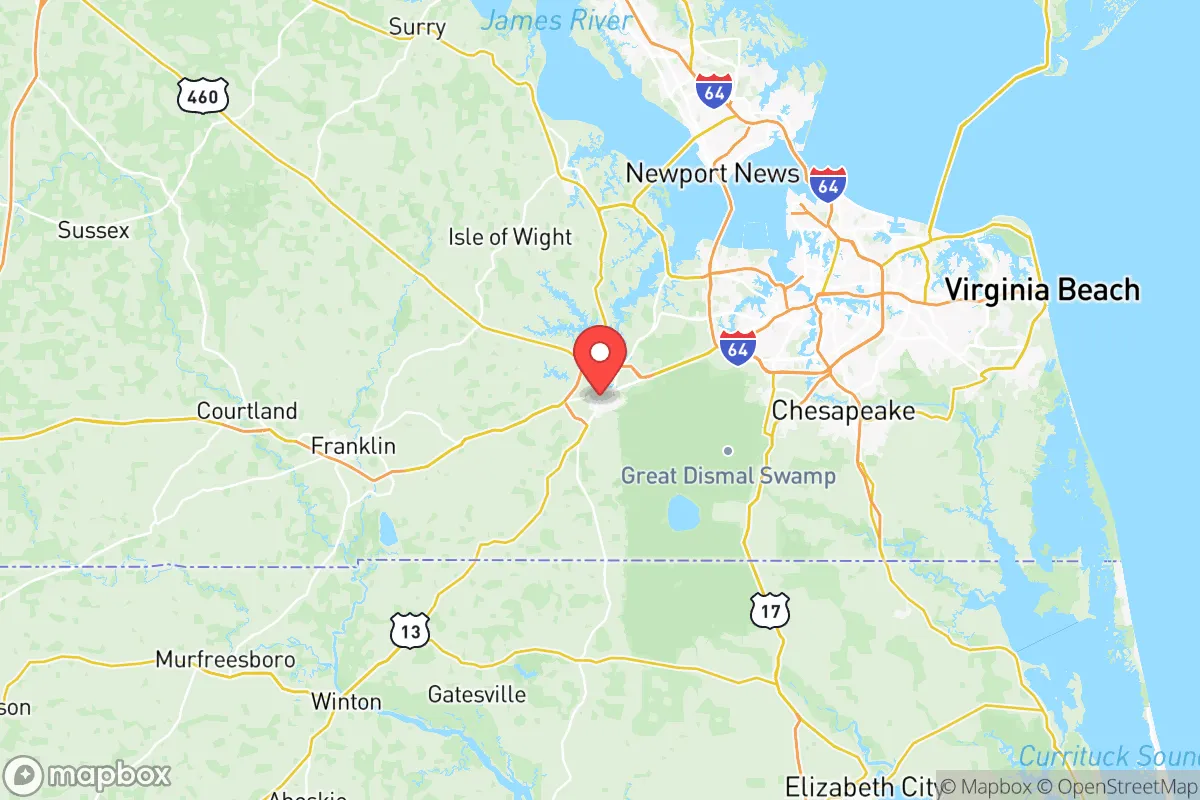
Suffolk City County, Virginia, is one of those places that feels like a collection of small towns pretending to be a city—and mostly succeeding. With a population just shy of 97,000 spread across a vast 430 square miles, you get the space of rural Virginia with the paycheck of a Hampton Roads commuter. The vibe is distinctly family-oriented, slightly conservative, and deeply practical: people here value a good school system, a backyard big enough for a grill, and a commute that doesn't require a second mortgage in gas money.
The Daily Rhythm: Commutes, Schools, and Weekend Rituals
Most mornings in Suffolk start early, with the average commute clocking in at just under 30 minutes—a hair above the national average, but manageable compared to the 45-minute slogs out of Norfolk or Virginia Beach. The big employers here aren't flashy: the city government, the school system, and the massive Amazon fulfillment center off Route 58 keep a lot of paychecks steady. The median household income of $90,089 is solidly middle-class, and it shows in how people spend their weekends: Home Depot runs, youth soccer games at Sleepy Hole Park, or a Sunday afternoon at Constant's Wharf Park along the Nansemond River.
Schools are a genuine anchor for the community. Suffolk Public Schools aren't the flashiest in the state, but they're reliable, and the high school football scene at King's Fork High School and Nansemond River High School draws real crowds on Friday nights. If you're a family with kids under 12, you'll find your social life revolves around school events and the local YMCA. For singles or couples without kids, the social scene is quieter—think dinner at Harper's Table in downtown Suffolk or a craft beer at MoMac Brewing Company, where the vibe is more "neighbors catching up" than "club scene."
What's There to Do: Festivals, Outdoors, and the Occasional Surprise
Suffolk's identity is wrapped up in its rural roots, and the biggest annual event is the Peanut Festival in October—a nod to the area's agricultural history that draws families from all over Hampton Roads. It's not a huge spectacle, but it's genuine: parades, a carnival midway, and enough boiled peanuts to last the winter. For outdoor types, the Great Dismal Swamp National Wildlife Refuge is the standout feature—a massive, moody expanse of cypress forest and canals that's perfect for kayaking, birdwatching, or just getting lost on a Saturday. Locals also swear by Lone Star Lakes Park for fishing and hiking, and the Nansemond River Trail offers a solid 6-mile loop for runners and bikers.
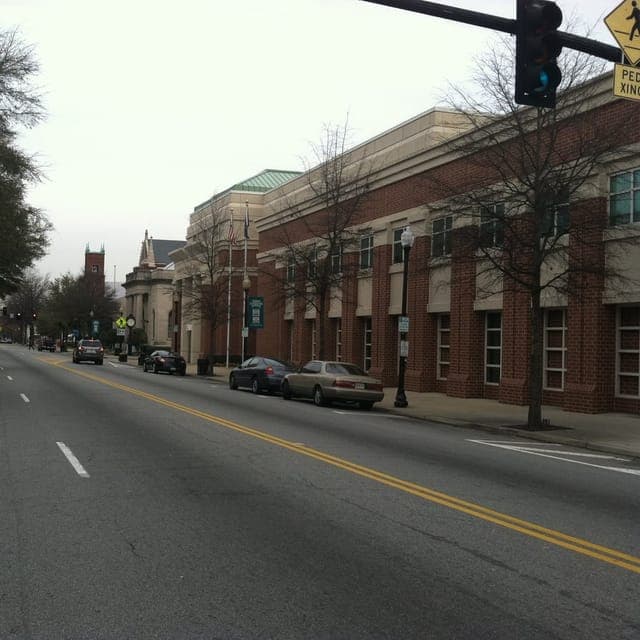
Entertainment beyond the outdoors is limited. Suffolk doesn't have a major music venue or a pro sports team—you drive 30 minutes to Norfolk for a Norfolk Admirals hockey game or a concert at the Chrysler Hall. What it does have is a growing downtown core with a few solid restaurants (The Burned Biscuit for breakfast, Brick & Mortar for dinner) and a handful of antique shops that draw a steady crowd. The cultural quirk here is that people are fiercely proud of Suffolk's "small-town feel" even as it grows—you'll hear locals complain about new subdivisions going in off Route 10, but they'll also tell you they'd never move to Chesapeake or Virginia Beach because "it's too crowded."
Pros and Cons of Living Here: The Honest Trade-Offs
What longtime residents love:
- Space and affordability. The median home value of $329,600 buys you a lot more house than in Norfolk or Virginia Beach—think a 3-bedroom ranch on a half-acre lot, not a townhouse with a postage-stamp yard. The cost of living index of 123 is above the national average, but it's a bargain by Hampton Roads standards.
- Low violent crime. At 209 per 100,000 residents, the violent crime rate is notably lower than the national average of 380. Property crime is more of a concern, especially in the more suburban pockets near the Chesapeake border, but most people feel safe walking their dogs at night.
- Real community. If you want to know your neighbors, Suffolk delivers. The median age of 38.7 means a lot of families in the same life stage, and the 32.4% college-educated rate keeps the conversation interesting without feeling pretentious.
What frustrates them:
- The commute can bite. That 30-minute average hides a lot of variation. If you work at the Norfolk Naval Shipyard or in downtown Norfolk, you're looking at 45 minutes to an hour each way, and the traffic on Route 58 and the Monitor-Merrimac Memorial Bridge-Tunnel is a genuine pain point.
- Not much nightlife. If you're under 30 and single, Suffolk will feel sleepy. The bar scene is thin, and most restaurants close by 9 p.m. on weeknights. The young crowd tends to migrate to Norfolk or Virginia Beach on weekends.
- Growing pains. New housing developments are popping up fast, especially around Harbour View and North Suffolk, and the infrastructure isn't keeping up. Roads like Route 17 and Wilroy Road get clogged during rush hour, and some residents worry the small-town character is fading.
For the right person—someone who values space, safety, and a slower pace over urban excitement—Suffolk is a solid bet. It's not for everyone, but the people who love it here tend to stay.

* Values derived from national, state, county, city and local statistics and may differ in a specific area. Last updated: 2026-07-12T08:27:54.000Z
Narrative content on this page is AI-generated and may contain mistakes. Verify any details that matter before acting on them.
ReloMaps may earn a commission from affiliate links at no extra cost to you.

