
Photo by Chandler Cruttenden on Unsplash
Find The Best Places To Live in Roanoke City County
PRO TIP! You can paste a Zillow or Redfin link to get info on that property.
Best Places to Live in Roanoke City County
Cities & Towns in Roanoke City County
Cities in Roanoke City County
What It's Like Living in Roanoke City County, VA
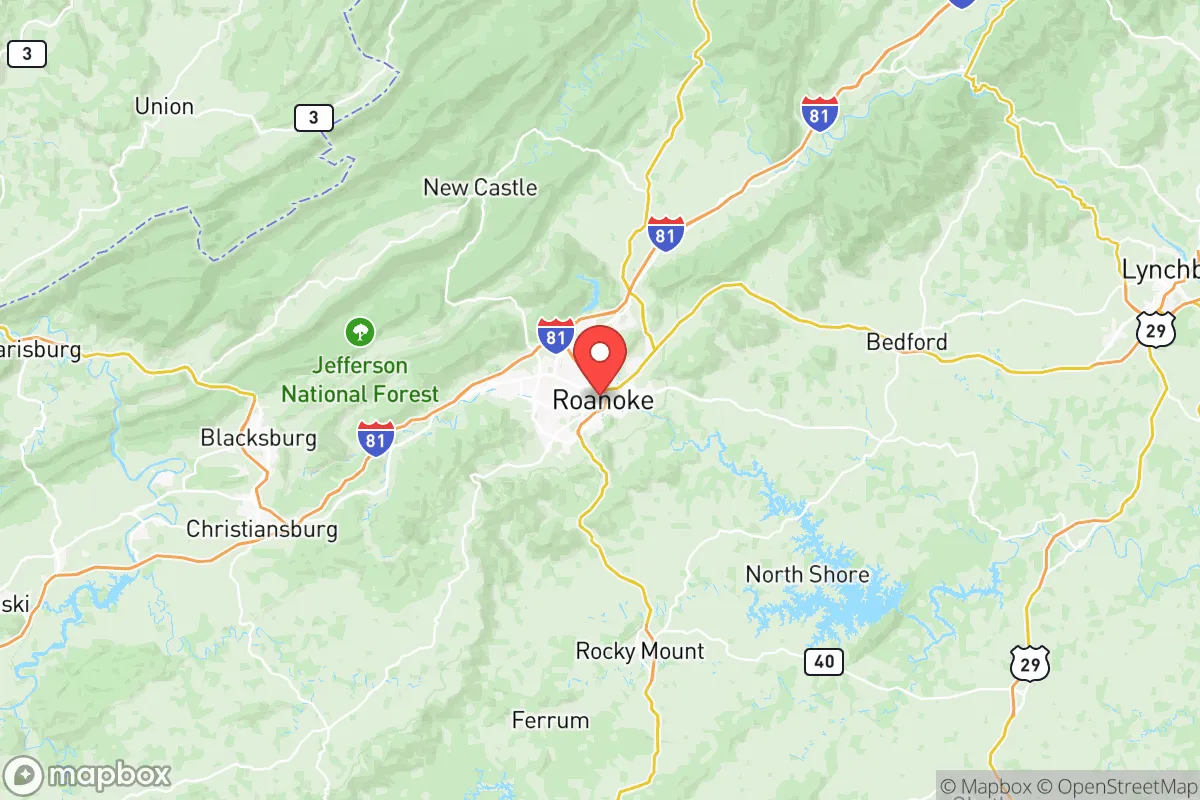
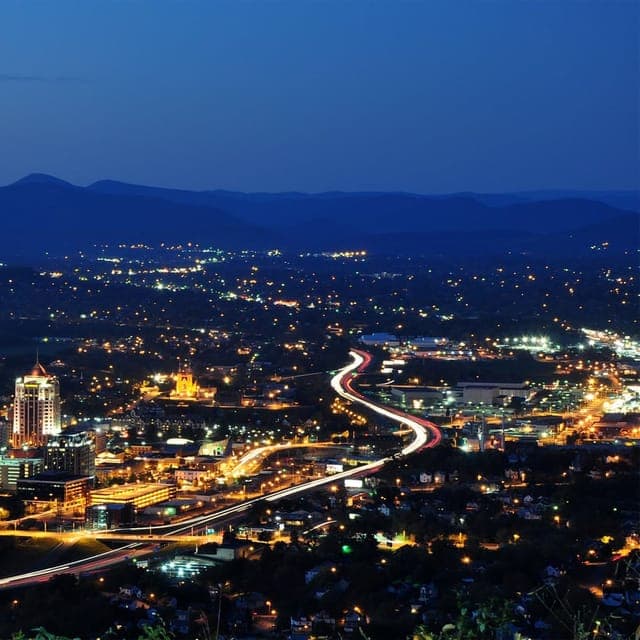
Roanoke City County is a place where the Blue Ridge Mountains aren't just a postcard backdrop—they're the daily reality. With a population just shy of 99,000, it’s a compact, self-contained metro that feels like a big small town, where you can grab coffee in Grandin Village, hike a national-park trail, and still be home in time for dinner. It’s not a booming Sun Belt suburb or a sleepy rural outpost; it’s a practical, affordable, outdoorsy community that attracts people who want mountain views without the tourist crowds of Asheville or the sprawl of Charlotte.
The Daily Rhythm: What People Actually Do
Most mornings in Roanoke start with a commute that averages just under 20 minutes—one of the shortest in Virginia for a city its size. That means less time in the car and more time for what matters. People here shop at the Roanoke City Market, a historic farmers’ market in the heart of downtown that’s been running since 1882, or hit the big-box stores along Valley View Boulevard. For groceries, you’ll find Kroger and Food Lion, but locals swear by the co-op in the Grandin Village neighborhood for local produce and bulk bins.
Weekends are often spent outdoors. The Roanoke Valley Greenway system offers over 30 miles of paved trails, and Mill Mountain—home to the iconic Roanoke Star—is a 10-minute drive from downtown. Families with kids head to Explore Park, a 1,100-acre outdoor recreation area in nearby Vinton, or spend Saturday mornings at the Virginia Museum of Transportation, which houses a massive collection of steam locomotives. The city’s median age is 38, and the median household income sits at $52,671, which is below the national average—but so is the cost of living, at 75 on the index. That combination means many residents have a bit more breathing room than they would in pricier parts of the state.
Sports, Community, and Friday-Night Lights
High school sports are a genuine center of gravity here. Roanoke is home to several strong programs—Patrick Henry High School and William Fleming High School are the two largest public schools, and their football games draw real crowds. But the city’s biggest sports identity is tied to the Salem Red Sox, a minor-league baseball team (Class A affiliate of the Boston Red Sox) that plays just across the county line in Salem. Games at Haley Toyota Field are a summer staple: cheap tickets, fireworks on Fridays, and a relaxed, family-friendly vibe.
For college sports, Virginia Tech in Blacksburg is about 45 minutes down I-81, and many Roanoke residents are Hokies fans by default. On game days, bars like Fork in the Alley and Martin’s Downtown fill up with maroon and orange. There’s no major pro team in town, but the Roanoke Rail Yard Dawgs—a minor-league hockey team—play at the Berglund Center and have a loyal following. It’s not the NHL, but the games are loud, affordable, and a fun winter night out.
What’s There to Do: Festivals, Food, and the Outdoors
Roanoke punches above its weight in entertainment for a city its size. The Blue Ridge Marathon (dubbed “America’s Toughest Road Marathon”) draws runners from across the country each April. In summer, the Local Colors Festival celebrates the region’s growing diversity with food, music, and dance from over 50 ethnic groups. The Roanoke Go Outside Festival in October is one of the largest outdoor recreation festivals on the East Coast, with climbing walls, paddleboarding, and live bands.
Food-wise, the scene is solid without being flashy. Texas Tavern is a legendary 24-hour diner downtown that’s been serving chili and burgers since 1930—it’s a Roanoke institution. For nicer meals, Lucky Restaurant in Grandin Village offers Southern-inspired comfort food, while Bloom downtown does upscale New American. The craft beer scene is growing, with spots like Big Lick Brewing Company and Twisted Track Brewpub drawing a local crowd. If you’re looking for nightlife, downtown Roanoke has a handful of live music venues—the Jefferson Center and the Elmwood Park amphitheater host national acts, but most nights you’ll find local bands playing at Martin’s Downtown or the Front Row.
Pros and Cons of Living Here
Let’s be honest: Roanoke isn’t for everyone, and that’s fine. Here’s what longtime residents love and what frustrates them:
- Pro: Affordability. The median home value is $180,500—roughly half of what you’d pay in Richmond or Northern Virginia. A family can buy a solid three-bedroom in a neighborhood like Raleigh Court or Wasena for well under $250,000. Rents are similarly reasonable.
- Pro: Outdoor access. The Blue Ridge Parkway runs right through the county, and the Appalachian Trail is a 30-minute drive. You can hike McAfee Knob (one of the most photographed spots on the AT) and be back for lunch.
- Con: Job market. The economy is anchored by healthcare (Carilion Clinic is the largest employer), education, and manufacturing. If you’re in tech or finance, opportunities are limited. Many college-educated workers—about 28.9% of residents have a degree—end up commuting to Blacksburg or working remotely.
- Con: Crime perception. The violent crime rate is 209 per 100,000, which is slightly above the national average but below many comparably sized cities. Property crime is more of a concern in certain downtown-adjacent neighborhoods, but most of the county feels safe.
- Pro: Weather. Four distinct seasons, with mild winters (average January high of 44°F) and humid summers (July highs around 86°F). Snowfall is modest—usually 15–20 inches a year—and the mountains keep things cooler than the Virginia Piedmont.
- Con: Limited diversity. Roanoke is predominantly white (about 60%) with a significant Black population (roughly 27%) and small Latino and Asian communities. It’s not a melting pot, though the Local Colors Festival is a genuine effort to broaden that.
For the right person—someone who values outdoor recreation, affordable living, and a slower pace—Roanoke City County is a solid, unpretentious place to put down roots. It’s not trying to be the next Austin or Asheville. It’s just trying to be a good place to live, and for most people here, it succeeds.

* Values derived from national, state, county, city and local statistics and may differ in a specific area. Last updated: 2026-07-08T07:06:00.000Z
Narrative content on this page is AI-generated and may contain mistakes. Verify any details that matter before acting on them.
ReloMaps may earn a commission from affiliate links at no extra cost to you.

