
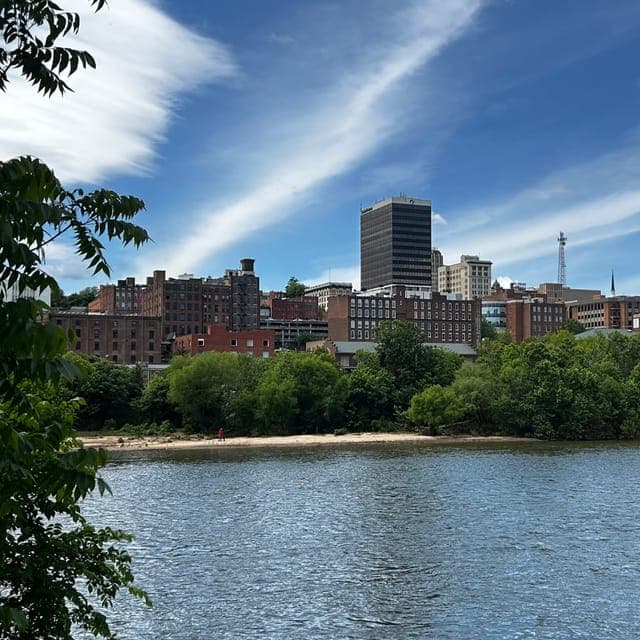
Photo by Lukas Souza on Unsplash
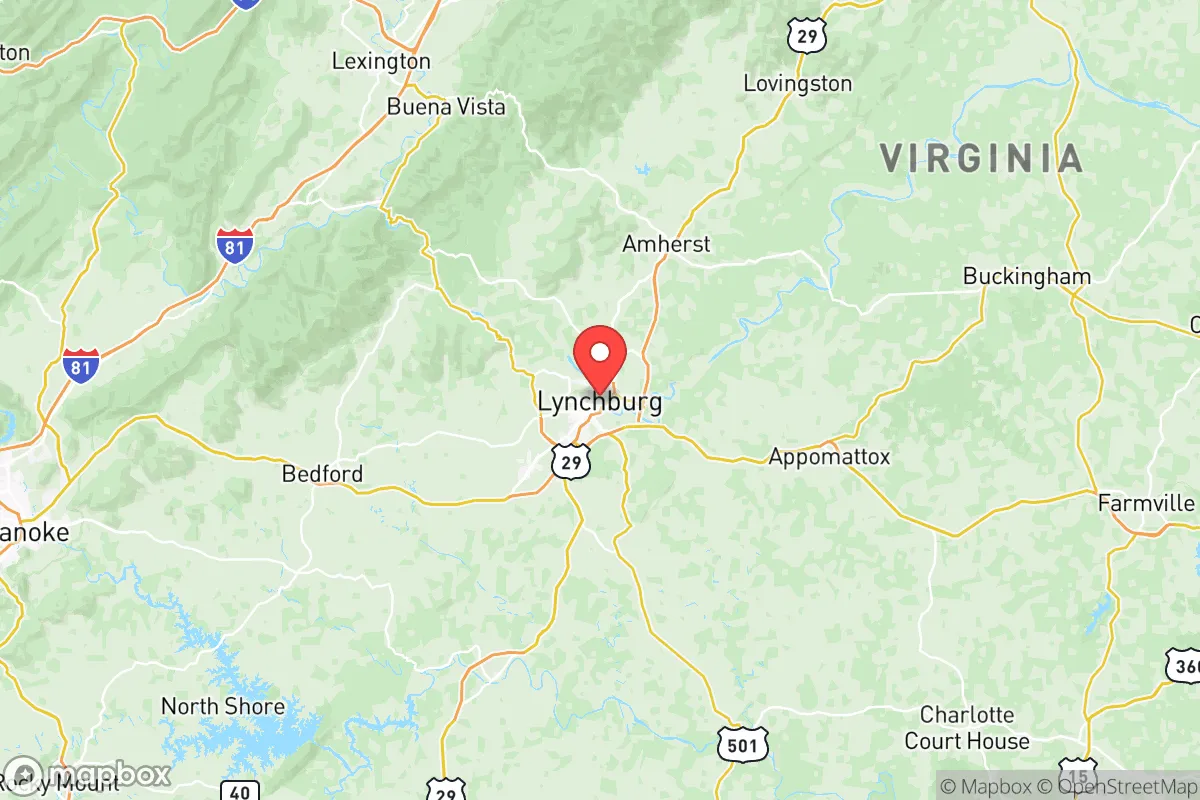
Find The Best Places To Live in Lynchburg City County
PRO TIP! You can paste a Zillow or Redfin link to get info on that property.
Best Places to Live in Lynchburg City County
Cities & Towns in Lynchburg City County
Cities in Lynchburg City County
What It's Like Living in Lynchburg City County, VA
Living in Lynchburg City County means settling into a place that feels both like a small city and a collection of distinct neighborhoods, from the historic streets of downtown Lynchburg to the quieter corners of Boonsboro and the more rural stretches near Timberlake. With a population just under 80,000, it’s big enough to have its own rhythm but small enough that you’ll start recognizing faces at the grocery store. The vibe here is grounded, a bit traditional, and shaped heavily by the presence of Liberty University and a handful of other colleges, which gives the area a younger median age of 28.4 and a noticeably college-town energy during the school year.
Daily Rhythm: Work, Commute, and Where You Actually Spend Time
For most people, daily life in Lynchburg revolves around a few key corridors—Wards Road for shopping and chain restaurants, the downtown area for local coffee shops and breweries, and the Blackwater Creek Trail for a quick escape into nature. The average commute is a remarkably short 17 minutes, which means you can live in a neighborhood like Fort Hill or Boonsboro and still get to work on the other side of town in under 20 minutes without the highway stress you’d find in Richmond or Northern Virginia. Major employers include Centra Health, Liberty University, and a growing number of manufacturing and logistics firms along the US 29 corridor. People here tend to be practical and family-oriented; weekends often involve a trip to the Lynchburg Community Market, a hike at Peaks View Park, or grabbing a bite at a local staple like The Water Dog or RA Bistro. If you’re the kind of person who values a short commute, a slower pace, and a community where you can actually get to know your neighbors, this fits.
Sports, Community, and the College Influence
Sports in Lynchburg are dominated by Liberty University athletics, and it’s hard to overstate how much the Flames shape the local identity. Football games at Williams Stadium draw big crowds, and basketball season at the Liberty Arena brings a steady energy to the city during winter. High school football is also a real deal here—rivalries between E.C. Glass and Heritage High School pack stands on Friday nights, especially when they play at City Stadium. For a smaller city, the sports scene punches above its weight, partly because Liberty’s Division I presence gives locals a pro-level experience without leaving town. Beyond the games, the community rallies around events like the Lynchburg Hillcats minor league baseball games at Bank of the James Stadium, which are a low-key, affordable way to spend a summer evening. If you’re not into sports, the college influence still shows up in other ways—lectures, concerts, and guest speakers at Liberty and the University of Lynchburg keep the cultural calendar fuller than you’d expect for a city this size.
What’s There to Do: Outdoors, Eats, and Local Quirks
Outdoor life is a genuine draw here. The James River runs right through the county, offering kayaking, fishing, and the James River Heritage Trail for biking and walking. The Blue Ridge Parkway is a 20-minute drive west, making day trips to the Peaks of Otter or the town of Bedford a regular weekend activity for locals. On the food and drink side, Lynchburg has developed a respectable craft beer scene—places like Three Roads Brewing and Starr Hill Beer Hall & Rooftop are popular hangouts, and the downtown area has a handful of solid independent restaurants like The Neighbors Place and Dish. One quirk you’ll notice: the city has a dry history tied to its name, but that’s long gone, and you’ll find plenty of bars and bottle shops today. The biggest annual event is the Lynchburg Greek Festival, but locals also look forward to the Virginia 10 Miler, the Get Downtoen music series, and the Christmas tree lighting at Monument Terrace. If you’re coming from a bigger city, you might miss the variety of late-night options or big-name concerts, but for most people, the trade-off is a lower cost of living and less hassle getting anywhere.
Pros and Cons of Living in Lynchburg City County
- Pro: Affordability that actually works. With a median home value of $211,800 and a cost of living index of 84 (well below the national average of 100), you can buy a house here on a median income of $59,808 without feeling stretched. That’s a stark contrast to places like Charlottesville or Richmond, where similar homes cost significantly more.
- Pro: Short commute, big outdoor access. The 17-minute average commute is a quality-of-life win, and having the Blue Ridge Parkway and James River so close means you can be on a trail or on the water in under half an hour from almost anywhere in the county.
- Con: Limited nightlife and cultural variety. If you’re used to a city with a thriving music scene, diverse dining, or late-night options, Lynchburg will feel quiet. The college crowd keeps things lively during the school year, but summers can be slow, and the options for entertainment are narrower than in larger metros.
- Con: Crime is present, though not extreme. The violent crime rate of 209 per 100,000 is slightly above the national average, and it’s concentrated in certain areas. Most people feel safe in their neighborhoods, but it’s worth researching specific parts of town—Boonsboro and Wyndhurst tend to be quieter, while some areas closer to downtown have more incidents.
- Pro: A strong sense of community identity. Whether it’s the local school system, church networks, or neighborhood associations, people here tend to know each other and look out for one another. For families, the schools—especially in areas like Forest and Timberlake—are a big part of the social fabric, and parent involvement is high.
Lynchburg isn’t trying to be a hip destination or a booming metropolis. It’s a place where you can buy a home, raise a family, and have a decent quality of life without the stress of a long commute or a high cost of living. The college presence keeps things from feeling stagnant, and the surrounding natural beauty gives you plenty of reasons to get outside. If you’re looking for a city that’s affordable, safe enough, and full of people who value community and tradition, it’s worth a serious look.

* Values derived from national, state, county, city and local statistics and may differ in a specific area. Last updated: 2026-06-15T20:40:40.000Z
Narrative content on this page is AI-generated and may contain mistakes. Verify any details that matter before acting on them.
ReloMaps may earn a commission from affiliate links at no extra cost to you.

