Photo: Wikipedia
Find The Best Places To Live in Greene County
PRO TIP! You can paste a Zillow or Redfin link to get info on that property.
Best Places to Live in Greene County

Cities & Towns in Greene County
Cities in Greene County
What It's Like Living in Greene County, VA
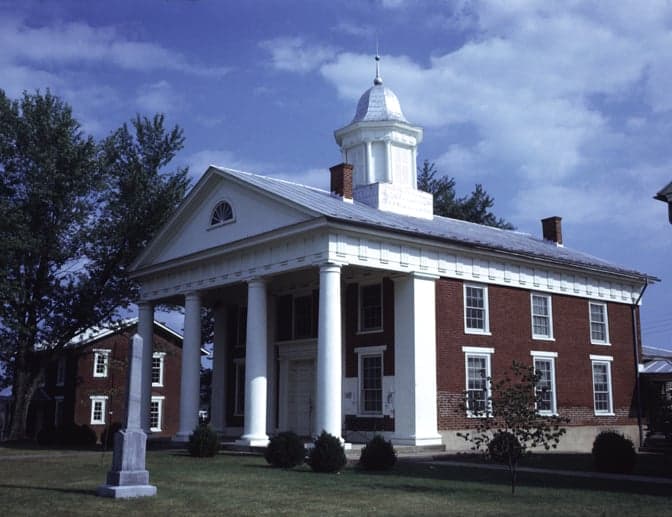
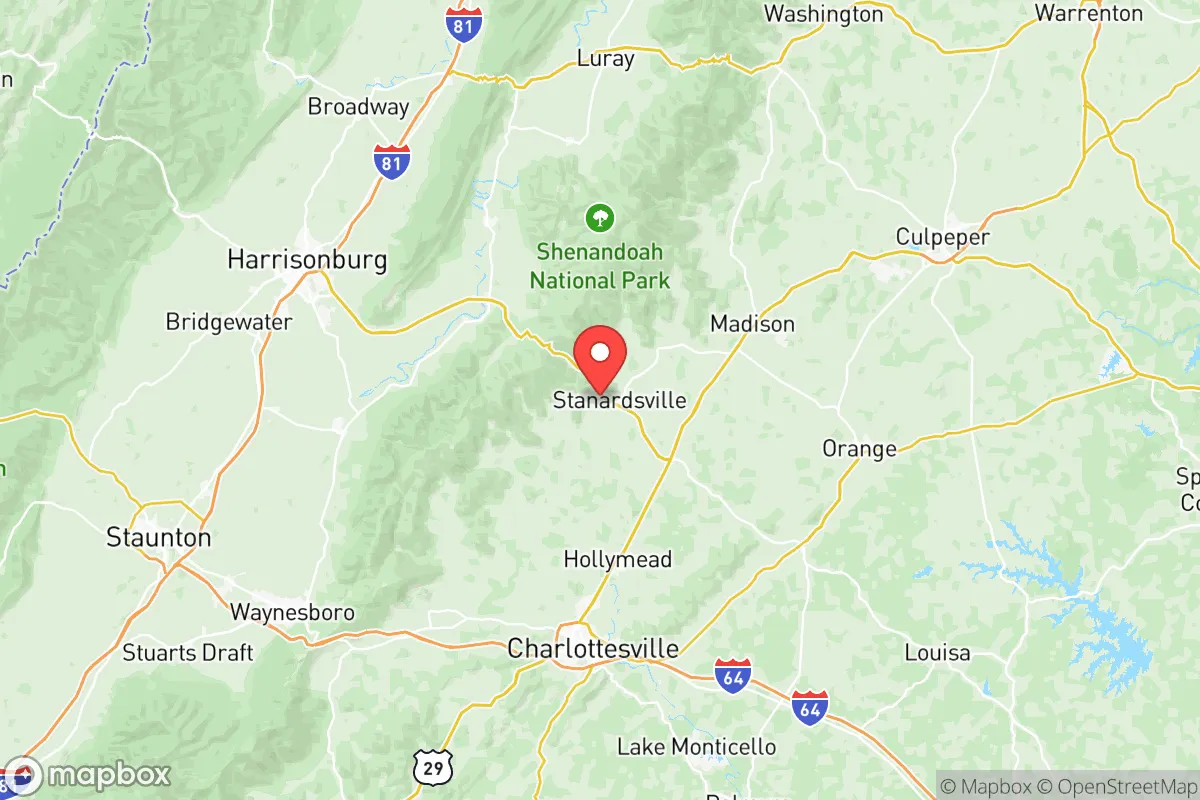
Greene County feels like the place where the Blue Ridge foothills start to pull people in for good. It’s a mostly rural stretch of central Virginia where Stanardsville is the county seat and the only real hub, but you’ll find smaller communities like Ruckersville, Quinque, and Lydia scattered along the highways. The vibe is quieter than Charlottesville (which is 20 minutes south) but not so remote that you feel cut off—people here tend to be self-sufficient, outdoorsy, and a little protective of the county’s slow pace.
Daily Rhythm: Where You Shop, Eat, and Spend Your Weekends
Most mornings in Greene County start with a commute. The average drive is about 31 minutes, and that’s because a lot of residents work in Charlottesville or even farther north in Culpeper. Stanardsville’s Main Street has a few local spots—the Blue Moon Diner is a reliable breakfast stop, and Bald Top Brewing Company out on the county line is where you’ll find folks on a Saturday afternoon, sitting on the lawn with a view of the mountains. For groceries and errands, Ruckersville is the practical center, with a Food Lion, a hardware store, and a few fast-food chains. Weekend plans often revolve around the Shenandoah National Park entrance just west of Stanardsville—hiking Old Rag or Whiteoak Canyon is a rite of passage here. The Greene County Fair in August is a big deal, with livestock shows and a demolition derby that draws families from all over the county.
Sports, Community, and the Schools’ Role
High school sports are the main event. Greene County High School’s football team (the Fighting Dragons) packs the stands on Friday nights in the fall, and the rivalry with neighboring William Monroe High School in Stanardsville is genuine—expect full bleachers and a lot of local pride. Basketball and baseball also get solid turnout, but it’s football that anchors the community calendar. The schools themselves are a central part of life here; with a median age of 40.8, many residents are families with kids in the county’s three elementary schools, one middle school, and one high school. The schools aren’t huge, so teachers know students by name, and parent involvement is high. That said, the college-educated rate is 28.5%, which is below the national average—many locals work in trades, agriculture, or remote jobs tied to the Charlottesville tech and medical sectors.
What’s There to Do: Outdoors, Festivals, and Local Hangouts
If you’re not hiking or fishing, you’re probably at a local brewery or a community event. Bald Top Brewing and Blue Toad Hard Cider (just over the line in Albemarle County) are the go-to spots for a relaxed evening. The Greene County Farmers Market runs from May through October in Stanardsville, and it’s where you’ll find local honey, produce, and crafts. For music, you’ll drive to Charlottesville for bigger shows, but the Greene County Library hosts small concerts and author talks. The biggest annual draw is the Greene County Fall Foliage Festival in October, which includes a parade, craft vendors, and enough apple cider to last the season. Outdoorsy types also spend weekends at Swift Run Gap or fishing the Rapidan River. The downside? Nightlife is almost nonexistent—if you want a bar open past 10 p.m., you’re heading to Charlottesville or Culpeper.
Pros and Cons of Living Here
- Pro: Lower home prices than Charlottesville. The median home value is $315,300, which is steep for a rural county but still tens of thousands less than what you’d pay in Albemarle County. You get more land here—many homes sit on an acre or more.
- Pro: Genuine small-town feel. People wave on the road, neighbors help with hay bales, and the county’s population of 20,850 means you’ll recognize faces at the grocery store.
- Con: Limited local jobs. The median income is $85,268, but that’s often from jobs in Charlottesville or remote work. Locally, the biggest employers are the school system, the county government, and a few manufacturing plants in Ruckersville.
- Con: The commute and lack of amenities. A 31-minute average commute is a reality for most, and you’ll drive at least 20 minutes for a sit-down restaurant that isn’t a chain or a grocery store with a full deli. The cost of living index is 122, which is high for a rural area—driven mostly by housing and transportation costs.
- Con: Crime is a mixed bag. The violent crime rate is 209.8 per 100,000, which is slightly below the national average but higher than some neighboring counties. Property crime, especially theft from vehicles, is the more common complaint among residents.
The weather follows a classic Virginia rhythm: humid summers with highs in the upper 80s, mild autumns that draw leaf-peepers from all over, and winters that are cold but rarely brutal—snowfall averages around 20 inches, enough to cancel school a couple times a year. Spring is wet and green, with mud season lasting into April. Traffic is only a real headache on Route 29 near Ruckersville, where commuters bottleneck heading toward Charlottesville. For the right person—someone who values space, mountain access, and a tight-knit community over urban convenience—Greene County is a solid fit. It’s not for people who need a 24-hour gym or a late-night taco joint, but if you’re okay with driving a half-hour for most things, the trade-off is a slower, quieter life with the Blue Ridge as your backyard.

* Values derived from national, state, county, city and local statistics and may differ in a specific area. Last updated: 2026-09-07T21:40:59.000Z
Narrative content on this page is AI-generated and may contain mistakes. Verify any details that matter before acting on them.
ReloMaps may earn a commission from affiliate links at no extra cost to you.

