Find The Best Places To Live in Falls Church City County
PRO TIP! You can paste a Zillow or Redfin link to get info on that property.
Best Places to Live in Falls Church City County
Cities & Towns in Falls Church City County
Cities in Falls Church City County
What It's Like Living in Falls Church City County, VA
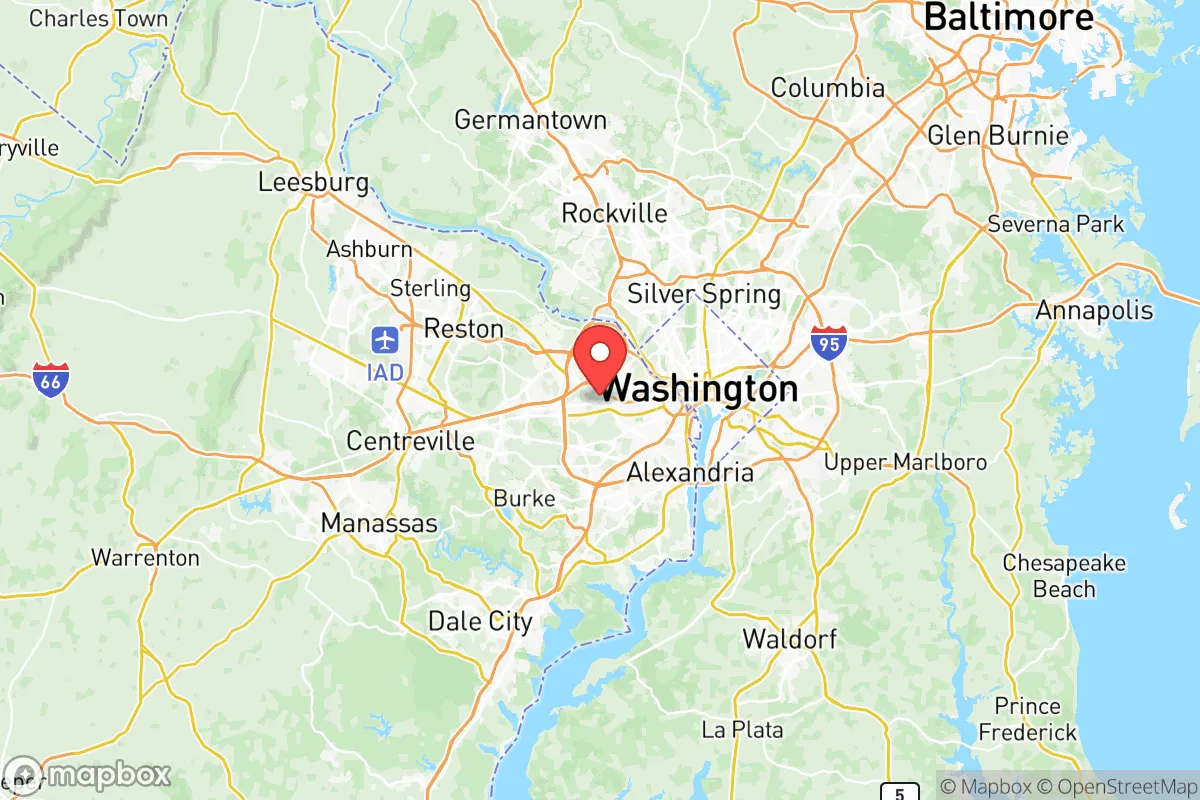
Falls Church City County is a small, dense, and highly educated enclave inside the Washington D.C. beltway, where the median home value of $1,005,400 and a median income of $154,734 tell you immediately that this isn't a place you stumble into by accident. It's a community of roughly 14,593 people who have chosen to pay a premium for walkable streets, top-tier public schools, and a commute to D.C. that averages just 27.5 minutes. The vibe is less "suburban sprawl" and more "small town that happens to be inside a major metro area," with a median age of 39.4 reflecting a population heavy on established professionals and families who have decided the trade-off of space for proximity is worth it.
Daily Rhythm in a Walkable Beltway Pocket
Life in Falls Church City revolves around a few key corridors. The stretch of Broad Street (Route 7) between downtown Falls Church and the Seven Corners area is where most errands happen, but the real center of gravity is the City of Falls Church itself—the independent city that gives the county its name. Residents walk to the Saturday morning farmers market at City Hall, grab coffee at Northside Social, and let their kids play on the grounds of Cherry Hill Park without getting in a car. The W&OD Trail cuts right through the city, and on any given weekend you'll see families on bikes, runners, and people walking dogs from one end of town to the other. The State Theatre on Broad Street pulls in live music acts and comedy shows, giving the area a cultural anchor that most suburbs its size lack. For groceries, the Falls Church Giant and the Harris Teeter in the nearby Bailey's Crossroads area handle the basics, but the real local institution is Eden Center—a Vietnamese shopping and dining complex just over the border in Arlington that serves as the de facto "third place" for many residents who crave pho and bánh mì on a regular basis.
Schools, Sports, and the Family Anchor
If you ask a Falls Church City resident why they live here, the answer almost always starts with the schools. The entire county is served by Falls Church City Public Schools, a small district that consistently ranks among the top in Virginia. George Mason High School (soon to be renamed as part of a new campus project) is the sole public high school, and its Friday-night football games at Meridian High School's stadium draw a surprising crowd for a school of its size—think 400-500 parents and students bundled up in November, cheering on the Mustangs. The Falls Church Little League fields at Berman Park are packed on spring evenings, and the Falls Church Recreation and Parks Department runs youth soccer, basketball, and swim programs that function as the social glue for families with kids under 12. For high school sports, lacrosse and soccer are the big draws, reflecting the broader Northern Virginia trend. There's no college or pro team in the city itself, but George Mason University in nearby Fairfax is a 15-minute drive, and D.C.'s Nationals, Capitals, Wizards, and D.C. United are all within a 30-minute Metro ride from the East Falls Church Metro station.
What Frustrates and What Delights
The biggest frustration is obvious: cost. With a cost of living index of 256—more than two and a half times the national average—and a median home value over a million dollars, Falls Church City is effectively closed off to anyone who isn't already established in a high-earning profession. Rentals are scarce and expensive, and even families with six-figure incomes often find themselves stretching to afford a townhouse. Traffic on Broad Street and Route 50 during rush hour is genuinely bad, and the city's small footprint means there's no real way to avoid it. The violent crime rate of 209 per 100,000 is slightly above the national average, though most residents will tell you it's concentrated in specific areas and rarely affects daily life in the walkable core. On the delight side, the Falls Church Memorial Day Parade is a genuine small-town tradition—kids on decorated bikes, veterans marching, and the whole city lining the route. The Falls Church Farmers Market runs year-round, and the Little City Grill on Broad is the kind of diner where the staff knows regulars by name. For a place inside the beltway, it has a stubborn, proud sense of being its own thing—not just a bedroom for D.C. The kind of person who fits here is someone who values walkability, excellent schools, and a 27-minute commute over square footage and a big yard. If that trade-off sounds reasonable, Falls Church City County is hard to beat.

* Values derived from national, state, county, city and local statistics and may differ in a specific area. Last updated: 2026-06-17T22:01:31.000Z
Narrative content on this page is AI-generated and may contain mistakes. Verify any details that matter before acting on them.
ReloMaps may earn a commission from affiliate links at no extra cost to you.

