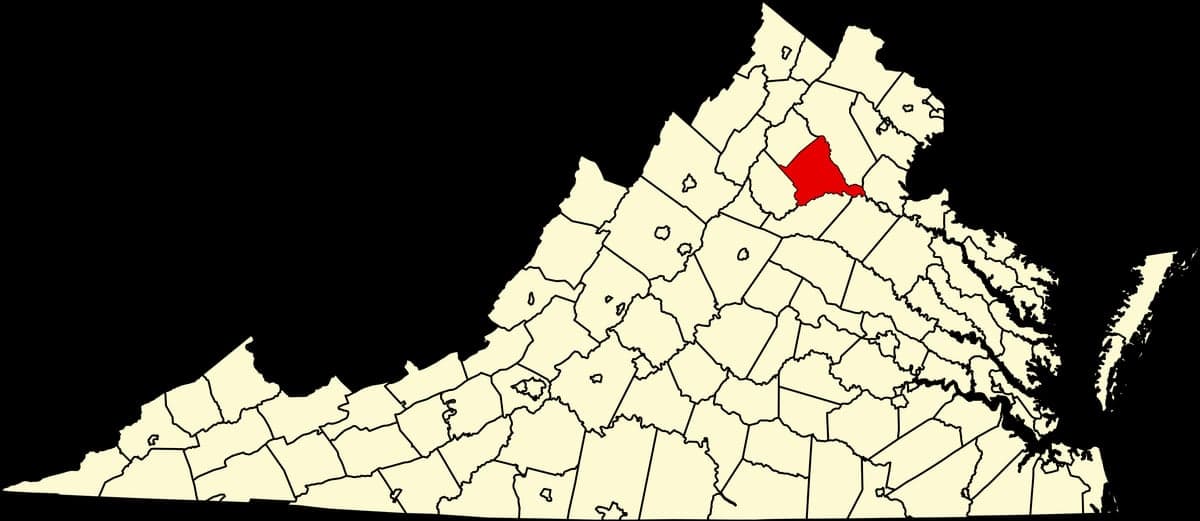
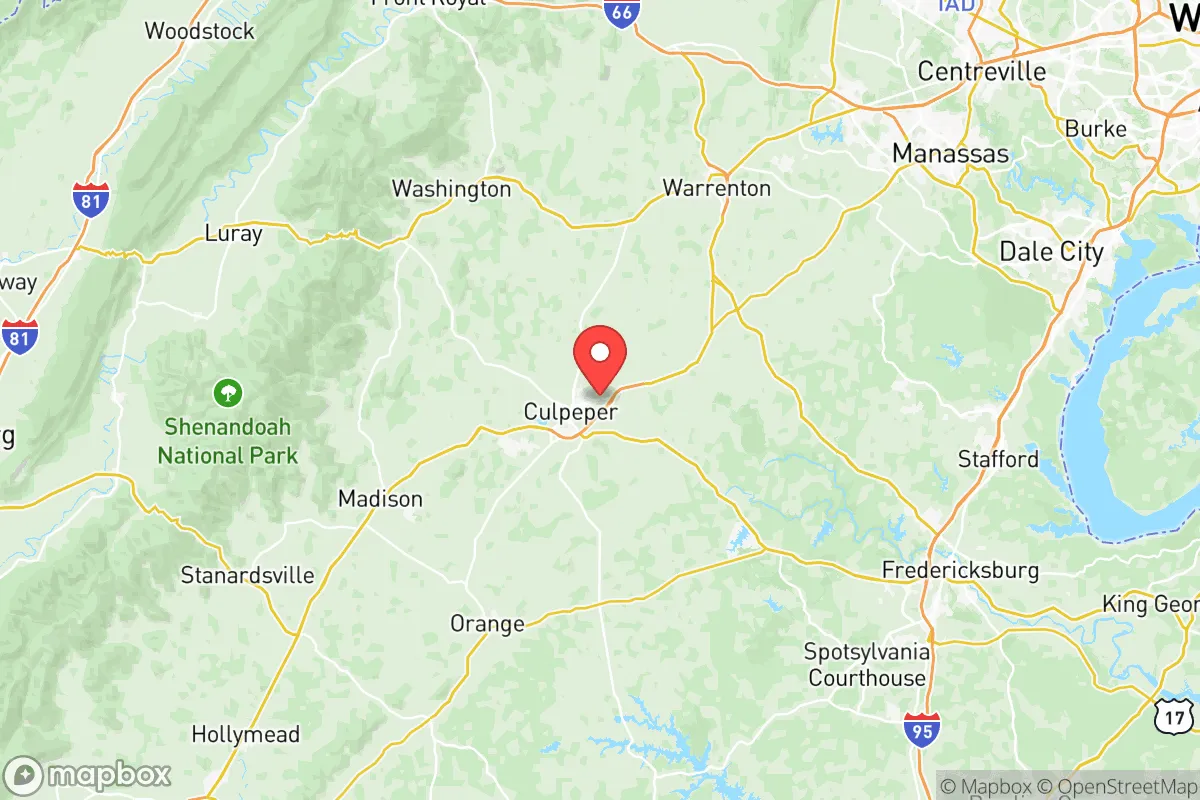
Photo: Wikipedia
Find The Best Places To Live in Culpeper County
PRO TIP! You can paste a Zillow or Redfin link to get info on that property.
Best Places to Live in Culpeper County
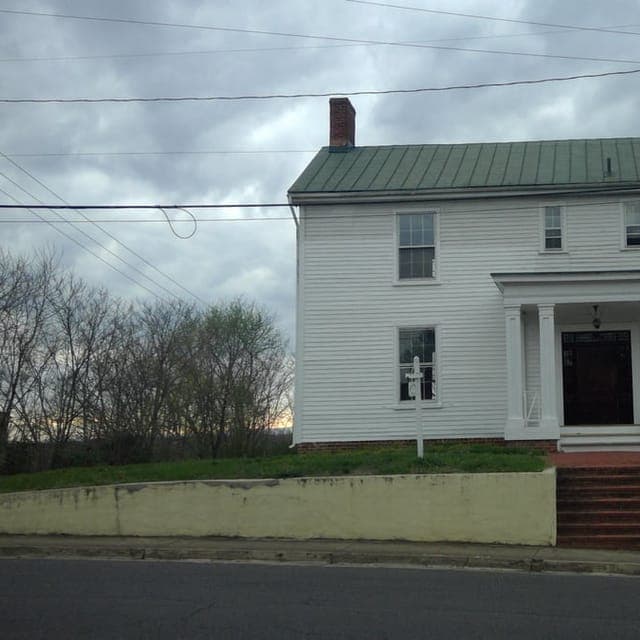
Cities & Towns in Culpeper County
Cities in Culpeper County
What It's Like Living in Culpeper County, VA
Culpeper County, Virginia, feels like a place where tradition is still a daily reality—a part of the state where old brick storefronts and working farms sit within commuting distance of the D.C. metro. For many, life here is a deliberate trade: less of the frantic energy of Northern Virginia for more space, a slower pace, and a stronger sense of who your neighbors are. People moving here are often priced out of Fairfax or Prince William, or they’re drawn by the idea of raising a family in a county that still celebrates its agricultural roots.
The Daily Rhythm: Where You Live, Work, and Shop
Your day-to-day in Culpeper County depends heavily on where you land. The town of Culpeper, the county seat, is the hub—a classic Virginia railroad town with a walkable historic district. Here, you’ll find the county’s best collection of independent shops, like the old-school Culpeper Hardware store, and local eateries such as Foti’s Restaurant and Graul’s Market. If you live in the rural areas around Jeffersonton or Rixeyville, your weekdays look different: you’re likely passing fields and horse farms on your way to a commuter lot. The average commute is a grinding 37 minutes, a reality for many who drive north to jobs in Manassas, Gainesville, or even Washington D.C. For families, weekends often revolve around kids’ sports at the county’s parks or a trip to the Culpeper County Airport for aviation events. The shopping landscape is a mix of big-box stores along the 29/15 bypass and the local businesses downtown, with the region’s dominant Costco and Wegmans located about 25 minutes east in Warrenton.
Sports, Community, and the Weekend Calendar
Youth sports are a lively part of life here, with Culpeper County High School football games on Friday nights being a genuine community gathering, not just a seasonal afterthought. There’s no major pro team in the county, but the Culpeper Minors, a local baseball team in the Valley Baseball League, offer cheap and cheerful summer nights. The major entertainment draws aren’t glitzy venues—they are events like the Culpeper Downtown Heritage Festival in April and the County Fair & Agricultural Show, which brings in crowds with livestock competitions and midway rides. For real outdoor life, the county has the Mountain Run Lake Park and the Culpeper Rail Trail, a 7.5-mile paved path that runs from the redeveloped train depot into the countryside. Wine-tasting at nearby vineyards like Old House Vineyards in Rixeyville is a standard weekend afternoon. Bars are low-key—places like Belle-Hampton Spirits downtown or the taproom at Beer Hound Brewery fill a niche for a decent local IPA without the crowd of a city nightclub.
Honest Pros and Cons: What Works and What Grates
- What longtime residents love: The deep sense of community—your kids’ teachers know your name, and it’s common to run into the same faces at the library and the grocery store. The cost of living, while high by national standards (index 128), is a bargain compared to the rest of Northern Virginia. The median home value of $386,400 is about half of what you'd pay for a comparable house in Fairfax County. The county feels genuinely safe despite a violent crime rate of 209 per 100,000—most residents feel perfectly fine letting their kids walk to a friend’s house.
- What frustrates them: The commute is draining, and the infrastructure on routes 29 and 3 can feel overwhelmed during rush hour. Dining and entertainment options are limited—if you want a concert or a trendy restaurant, it’s a 40-minute drive to Fredericksburg or an hour to Charlottesville. The weather is the classic four-season Virginia mix: summers are humid and buggy, and winter can bring gray days with the occasional nuisance snowfall. The county’s political identity is fairly conservative, which suits the audience nicely, but it can feel insular to newcomers who don't have a church or a kid in school to break the ice.
Life here fits a specific profile: someone who values a slower pace, places a premium on space and a backyard over nightlife, and is willing to trade the convenience of a big city for a lower mortgage and a higher chance of knowing your mail carrier. The median age of 39.3 and median income of $96,098 point to a mostly middle-to-upper-middle-class population, often in the trades, federal contracting, or remote professional work. The downsides—the commute, the limited cultural outlets, the humidity—are real, but for the type of person who finds charm in a county with a historic depot and a thriving 4-H scene, it’s a fair trade.

* Values derived from national, state, county, city and local statistics and may differ in a specific area. Last updated: 2026-06-25T08:00:13.000Z
Narrative content on this page is AI-generated and may contain mistakes. Verify any details that matter before acting on them.
ReloMaps may earn a commission from affiliate links at no extra cost to you.

