
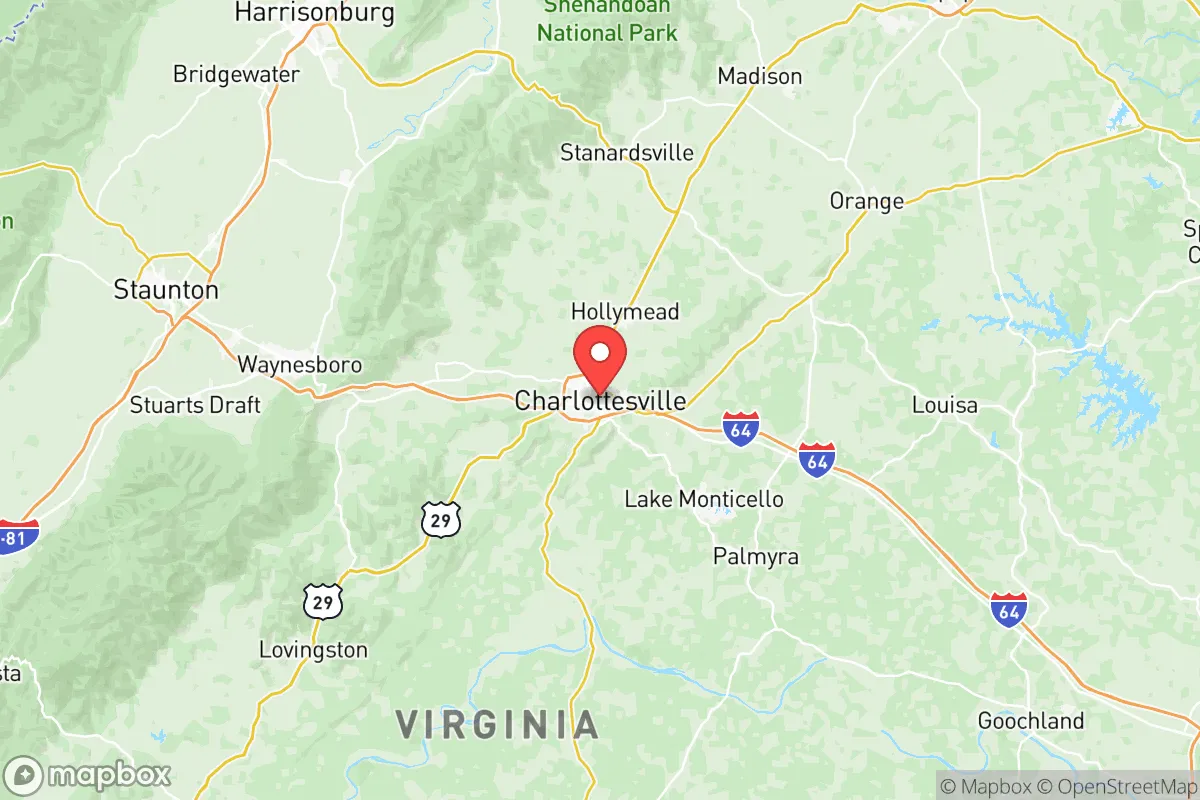
Find The Best Places To Live in Charlottesville City County
PRO TIP! You can paste a Zillow or Redfin link to get info on that property.
Best Places to Live in Charlottesville City County
Cities & Towns in Charlottesville City County
Cities in Charlottesville City County
What It's Like Living in Charlottesville City County, VA
Living in Charlottesville City County, Virginia, means trading sprawling suburbs for a compact, walkable city where the University of Virginia’s rotunda is as much a landmark as the Blue Ridge Mountains on the horizon. This is a place of intense intellectual energy, historic brick sidewalks, and a food scene that punches well above its weight for a city of 45,863 people. But it’s also a place where the cost of living index sits at 139—well above the national average—and where the median home value of $448,400 can feel like a barrier for anyone not tied to the university or a tech-adjacent career.
The Daily Rhythm: Walkable Blocks and Weekend Drives
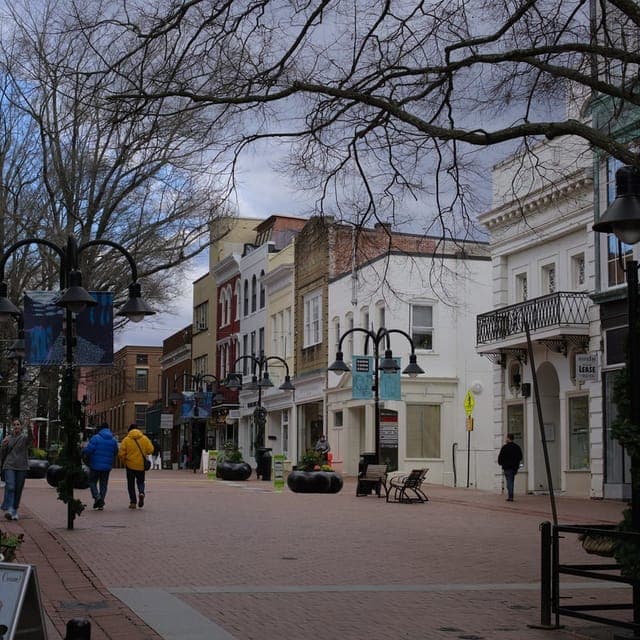
Most days here start with a coffee from Shenandoah Joe on Preston Avenue or a pastry from MarieBette on East Main. The city’s core is remarkably compact—the average commute is just under 17 minutes—so you’ll see people biking to work at UVA or walking to offices near the Downtown Mall. That pedestrian core, a nine-block brick promenade lined with independent bookshops like New Dominion Bookshop and live music venues like The Southern, is where the city’s social life plays out. On weekends, families head to Ivy Creek Natural Area for easy trails, or drive 20 minutes to Crozet for apple picking at Chiles Peach Orchard. The kind of person who fits here is often a professional in their early 30s (median age is 32.9), well-educated (60.6% hold a bachelor’s or higher), and willing to pay a premium for a walkable, culturally rich environment. You’ll see fewer families with school-age children than in the surrounding counties, partly because the city’s schools—while strong—are small, and partly because the housing market squeezes out middle-income households.
Sports, Community, and the UVA Gravity
Sports in Charlottesville means one thing above all: UVA Cavaliers basketball and football. On game days, the entire city shifts its rhythm. Scott Stadium and John Paul Jones Arena draw 50,000-plus fans, and bars like Boylan Heights and The Biltmore fill with alumni wearing orange and navy. High school sports are less of a community anchor here than in rural Virginia towns—Charlottesville High School’s football team draws decent crowds, but the real Friday-night energy is in places like Fluvanna County or Albemarle High School just outside the city limits. What the city lacks in Friday-night lights, it makes up for in year-round festivals. The Virginia Film Festival in October brings indie filmmakers to town, and Foxfield Races in April is a steeplechase event that doubles as a massive tailgate party for UVA students and locals alike. For a quieter weekend, the Charlottesville City Market on Saturdays is where you’ll find local honey, fresh produce, and the same neighbors you saw at the dog park the day before.
What’s There to Do: From Monticello to the Downtown Mall
You can’t live here without encountering Thomas Jefferson’s shadow—literally, since Monticello sits on a hill just outside town. It’s a major tourist draw, but locals also use the grounds for walking trails and the annual Heritage Harvest Festival. The city’s biggest cultural quirk is its pedestrian Downtown Mall, a mile-long stretch of restaurants, galleries, and the historic Paramount Theater. It’s where you’ll find Mas Tapas for Spanish small plates, Bodo’s Bagels for a quick breakfast (a local institution with three locations), and IX Art Park for outdoor concerts and murals. For outdoor recreation, the Rivanna Trail loops 20 miles around the city, and the Blue Ridge Parkway is a 15-minute drive west. The violent crime rate here is 209 per 100,000—slightly above the national average—and while most of it is concentrated in specific areas, it’s a fact that longtime residents will mention when discussing the city’s challenges. The median income of $69,829 is decent for the region, but with a cost of living 39% above the U.S. average, many service workers and young families find themselves priced out, often moving to Waynesboro or Staunton for more affordable housing.
Pros and Cons of Living in Charlottesville City County
- Pro: Walkability and culture. You can live without a car in the city core, and the Downtown Mall offers more live music, theater, and dining than cities three times the size.
- Con: Housing costs. The median home value of $448,400 is steep for a city of 45,000, and rental prices have climbed sharply since 2020.
- Pro: Access to nature. The Blue Ridge Mountains, Shenandoah National Park, and the James River are all within a 30-minute drive.
- Con: Limited job diversity. UVA and the medical center dominate the economy; if you’re not in healthcare, education, or tech, options are thin.
- Pro: Strong sense of community. The city’s small size means you’ll see familiar faces at the grocery store, and local events like the Tom Tom Founders Festival feel genuinely communal.
- Con: Traffic on the 29 corridor. The main north-south artery, Route 29, is a congested strip of strip malls and traffic lights that frustrates anyone commuting from Ruckersville or Pantops.
Weather here is four-season but mild: summers are humid with highs in the upper 80s, winters rarely see snow accumulation beyond a few inches, and spring and fall are spectacular. The schools—Charlottesville High School and Buford Middle School—are well-regarded but small, and many families opt for private schools like St. Anne’s-Belfield or Tandem Friends. The practical reality is that Charlottesville is a wonderful place for singles, couples, and empty-nesters with disposable income, but it can feel tight for families trying to buy a home on a single income. The city’s identity is proudly progressive, which can be a cultural fit or a friction point depending on your politics—but the shared love for the mountains, the university, and the downtown energy tends to bridge most divides.

* Values derived from national, state, county, city and local statistics and may differ in a specific area. Last updated: 2026-07-10T02:08:41.000Z
Narrative content on this page is AI-generated and may contain mistakes. Verify any details that matter before acting on them.
ReloMaps may earn a commission from affiliate links at no extra cost to you.

