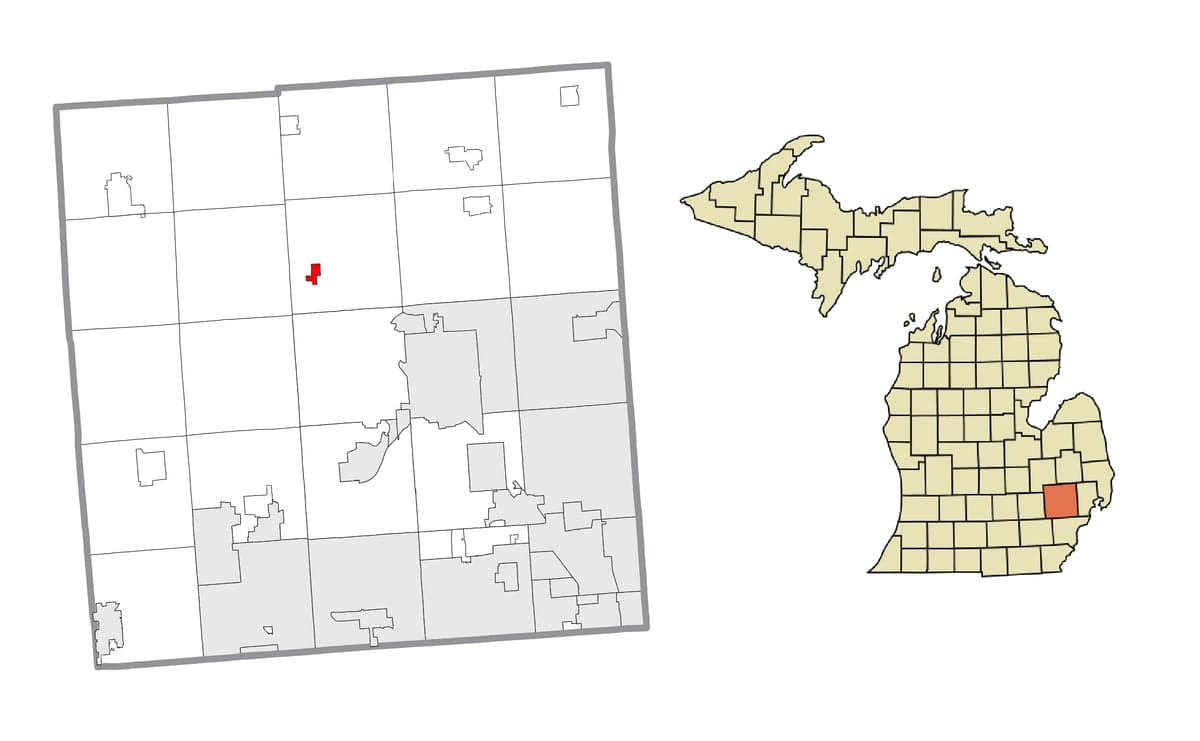
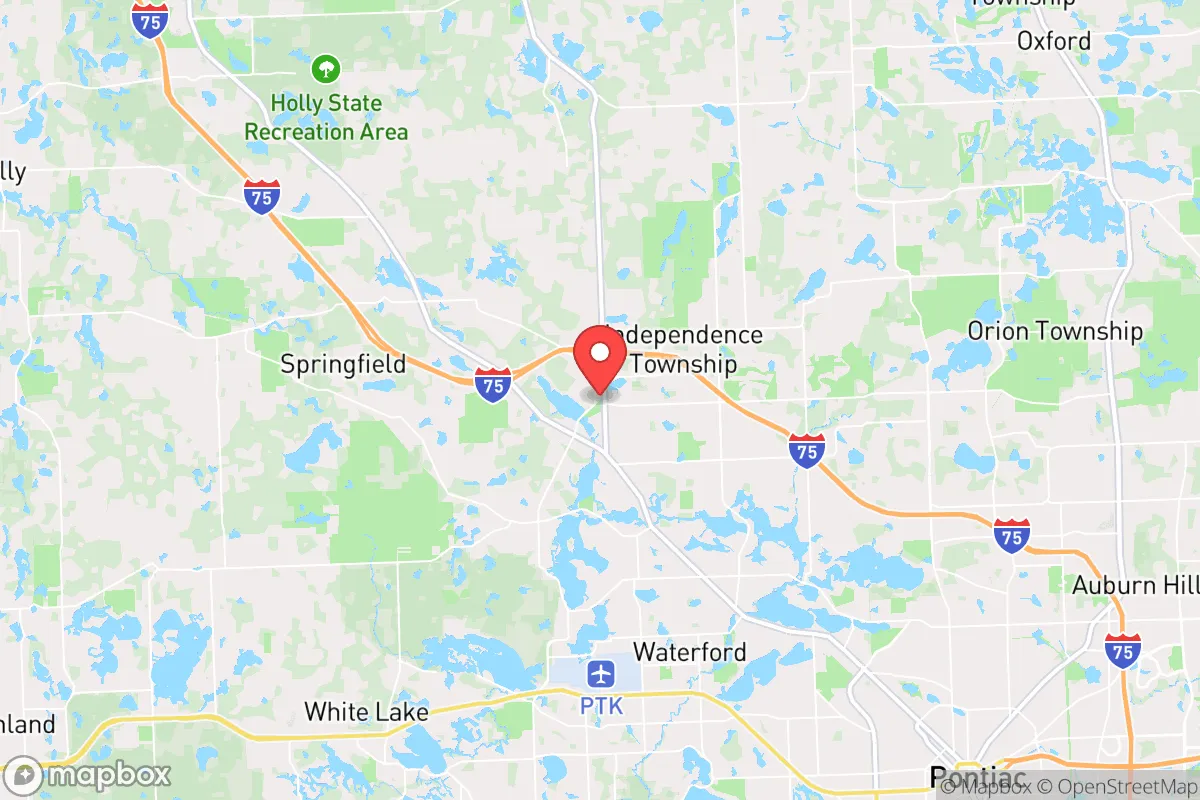
Photo: Wikipedia
Quality of Life in Village of Clarkston, MI
A high quality of life with strong walkability, manageable living costs, healthy neighborhood signals, and solid amenity access.
What does Quality of Life tell us?
Quality of Life blends cost of living, nearby amenities, socioeconomic signals, and neighborhood character. City-level scores represent the whole municipality; individual neighborhoods can differ.
What does this tell us?
Quality of Life blends cost of living, nearby amenities, socioeconomic signals, and neighborhood character. City-level scores represent the whole municipality; individual neighborhoods can differ.
Cost of Living
24% above national average
The Real Cost of Living in Village of Clarkston, MI for 2026
| Tier | Individual | Family (4) |
|---|---|---|
| Survival | $19k | $36k |
| Comfortable | $84k | $124k |
| Luxury | $171k+ | $265k+ |
| Elite (Top 5%) | $226k+ | $350k+ |
76%
The Area Signal
A metric tracking the socioeconomic signals of the area.
Hobbies
Explore the areaGroceries
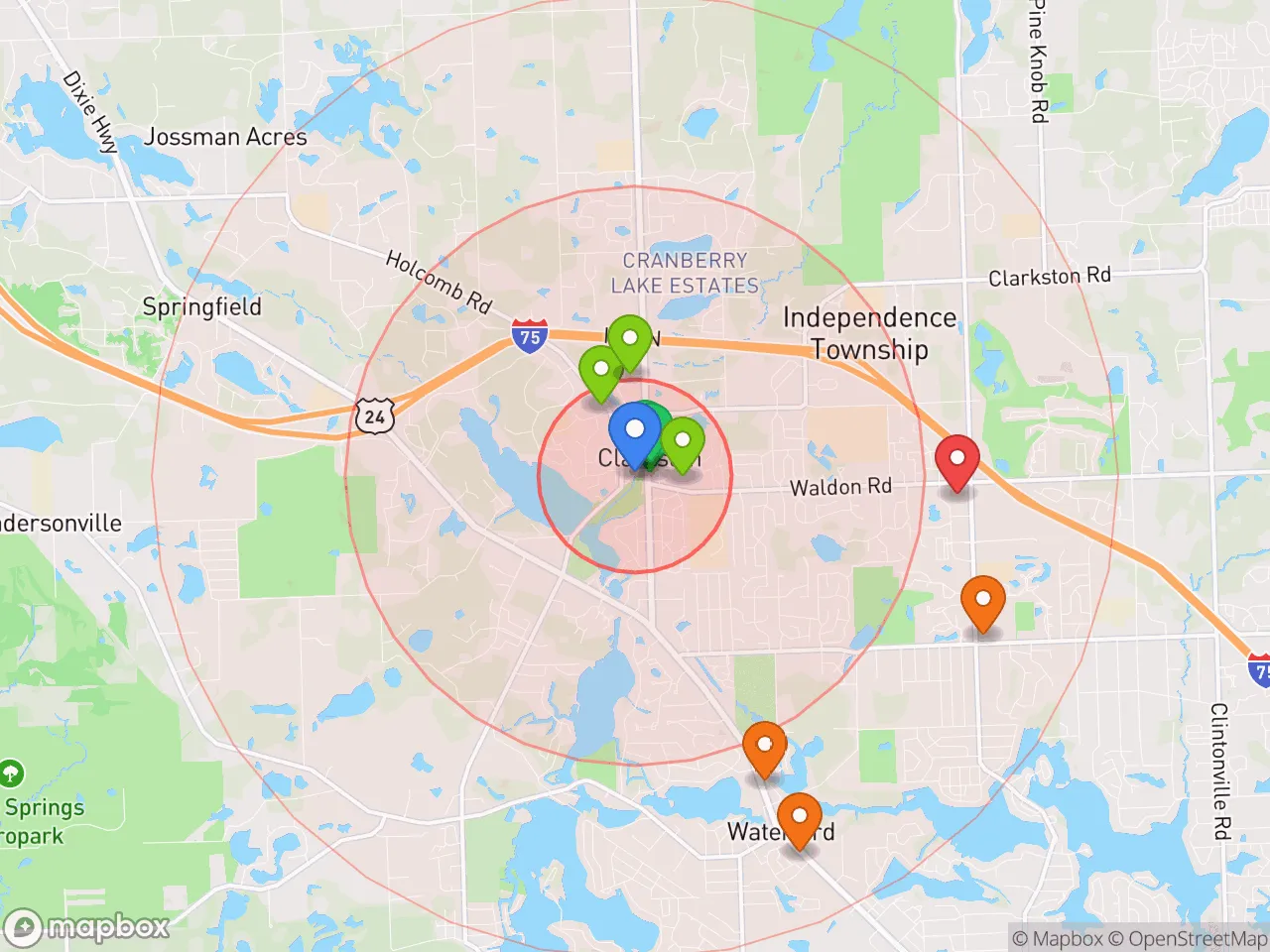
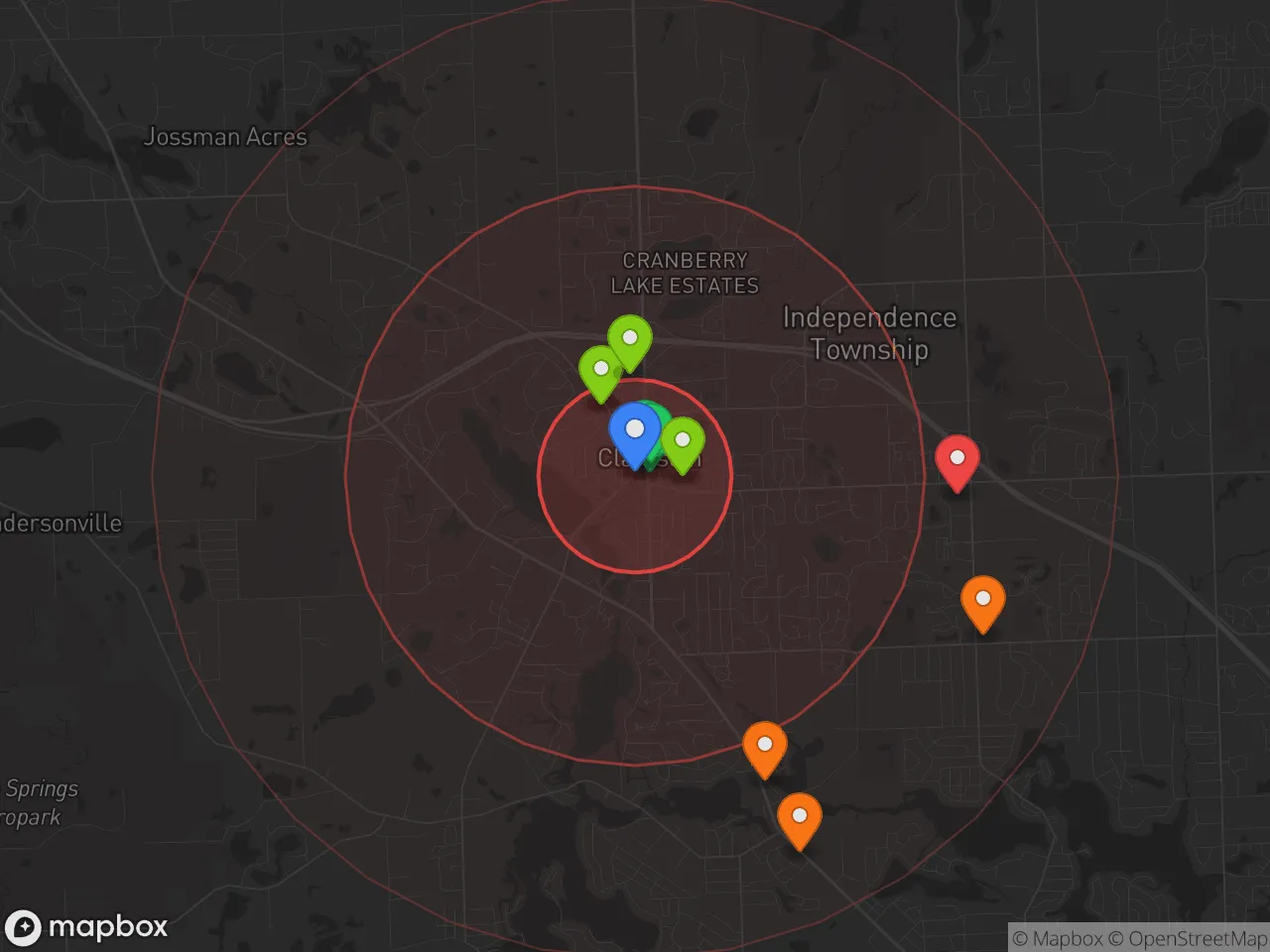
4 within 10 miles
Gas
20 within 10 miles
Hospital
12 within 20 miles
Airport
DTW — Detroit Metropolitan Wayne County
Post Office
USPS — Village of Clarkston, MI
Critical Amenities
Quality-of-Life Analysis
The Village of Clarkston, Michigan, is a small, affluent community in Oakland County where the cost of living index sits at 124—24% above the national average—reflecting its desirability as a high-quality, family-oriented enclave. With a median home value of $433,300 and a median rent of $1,205, the village attracts professionals, empty-nesters, and families who prioritize walkable historic charm, top-rated schools, and a tight-knit community feel over the lower costs found in nearby towns like Waterford or Pontiac. The average commute of roughly 22 minutes to downtown Detroit or Auburn Hills tech hubs makes it a practical choice for those working in the region’s automotive and engineering sectors.
Cost of living, housing, and affordability compared to nearby areas
Clarkston’s cost of living is significantly higher than the U.S. average, driven primarily by housing. The median home value of $433,300 is roughly double that of neighboring Waterford Township (around $220,000) and about 30% higher than the Oakland County median of roughly $330,000. Renters face a more moderate premium: the median rent of $1,205 is only slightly above the county average of $1,150, making renting a more accessible entry point. However, the village’s limited housing stock—mostly single-family homes on tree-lined streets with historic architecture—means inventory is low and competition is high. For buyers, this translates to a market where homes often sell above asking price, especially in the Clarkston Community Schools district. Property taxes in Oakland County average about 1.5% of assessed value, which adds a notable annual cost for homeowners. Compared to the more expensive suburbs like Birmingham or Bloomfield Hills (median home values above $600,000), Clarkston offers a relative value for its walkable downtown and lake access, but it remains out of reach for many first-time buyers without substantial income.
What daily life is like for families: schools, amenities, and commute
Daily life in Clarkston revolves around its historic downtown, where residents walk to local coffee shops, the Clarkston Cinema, and seasonal events like the Clarkston Farmers Market. The village is anchored by Clarkston Community Schools, a highly rated district with a 94% graduation rate and strong STEM programs at Clarkston High School. Families also benefit from proximity to Independence Oaks County Park and Clinton River Trail, offering hiking, biking, and water access. The average commute of 22 minutes is a standout advantage: it’s shorter than the Detroit metro average of 28 minutes and puts residents within easy reach of major employers like General Motors’ Orion Assembly plant, FCA’s Auburn Hills headquarters, and the Oakland County government center in Pontiac. For daily errands, the village has a small grocery store and pharmacy, but most residents drive 5–10 minutes to larger retail centers in Clarkston Township or Waterford. The lack of major chain stores within the village preserves its small-town feel but means a car is essential for most shopping.
Who thrives in Clarkston? Professionals and families who value a walkable historic downtown, excellent public schools, and a short commute to Detroit-area jobs will find the village ideal. Empty-nesters downsizing from larger homes in the region also appreciate the low-maintenance lifestyle and community events like the Clarkston State of the City address and the annual Clarkston Car Show. The high cost of living and limited housing inventory mean it’s less suited for budget-conscious renters or those seeking urban nightlife. For those who can afford the premium, Clarkston delivers a rare blend of small-town character, lake-country recreation, and metropolitan accessibility that few Michigan suburbs can match.

Crime in Village of Clarkston, MI
Crime rates similar to the national median for U.S. locations.
Violent CrimeViolent Crime Analysis
Property CrimeProperty Crime Analysis
Crime Analysis
Village of Clarkston, Michigan, reports a violent crime rate of 417.3 per 100,000 residents and a property crime rate of 1,258.6 per 100,000, figures that place it above national averages for a community of its size. While the village itself is a small, walkable downtown hub, its location within the broader Detroit metropolitan area means it is subject to regional crime trends and the policies of county-level prosecutors. Prospective residents should weigh these statistics against the reality that Clarkston’s crime profile is influenced by its proximity to larger, higher-crime urban centers and the progressive judicial philosophy prevalent in Oakland County.
Crime in context
Clarkston’s violent crime rate of 417.3 per 100,000 is roughly 20% higher than the national average of approximately 380 per 100,000, while its property crime rate of 1,258.6 per 100,000 exceeds the U.S. average of about 1,950 per 100,000. However, these numbers are significantly lower than those of nearby Detroit, which reports violent crime rates above 2,000 per 100,000. The village’s crime data reflects a pattern common to small cities on the fringe of major metros: residents benefit from lower crime than the urban core but face elevated risk compared to rural or exurban areas. Oakland County’s progressive district attorney, Karen McDonald, has implemented policies emphasizing diversion and reduced incarceration for non-violent offenses, a stance that critics argue can lead to higher recidivism and more property crimes in communities like Clarkston. This judicial approach, while intended to reduce mass incarceration, may contribute to a perception of leniency that emboldens offenders.
What residents experience
Daily life in Clarkston involves a mix of low-level property crimes—such as vehicle break-ins, package thefts, and occasional burglaries—that are typical of a suburban village with easy highway access (I-75 runs nearby). Violent incidents are less common but not unheard of; the village’s violent crime rate translates to roughly 4-5 reported incidents per year in a population of about 1,000, including aggravated assaults and, rarely, robberies. Residents often cite the downtown area and nearby parks as safe during daylight hours, but caution increases after dark, particularly near the M-15 corridor. The Oakland County Sheriff’s Office provides primary law enforcement, and response times are generally under 10 minutes for priority calls. However, the broader regional context matters: progressive bail reform and sentencing guidelines in Michigan’s 6th Judicial Circuit have been linked to faster release of repeat property offenders, a concern for Clarkston homeowners who report seeing the same individuals cycling through the justice system.
Neighborhood-level variation is notable within the village and its immediate surroundings. The historic core—centered on Main Street and Depot Park—sees lower crime due to higher foot traffic and business surveillance, while the residential streets off Holcomb and Clarkston Roads experience more vehicle-related thefts. Areas closer to the I-75 interchange, such as the Clarkston Crossing shopping center, report higher property crime rates, likely due to easier escape routes. Homes in the Clarkston Community School District, particularly near Bailey Lake and Pine Knob, tend to have the lowest incident rates, reflecting a correlation between higher property values and reduced crime. For those considering a move, consulting Oakland County’s online crime mapping tool for specific block-level data is recommended, as the village’s overall statistics can mask significant intra-community differences.
* Values derived from national, state, county, city and local statistics and may differ in a specific area. Last updated: 2026-10-05T03:59:20.000Z
Narrative content on this page is AI-generated and may contain mistakes. Verify any details that matter before acting on them.
ReloMaps may earn a commission from affiliate links at no extra cost to you.

