
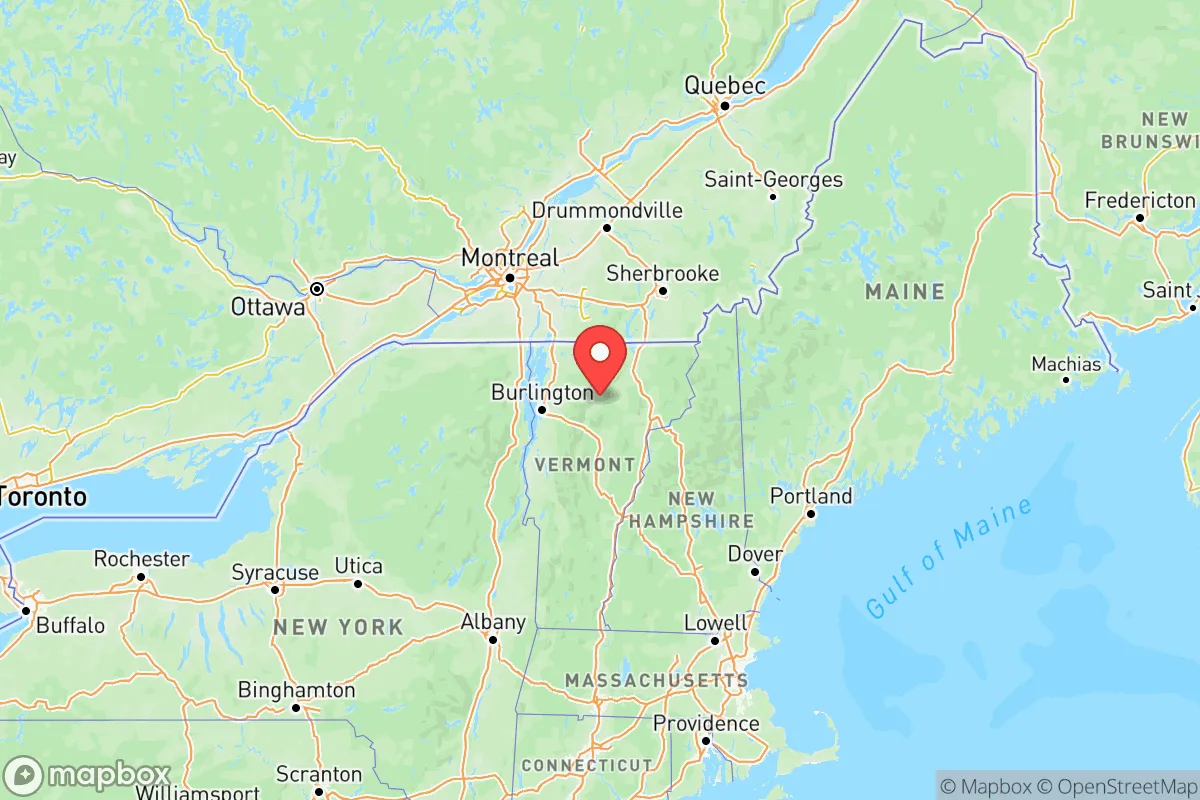
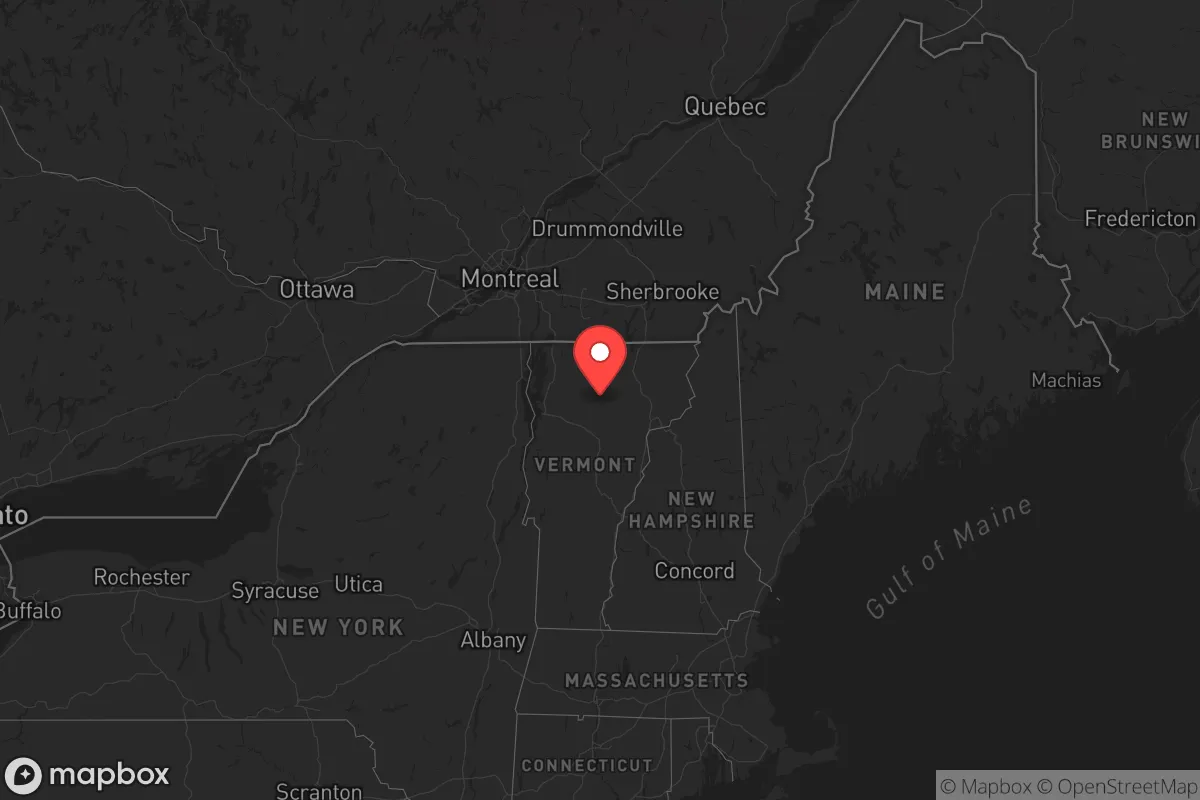
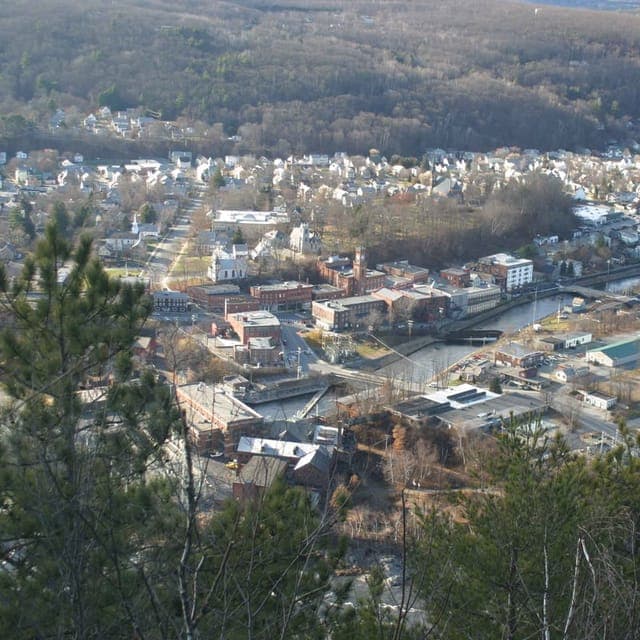
Photo: Wikipedia
Quality of Life in Vermont
A livable area that tracks near national norms for affordability, walkability, and neighborhood health.
What does Quality of Life tell us?
Quality of Life measures an area by evaluating factors like cost of living, nearby amenities, country club access, airport proximity, socioeconomic signals and neighborhood character. For large states, this is a general average — quality of life can vary dramatically between metro areas, suburbs, and rural communities within the same state.
What does this tell us?
Quality of Life measures an area by evaluating factors like cost of living, nearby amenities, country club access, airport proximity, socioeconomic signals and neighborhood character. For large states, this is a general average — quality of life can vary dramatically between metro areas, suburbs, and rural communities within the same state.
Cost of Living
3% above national average
94%
The Real Cost of Living in Vermont for 2026
| Tier | Individual | Family (4) |
|---|---|---|
| Survival | $19k | $36k |
| Comfortable | $56k | $83k |
| Luxury | $139k+ | $215k+ |
| Elite (Top 5%) | $163k+ | $253k+ |
Quality-of-Life Analysis
Vermont offers a surprisingly broad spectrum of quality-of-life options, from the walkable, job-dense urban core of Burlington to the remote, self-reliant homesteads of the Northeast Kingdom. The state’s overall cost-of-living index sits at 103 (just above the national average), with a median home value of $290,500 and median rent of $1,193, but these averages mask a wide gap between high-demand Chittenden County and more affordable rural counties. The average commute of 23.4 minutes is among the shortest in the nation, meaning even residents of small towns can reach work, schools, and services without the long drives common in other states. The choice of where to live in Vermont largely comes down to how much urban amenity, job access, and social density a person needs versus how much solitude, land, and lower housing cost they can tolerate.
Major metros
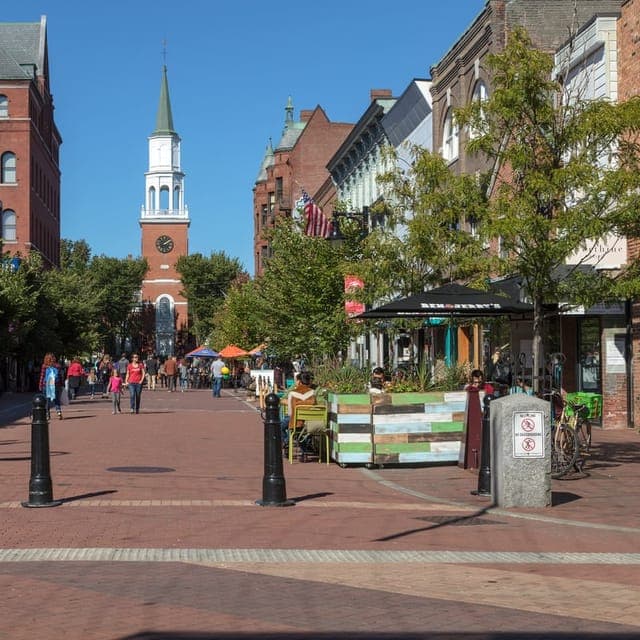
Vermont has only one true metropolitan area: Burlington, the state’s largest city with roughly 45,000 residents (and over 220,000 in the metro area). Burlington is the economic and cultural hub, anchored by the University of Vermont (UVM) and Champlain College, and home to a growing tech and healthcare sector (including the University of Vermont Medical Center, the state’s largest employer). Its vibe is progressive, bike-friendly, and lake-oriented, with a walkable Church Street Marketplace and a strong farm-to-table food scene. If you’re looking for urban living in Vermont, Burlington is the only option that offers a true downtown core, regular public transit, and a concentration of jobs in software, biotech, and education. Outside Burlington, the metro area includes South Burlington, Winooski, and Essex Junction, which provide more suburban housing stock and shorter commutes into the city. The median home value in Chittenden County is roughly $400,000, well above the state median, reflecting the premium for proximity to jobs and amenities.
Mid-size cities & college towns
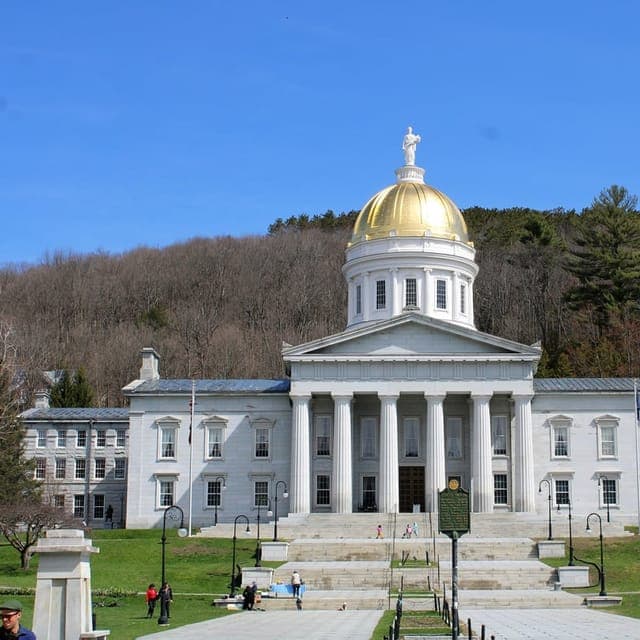
Beyond Burlington, several mid-size cities and college towns offer a blend of small-city convenience and distinct cultural identities. Montpelier, the state capital, is the smallest state capital in the U.S. (population ~8,000) but punches above its weight with a walkable downtown, a strong civic culture, and a concentration of state government jobs. Rutland, the third-largest city, has a more working-class, affordable character (median home value around $200,000) and is a base for outdoor recreation in the Green Mountains, though it has struggled with economic revitalization. Brattleboro, in the southeast, is known for its arts scene, alternative lifestyle community, and proximity to both Massachusetts and New Hampshire; its downtown is compact and walkable, with a strong local food co-op and independent shops. Middlebury, home to Middlebury College, is a classic New England college town with a pristine village green, a strong sense of community, and a high concentration of educated professionals. St. Johnsbury, in the Northeast Kingdom, is a smaller but notable hub with a historic downtown, the Fairbanks Museum, and a more affordable housing market (median home value around $180,000). These mid-size cities appeal to people who want walkable downtowns, cultural amenities, and a sense of community without the high prices of Burlington.
Small towns & rural areas
Vermont’s small towns and rural areas define much of the state’s character, offering a pace of life that is slow, seasonal, and deeply connected to the landscape. Woodstock is the quintessential postcard Vermont village, with a preserved historic downtown, the Billings Farm & Museum, and high property values (median home value often above $500,000) that attract second-home owners and retirees. Stowe is a premier ski and resort town, with a bustling Mountain Road corridor, luxury lodging, and a year-round tourism economy; housing is expensive and seasonal rentals dominate. Manchester, in the southern Green Mountains, is another resort town with outlet shopping, the Hildene estate, and a mix of full-time residents and vacation homeowners. For those seeking true rural isolation, the Northeast Kingdom (including towns like Newport, Island Pond, and Barton) offers vast forests, working farms, and the lowest housing costs in the state (median home value often under $150,000), but also limited jobs, services, and internet access. The Champlain Valley (towns like Charlotte, Shelburne, and Ferrisburgh) provides a more pastoral rural experience with lake views, fertile farmland, and relatively easy access to Burlington. Small-town life in Vermont suits people who value privacy, outdoor recreation, and a slower rhythm, but it requires self-sufficiency and tolerance for long drives to grocery stores and healthcare.
Luxury vs. affordable living
The luxury tier in Vermont is concentrated in a handful of high-demand resort and lakefront communities. Stowe and Woodstock are the most expensive towns, with median home values frequently exceeding $600,000 and $500,000 respectively, driven by second-home buyers and remote workers with high incomes. Charlotte and Shelburne, on the shores of Lake Champlain, also command premium prices (median home values around $500,000–$700,000) for lake views, large lots, and proximity to Burlington. At the opposite end, the most affordable areas are in the Northeast Kingdom (towns like Newport, Derby, and Brighton), where median home values can be under $150,000 and rent is correspondingly low. Rutland and Barre also offer below-state-median housing, with median home values around $200,000 and $180,000 respectively, though these cities face economic challenges and aging infrastructure. The spread is stark: a buyer can get a three-bedroom fixer-upper in Newport for under $120,000, while a comparable property in Stowe would cost over $600,000. Rent follows the same pattern, with a one-bedroom in Burlington averaging $1,400–$1,800, while the same unit in Newport might rent for $700–$900.
The practical reality is that Vermont’s quality-of-life spectrum is defined by trade-offs. People who thrive in Burlington or its suburbs gain job density, cultural amenities, and walkability but pay a premium for housing and deal with traffic on the I-89 corridor. Those who choose mid-size cities like Montpelier or Brattleboro get a strong community identity and lower costs but have fewer job options and longer drives for specialized services. Residents of small towns and rural areas, especially in the Northeast Kingdom, gain the lowest housing costs and maximum privacy but must accept limited employment, long drives to hospitals, and harsh winters. The cost-of-living spread across the state — from a COL index of roughly 95 in the Northeast Kingdom to 115 in Chittenden County — means that a household earning $50,000 can live comfortably in Newport but would struggle in Burlington. Ultimately, Vermont offers a place for almost every lifestyle preference, but the choice is less about which city is “best” and more about which trade-offs a person is willing to make.

Crime in Vermont
Generally safer than 71% of comparable U.S. locations.
Violent CrimeViolent Crime Analysis
Property CrimeProperty Crime Analysis
Crime Analysis
Vermont is consistently ranked among the safest states in the U.S. by violent crime rate, but its property crime rate sits near the national average, creating a nuanced safety picture for potential residents. With a violent crime rate of 213.8 per 100,000 residents and a property crime rate of 1,415.9 per 100,000, the state offers a generally low risk of violent victimization while facing challenges with theft and burglary, particularly in its more populated and tourist-heavy areas.
Crime in context
Vermont’s violent crime rate is roughly half the national average, placing it among the five safest states for this metric. However, the property crime rate is slightly above the national median, driven largely by theft from vehicles and residential burglaries. The state’s rural character and low population density contribute to low violent crime, but property crime is concentrated in Chittenden County (home to Burlington) and along the I-91 corridor. For context, Burlington’s violent crime rate is about 350 per 100,000, still below the national average but notably higher than the state figure, while towns like Stowe and Woodstock report property crime rates well below the state average due to their affluent, seasonal populations and robust community policing.
What residents experience
Most Vermonters report feeling safe in their daily lives, with the primary concerns being theft from unlocked cars, package theft, and occasional vandalism rather than violent confrontations. The state’s progressive judicial philosophy, particularly in Chittenden and Washington counties, has led to a reduction in pretrial detention and a focus on diversion programs for property and drug offenses. While this approach aims to reduce recidivism, critics argue it has resulted in a revolving door for repeat property offenders, especially in Burlington, where shoplifting and car break-ins have increased since 2020. In contrast, more conservative jurisdictions like Rutland and Bennington have maintained stricter enforcement, leading to lower property crime rates but higher incarceration rates. The opioid crisis, while declining from its peak, still fuels a significant portion of property crime statewide, as users seek quick cash for drugs.
Neighborhood-level variation
Safety varies dramatically by location. The safest areas are generally small, tight-knit communities like Montpelier, Norwich, and Manchester, where violent crime is nearly nonexistent and property crime is rare. These towns benefit from high social cohesion and low population turnover. Conversely, Burlington’s Old North End and downtown areas see the highest concentration of both violent and property crime, driven by a combination of poverty, drug activity, and a permissive local justice system. The city’s progressive district attorney has faced criticism for declining to prosecute many low-level thefts and drug possession cases, which some residents believe emboldens offenders. Suburban towns like South Burlington and Williston offer a middle ground, with property crime rates slightly above the state average but violent crime rates well below it. For families and retirees, the safest bet is to choose a small town or rural area outside of Chittenden County, where the risk of encountering serious crime is minimal.
Top Cities for Quality of Life in Vermont
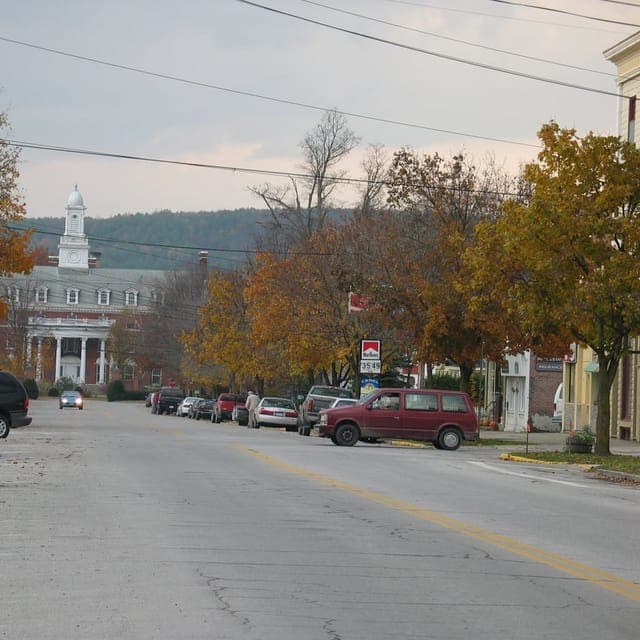



* Values derived from national, state, county, city and local statistics and may differ in a specific area. Last updated: 2026-04-19T01:48:17.000Z
Narrative content on this page is AI-generated and may contain mistakes. Verify any details that matter before acting on them.
ReloMaps may earn a commission from affiliate links at no extra cost to you.

