Photo: Wikipedia
Personal Sovereignty in Vermont
Moderate friction. Expect trade-offs in some aspect of personal liberty and independence.
What does Personal Sovereignty tell us?
Personal Sovereignty measures your capacity for self-reliance and independence with minimal government friction. Higher scores mean fewer barriers between you and the way you want to live... but it assumes you have the space you need and good neighbors.
What does this tell us?
Personal Sovereignty measures your capacity for self-reliance and independence with minimal government friction. Higher scores mean fewer barriers between you and the way you want to live... but it assumes you have the space you need and good neighbors.
State Policy
Energy independence: Importer (15% of energy produced in-state)
Personal Liberty
Homesteading

Personal Liberty Analysis
Vermont presents a deeply contradictory picture for those prioritizing personal sovereignty. On one hand, its rural character, strong tradition of town hall governance, and a culture of self-reliance in places like the Northeast Kingdom offer genuine autonomy. On the other, the state government in Montpelier has aggressively expanded its reach into personal choices, from medical mandates to energy regulations, creating an environment where local freedom is increasingly at odds with state-level control. For the strategic relocator, Vermont is not a uniform landscape of liberty; it is a patchwork where your rights depend heavily on which town you call home.
Tax burden and regulatory posture: How much does the state take and control?
Vermont’s tax burden is among the highest in the nation, a critical factor for anyone seeking to keep more of what they earn. The state levies a progressive income tax with a top marginal rate of 8.75%, and property taxes are notoriously steep, often exceeding $2.50 per $100 of assessed value in many towns. This directly funds a state-level education system and a sprawling bureaucracy that many conservatives view as overreaching. The regulatory posture is equally demanding. The Act 250 land-use law gives state agencies broad authority over development, meaning even building a small workshop or adding a dwelling on your own land can trigger months of permitting. In contrast, towns like Newport in the Northeast Kingdom or Hardwick still retain a more practical, hands-off approach to local permitting, while communities closer to Burlington, such as Williston, enforce stricter state guidelines with little local flexibility. The net effect is that Vermont’s regulatory climate feels less like a partner in your self-reliance and more like a gatekeeper.
Self-defense and gun law specifics: Can you keep and bear arms without interference?
Vermont has a historically strong gun culture, but recent legislative changes have eroded that foundation. The state still allows permitless carry of handguns, a positive for personal defense. However, in 2023, the legislature passed Act 45, which bans the sale of many semi-automatic firearms commonly used for sport and defense, and raises the purchase age to 21. Magazine capacity is also restricted to 10 rounds for long guns and 15 for handguns. This is a significant shift from the state’s libertarian past. Enforcement and local sentiment vary widely. In St. Johnsbury and Lyndonville, gun ownership is a normal part of life, and local sheriffs are often reluctant to enforce the newer restrictions. In contrast, Burlington and Montpelier have seen local ordinances and police practices that further restrict carrying in public spaces. For the prepper, this means you can still own firearms, but the selection is narrowing, and the legal landscape is trending toward more control, not less. It is a state where you must be vigilant about legislative sessions, as rights can be curtailed with little public debate.
Self-reliance and homesteading viability: Lot sizes, zoning, and off-grid feasibility
This is where Vermont still shines for the serious homesteader, provided you choose your location wisely. Rural towns in the Northeast Kingdom, like Barton and Island Pond, offer large, affordable parcels—often 5 to 20 acres—with minimal zoning restrictions. Off-grid living is legally feasible in many unincorporated areas, though the state has been tightening rules on rainwater collection and solar installations. The key challenge is the Act 250 threshold: any development that disturbs more than one acre of land, or creates more than one dwelling unit, can trigger a full state review. This makes building a second cabin or a large workshop a bureaucratic hurdle. However, many towns, such as Rochester and Bethel, have local exemptions for agricultural structures and small-scale homesteading. The growing season is short (roughly 120 days), but the soil in the Champlain Valley is rich. For the survivalist, Vermont offers the land and the water—but the state government is increasingly hostile to living completely off the grid without permits and inspections.
Personal liberties: Parental rights, medical autonomy, speech, and property
On parental rights, Vermont has moved decisively toward state control. The state mandates comprehensive sexuality education in public schools, and parents do not have a blanket right to opt their children out of specific lessons. The Act 1 of 2024 further codified that schools must affirm a student’s chosen gender identity without parental notification if the student requests privacy. This is a major red flag for conservative parents. Medical autonomy has been similarly constrained. During the COVID-19 pandemic, Vermont had one of the highest vaccination mandate rates for healthcare workers and state employees, and the state retains broad emergency powers. On speech, Vermont has no specific hate speech law, but public universities and some municipalities have adopted policies that chill expression on controversial topics. Property rights are the most contested area. The state’s Act 250 and its renewable energy siting policies mean that the state can effectively dictate what you do with your land, including forcing large solar arrays on agricultural land. In towns like Marshfield and Plainfield, local resistance to state mandates is strong, but the legal power rests with Montpelier.
Overall, Vermont offers a unique but fragile sovereignty. Its rural towns still provide the land, water, and community for a self-reliant life, but the state government is actively working to centralize control over education, health, and land use. Compared to states like New Hampshire or Idaho, Vermont’s personal sovereignty is under greater threat from its own legislature. For the strategic relocator, the best approach is to target the Northeast Kingdom or the rural central counties, where local culture and sheriff’s offices still push back against state overreach. But be prepared: Vermont is not a refuge from government; it is a battleground where your rights require constant defense.

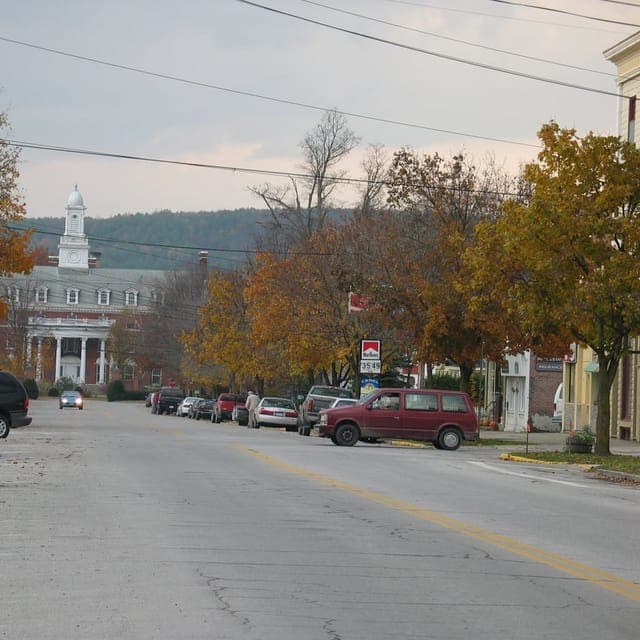
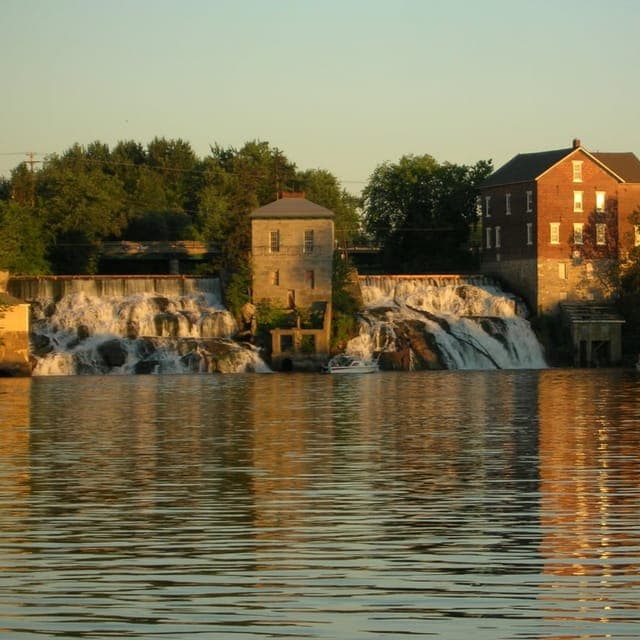
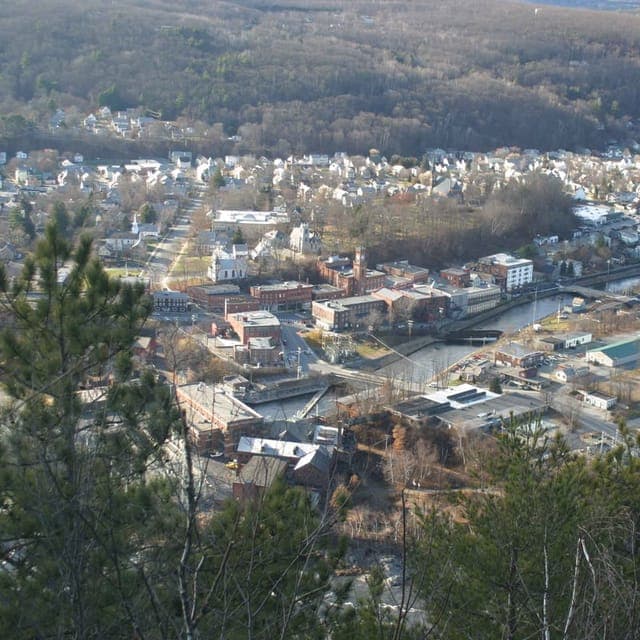
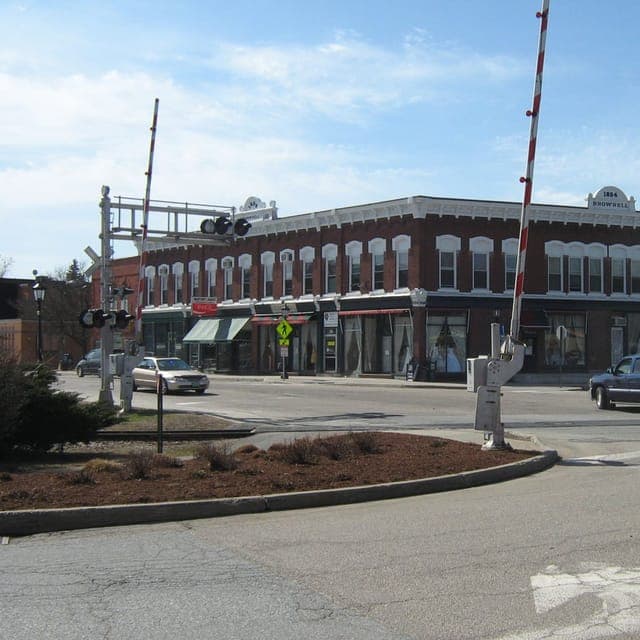
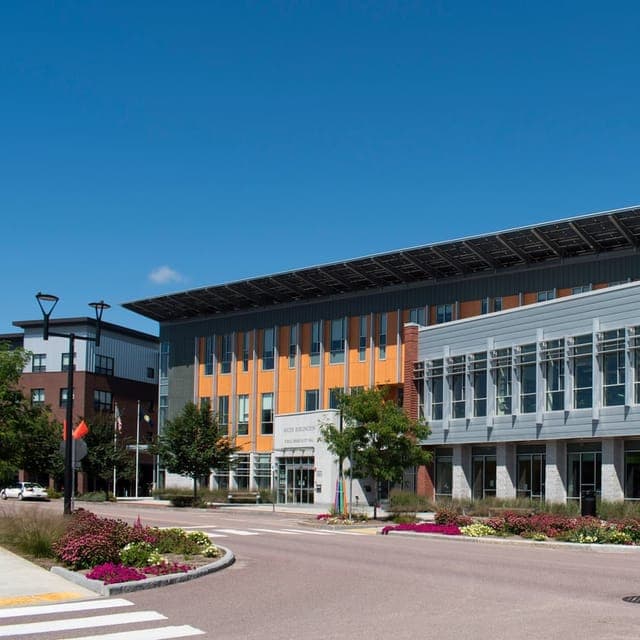
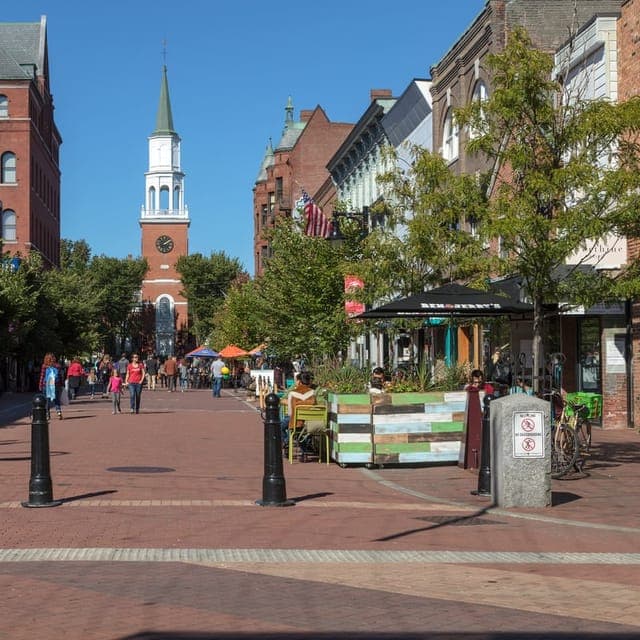
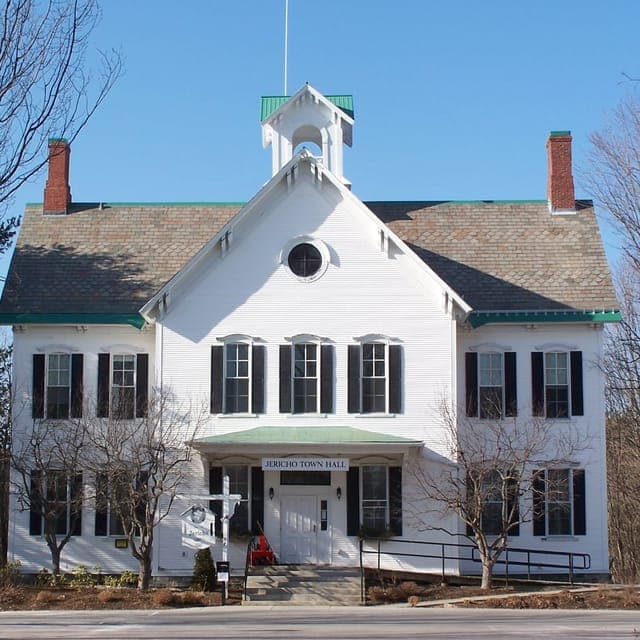
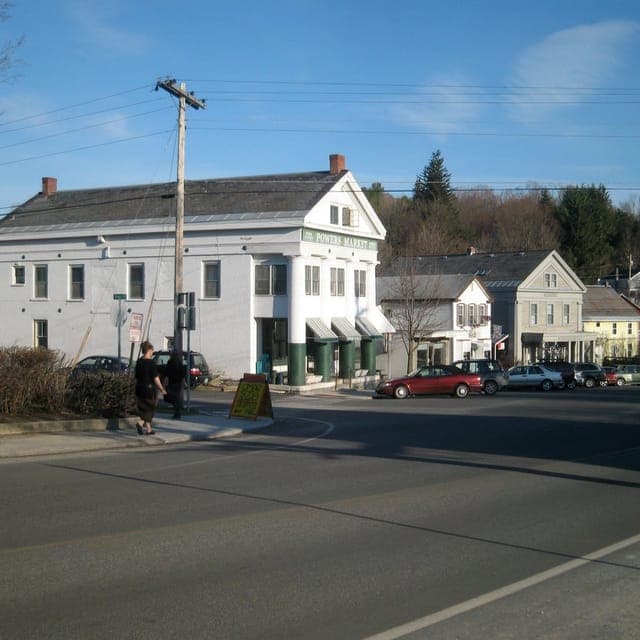
Top Cities for Personal Sovereignty in Vermont

* Values derived from national, state, county, city and local statistics and may differ in a specific area. Last updated: 2026-04-19T01:48:17.000Z
Narrative content on this page is AI-generated and may contain mistakes. Verify any details that matter before acting on them.
ReloMaps may earn a commission from affiliate links at no extra cost to you.

