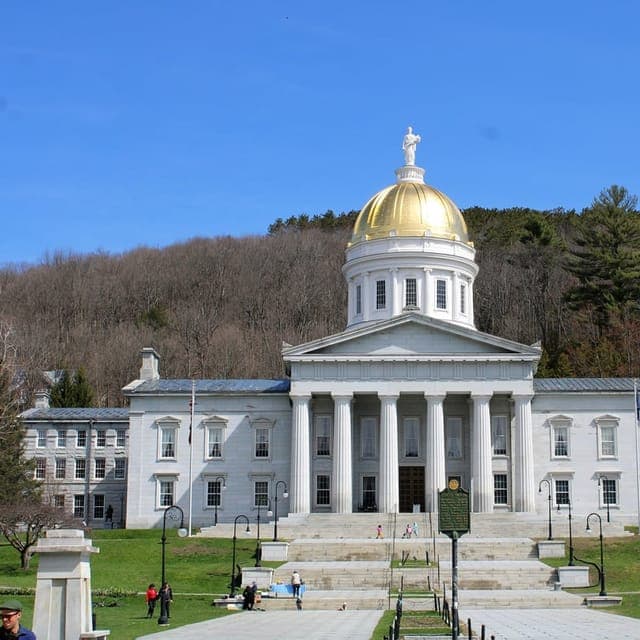
Photo: Wikipedia
Strategic Assessment of Vermont
Meaningful friction. Expect exposure to either population pressure, blast zones, or natural disaster risk. Consider buying a retreat property.
What does the Strategic Assessment tell us?
Our Strategic Assessment grades tactical survivability of an area. Major population centers, military targets, fallout zones, natural disasters, and border exposure all drive risk — lower exposure means a more defensible position in a crisis.
This is heavily inspired by Joel Skousen's Strategic Relocation book. Highly recommended you checkout the book ($)What does this tell us?
Our Strategic Assessment grades tactical survivability of an area. Major population centers, military targets, fallout zones, natural disasters, and border exposure all drive risk — lower exposure means a more defensible position in a crisis.
This is heavily inspired by Joel Skousen's Strategic Relocation book. Highly recommended you checkout the book ($)Regional Safe Places
Below is our recommended "safe zones" in Vermont and the surrounding area based on our strategic heuristics. For most people, it's unrealistic to live in a “safe zone” full-time due to work, family or other personal reasons. They tend to be more rural. However, many of these areas are perfect for second homes and retreat properties that double as a vacation home or even a short-term rental.
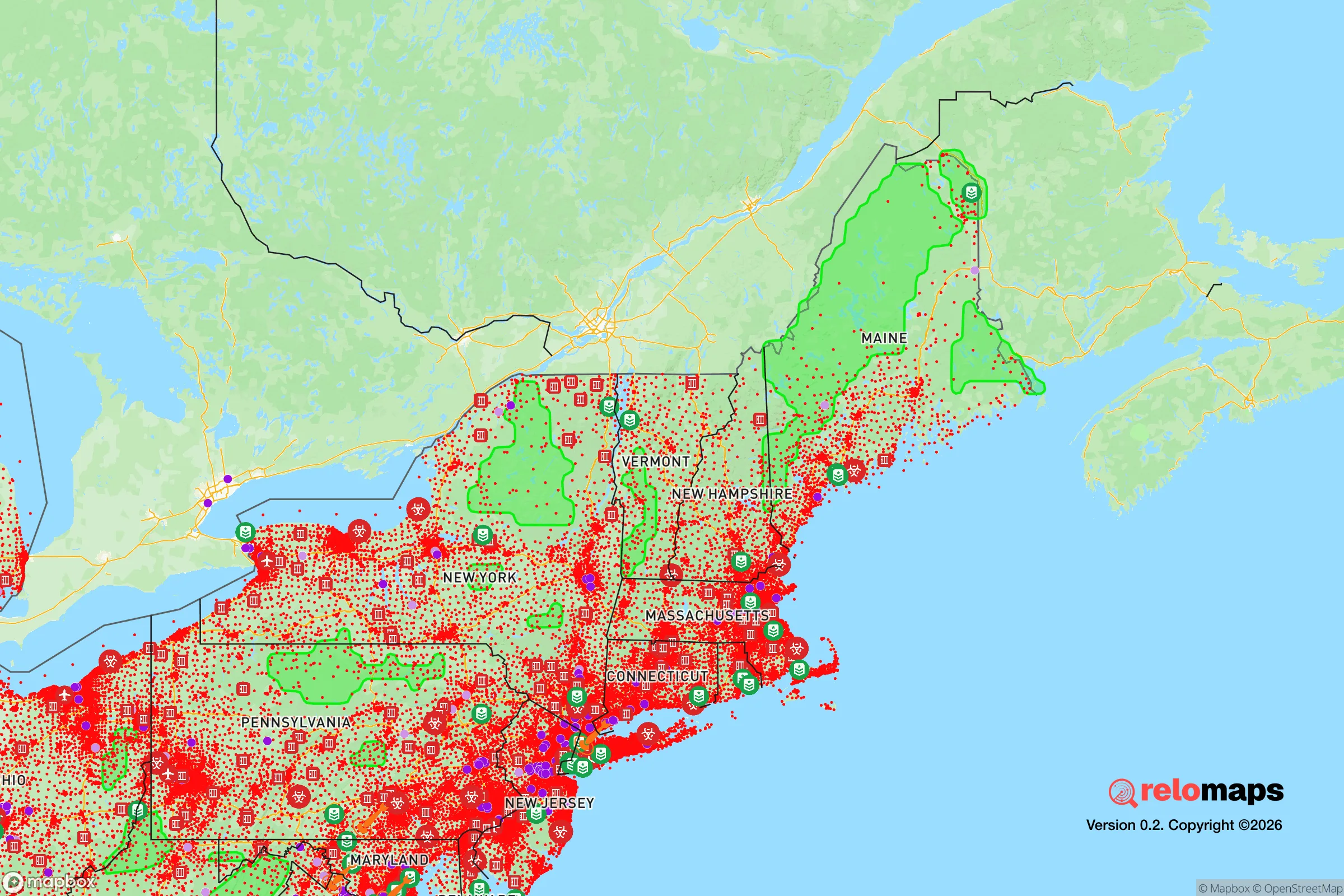
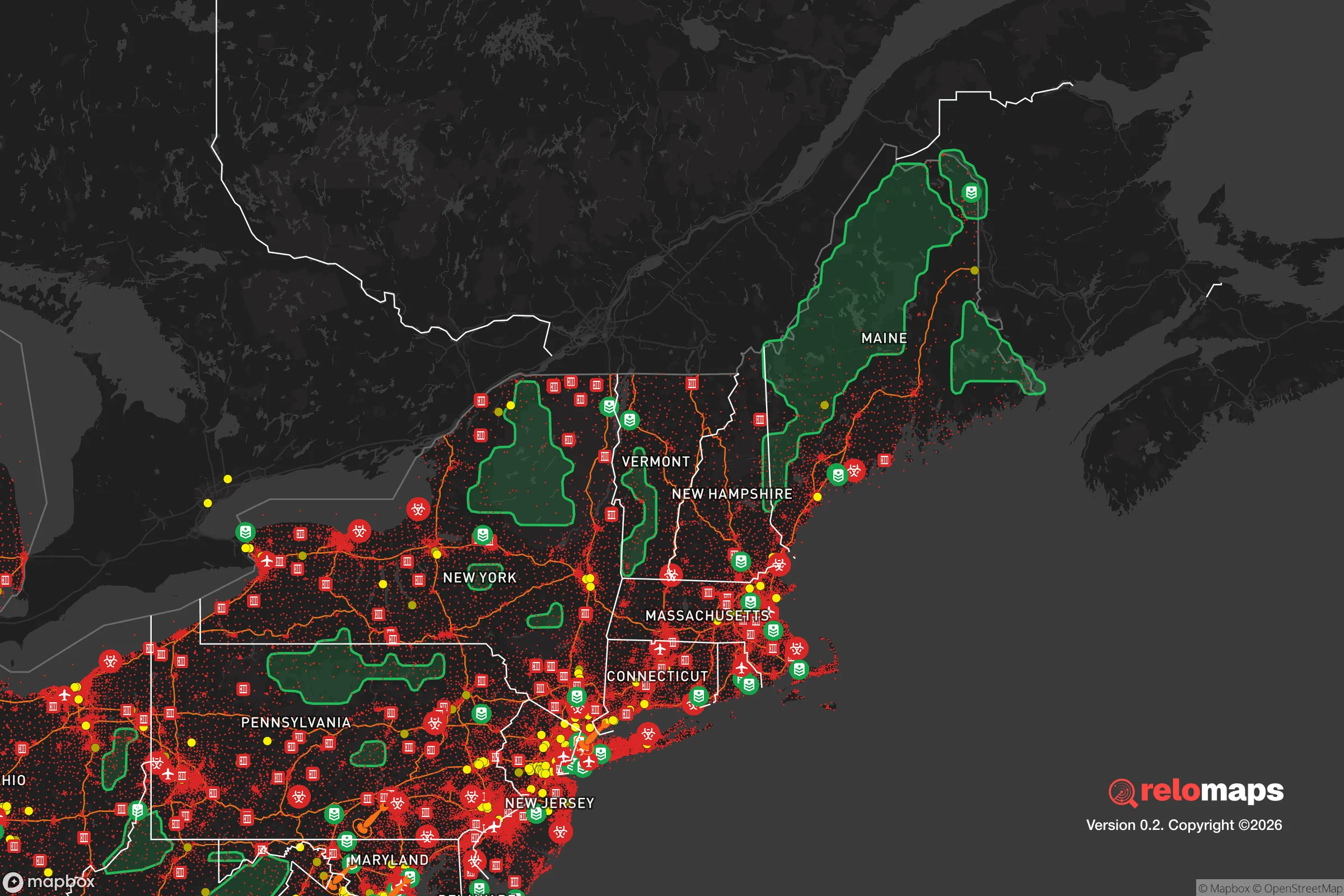


Important Note: For informational purposes only. This does not mean nothing bad ever happens in the green zones. Please use common sense. This is based on public data and modeled with AI. We tried to take a conservative approach but mistakes happen. We update this regularly as new information becomes available.
Solar Generator Recommendations
Backup power matters more here than in safer locations. We've picked three solar generators across budgets and capacity tiers — start with the budget unit if you only need a few essentials, or step up if you want to run a fridge and HVAC for days at a time.

Jackery Portable Power Station Explorer 300
Budget OptionPower on the Go: Weighing only 11 lbs, it's convenient to set up and store with book-sized foldable solar panels

BLUETTI Portable Power Station AC180
Designed for both indoor and outdoor scenarios, AC180 is highly capable as it has a robost capacity and continuous output power.

EF ECOFLOW DELTA Pro Ultra Power Station
Upgraded PickEcoFlow DELTA Pro Ultra is a whole-home energy system designed to grow with your family. Integrated with the Smart Home Panel 2, it scales to meet your evolving energy needs — keeping your home powered, intelligent, and secure through every stage of life.
We earn a commission, at no additional cost to you.
Strategic Assessment Analysis
Vermont offers a unique strategic profile for those prioritizing resilience and self-sufficiency, combining low population density with significant geographic buffers against the cascading failures that threaten more centralized regions. The state’s lack of major metropolitan targets, heavy industrial complexes, or critical infrastructure choke points makes it one of the least likely places in the continental U.S. to experience direct fallout from a mass casualty event or civil unrest. For a conservative-leaning relocator concerned with the fragility of modern systems, Vermont’s combination of rugged terrain, abundant water, and a culture of localism provides a foundation for long-term stability that few other states can match.
Geographic position and natural advantages for long-term security
Vermont sits in a sweet spot for strategic relocation: far enough from the Eastern Seaboard’s population centers to avoid the immediate chaos of a collapse, yet close enough to access resources if needed. The state is bordered by New Hampshire to the east, Massachusetts to the south, and New York to the west, with the Canadian province of Quebec to the north. This positioning means that major fallout-relevant landmarks like the New York City metro area (roughly 250 miles south), Boston (150 miles southeast), and the Portsmouth Naval Shipyard in Maine (200 miles east) are all outside the immediate blast or fallout zones of a nuclear event. The Green Mountains run north-south through the state’s spine, creating natural barriers that disrupt wind patterns and limit the spread of airborne contaminants. The Champlain Valley to the west offers fertile soil and a milder microclimate, while the Northeast Kingdom—a sparsely populated region of forests and small towns like St. Johnsbury and Newport—provides some of the most defensible terrain in the Northeast. Vermont’s lack of any major military bases, refineries, or ports means it’s not a primary target in a conflict scenario, which is a critical advantage over states like Texas or Virginia.
Risks, exposures, and proximity to fallout-relevant landmarks
While Vermont is relatively insulated, it’s not immune to risks. The state’s proximity to the Vermont Yankee nuclear power plant in Vernon (now decommissioned but still storing spent fuel) is a concern—any incident there could contaminate the Connecticut River Valley, which runs along the eastern border. The Burlington International Airport, while small, could become a target if the federal government uses it as a staging ground during unrest. More broadly, Vermont’s dependence on imported goods—especially fuel and food—makes it vulnerable to supply chain disruptions. The state has no oil refineries, and its only major rail line (the New England Central Railroad) runs through the Connecticut River Valley, a potential chokepoint. For those looking at fallout-relevant landmarks, the closest major risk is the Seabrook Station nuclear plant in New Hampshire (about 100 miles southeast), which could pose a threat if prevailing winds shift. The state’s mountainous terrain also means that winter storms can isolate communities for days, which is both a risk and a resilience feature—it forces locals to be self-reliant. The city of Rutland, in the west-central part of the state, is a good example of a small urban center that could serve as a hub for supplies but is also close enough to the New York border to see spillover from any unrest in Albany (about 70 miles south).
Practical resilience for a relocator: food, water, energy, and defensibility
Vermont excels in the practical aspects of resilience. The state has one of the highest per-capita rates of private well ownership in the country, meaning most rural properties have independent water sources—a critical advantage over suburban subdivisions reliant on municipal systems. Surface water is abundant, with over 7,000 miles of rivers and streams, including the Winooski, Lamoille, and Missisquoi rivers, all of which can be filtered for drinking. For food, Vermont’s agricultural sector is robust, with over 6,000 farms producing dairy, maple syrup, vegetables, and livestock. The state’s strong local food movement means that even in a crisis, small-scale producers in places like Middlebury and Hardwick could keep communities fed. Energy resilience is mixed: Vermont gets about 60% of its electricity from renewable sources (mostly hydro and biomass), but heating is heavily dependent on oil and propane. A relocator should plan for wood heat—the state has vast forests, and wood stoves are common. Defensibility is a standout feature: the Green Mountains create natural choke points, and the state’s low population density (about 68 people per square mile, compared to the national average of 93) means that small groups can secure a homestead with relative ease. The Northeast Kingdom, in particular, offers remote valleys and dead-end roads that are easy to monitor. However, the state’s strong gun culture—Vermont has some of the most permissive firearm laws in the country—means that locals are generally armed, which is a double-edged sword: it deters casual threats but also means a relocator should integrate into the community rather than stand out as an outsider.
The overall strategic picture for Vermont is one of high potential with notable trade-offs. For a conservative relocator seeking to ride out the coming instability, the state offers a rare combination of geographic isolation, abundant natural resources, and a population that values independence. The lack of major targets, the defensible terrain, and the strong local food networks make it a top-tier choice for those willing to accept the harsh winters and the need for self-sufficiency in heating and transportation. The biggest downside is the state’s political climate—Vermont is overwhelmingly liberal, with a government that has pushed vaccine mandates, gun restrictions (though these were largely rolled back), and progressive social policies. This creates a cultural friction for conservative relocators, but it also means that the state’s infrastructure and social services are well-funded, which can be an asset in a crisis. The key is to find a community that aligns with your values—places like the Northeast Kingdom or the rural towns in the southern Green Mountains tend to be more libertarian-leaning. If you can handle the cold and the cultural isolation, Vermont is one of the best bets in the Northeast for long-term survival. Just don’t expect to be welcomed with open arms; the locals are friendly but wary of newcomers, and earning trust takes time. That’s a small price to pay for a place that might just be the safest corner of a collapsing empire.

Top 10 Cities by Strategic Assessment in Vermont
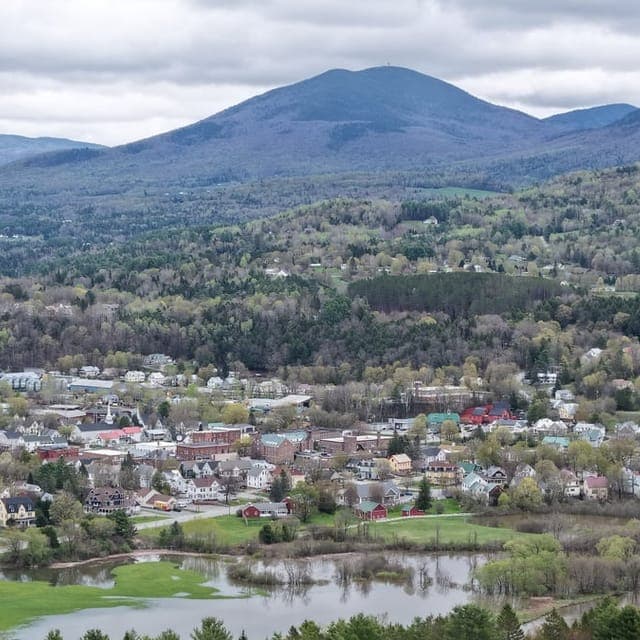
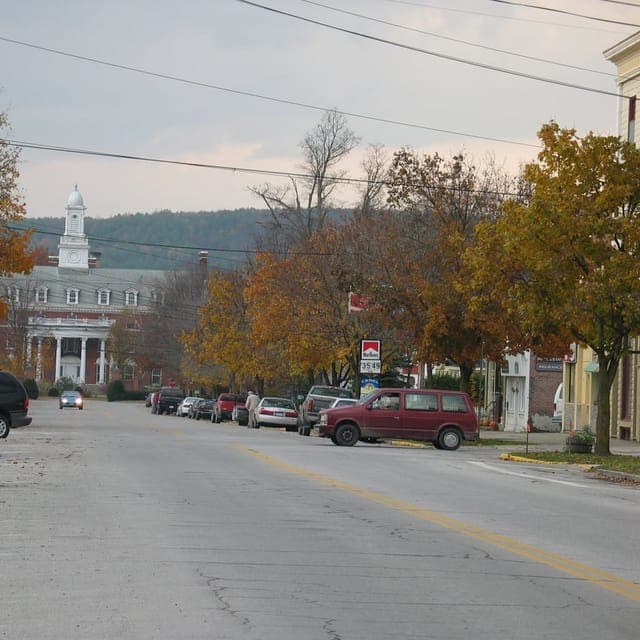
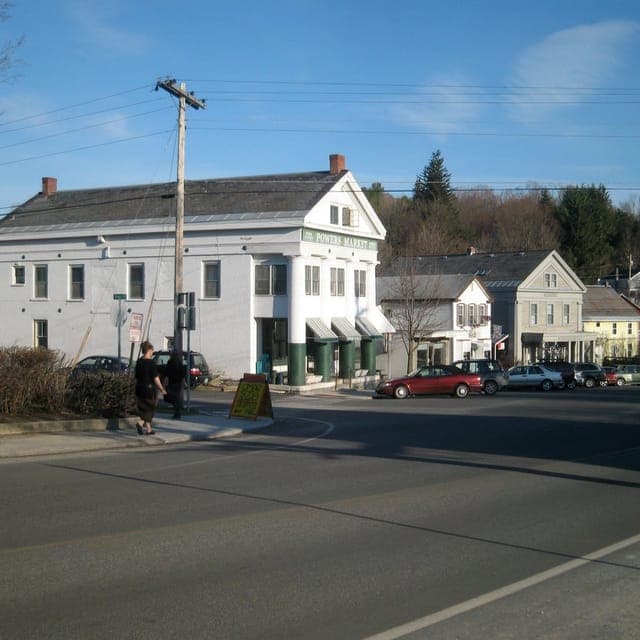


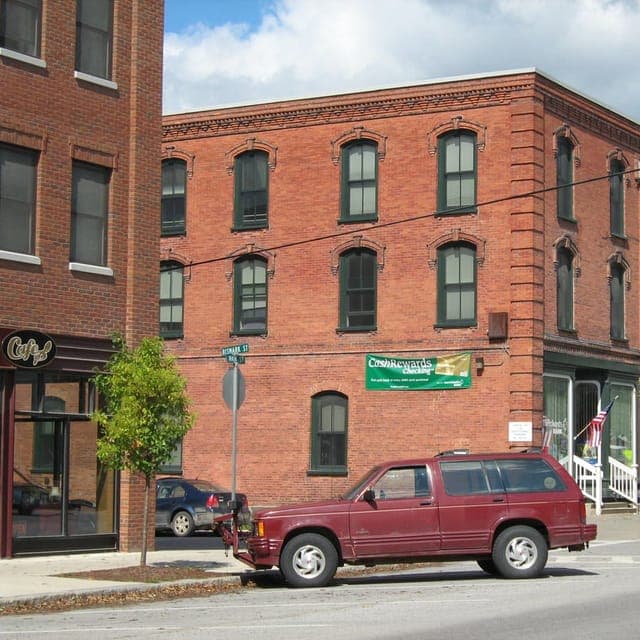
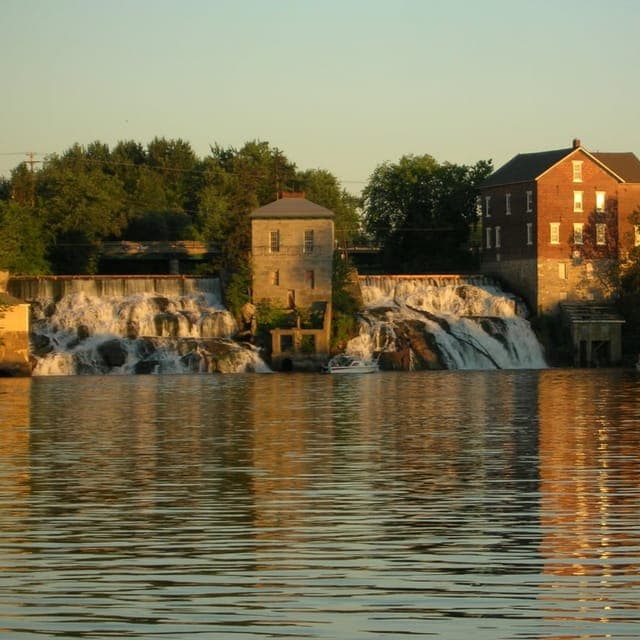
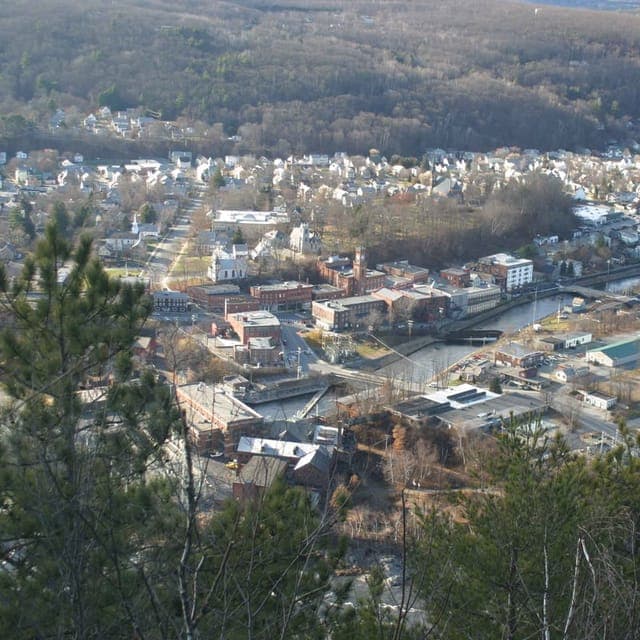
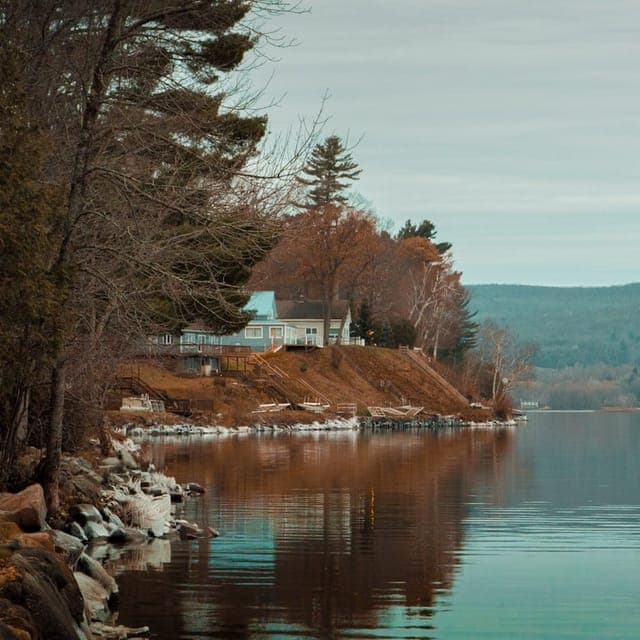
* Values derived from national, state, county, city and local statistics and may differ in a specific area. Last updated: 2026-04-19T01:48:17.000Z
Narrative content on this page is AI-generated and may contain mistakes. Verify any details that matter before acting on them.
ReloMaps may earn a commission from affiliate links at no extra cost to you.

