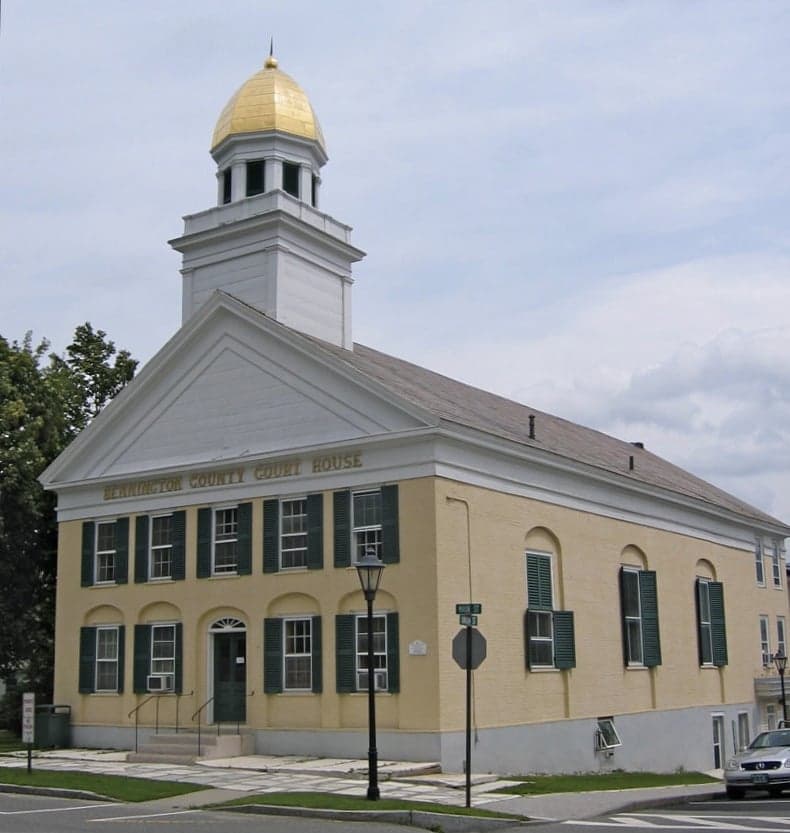
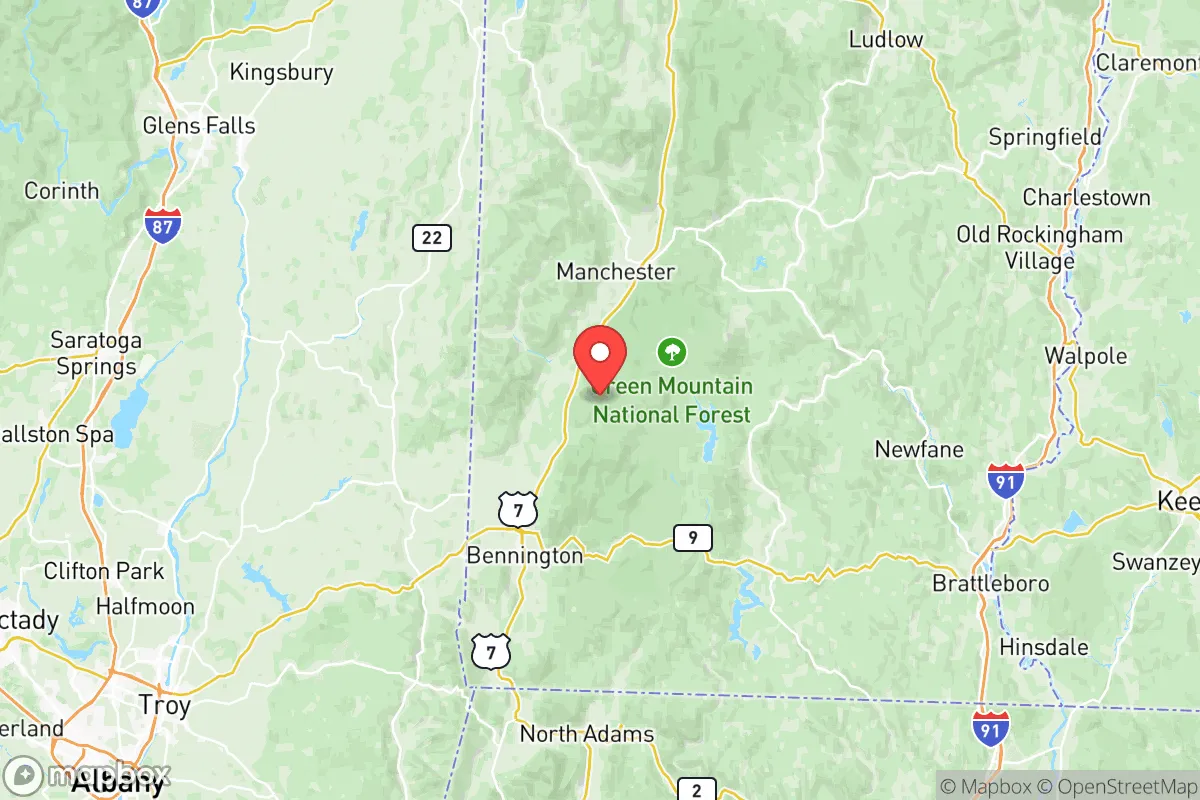
Photo: Wikipedia
Quality of Life in Bennington County
A livable area that tracks near national norms for affordability, walkability, and neighborhood health.
What does Quality of Life tell us?
Quality of Life measures an area by evaluating factors like cost of living, nearby amenities, country club access, airport proximity, socioeconomic signals and neighborhood character. For large states, this is a general average — quality of life can vary dramatically between metro areas, suburbs, and rural communities within the same state.
What does this tell us?
Quality of Life measures an area by evaluating factors like cost of living, nearby amenities, country club access, airport proximity, socioeconomic signals and neighborhood character. For large states, this is a general average — quality of life can vary dramatically between metro areas, suburbs, and rural communities within the same state.
Cost of Living
9% below national average
97%
The Real Cost of Living in Bennington County for 2026
| Tier | Individual | Family (4) |
|---|---|---|
| Survival | $17k | $32k |
| Comfortable | $50k | $74k |
| Luxury | $129k+ | $200k+ |
| Elite (Top 5%) | $174k+ | $269k+ |
Quality-of-Life Analysis
Bennington County, Vermont, offers a quality-of-life spectrum that ranges from the walkable, arts-oriented hub of Bennington town to the remote, forested hamlets of the Green Mountain National Forest, attracting everyone from remote workers and retirees to outdoor enthusiasts and second-home buyers. The county’s character shifts dramatically over its 677 square miles, with the southern end anchored by the county seat and the northern reaches defined by the Long Trail and the Batten Kill River. This diversity means a resident’s daily experience—from commute length to cultural access—can vary more within the county than between some neighboring states.
Largest town(s) & population centers
The primary population center is Bennington town, home to roughly 15,000 people and the county’s commercial, educational, and cultural heart. Daily life here centers around the historic downtown, with its restored 19th-century architecture, the Bennington Museum, and the iconic Bennington Battle Monument. The town offers a mix of independent shops, farm-to-table restaurants, and a walkable core that contrasts with the strip development along Route 7. North Bennington, a village within the town, provides a quieter, college-town feel anchored by Bennington College. The second-largest concentration is Manchester Center, a resort-oriented village in the town of Manchester, which draws visitors and residents to its upscale outlets, the Southern Vermont Arts Center, and the Equinox Resort. Commute times in these centers average 18.9 minutes, well below the national average, making errands and work trips notably short.
Smaller towns & rural pockets
Beyond the main hubs, the county’s character becomes distinctly rural and seasonal. Arlington, along the Batten Kill River, is a classic Vermont village with a covered bridge, a general store, and strong fly-fishing culture. Dorset, known for its marble quarries and the Dorset Playhouse, feels like a secluded enclave of historic homes and conservation land. Woodford, a sparsely populated town on the spine of the Green Mountains, offers year-round outdoor recreation at Woodford State Park and direct access to the Appalachian Trail. Stamford, tucked against the Massachusetts border, is a quiet, forested community with a handful of farms and no real commercial center. Readsboro and Searsburg are among the most remote, with populations under 800 and large tracts of national forest land, where residents often rely on gravel roads and satellite internet.
Cost & lifestyle range
The county’s cost of living index of 91 (9% below the U.S. average) masks a wide internal spread. At the higher end, Manchester Center and Dorset command median home values well above the county’s $257,400 average, often exceeding $400,000 for a single-family home, driven by second-home demand and resort amenities. Rents in these areas can push $1,500 for a two-bedroom. At the lower end, Readsboro and Stamford offer median home values closer to $150,000–$180,000, with the county’s median rent of $1,063 being more attainable in these outlying towns. Lifestyle trade-offs are stark: Manchester residents enjoy fine dining, galleries, and a robust town library, while Readsboro residents may drive 30 minutes to Bennington for groceries and have limited cell service. The county’s average commute of 18.9 minutes is a key advantage across the board, but in the most rural pockets, a trip to a hospital or major employer like Southwestern Vermont Medical Center in Bennington can take 40 minutes each way.
Bennington County best suits those who value a spectrum of Vermont living—from the cultural amenities of a historic town to the solitude of a mountain hollow—without the premium price tags of Chittenden County or the Upper Valley. Retirees and remote workers often gravitate to Manchester or Bennington for walkability and services, while homesteaders, artists, and outdoor guides find affordability and space in towns like Arlington, Woodford, or Readsboro. The county’s low commute times and below-average cost of living make it a practical choice for those who want genuine rural character without sacrificing access to a regional hospital, a college, or a decent coffee shop.

Crime in Bennington County
Generally safer than 71% of comparable U.S. locations.
Violent CrimeViolent Crime Analysis
Property CrimeProperty Crime Analysis
Crime Analysis
Bennington County, Vermont, presents a mixed safety profile that demands careful consideration from potential residents. With a violent crime rate of 216.7 per 100,000 residents and a property crime rate of 1,438.3 per 100,000, the county sits notably above Vermont's famously low statewide averages, though it remains safer than many national benchmarks. The county's safety picture is heavily influenced by the policies of its judicial district, which operates under a progressive framework that prioritizes rehabilitation over incarceration—a philosophy that, while well-intentioned, has tangible consequences for public safety and victim justice.
Crime in context
Bennington County's violent crime rate of 216.7 per 100,000 is roughly 60% higher than the Vermont state average of approximately 135 per 100,000, but still well below the national rate of about 380 per 100,000. Property crime at 1,438.3 per 100,000 is nearly double the Vermont average of roughly 800 per 100,000, though again under the national figure of approximately 1,950 per 100,000. The county's Department of State's Attorneys and Sheriffs, operating under a progressive judicial philosophy, has implemented diversion programs and reduced pretrial detention rates. While these measures aim to reduce recidivism, critics argue they result in more offenders returning to the streets quickly, contributing to the elevated property crime numbers and creating a revolving-door effect that undermines public confidence in the justice system.
What residents experience
Property crime is the most pressing daily concern for Bennington County residents. The town of Bennington, the county seat and largest municipality, experiences the highest concentration of thefts, burglaries, and vehicle break-ins, particularly in areas near Route 7 and downtown commercial corridors. Manchester, a popular tourist destination, sees seasonal spikes in property crime tied to visitor traffic and unoccupied vacation homes. In contrast, smaller communities like Dorset and Arlington report significantly lower crime rates, with residents describing a more secure, close-knit environment. Violent crime, while less frequent, is not absent—assaults and domestic incidents are most common in Bennington town, with occasional drug-related violence spilling over from the opioid crisis that has affected the entire region. The progressive policies of the Bennington County State's Attorney's office mean that even when arrests are made, many offenders face reduced charges or early release, a reality that frustrates victims and law enforcement alike.
Neighborhood-level variation is pronounced. In Bennington town, the Old Bennington historic district and areas near the Vermont Arts Exchange are generally safer, while the West Main Street corridor and sections near the Walmart plaza see higher incident rates. Shaftsbury, just north of Bennington, offers a suburban buffer with lower crime figures, while Pownal, along the Massachusetts border, struggles with drug-related property crime. For those considering relocation, the data suggests that choosing a smaller town or a well-established residential neighborhood within the county can substantially reduce exposure to crime. However, the overarching judicial philosophy means that even in safer pockets, residents should remain vigilant about property security and understand that the local justice system's progressive approach may not prioritize their protection as strongly as in more conservative jurisdictions elsewhere in Vermont or New England.
* Values derived from national, state, county, city and local statistics and may differ in a specific area. Last updated: 2026-07-09T01:42:30.000Z
Narrative content on this page is AI-generated and may contain mistakes. Verify any details that matter before acting on them.
ReloMaps may earn a commission from affiliate links at no extra cost to you.

