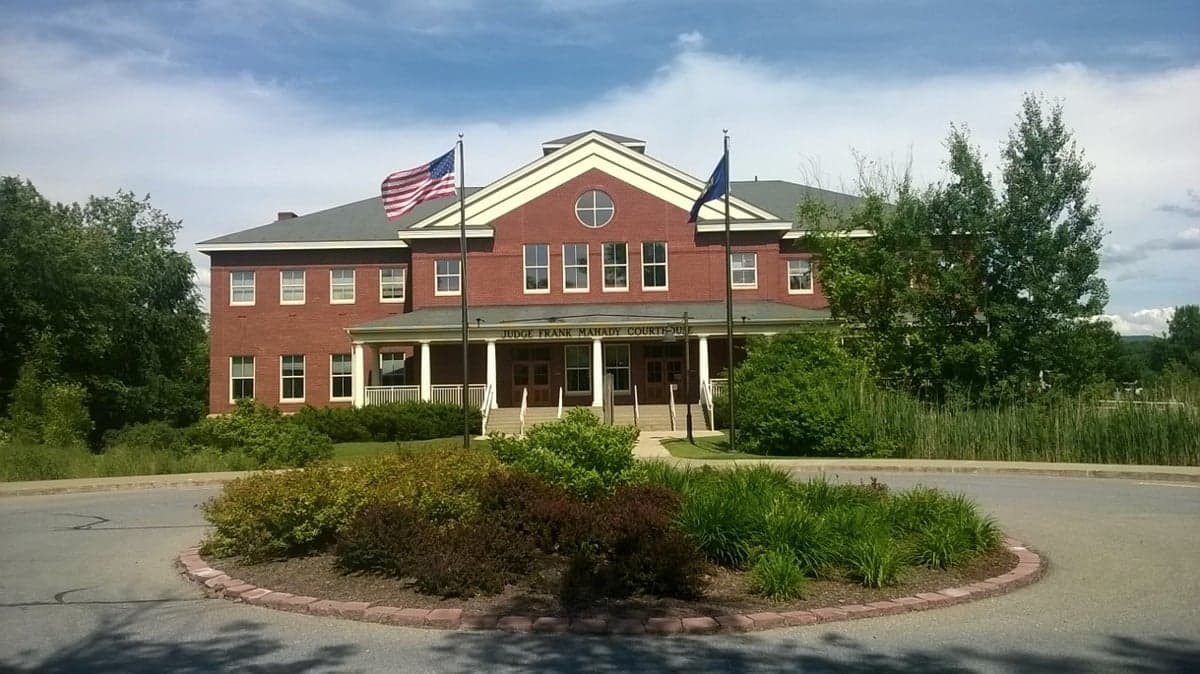
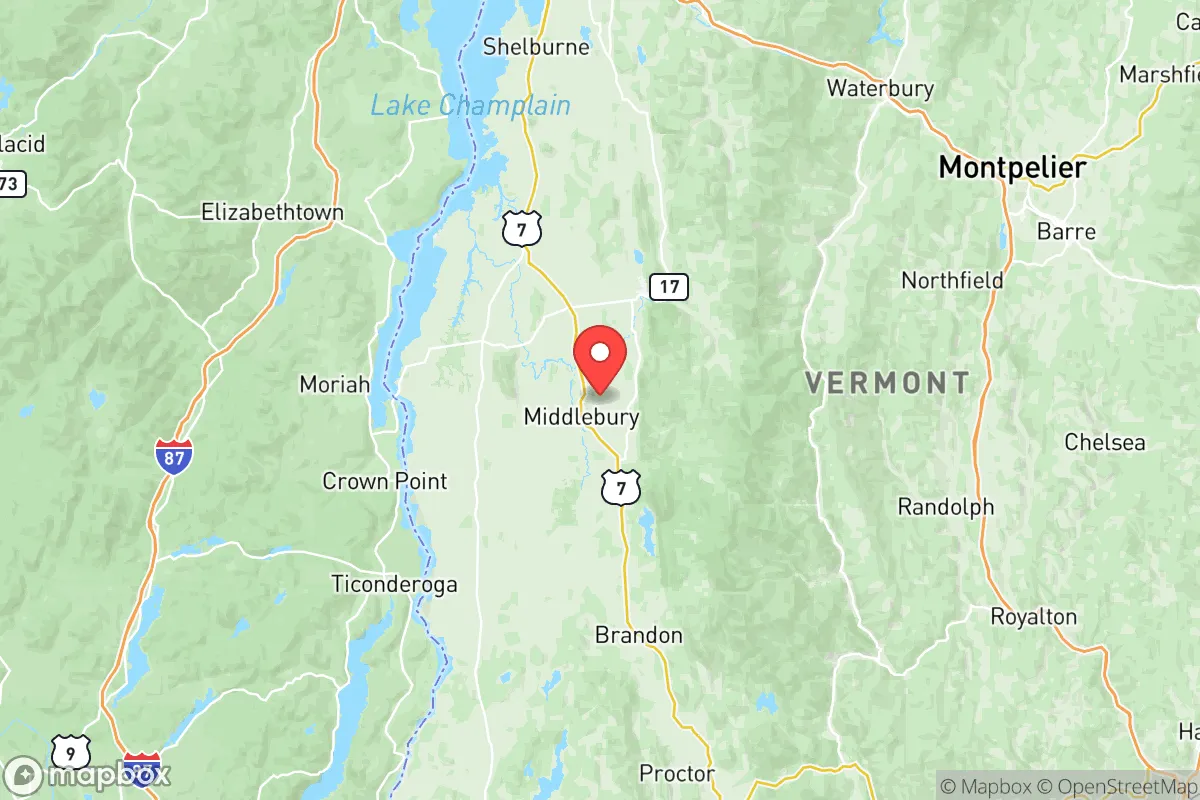
Photo: Wikipedia
Quality of Life in Addison County
A livable area that tracks near national norms for affordability, walkability, and neighborhood health.
What does Quality of Life tell us?
Quality of Life measures an area by evaluating factors like cost of living, nearby amenities, country club access, airport proximity, socioeconomic signals and neighborhood character. For large states, this is a general average — quality of life can vary dramatically between metro areas, suburbs, and rural communities within the same state.
What does this tell us?
Quality of Life measures an area by evaluating factors like cost of living, nearby amenities, country club access, airport proximity, socioeconomic signals and neighborhood character. For large states, this is a general average — quality of life can vary dramatically between metro areas, suburbs, and rural communities within the same state.
Cost of Living
9% above national average
93%
The Real Cost of Living in Addison County for 2026
| Tier | Individual | Family (4) |
|---|---|---|
| Survival | $19k | $36k |
| Comfortable | $65k | $95k |
| Luxury | $135k+ | $209k+ |
| Elite (Top 5%) | $158k+ | $246k+ |
Quality-of-Life Analysis
Addison County, Vermont, offers a broad spectrum of quality-of-life options, from the college-town energy of Middlebury to the quiet, agricultural seclusion of towns like Shoreham and Bridport. The county’s character is defined by its working farms, the Champlain Valley shoreline, and the Green Mountain foothills, attracting a mix of academics, remote workers, farmers, and outdoor enthusiasts. With a cost-of-living index of 109 (slightly above the national average) and a median home value of $333,700, the county provides a more attainable entry point into Vermont living compared to Chittenden County to the north, though trade-offs in amenities and commute times vary significantly by location.
Largest town(s) & population centers
Middlebury is the county’s undisputed hub, home to Middlebury College and the region’s primary commercial and cultural center. Daily life here revolves around the walkable downtown, with independent bookstores, farm-to-table restaurants, and the Middlebury Farmers Market. The college anchors the local economy and provides a steady stream of cultural events, lectures, and athletic facilities open to the public. The average commute in the county is 24.5 minutes, but Middlebury residents often enjoy shorter trips, with many working within town or at the college. Vergennes, Vermont’s smallest city, offers a more compact, historic downtown along the Otter Creek, with a growing food scene and access to Lake Champlain’s boat launches. Bristol, at the foot of the Green Mountains, serves as a gateway for hikers and mountain bikers, with a lively Main Street anchored by the Bristol Bakery and local shops. These three towns concentrate the county’s rental stock, with median rent at $1,201, though availability can be tight during the academic year.
Smaller towns & rural pockets
Beyond the population centers, Addison County’s smaller towns offer a distinctly quieter, land-based lifestyle. Shoreham and Bridport, along the Lake Champlain shoreline, are dominated by dairy farms and open fields, with limited commercial services—residents typically drive 20–30 minutes to Middlebury or Vergennes for groceries and healthcare. Cornwall and Weybridge are classic Vermont hill towns, known for their conserved farmland and low traffic, attracting those who prioritize privacy and agricultural views. Ripton, nestled in the Green Mountain National Forest, is a tiny hamlet popular with hikers and skiers accessing the nearby Bread Loaf campus and Robert Frost’s former home. Leicester, along Route 7, offers a mix of lake access and rural homes, but lacks a defined village center. These areas typically have older housing stock, with some properties requiring significant updates, which can offset the county’s median home value for buyers willing to invest in renovations.
Cost & lifestyle range
The cost of living and amenities vary sharply across the county. At the higher end, Middlebury and Vergennes command premium prices for walkable access to shops, restaurants, and services; a single-family home near the college can easily exceed $500,000, while rentals near campus are scarce and often priced above the county median. At the lower end, Shoreham, Bridport, and Leicester offer more affordable land and older homes, often under $300,000, but with longer commutes—up to 35 minutes to Middlebury or 45 minutes to Burlington—and no local grocery stores or gas stations. Bristol and New Haven sit in the middle, with moderate home prices and a reasonable balance of services and rural character. The county’s average commute of 24.5 minutes masks this spread: residents in the Champlain Islands or far western towns may drive 30–40 minutes daily, while those in Middlebury or Vergennes often commute under 15 minutes. Property taxes in Vermont are among the highest in the nation, but Addison County’s rates are generally in line with the state average, with town-by-town variations based on local school budgets.
This county works best for people who value a slower pace, agricultural landscapes, and community ties over urban convenience. Families and remote workers who can tolerate a longer drive for groceries and entertainment will find the most affordable options in the rural towns, while those who prioritize walkability and cultural amenities should focus on Middlebury or Vergennes. Outdoor enthusiasts—particularly cyclists, paddlers, and skiers—will find the entire county accessible, with the Trail Around Middlebury and the Lake Champlain Paddlers’ Trail providing year-round recreation. The trade-off is clear: lower housing costs in the periphery come with fewer services and longer commutes, while the population centers offer convenience at a premium. For those seeking a genuine Vermont experience—working farms, quiet roads, and a strong sense of place—Addison County delivers a range of choices that few other regions can match.

Crime in Addison County
Generally safer than 71% of comparable U.S. locations.
Violent CrimeViolent Crime Analysis
Property CrimeProperty Crime Analysis
Crime Analysis
Addison County, Vermont, presents a mixed safety profile that is heavily shaped by its rural character and the progressive criminal justice policies of the state. With a violent crime rate of 218.1 per 100,000 residents and a property crime rate of 1,440.4 per 100,000, the county is safer than the national average in terms of violent offenses but faces a property crime problem that exceeds both state and national benchmarks. The county's largest population centers—Middlebury, Vergennes, and Bristol—drive the majority of reported incidents, while smaller towns like Shoreham and Cornwall remain notably quieter.
Crime in context
Addison County's violent crime rate of 218.1 per 100,000 is roughly 38% lower than the national average of about 350 per 100,000, placing it among the safer rural counties in New England. However, the property crime rate of 1,440.4 per 100,000 is approximately 25% higher than the Vermont state average of 1,150 per 100,000 and slightly above the national figure of 1,342 per 100,000. This inversion—low violence but elevated theft—is a hallmark of counties where progressive judicial philosophies and lenient sentencing for non-violent offenders have been implemented. Vermont's statewide approach to criminal justice, which emphasizes diversion programs and reduced incarceration for property crimes, has a direct impact on Addison County, where repeat offenders face minimal consequences. The Vermont State Police barracks in New Haven and the Middlebury Police Department handle the bulk of enforcement, but the county's reliance on a progressive District Attorney's office for the Addison Judicial District means that many property crime cases are plea-bargained down or diverted before reaching trial.
What residents experience
For residents of Middlebury, home to Middlebury College and the county's commercial hub, property crime is the most tangible safety concern. Bicycle theft, package theft, and vehicle break-ins are routine, particularly near the college campus and along Main Street. Vergennes, the smallest incorporated city in Vermont, reports a disproportionate share of vandalism and larceny relative to its population, driven by transient populations passing through on U.S. Route 7. Bristol, a growing town with a popular village center, has seen an uptick in burglaries targeting seasonal homes and outbuildings. Violent crime is rare but not absent: aggravated assaults in Middlebury and domestic violence incidents across the county account for most of the violent crime statistic. The presence of the Addison County Community Justice Center in Middlebury reflects the area's progressive approach, offering restorative justice programs that critics argue fail to deter repeat property offenders. Residents in outlying towns like Lincoln and Starksboro report feeling safe walking at night, but they also note that the lack of police presence in those areas makes them attractive targets for theft rings operating along the Route 7 corridor.
Neighborhood-level variation is pronounced in Addison County. The most affluent areas—such as the Weybridge Hill neighborhood near Middlebury and the lakefront properties in Ferrisburgh—experience very low crime, largely because of low population density and active neighborhood watch networks. In contrast, the more affordable rental districts in Middlebury's "Triangle" area and the mobile home parks in Vergennes see higher rates of reported theft and disorder. The progressive policies of the Addison County State's Attorney's office, which prioritize treatment and diversion over incarceration for drug-related property crime, have created a perception among long-term residents that the justice system is not adequately protecting victims. For families considering a move to the area, the property crime rate in Middlebury and Vergennes warrants attention, while the rural towns of Shoreham, Cornwall, and Bridport offer a significantly lower risk profile. Overall, Addison County is a safe place to live by national violent crime standards, but its property crime problem—exacerbated by a lenient judicial environment—requires proactive measures like home security systems and community vigilance.
* Values derived from national, state, county, city and local statistics and may differ in a specific area. Last updated: 2026-07-19T02:16:58.000Z
Narrative content on this page is AI-generated and may contain mistakes. Verify any details that matter before acting on them.
ReloMaps may earn a commission from affiliate links at no extra cost to you.

