 Popular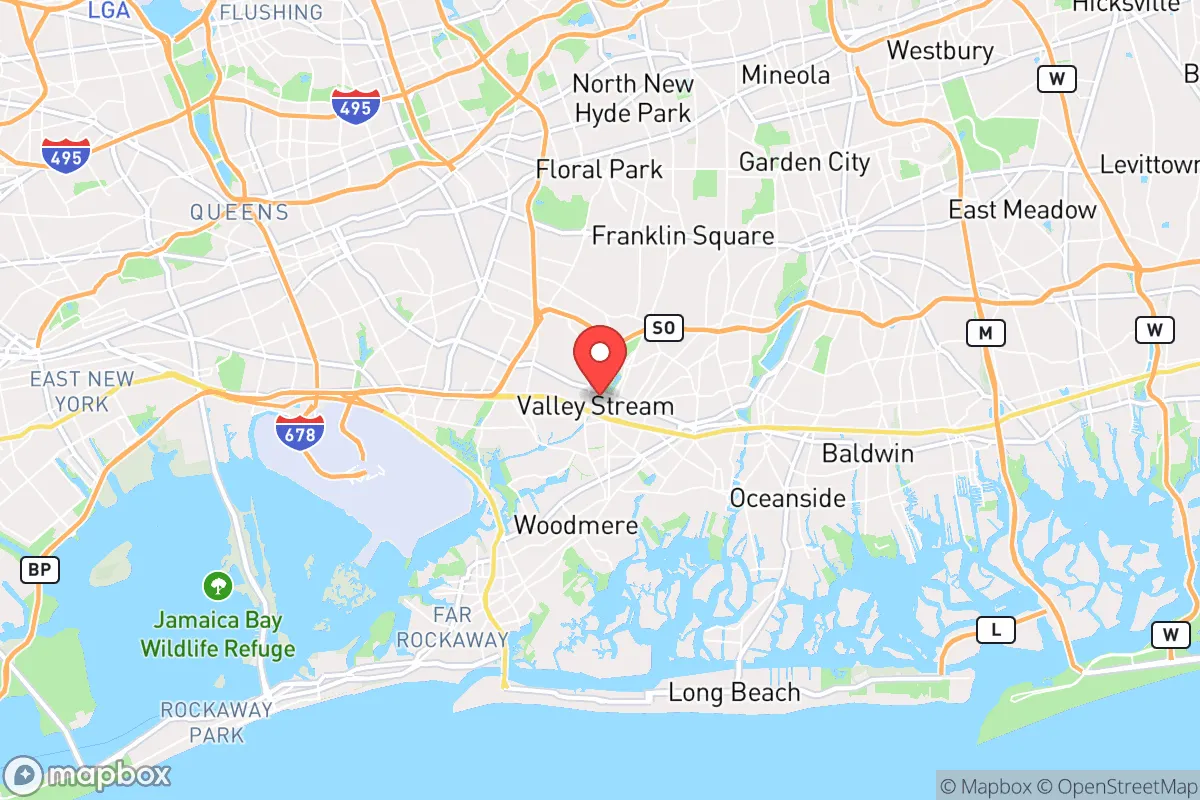
Photo: Wikipedia
Political ClimatePolitical Climate in Valley Stream, NY
District shown is the primary district for this city’s centroid. Cities may span multiple districts.
Local Political AnalysisPolitical Analysis of Valley Stream, NY
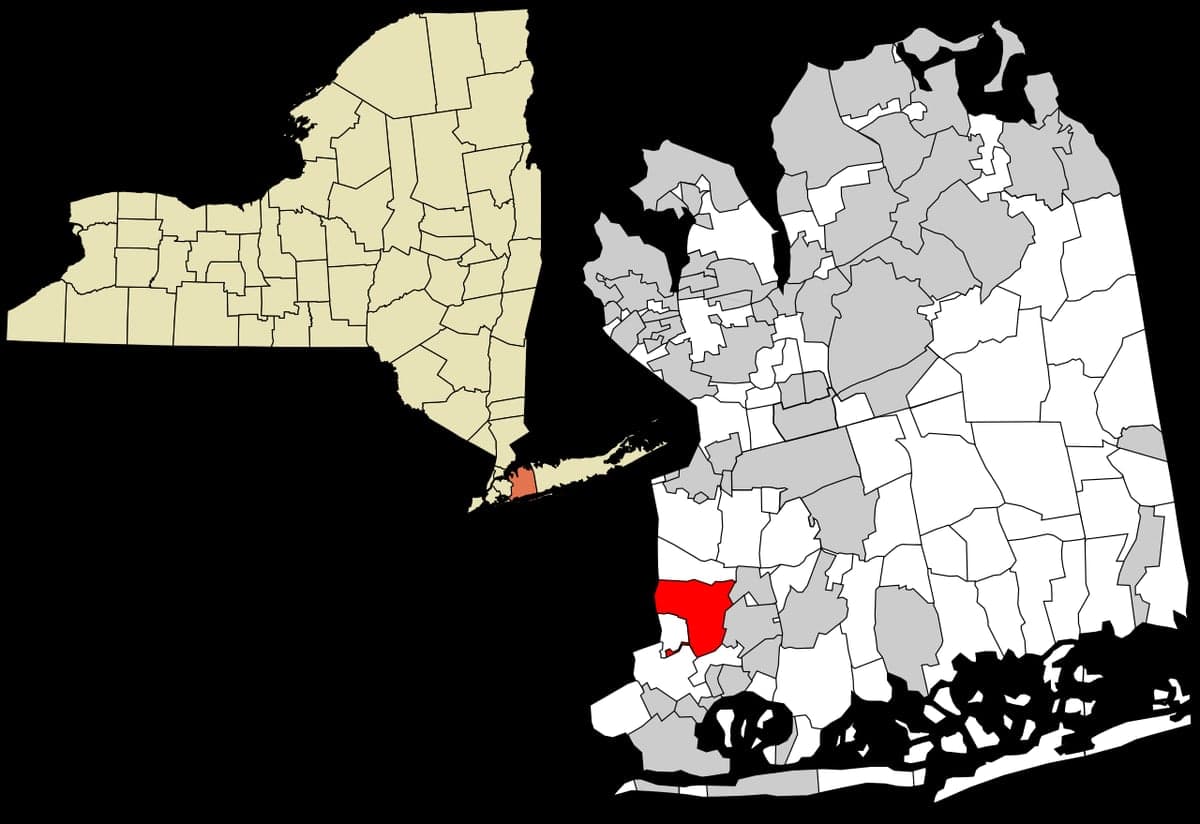
Valley Stream, New York, has a Cook PVI of D+2, meaning it leans slightly Democratic in federal elections, but that number doesn't tell the whole story for a longtime resident like me. This village in Nassau County used to be a rock-solid conservative stronghold, where folks valued low taxes, local control, and the freedom to live without the government breathing down your neck. Over the last decade or so, you've seen a slow but steady shift toward progressive politics, driven by new arrivals from the city and younger voters who don't remember the days when Valley Stream was a place where you could raise a family without worrying about your rights being chipped away. It's still a mixed bag—many of us old-timers hold the line—but the trajectory is concerning if you value personal freedoms and limited government.
How it compares
Compared to neighboring towns, Valley Stream sits in a kind of political no-man's-land that's getting bluer by the year. Head east to Lynbrook or Rockville Centre, and you'll find communities that have swung hard left, with local boards pushing zoning changes and mask mandates that feel like government overreach. Drive west to Franklin Square or Elmont, and you'll see a similar trend, though Elmont's larger minority population has made it a reliable Democratic base for decades. The real contrast is north to Garden City or Mineola, where the old-school Republican machine still holds sway, keeping taxes lower and school boards focused on education, not social engineering. Valley Stream used to be in that camp, but now it's a battleground—every local election feels like a fight to keep the village from becoming another progressive experiment gone wrong.
What this means for residents
For those of us who value personal freedoms, the shift means you have to stay vigilant. The village board and school board have started flirting with policies that feel like a foot in the door for bigger government—think diversity initiatives that push a specific ideology, or zoning changes that could limit your property rights. Property taxes in Nassau County are already sky-high, and every new progressive program adds another layer of cost and control. If you're a conservative here, you're not alone—there's a strong network of local groups and civic associations that push back—but you have to show up at every meeting and vote in every primary. The long-term outlook is uncertain; if the trend continues, Valley Stream could become a place where your Second Amendment rights are restricted or your business is burdened with new regulations. It's not there yet, but the warning signs are clear.
One cultural distinction that stands out is the village's strong sense of community among the older, more conservative families—the ones who remember when the Fourth of July parade was a celebration of patriotism, not a platform for political messaging. There's a quiet resistance here, a refusal to let the progressive agenda take over completely, but it's a daily grind. If you're considering a move to Valley Stream, know that you'll find neighbors who share your values, but you'll also need to be ready to defend them. The days of just coasting on the area's conservative reputation are over; now it's about holding the line and keeping the government out of your life.

State Political ClimatePolitical Climate in New York
State Political AnalysisPolitical Environment in the State
New York State has been a solidly Democratic stronghold for decades, but the real story is the widening chasm between the deep-blue urban core and the increasingly red, frustrated upstate. Over the last 20 years, the state has lurched leftward on nearly every front—taxes, regulation, education, and personal freedoms—driven by the massive population and political machine of New York City. While the state as a whole hasn't flipped, the 2024 presidential results showed a continued rightward shift in places like Staten Island, Suffolk County, and the Southern Tier, even as Manhattan and Brooklyn doubled down on progressive policies. For a conservative considering relocation, the picture is stark: you're looking at a state where your vote in statewide races is effectively canceled out by the five boroughs, but where local control in certain counties still offers a lifeline.
Urban vs. rural divide
The political map of New York is a tale of two states. New York City—particularly Manhattan, Brooklyn, and the Bronx—drives the statewide Democratic supermajority, with margins often exceeding 80% in some precincts. The immediate suburbs, like Westchester County and Nassau County, lean blue but are more competitive, while Staten Island remains the only NYC borough that consistently votes Republican in presidential races. Head north of the Tappan Zee Bridge, and the picture flips. Upstate New York—from the Capital Region around Albany to the Finger Lakes and the North Country—is a patchwork of red and purple counties. Oneida County and Rensselaer County have trended redder, while Erie County (Buffalo) and Monroe County (Rochester) remain blue due to their urban cores. The real battleground is the Hudson Valley, where exurbs like Orange County and Sullivan County are swinging right as New York City refugees seek lower taxes and more space.
Policy environment
New York's policy environment is among the most progressive in the nation, and it's a major reason conservatives look elsewhere. The state has the highest combined state and local tax burden in the country, with income tax rates topping 10.9% for top earners and property taxes that can exceed 2% of home value annually. The Climate Leadership and Community Protection Act (CLCPA) mandates a 85% reduction in greenhouse gas emissions by 2050, effectively banning new natural gas hookups and driving up energy costs. On education, the state has embraced critical race theory and gender identity curriculum in public schools, with the Board of Regents pushing "culturally responsive-sustaining education" frameworks. Healthcare is dominated by the New York Health Act (single-payer) proposals, though it hasn't passed yet. Election laws are among the most permissive: no-excuse absentee voting and early voting are now law, and a 2023 law allows non-citizens to vote in local elections in NYC—a flashpoint for conservatives. The state also has some of the strictest gun laws in the nation, including the SAFE Act (2013) and the 2022 Concealed Carry Improvement Act, which effectively bans guns in "sensitive locations" like Times Square and public transit.
Trajectory & freedom
New York is becoming less free by almost any measure, and the trend is accelerating. The 2022 Concealed Carry Improvement Act was a direct response to the Supreme Court's Bruen decision, and it essentially re-imposed a "may-issue" regime by requiring applicants to prove "good moral character" and submit social media history. On parental rights, the state passed the Gender Expression Non-Discrimination Act (GENDA) in 2019, which allows students to change their gender markers in school records without parental consent. The Reproductive Health Act (2019) codified abortion up to birth and allowed non-physicians to perform the procedure. Property rights have been eroded by the Housing Stability and Tenant Protection Act (2019), which eliminated vacancy decontrol and made it nearly impossible for landlords to evict problem tenants. The Green Light Law (2019) allows undocumented immigrants to obtain driver's licenses, and the state's sanctuary policies prevent local law enforcement from cooperating with ICE. On the positive side for conservatives, the 2024 bail reform rollback gave judges more discretion to hold dangerous offenders, a rare win for law-and-order advocates. But the overall trajectory is clear: more regulation, higher taxes, and less individual autonomy.
Civil unrest & political movements
New York has been a flashpoint for political activism on both sides. The 2020 Black Lives Matter protests in NYC were among the largest and most destructive in the nation, with looting and arson in Manhattan and the Bronx. The state responded with the Eric Garner Anti-Chokehold Act, which banned police chokeholds but also led to a surge in police retirements. On the right, the New York State Rifle & Pistol Association has been the lead plaintiff in multiple Supreme Court cases, and the Upstate Conservative Coalition has organized rallies against the SAFE Act and the Green Light Law. The New York City Council has seen a growing "socialist" faction, with members like Tiffany Cabán and Alexa Avilés pushing defund-the-police budgets. Immigration politics are explosive: the state's sanctuary policies have led to a massive influx of asylum seekers, with NYC alone housing over 100,000 migrants since 2022, straining schools and shelters. Election integrity remains a concern for conservatives, with the state's no-excuse absentee voting and automatic voter registration raising questions about ballot security. The 2020 election saw widespread use of drop boxes and mail-in ballots, and while no major fraud was proven, the lack of voter ID laws remains a sore point.
Projection
Over the next 5-10 years, New York is likely to become more progressive at the state level, but with a growing conservative backlash in the exurbs and upstate. The 2020 Census cost the state a congressional seat, and the trend of out-migration—especially to Florida, Texas, and the Carolinas—will continue as high taxes and housing costs push families out. The 2024 election showed that even in deep-blue New York, Trump gained ground in places like Suffolk County and Orange County, suggesting a realignment is underway. However, the state legislature's Democratic supermajority is unlikely to be broken, meaning policies like the New York Health Act (single-payer) and public campaign financing will likely pass. The congestion pricing plan for Manhattan, set to begin in 2024, will further alienate suburban commuters. For a conservative moving in now, expect to see more gun restrictions, higher taxes, and a continued erosion of parental rights in schools. The best bet is to settle in a red county like Oneida, Rensselaer, or Orange, where local government can still push back against Albany's overreach.
Bottom line for a new resident: If you're a conservative, New York is a state where you'll need to pick your battles. You'll pay high taxes, deal with restrictive gun laws, and watch your kids be exposed to progressive ideology in public schools. But if you choose your county wisely—say, Staten Island for a NYC commute or Oneida County for a lower cost of living—you can find a community that shares your values. Just don't expect the state government to have your back. It's a place where you fight for your freedoms at the local level, because Albany sure isn't going to give them to you.
* Values derived from national, state, county, city and local statistics and may differ in a specific area. Last updated: 2026-05-01T04:48:23.000Z
Narrative content on this page is AI-generated and may contain mistakes. Verify any details that matter before acting on them.
ReloMaps may earn a commission from affiliate links at no extra cost to you.

