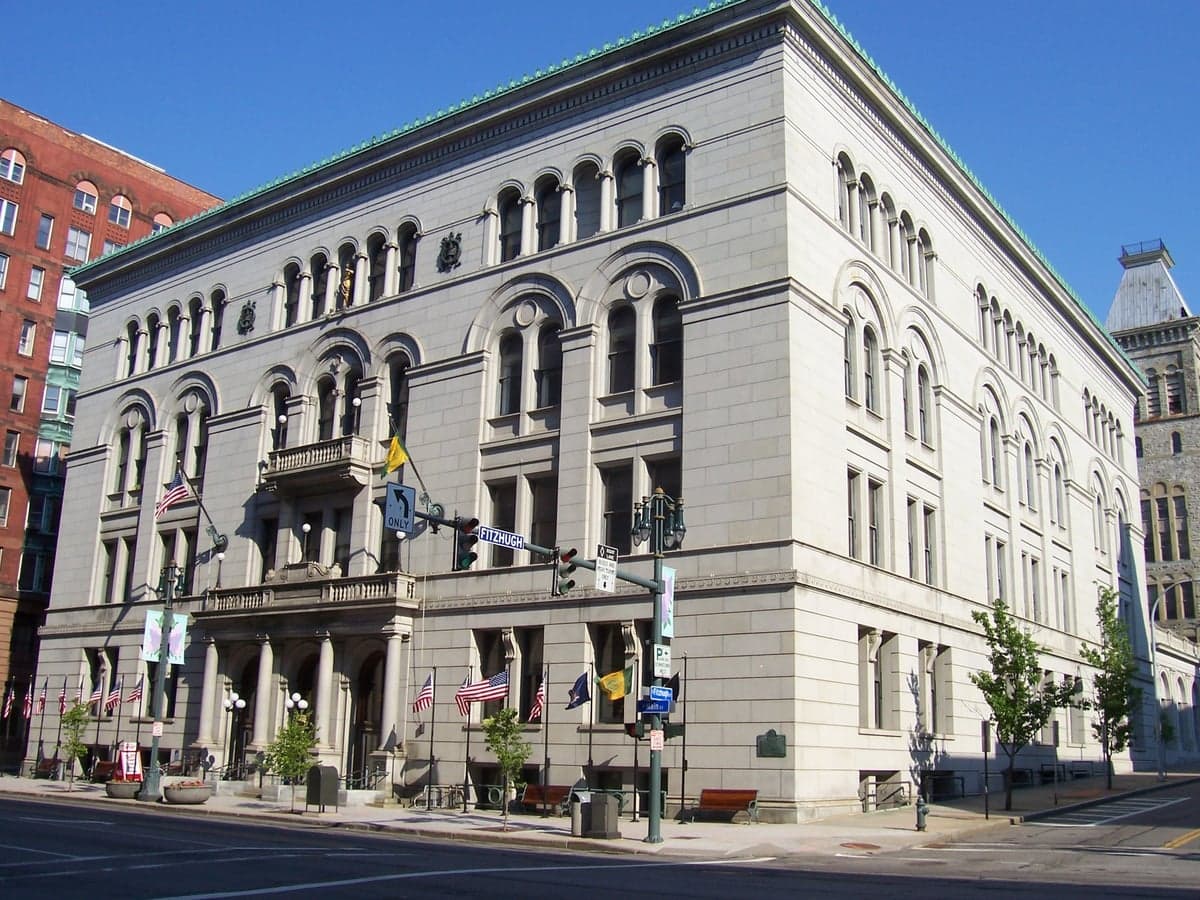
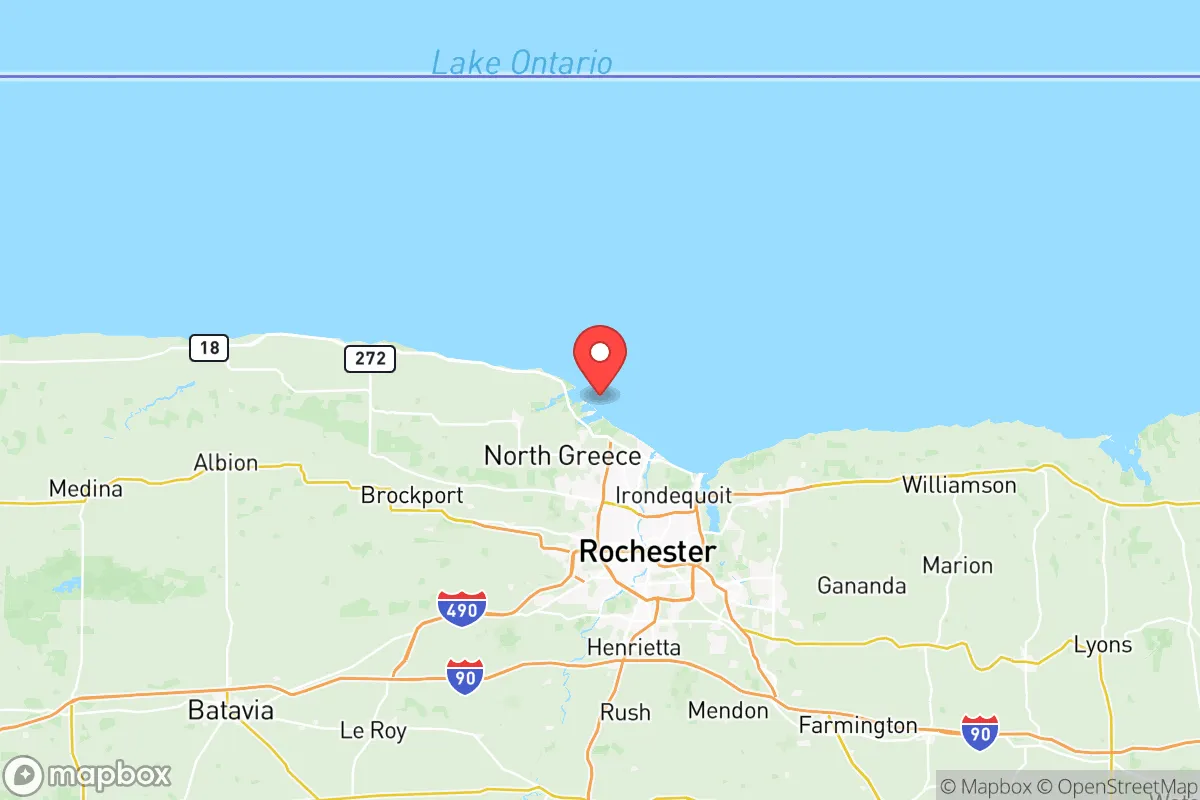
Photo: Wikipedia
Find The Best Places To Live in Monroe County
PRO TIP! You can paste a Zillow or Redfin link to get info on that property.
Best Places to Live in Monroe County
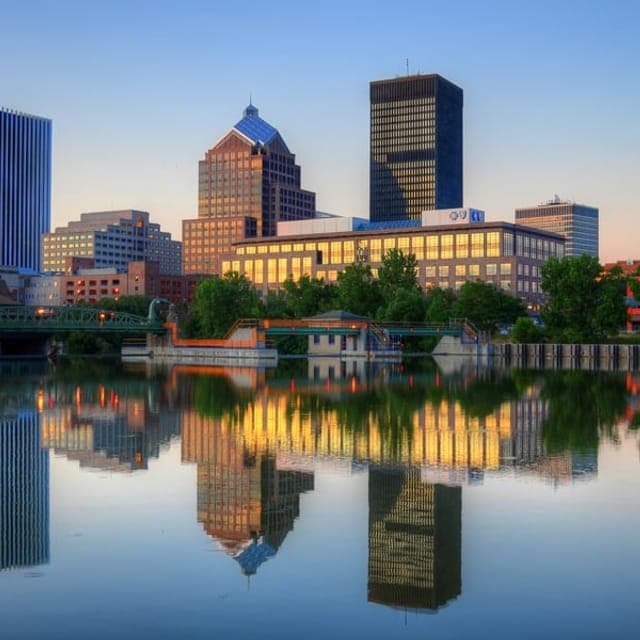
Cities & Towns in Monroe County
Cities in Monroe County
What It's Like Living in Monroe County, NY
Living in Monroe County, New York means navigating a landscape that shifts from the high-energy pulse of Rochester’s city neighborhoods to the quiet apple orchards of Hamlin and the suburban sprawl of Pittsford and Greece. You get the research-driven ambition of a region shaped by Kodak and Xerox, layered over Lake Ontario’s lake-effect snow. It’s a place where the cost of living actually makes sense for the amenities, but where the long winters and a shrinking population base create a peculiar mix of opportunity and frustration. The vibe is less "upstate hustler" and more "resilient pragmatist."
The Daily Rhythm: Where Commutes Are Short and Seasons Are Long
One of the first things newcomers notice is how manageable the commute is. The average drive to work in Monroe County clocks in at just under 20 minutes, which means leaving Pittsford for a job at the University of Rochester or driving from Irondequoit to a manufacturing plant in Henrietta rarely feels like a grind. You trade that extra hour other metros burn in traffic for a slower morning coffee at a local spot like Equal=Grounds in the South Wedge or a quick stop at a Wegmans — a local institution that inspires near-religious loyalty. The county’s median household income sits at $74,409, which stretches further here thanks to a cost of living index of 86, well below the national average. That reality shapes daily life: people spend weekends on home improvement projects, hitting up the Rochester Public Market for seasonal produce, or taking a short drive to Letchworth State Park for a hike, not recovering from a crushing daily grind.
Sports, Community, and the Things That Bring People Together
This county loves its sports, but the loyalty is distinctly local. While the Buffalo Bills fandom bleeds in from the west, the true pulse is with the Rochester Americans (AHL hockey) at the Blue Cross Arena and the Rochester Red Wings (Triple-A baseball) at Frontier Field. A summer Friday night catching a Wings game, eating a garbage plate from a nearby concession stand, is a rite of passage. High school sports are a serious deal in the suburbs — Friday-night lights in Penfield or Fairport can pack bleachers with parents and alumni, and the annual rivalry between Pittsford Mendon and Pittsford Sutherland is genuine, not manufactured. For the college crowd, RIT’s Division I hockey is a massive draw, especially when they host the Atlantic Hockey tournament. The region also embraces its festivals hard — the Lilac Festival in Highland Park every May is the unofficial start of a short, glorious summer, drawing over 500,000 visitors.
What Everyday Life Actually Looks Like: Pros and Honest Frustrations
The kind of person who thrives here is someone who doesn't mind owning a snowblower and a good pair of boots, but also values space and stability. Median home values sit at $197,100, which gives young families and first-time buyers a reasonable shot at a single-family home with a yard in Greece or Webster — something unthinkable in many other regions. The trade-off is weather: expect lake-effect snow from November through March, where a foot of accumulation overnight is normal, not a news story. Residents complain about it, but they also adapt with a communal shrug — plow drivers become neighborhood heroes, and the Roc Holiday Village in downtown Rochester has turned a winter weekend into a festive event.
- Pros: Genuinely affordable housing. Short, predictable commutes. A strong sense of place in towns like Brockport and Spencerport. Access to Lake Ontario beaches (even if the water is chilly). The Rochester Museum & Science Center and Strong National Museum of Play are world-class family resources.
- Cons: Long, grey winters can drain your soul if you’re not intentional about getting outside. The violent crime rate of 362.1 per 100K is notable — most of it is concentrated in specific Rochester neighborhoods, not the suburbs, but it affects the county’s overall perception. Population has been flat or declining for decades, which means fewer young professionals stick around after college. Job growth outside of healthcare and education is modest.
Who Fits Here and Who Might Struggle
Monroe County is ideal for families who want good public schools (look at Brighton or Pittsford for top-tier districts) without the insane housing premiums. It works for mid-career professionals in engineering, optics, or healthcare — the University of Rochester Medical Center and Rochester Institute of Technology are huge employers that stabilize the job market. The county’s population is 41.2% college-educated, which is above the national average, supporting a sophisticated cultural scene of indie bookstores, third-wave coffee shops, and the Eastman School of Music concerts. High-energy singles seeking a fast-paced nightlife might find the scene limited after a few seasons, though the Park Avenue strip and the South Wedge offer solid bar-hopping options. People who prefer endless sunny days and mild winters will eventually hit a wall here — the median age of 39.5 suggests a population that sticks around for the long haul, not the thrill ride. For those willing to embrace four distinct seasons and a community that values substance over flash, Monroe County offers a solid, affordable life where a decent living still buys a house with a yard.

* Values derived from national, state, county, city and local statistics and may differ in a specific area. Last updated: 2026-06-29T00:14:24.000Z
Narrative content on this page is AI-generated and may contain mistakes. Verify any details that matter before acting on them.
ReloMaps may earn a commission from affiliate links at no extra cost to you.

