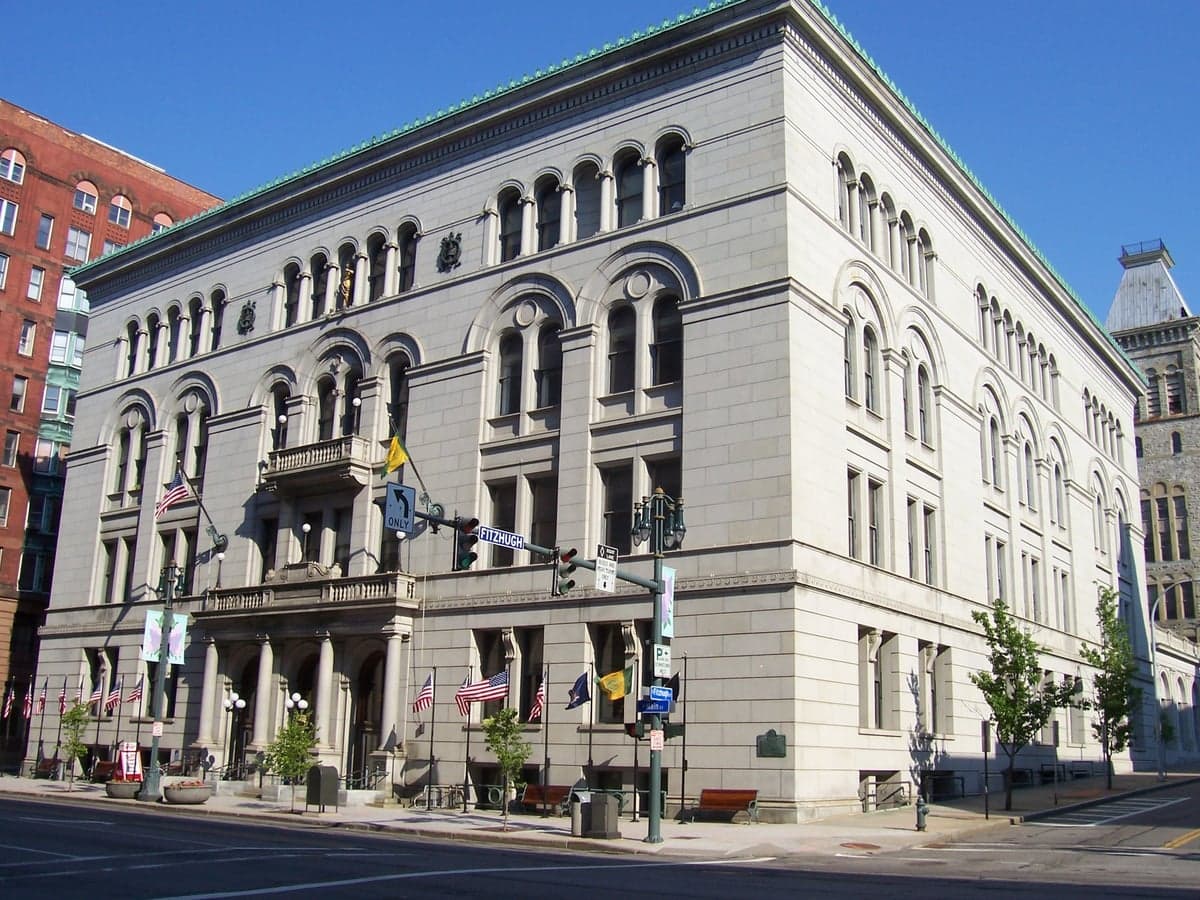
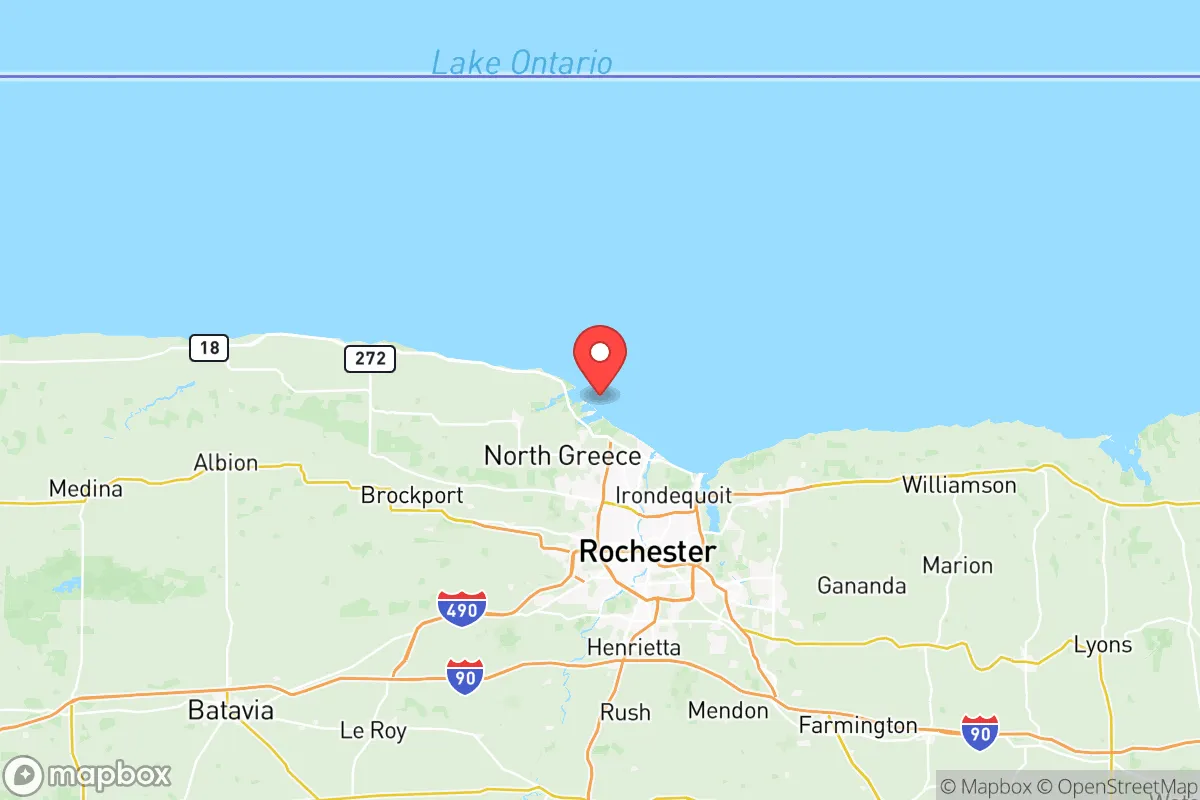
Photo: Wikipedia
Quality of Life in Monroe County
A livable area that tracks near national norms for affordability, walkability, and neighborhood health.
What does Quality of Life tell us?
Quality of Life measures an area by evaluating factors like cost of living, nearby amenities, country club access, airport proximity, socioeconomic signals and neighborhood character. For large states, this is a general average — quality of life can vary dramatically between metro areas, suburbs, and rural communities within the same state.
What does this tell us?
Quality of Life measures an area by evaluating factors like cost of living, nearby amenities, country club access, airport proximity, socioeconomic signals and neighborhood character. For large states, this is a general average — quality of life can vary dramatically between metro areas, suburbs, and rural communities within the same state.
Cost of Living
14% below national average
132%
The Real Cost of Living in Monroe County for 2026
| Tier | Individual | Family (4) |
|---|---|---|
| Survival | $18k | $34k |
| Comfortable | $38k | $56k |
| Luxury | $134k+ | $208k+ |
| Elite (Top 5%) | $162k+ | $251k+ |
Quality-of-Life Analysis
Monroe County, New York offers a broad quality-of-life spectrum that ranges from the dense, amenity-rich urban core of Rochester to quiet, agricultural hamlets like Honeoye Falls and Rush. With a cost of living index of 86 (14% below the national average), a median home value of $197,100, and a median rent of $1,126, the county attracts a diverse mix of professionals, families, and retirees who choose their specific community based on trade-offs between commute time, school quality, and access to nature. The average commute of just under 20 minutes is a standout feature, making even the more rural towns viable for daily work in the city.
Largest town(s) & population centers
The dominant population center is the city of Rochester, which anchors the county with a population of roughly 210,000. Daily life here is defined by walkable neighborhoods like the Park Avenue and South Wedge districts, a strong arts and music scene anchored by the Eastman School of Music, and major employers such as the University of Rochester and Rochester Regional Health. Surrounding the city, the suburban towns of Greece (pop. ~96,000), Irondequoit (~51,000), and Brighton (~37,000) offer a more traditional suburban experience with strip malls, good public schools, and quick access to Lake Ontario beaches. Henrietta is a major retail and employment hub, home to the Marketplace Mall and Rochester Institute of Technology, while Pittsford is known for its highly ranked school district and historic village center along the Erie Canal. These towns see median home values well above the county average, often in the $250,000–$400,000 range, reflecting their premium on schools and convenience.
Smaller towns & rural pockets
Moving south and east from the urban core, the county transitions into smaller communities with distinct identities. Fairport, a village within the town of Perinton, is a canal-side community with a popular farmers market and a walkable downtown, attracting families who want a small-town feel within 15 minutes of Rochester. Further south, Honeoye Falls (pop. ~2,700) and Mendon offer a more rural character with large-lot homes, horse farms, and access to the Honeoye Creek and Mendon Ponds Park. The town of Rush is predominantly agricultural, with working farms and a population density of fewer than 200 people per square mile. On the county's western edge, Hamlin and Clarkson are lake-effect snow belts with a mix of lakefront cottages and farmland, offering lower home prices—often under $180,000—but longer commutes and fewer retail options. These smaller towns are where the county's median home value of $197,100 is most attainable, especially for first-time buyers willing to trade urban amenities for acreage.
Cost & lifestyle range
The cost-of-living spread across Monroe County is significant. At the high end, Pittsford and Brighton have median home values exceeding $350,000 and property taxes among the highest in the state, reflecting their top-tier school systems and proximity to the city. At the low end, neighborhoods in the city of Rochester itself—particularly the 19th Ward and Edgerton—offer median home values under $100,000, though buyers should factor in higher crime rates and older housing stock. The suburban middle ground is occupied by towns like Greece and Irondequoit, where a three-bedroom ranch can still be found for $150,000–$200,000. Renters benefit from the county's low median rent of $1,126, which is roughly $300 below the national average, making Monroe County one of the more affordable metro areas in the Northeast. The trade-off is clear: lower-cost areas often have longer commutes (though still under 30 minutes) and fewer walkable amenities, while higher-cost towns deliver shorter commutes and better-funded public services.
Monroe County is best suited for people who value short commutes and affordable housing over the extremes of either urban density or rural isolation. Professionals working at the University of Rochester or Eastman Kodak's legacy sites find the 20-minute average commute a major quality-of-life advantage. Families seeking strong public schools gravitate to Pittsford, Brighton, or Fairport, while those prioritizing land and quiet choose Honeoye Falls or Rush. Retirees on fixed incomes often find the city's lower-cost neighborhoods or the lake towns of Hamlin and Irondequoit to be financially sustainable. The county's key strength is that it offers genuine choice—from urban lofts to farmhouses—all within a 30-minute drive of a major medical and cultural hub.

Crime in Monroe County
WARNING: The crime statistics are unreliable for this jurisdiction. Local authorities have either not reported or under reported their data to the FBI. This could be due to bad intentions, incompetence or technical issues. Regardless, we suggest skepticism.
Higher crime rates than 65% of comparable U.S. locations.
Violent CrimeViolent Crime Analysis
Property CrimeProperty Crime Analysis
Crime Analysis
Monroe County, New York, presents a mixed safety picture where the county’s overall crime rates are slightly below the national average but significantly higher than the rest of New York State, driven largely by concentrated crime in the city of Rochester. With a violent crime rate of 362.1 incidents per 100,000 residents and a property crime rate of 1,536.7 per 100,000, the county’s numbers are roughly on par with the national average but roughly double the statewide average for violent crime. This disparity is almost entirely attributable to Rochester, which accounts for the vast majority of reported offenses, while surrounding towns and villages like Pittsford, Brighton, and Webster enjoy substantially lower crime rates and a markedly different day-to-day experience.
Crime in context
Monroe County’s violent crime rate of 362.1 per 100,000 is about 80% higher than the New York State average of roughly 200 per 100,000, though it sits just below the national median. Property crime at 1,536.7 per 100,000 is also elevated relative to the state average of approximately 1,100 per 100,000. These figures are heavily skewed by Rochester’s urban core, where concentrated poverty, gang activity, and a progressive District Attorney’s office have contributed to persistently high crime levels. The Monroe County District Attorney, Sandra Doorley, has faced criticism for policies that some argue prioritize diversion and leniency over accountability, a pattern common in many upstate New York jurisdictions. This approach, while well-intentioned, has been linked to higher recidivism rates and a perception that repeat offenders face few consequences, particularly for property and drug-related crimes. In contrast, suburban towns like Fairport and Penfield report violent crime rates that are a fraction of the county average, often below 50 per 100,000.
What residents experience
For residents, the safety experience depends almost entirely on where they live. In Rochester’s northeast and southwest quadrants, violent crime—especially shootings and aggravated assaults—is a daily concern, with the city recording over 200 homicides in 2024 alone. Property crime, including car thefts and burglaries, is also rampant in these areas. Conversely, residents in the eastern suburbs like Pittsford and Brighton report feeling very safe, with property crime rates around 800 per 100,000 and violent crime nearly nonexistent. The town of Greece, a large suburb northwest of Rochester, sits in the middle: its property crime rate is elevated due to retail theft and vehicle break-ins, but violent crime remains low. The key takeaway is that Monroe County’s averages mask a stark urban-suburban divide, and prospective residents should carefully evaluate specific neighborhoods rather than relying on county-level data.
Neighborhood-level variation is extreme. The safest areas are concentrated in the eastern and southern suburbs: Pittsford, Brighton, Penfield, and Fairport consistently rank among the lowest-crime communities in the county. The town of Webster, on the Lake Ontario shore, also maintains low crime rates. In contrast, the city of Rochester’s 14605, 14608, and 14621 ZIP codes have violent crime rates exceeding 1,500 per 100,000—more than four times the county average. The town of Irondequoit, a first-ring suburb, has seen rising property crime in recent years but remains safer than the city. For anyone considering a move to Monroe County, prioritizing a suburban or village location is strongly advised, as the progressive criminal justice policies in Rochester show no signs of reversing and continue to fuel a cycle of crime that disproportionately impacts the city’s most vulnerable residents.
* Values derived from national, state, county, city and local statistics and may differ in a specific area. Last updated: 2026-06-29T00:14:24.000Z
Narrative content on this page is AI-generated and may contain mistakes. Verify any details that matter before acting on them.
ReloMaps may earn a commission from affiliate links at no extra cost to you.

