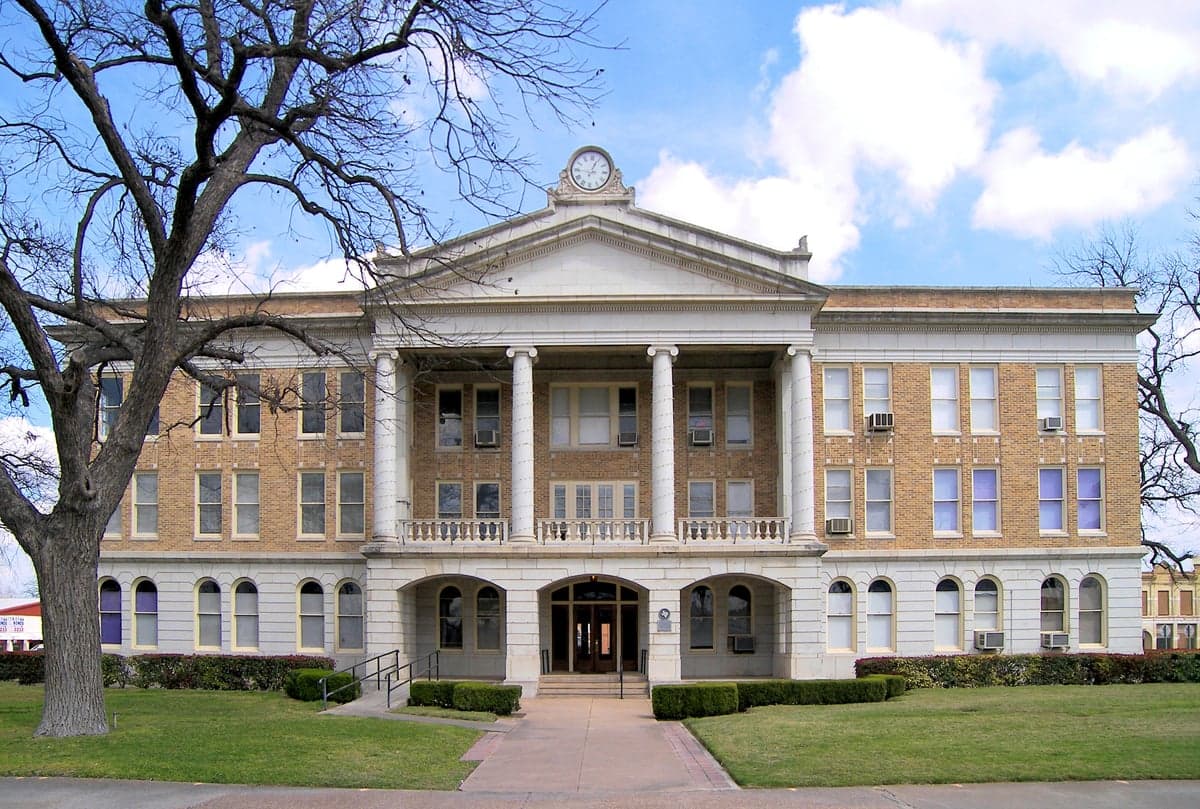
Photo: Wikipedia
Quality of Life in Uvalde County
A livable area that tracks near national norms for affordability, walkability, and neighborhood health.
What does Quality of Life tell us?
Quality of Life measures an area by evaluating factors like cost of living, nearby amenities, country club access, airport proximity, socioeconomic signals and neighborhood character. For large states, this is a general average — quality of life can vary dramatically between metro areas, suburbs, and rural communities within the same state.
What does this tell us?
Quality of Life measures an area by evaluating factors like cost of living, nearby amenities, country club access, airport proximity, socioeconomic signals and neighborhood character. For large states, this is a general average — quality of life can vary dramatically between metro areas, suburbs, and rural communities within the same state.
Cost of Living
30% below national average
140%
The Real Cost of Living in Uvalde County for 2026
| Tier | Individual | Family (4) |
|---|---|---|
| Survival | $15k | $29k |
| Comfortable | $28k | $41k |
| Luxury | $105k+ | $162k+ |
| Elite (Top 5%) | $125k+ | $194k+ |
Quality-of-Life Analysis
Uvalde County, Texas, offers a quality-of-life spectrum that spans from the county seat’s small-city conveniences to wide-open ranch country, all anchored by a cost of living index of 70 — a full 30 points below the national average. The county’s character shifts dramatically depending on where you stand: Uvalde proper functions as the commercial and civic hub, while communities like Knippa, Sabinal, and Utopia offer progressively quieter, more land-centric lifestyles. This range attracts a mix of Border Patrol agents and federal employees, ranch families, retirees seeking affordability, and hunters drawn to the Hill Country’s western edge.
Largest town(s) & population centers
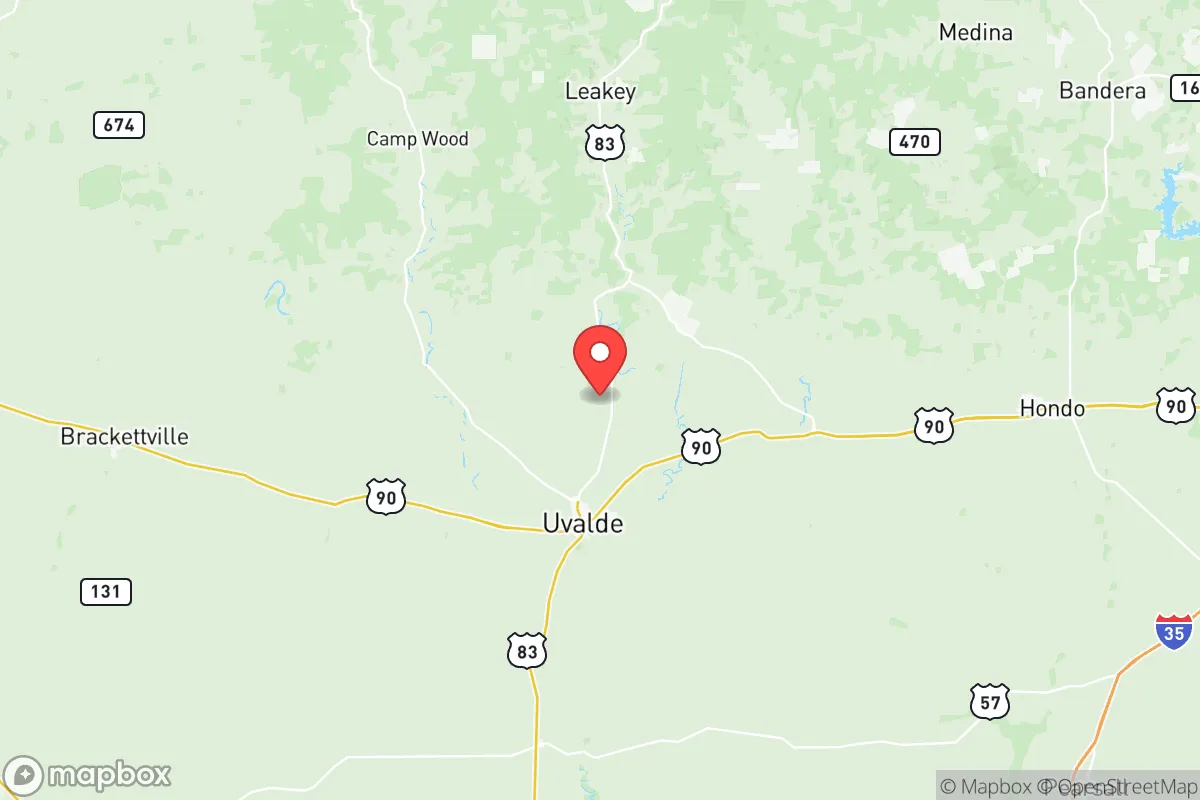
Uvalde is the undisputed population center, home to roughly 15,000 of the county’s 24,000 residents. Daily life here revolves around a functional small-city layout: the historic downtown along East Main Street, the county courthouse complex, and a commercial strip along U.S. Highway 90 that hosts big-box retail, grocery chains, and fast food. The city is the regional employment anchor, with Southwest Texas Junior College, Uvalde Memorial Hospital, and the Uvalde Consolidated Independent School District as top employers, alongside a significant federal presence from Customs and Border Protection and the Border Patrol’s Uvalde Station. Commute times reflect this self-contained economy — the average county commute is just 17.4 minutes, among the shortest in Texas. Residents here get walkable neighborhoods near downtown, a municipal pool, the Garner Field municipal airport, and the Briscoe-Garner Museum, but they trade away the dining and entertainment variety found in San Antonio, 85 miles east.
Smaller towns & rural pockets
Outside Uvalde, the county fragments into distinct rural communities, each with its own identity. Sabinal, 25 miles southeast on Highway 90, is a farming and ranching town of about 1,500 with a quiet main street, a grain elevator, and the Sabinal River running through town — it’s the kind of place where everyone knows the school superintendent’s name. Knippa, a few miles further east, is a tiny unincorporated community centered on its historic rock schoolhouse and the Knippa Community Center; it offers little more than a post office, a gas station, and proximity to the interstate-like flow of Highway 90. Utopia, in the county’s northwest corner along the Sabinal River, is the outlier — a scenic Hill Country hamlet of roughly 200 full-time residents that swells with weekenders and vacation-rental guests drawn to the clear river crossings and the Lost Maples State Natural Area just over the county line. Batesville, south of Uvalde, is a sparse agricultural community of a few hundred people, dominated by pecan orchards and the sprawling Chaparral Wildlife Management Area. These pockets share a common thread: no stoplights, limited retail, and a lifestyle built around land, livestock, and self-reliance.
Cost & lifestyle range
The financial spread across the county is narrow compared to metro Texas, but the lifestyle trade-offs are wide. The county-wide median home value sits at $144,400, and median rent at $966 — both well below state averages. At the affordable end, Knippa and Batesville offer the cheapest entry points: older frame houses and mobile homes on acreage can be found in the $80,000–$120,000 range, and rental options are scarce but inexpensive. Uvalde proper sits in the middle, with a mix of postwar bungalows near downtown, newer subdivisions on the city’s north side, and a handful of gated communities near the golf course; most homes list between $130,000 and $250,000. At the premium end, Utopia and the Frio River corridor command the highest prices — riverfront cabins and ranch estates frequently list from $400,000 to over $1 million, driven by recreational demand from San Antonio and Houston buyers. Amenities follow the same gradient: Uvalde has the only full-service hospital, Walmart, and sit-down restaurants, while rural residents drive 20–40 minutes for groceries and rely on volunteer fire departments and well water. Property taxes are moderate by Texas standards, and the absence of a county-wide homeowners association culture means most rural land is unrestricted.
The residents who thrive in Uvalde County are those who value space, affordability, and a slower pace over urban convenience. Families working in Uvalde’s schools, hospital, or law-enforcement sector find a short commute and a safe, community-oriented environment. Retirees and remote workers with flexible schedules can enjoy the Hill Country scenery of Utopia or the quiet ranch life of Sabinal without metro prices. But the county demands trade-offs: limited healthcare specialties, a 90-minute drive to San Antonio for major airports and shopping, and summer heat that regularly tops 100°F. For those who accept those terms, Uvalde County delivers a quality of life that is increasingly rare in Texas — genuinely affordable, land-rich, and still close enough to civilization to be practical.

Crime in Uvalde County
Crime rates similar to the national median for U.S. locations.
Violent CrimeViolent Crime Analysis
Property CrimeProperty Crime Analysis
Crime Analysis
Uvalde County, a rural expanse of roughly 26,000 residents along the Texas-Mexico border region, presents a public safety picture that is markedly different from the state’s major urban centers. With a violent crime rate of 346.3 per 100,000 residents and a property crime rate of 1,798.2 per 100,000, the county sits near the middle of the pack for rural Texas, though the numbers mask significant variation between the county seat of Uvalde and the smaller, quieter communities like Knippa, Sabinal, and Utopia. The county’s overall safety profile is heavily influenced by the city of Uvalde, which accounts for the vast majority of reported offenses, while the outlying unincorporated areas and small towns experience substantially lower incident rates.
Crime in context
When measured against statewide benchmarks, Uvalde County’s violent crime rate of 346.3 per 100,000 is roughly 15% below the Texas average of approximately 410 per 100,000, and it sits well under the national rate of about 380 per 100,000. The property crime rate of 1,798.2 per 100,000, however, runs slightly above the Texas average of roughly 1,700 per 100,000, driven largely by theft and burglary reports in the Uvalde city limits. These figures place the county in a more favorable position than border-adjacent counties like Maverick (Eagle Pass) or Webb (Laredo), which consistently post violent crime rates above 500 per 100,000, but they lag behind the safest rural counties in the Hill Country to the east, such as Bandera or Real County, where violent crime often dips below 150 per 100,000. The contrast with major metros is stark: Houston and Dallas pull violent-crime rates up while Frisco and McKinney stay near the lowest in the state, and Uvalde County’s numbers fall somewhere between those extremes.
What residents experience
Residents of Uvalde County are far more likely to encounter property crime than violent offenses, a pattern consistent with rural Texas. The 1,798.2 per 100,000 property crime rate translates to roughly 460 reported incidents annually across the county, with vehicle burglaries and theft from outbuildings being the most common complaints in the unincorporated areas. The city of Uvalde, home to about 15,000 people, sees the bulk of these incidents, particularly in the commercial corridors along Main Street and Highway 90. Violent crime, while less frequent, is not evenly distributed: the 346.3 per 100,000 rate represents approximately 90 violent offenses per year, with a notable concentration in the older residential neighborhoods east of the downtown square and near the railroad tracks that bisect the city. The communities of Knippa and Sabinal, both with populations under 2,000, report only a handful of property crimes annually and virtually no violent offenses, while Utopia, a small unincorporated community in the county’s northern hill country, consistently records zero violent crime in most years.
Judicial and prosecutorial practices in the 38th Judicial District, which covers Uvalde County, lean conservative, with District Attorney Christina Mitchell maintaining a firm stance on violent offenders. This stands in contrast to the more progressive prosecutorial policies seen in Harris County (Houston) and Dallas County, where reform-minded district attorneys have implemented diversion programs and reduced cash bail for certain offenses. In Uvalde County, offenders convicted of violent crimes typically serve substantial sentences, and the county’s jail, with a capacity of 150 beds, operates at near capacity with a mix of pre-trial detainees and sentenced inmates. For residents, this means that repeat violent offenders are less likely to cycle quickly back onto the streets than in jurisdictions with more lenient bail and plea policies.
Neighborhood-level variation is pronounced for those considering a move to the area. The safest residential options are the newer subdivisions on the western edge of Uvalde near the Garner Field Road corridor, as well as the rural acreages along County Road 334 and the Frio River valley south of town. Older rental properties near the Uvalde High School campus and the downtown area see the highest call volumes for both property and disorder offenses. For families prioritizing safety, the northern half of the county, including the Utopia and Concan areas, offers the lowest crime risk in the entire region, though it comes with a longer commute to the county’s schools and medical facilities in Uvalde.
* Values derived from national, state, county, city and local statistics and may differ in a specific area. Last updated: 2026-10-31T04:48:06.000Z
Narrative content on this page is AI-generated and may contain mistakes. Verify any details that matter before acting on them.
ReloMaps may earn a commission from affiliate links at no extra cost to you.

