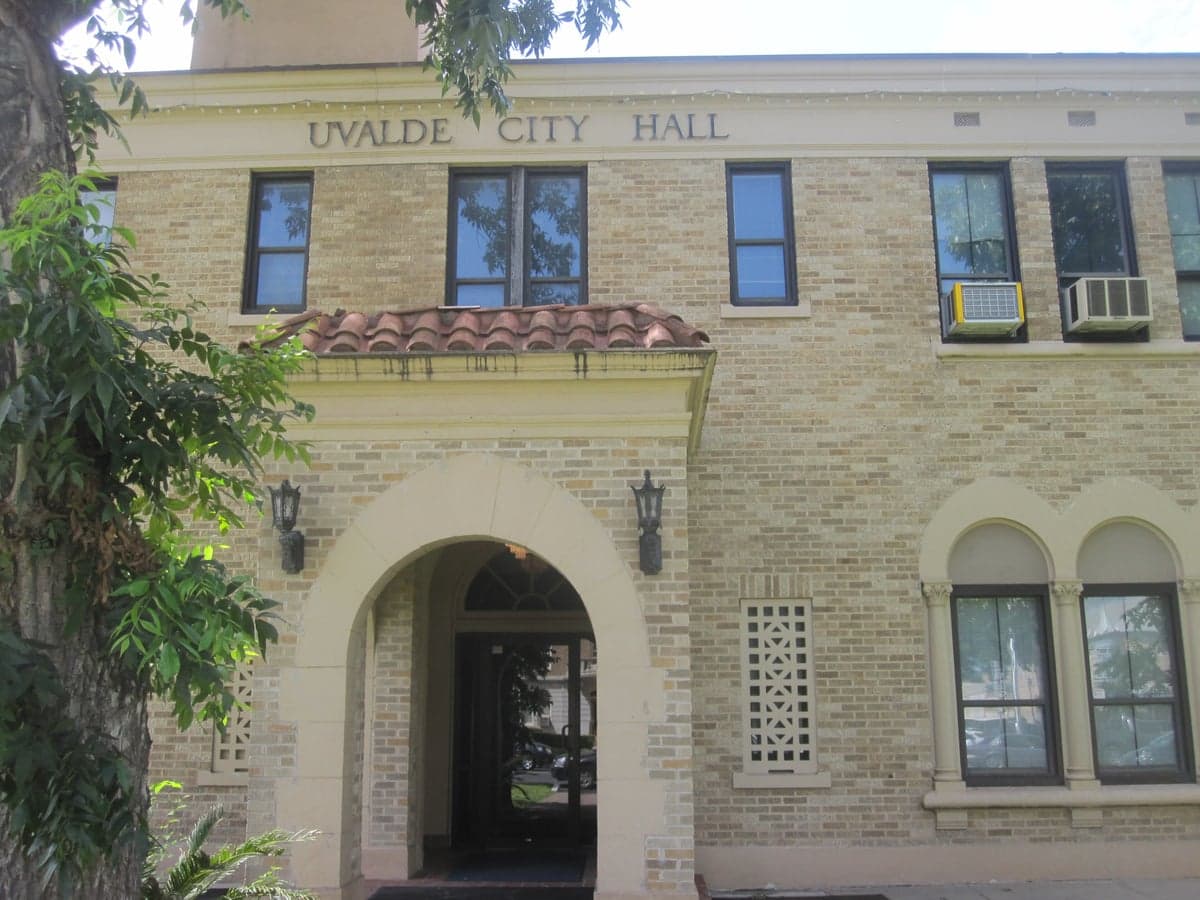
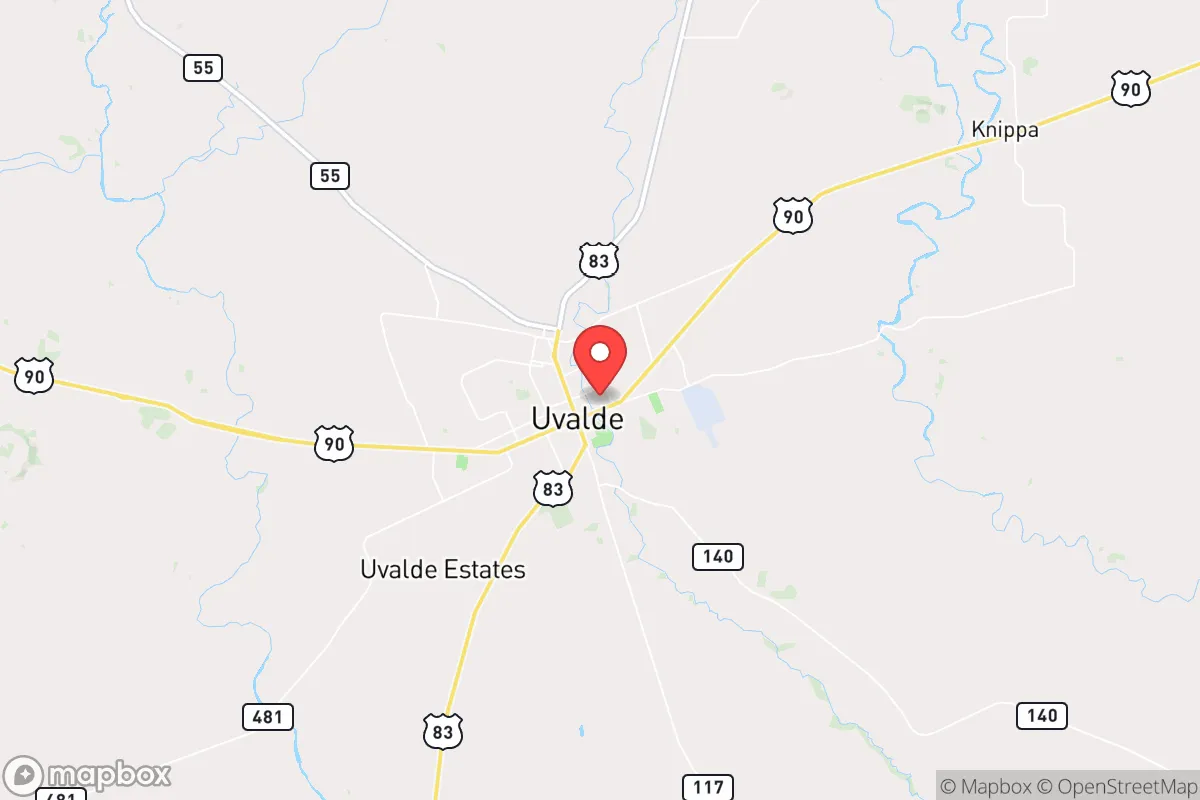
Photo: Wikipedia
Find The Best Places To Live
in Uvalde
PRO TIP! You can paste a Zillow or Redfin link to get info on that property.
What It's Like Living in Uvalde, TX
Living in Uvalde, Texas, feels like stepping into a slower, more grounded version of the American Southwest, where the rhythms of hunting season and high school football still set the calendar. It’s a town of roughly 15,300 people that wears its ranching and border-country heritage on its sleeve, with a downtown that feels both historic and quietly resilient. For the right person—someone who values deep community ties, wide-open spaces, and a cost of living that lets a paycheck stretch—Uvalde offers a life that’s affordable and unpretentious, though it comes with real trade-offs in amenities and opportunity.
Daily Rhythm: What People Actually Do
Most mornings in Uvalde start early. The commute is a genuine luxury here—the average drive to work is just over 15 minutes, meaning you can live on a few acres outside town and still be at your desk in the time it takes to finish a podcast. The biggest employers are the Uvalde Consolidated Independent School District, the local hospital (Uvalde Memorial), and the sprawling Southwest Texas Junior College campus, which brings a steady stream of younger residents and faculty. Weekends often revolve around the Nueces River, where families float in inner tubes during the sweltering summer, or a trip to Garner State Park about 30 minutes north—a beloved spot for camping and hiking that draws crowds from all over Texas. For errands, you’ll hit the H-E-B on Main Street or the Walmart Supercenter; there’s no Target or Costco, so a trip to San Antonio (about 90 minutes east) is a monthly ritual for many.
Sports, Community, and the High School Anchor
If you want to understand Uvalde, look at what happens on Friday nights in the fall. Coyote football at Uvalde High School is the town’s biggest recurring event, drawing thousands to the stadium regardless of the team’s record. The school district is the social and emotional center of the community—parents volunteer constantly, and teachers are known by name at the grocery store. There are no pro sports teams within an hour, but that barely registers; the local Little League and youth soccer leagues fill the gap. The town’s identity is deeply tied to its agricultural roots, and you’ll see that at the Uvalde County Fair and Rodeo each August, a week-long event with mutton bustin’, carnival rides, and a parade that shuts down downtown. It’s the kind of place where the high school homecoming parade is a legitimate civic holiday.
What’s There to Do: Food, Festivals, and the Outdoors
Dining out is limited but characterful. Locals swear by El Progreso for breakfast tacos and Mi Tierra for enchiladas—both are no-frills spots where the salsa is made fresh daily. For a nicer dinner, Mac’s Bar & Grill on Getty Street is the go-to for burgers and cold beer, and it doubles as a gathering spot for live music on weekends. The Uvalde Opera House, a restored 1890s venue, hosts community theater and the occasional touring act, giving the town a cultural heartbeat that surprises newcomers. Outdoor life is the main draw: the Uvalde Memorial Park has a pool, disc golf, and walking trails, and the Hill Country State Natural Area is a 45-minute drive for serious hikers. Hunting is huge—deer, turkey, and dove leases are a normal topic of conversation at the feed store. The biggest annual event after the fair is the Uvalde Honey Festival in the spring, celebrating the area’s role in Texas honey production with a cook-off and live music.
Pros and Cons of Living Here
- Pro: Affordability is real. The cost of living index sits at 71—nearly 30% below the national average. The median home value is $131,600, and with a median household income of $50,967, a family can actually buy a house on a single salary. Rent for a two-bedroom apartment often runs under $900.
- Pro: Genuine community feel. People know their neighbors. If your car breaks down on Highway 90, someone will stop. The downside of that closeness is that everyone also knows your business—privacy is thin.
- Con: Limited job market and low college attainment. Only 16.3% of adults hold a bachelor’s degree, and the local economy is heavily weighted toward education, healthcare, and retail. Professionals in tech, finance, or specialized fields will likely need to commute or work remotely.
- Con: Crime is a real concern. The violent crime rate is 408.1 per 100,000 residents—higher than the national average. Most incidents are concentrated in specific areas, but it’s a topic that comes up often among residents, especially after dark.
- Con: Not much for singles or young professionals. The median age is 33.9, but the social scene is heavily family- and church-oriented. Bars are few and low-key; there’s no nightlife district. If you’re under 30 and unattached, you’ll likely feel the lack of options.
The weather is classic South Texas: summers are brutal, with July highs regularly hitting 98°F and humidity that makes the air feel thick. Winters are mild—January averages a high of 62°F—but the town can get icy fog that shuts down the highway. Spring and fall are glorious, with wildflowers and cool evenings that make outdoor cookouts a weekly ritual. Traffic is essentially nonexistent outside of school pickup times; the biggest frustration is the distance to anything major. San Antonio is the nearest city for concerts, airports, and specialty shopping, and that 90-minute drive gets old fast. For families who want a safe, affordable place where kids can roam and everyone knows the school principal, Uvalde delivers. For anyone craving diversity, career growth, or urban energy, it will feel like a very long drive home.

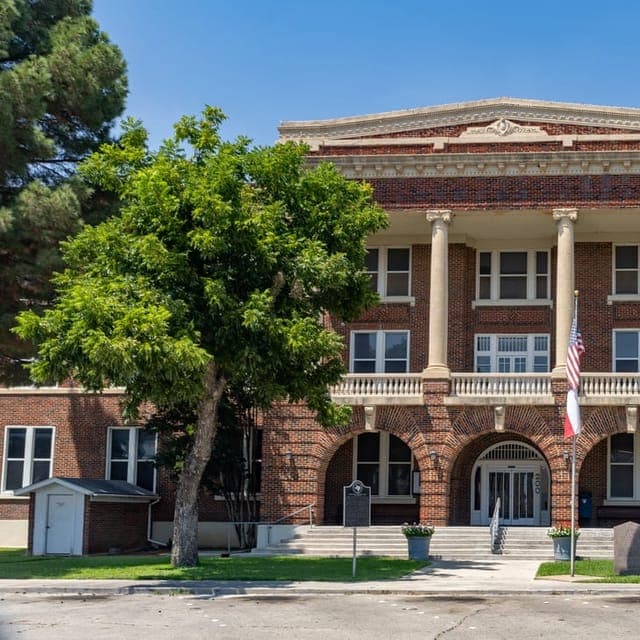
Similar towns to Uvalde

* Values derived from national, state, county, city and local statistics and may differ in a specific area. Last updated: 2026-10-23T21:24:08.000Z
Narrative content on this page is AI-generated and may contain mistakes. Verify any details that matter before acting on them.
ReloMaps may earn a commission from affiliate links at no extra cost to you.

