Photo: Wikipedia
Find The Best Places To Live in Nueces County
PRO TIP! You can paste a Zillow or Redfin link to get info on that property.
Best Places to Live in Nueces County


Cities & Towns in Nueces County
Cities in Nueces County
What It's Like Living in Nueces County, TX
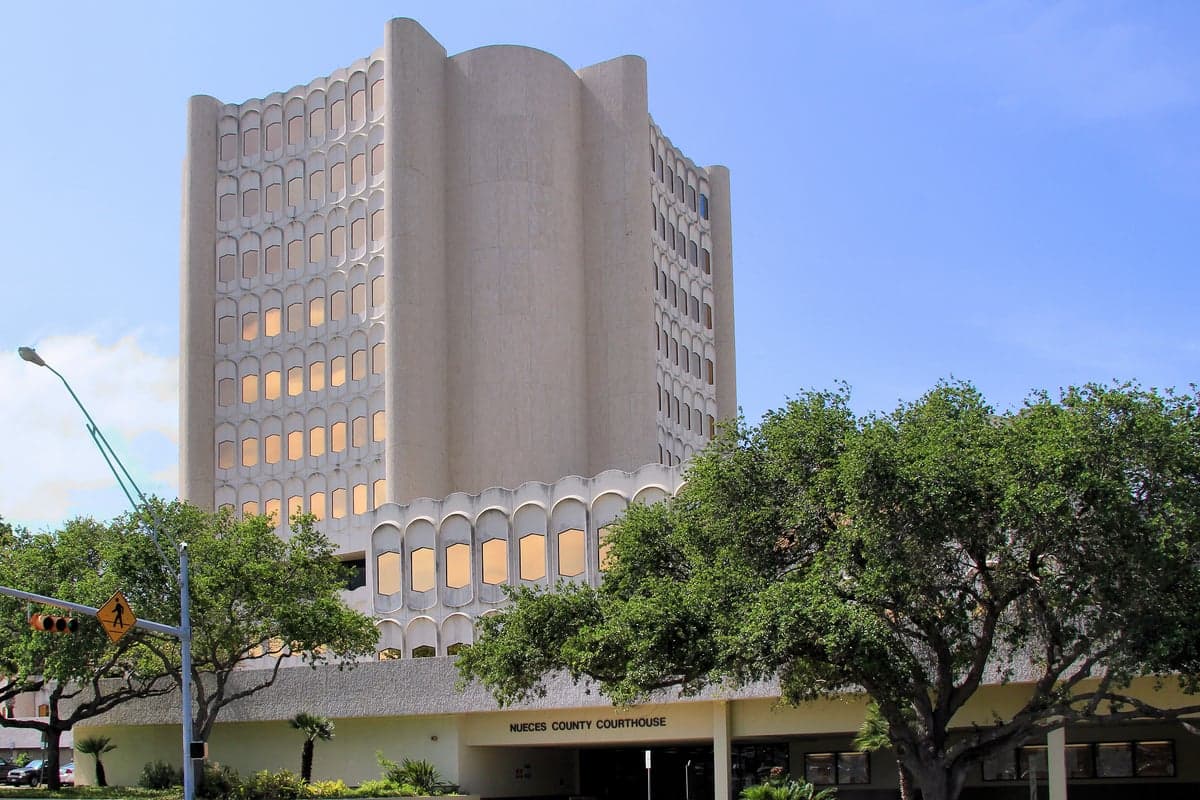
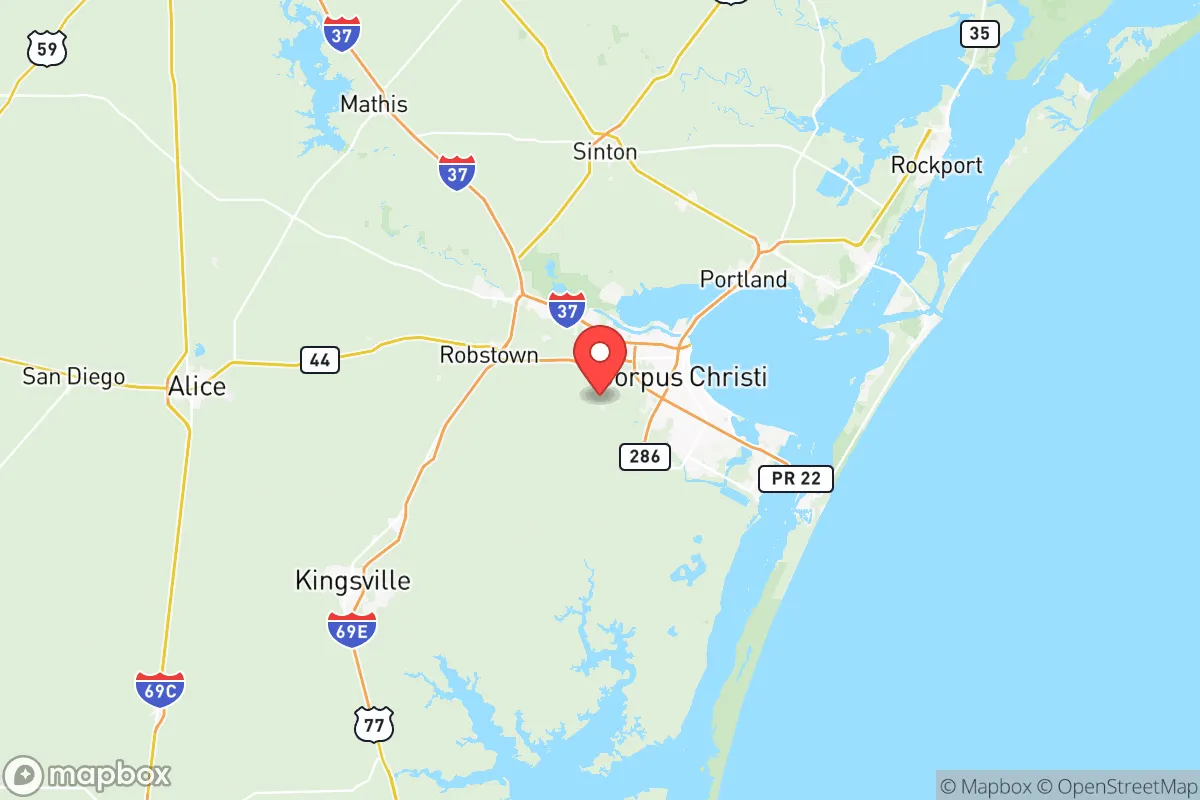
Living in Nueces County means trading the big-city rush for a slower, salt-tinged rhythm where the Gulf breeze and the smell of barbecue are constants. This is a place where the county seat, Corpus Christi, anchors the coast with its bayfront and refineries, while towns like Robstown, Portland, and Bishop offer quieter, landlocked lives. It’s a region that feels both sprawling and intimate, where the median age of 36.8 suggests a mix of young families and retirees, and where the cost of living index of 91 (well below the national 100) means your paycheck stretches further than it would in Austin or Dallas.
Daily Rhythm: From the Bay to the Brush Country
A typical weekday in Nueces County starts early, often with a commute that averages just over 21 minutes—short enough that you don’t dread the drive, long enough to finish a podcast. In Corpus Christi, that might mean heading to a job at the Port of Corpus Christi, one of the largest energy export hubs in the nation, or at a hospital like Christus Spohn. In Robstown, the pace is slower; people work in agriculture, retail, or commute into the city. The median household income sits at $66,021, which supports a comfortable, if not lavish, lifestyle—especially with a median home value of $194,700, a figure that feels almost quaint compared to the state’s pricier metros.
Weekends are for the water. Families in Portland and Ingleside spend Saturday mornings at the beach or fishing off the piers of the Laguna Madre. In Corpus Christi, the Texas State Aquarium and the USS Lexington draw crowds, but locals know the real draw is a cold beer at a dockside bar like the Water Street Oyster Bar. The weather is the defining seasonal rhythm: hot and humid from May through September, with a pleasant, mild winter that makes outdoor life possible year-round. Hurricanes are a real concern—residents keep a wary eye on the tropics from June to November—but the community is seasoned, and the rhythm of preparation and recovery is part of the identity.
Sports, Community, and the Local Identity
High school football is the unofficial religion here, especially in towns like Robstown and Bishop, where Friday-night games pack bleachers with generations of families. The Corpus Christi Hooks, the Astros’ Double-A affiliate, offer a more relaxed, affordable pro baseball experience at Whataburger Field, a ballpark that overlooks the bay and feels like the heart of the city’s summer social scene. For college sports, Texas A&M-Corpus Christi’s Islanders draw a loyal but modest following; you won’t find the frenzy of a UT game, but the basketball and volleyball programs have their moments.
The cultural identity is a blend of Coastal Texas and deep South Texas Hispanic heritage. The annual Buc Days festival in Corpus Christi is a massive celebration of the region’s maritime history, complete with parades, rodeos, and carnival rides. In Robstown, the annual Watermelon Festival is a smaller, more intimate affair that reflects the town’s agricultural roots. The food scene mirrors this mix: you’ll find excellent Tex-Mex in every corner, but also fresh Gulf shrimp and oysters that define the local cuisine. A standout is the original Snoopy’s Pier in Corpus Christi, a casual spot where you eat fried seafood while watching the ships roll in.
Pros and Cons of Living Here
The upsides are tangible. The cost of living is a genuine relief, especially for families looking to buy a home without a six-figure mortgage. The outdoor access is hard to beat—kayaking in the Oso Bay, birding at the Padre Island National Seashore, and fishing in the Gulf are all within a 30-minute drive from anywhere in the county. The community is friendly in a way that feels genuine, not performative; neighbors help each other during hurricane season, and local businesses still know your name.
The downsides are equally real. The violent crime rate of 345.1 per 100,000 is above the national average, and while it’s concentrated in certain parts of Corpus Christi, it’s a concern for anyone looking at neighborhoods. The job market is heavily tied to energy, healthcare, and the port, which means economic downturns can hit hard. Only 23.7% of adults hold a college degree, which reflects a workforce that is more blue-collar and trade-focused—a strength for some, a limitation for others. The summer heat is oppressive, and the humidity can feel like a wet blanket from June through September. Traffic in Corpus Christi is rarely a nightmare, but the city’s layout—sprawling and car-dependent—means you’ll drive for almost everything.
For the right person, Nueces County offers a life that feels grounded and unpretentious. It suits families who want space and affordability, retirees who want to be near the coast without the Florida price tag, and anyone who values a community that knows itself and doesn’t try to be something it’s not. The schools, like those in the Flour Bluff Independent School District, are deeply woven into the social fabric—they’re where bonds are formed and where Friday nights matter. If you’re looking for a place that feels like a real home, not a temporary stop, this corner of the Texas coast is worth a long look.

* Values derived from national, state, county, city and local statistics and may differ in a specific area. Last updated: 2026-06-17T15:31:05.000Z
Narrative content on this page is AI-generated and may contain mistakes. Verify any details that matter before acting on them.
ReloMaps may earn a commission from affiliate links at no extra cost to you.

