Photo: Wikipedia
Find The Best Places To Live in Nacogdoches County
PRO TIP! You can paste a Zillow or Redfin link to get info on that property.
Best Places to Live in Nacogdoches County
Cities & Towns in Nacogdoches County
Cities in Nacogdoches County
What It's Like Living in Nacogdoches County, TX
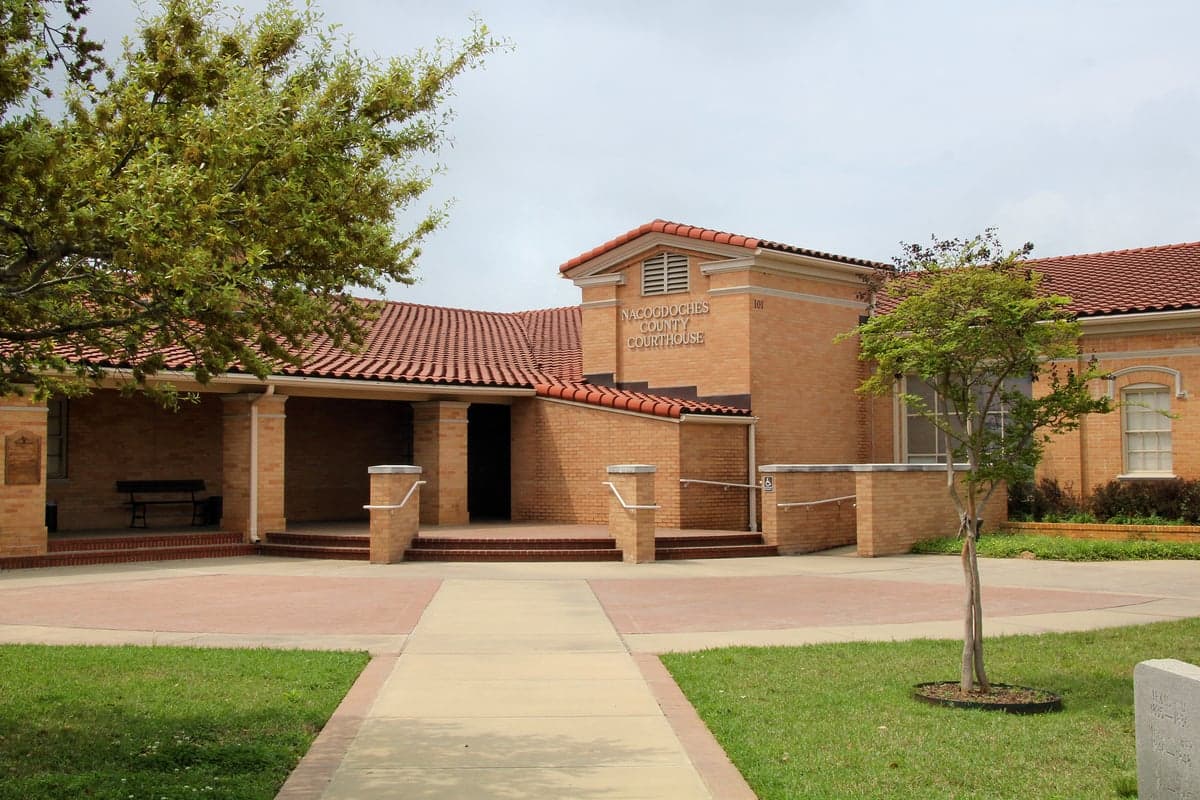
Living in Nacogdoches County feels like stepping into a part of Texas where history isn’t just a museum exhibit—it’s woven into daily life. The county, anchored by the city of Nacogdoches itself, is home to about 64,900 people, and the median age of 31.8 reflects a place that’s younger than the state average, thanks largely to Stephen F. Austin State University. But drive just a few miles out to towns like Garrison, Chireno, or the rural stretches near Cushing, and you’ll find a quieter, older-paced world where timber and cattle ranching still shape the landscape.
Daily Rhythm: College Town Meets Piney Woods
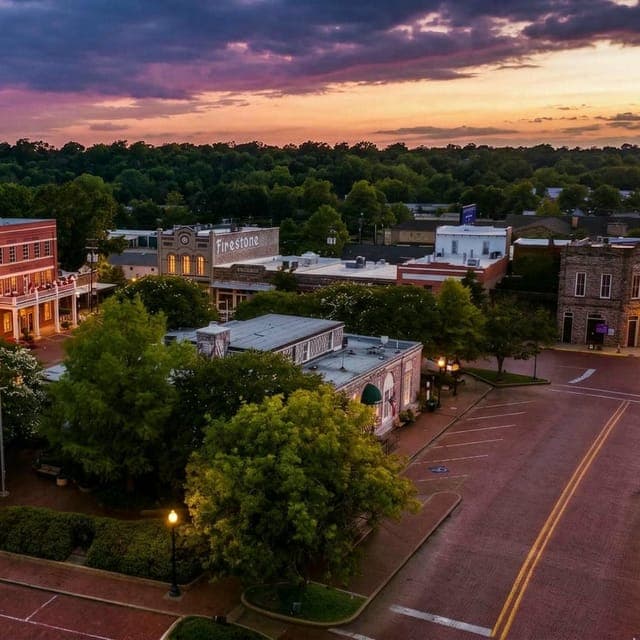
Life here moves at a noticeably slower pace than in Houston or Dallas, but it’s not sleepy. The university brings a steady hum of activity—coffee shops along North Street, like The Java Jacks, fill with students and faculty, while the downtown square in Nacogdoches buzzes with antique stores and local eateries like Clear Springs Restaurant. For families, the weekend rhythm often involves the Nacogdoches Farmers Market or a trip to the nearby Lake Nacogdoches for fishing and kayaking. The average commute is just under 20 minutes, so you’re not wasting hours in traffic—a real draw for people priced out of larger Texas cities. The cost of living index sits at 70, well below the national average, and a median home value of $158,200 means a solid three-bedroom house is within reach for a household earning the median income of $51,528.
That said, the county’s rural character means you’ll drive to Lufkin or Tyler for certain shopping or medical specialists. The weather is classic East Texas: hot, humid summers with afternoon thunderstorms, and mild winters that occasionally drop a dusting of snow. The pine forests and rolling hills give the area a green, almost Appalachian feel that surprises newcomers expecting flat plains.
Sports & Community: SFA Pride and Friday Night Lights
Sports are a genuine social glue here. Stephen F. Austin State University’s Lumberjacks draw solid crowds for football at Homer Bryce Stadium and basketball at the William R. Johnson Coliseum—especially when the men’s team makes a run in the NCAA tournament. But for many locals, high school football is the real heartbeat. The Nacogdoches High School Dragons pack Dragon Stadium on Friday nights, and in smaller towns like Garrison, the whole community turns out for the Bulldogs. It’s the kind of place where a winning season is front-page news and the booster club is a major social institution.
Beyond the gridiron, the county’s cultural identity is deeply tied to its history as the “Cradle of Texas.” The annual Texas Blueberry Festival in June draws thousands, and the Nacogdoches Azalea Trail in spring turns the town into a pastel wonderland. For outdoor types, the Pineywoods Native Plant Center and the trails at the Lanana Creek Trail offer easy escapes. The local music scene is small but genuine—venues like The Cole Art Center host live acts, and you’ll find country and blues at bars like The Back Porch.
What’s There to Do: Honest Pros and Cons
If you’re looking for nonstop nightlife or big-city amenities, Nacogdoches County will feel limiting. The entertainment options are mostly low-key: dinner with friends, a movie at the Plaza Theatre, or a weekend float down the Angelina River. But for people who value space, affordability, and a strong sense of community, the trade-offs are worth it. The violent crime rate of 345.1 per 100,000 residents is higher than the national average, and that’s a real concern—especially in parts of the city of Nacogdoches. Most residents will tell you to keep your car locked and be aware of your surroundings, but the rural areas and smaller towns like Chireno or Cushing feel much safer.
On the upside, the schools are a central part of community life. Nacogdoches ISD is the largest, but smaller districts like Garrison ISD and Central Heights ISD are known for tight-knit parent involvement. About 26.5% of adults hold a college degree, which is below the national average, but the university brings a steady influx of educated professionals and faculty. The local economy leans on education, healthcare (Nacogdoches Memorial Hospital is a major employer), and timber. It’s not a place for high-flying careers, but it’s a solid fit for remote workers, retirees, or families who want a slower, more affordable life without being completely isolated.

* Values derived from national, state, county, city and local statistics and may differ in a specific area. Last updated: 2026-06-20T11:54:18.000Z
Narrative content on this page is AI-generated and may contain mistakes. Verify any details that matter before acting on them.
ReloMaps may earn a commission from affiliate links at no extra cost to you.

