Find The Best Places To Live
in Nacogdoches
PRO TIP! You can paste a Zillow or Redfin link to get info on that property.
What It's Like Living in Nacogdoches, TX
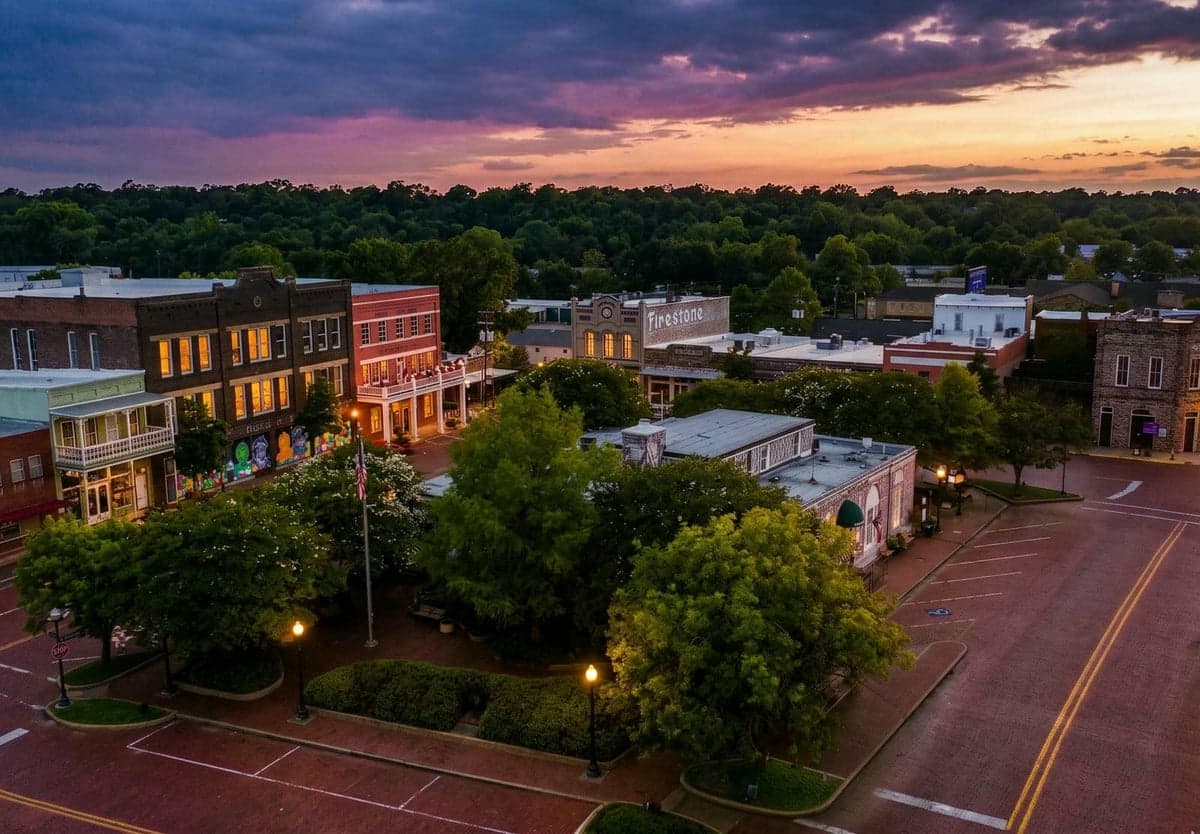
Living in Nacogdoches feels a bit like stepping into a slower, older version of Texas—one where the town’s identity is wrapped up in pine trees, brick streets, and the rhythms of Stephen F. Austin State University. With a population just over 32,000, it’s small enough that you’ll recognize faces at the grocery store, but big enough to have its own personality, anchored by a historic downtown and a deep sense of place. The median age of 25.3 tells you the university shapes daily life, but the community also has a strong core of families and retirees who’ve been here long enough to remember when the Dairy Queen was the only place to grab lunch.
Daily Rhythm: What People Actually Do Here
Most mornings start with a stop at a local coffee shop like The Java House on the square, where students and professors mix with city workers grabbing a breakfast taco. Commutes are genuinely short—the average is just over 16 minutes—so you’re not losing hours to traffic. People shop at the local Brookshire Brothers or the Walmart on North Street, but weekends often mean a trip to the Nacogdoches Farmers Market on Saturdays for fresh produce and local honey. Evenings tend to be low-key: dinner at Clear Springs Restaurant for catfish and hushpuppies, or a burger at The Jalapeño Tree, a local chain that’s been around since the 1970s. The cost of living index sits at 72—well below the national average—so a median income of $38,855 stretches further here than it would in most places, though it’s not a high-earning town by any stretch.
Sports, Community, and the SFA Factor
Stephen F. Austin State University is the heartbeat of local sports. SFA Lumberjacks football games at Homer Bryce Stadium draw solid crowds, but basketball is the bigger deal—the men’s and women’s teams have a loyal following, especially during conference play. High school football is also a big deal; Nacogdoches High School’s Dragons pack the stands on Friday nights, and the rivalry with Lufkin is the kind of thing people talk about all week. For a town this size, the sports scene punches above its weight because the university brings a level of competition you don’t usually find in a city of 32,000. If you’re not into sports, you’ll still feel the energy on game days—the whole town seems to buzz a little more.
What to Do: Festivals, Outdoors, and Quirks
The biggest event of the year is the Texas Blueberry Festival in June, which brings in thousands of people for live music, a 5K, and enough blueberry cobbler to feed an army. The Nacogdoches Azalea Trail in spring is another highlight—locals take pride in the blooming azaleas that line the historic homes. For outdoor types, the Piney Woods offer hiking at the nearby Davy Crockett National Forest or kayaking on Lake Nacogdoches. The Banita Creek Hall is the go-to spot for live country music and dancing, while Fredonia Hotel has a more upscale bar scene with craft cocktails. One cultural quirk: Nacogdoches bills itself as the “Oldest Town in Texas,” and you’ll hear that fact a lot. The historic downtown square, with its brick streets and antique shops, feels like a living museum, but it’s also where you’ll find the Nacogdoches Railroad Depot and the Cole Art Center, which hosts rotating exhibits.
Pros and Cons of Living Here
Longtime residents love the low cost of living, the genuine friendliness of neighbors, and the fact that you can get anywhere in town in under 15 minutes. The violent crime rate of 295.9 per 100,000 is higher than the national average, and that’s something people are honest about—it’s not a dangerous town by big-city standards, but you’ll want to be aware of your surroundings, especially near campus. The weather is classic East Texas: hot, humid summers, mild winters, and a lot of pine pollen in spring. Hurricanes rarely hit this far inland, but thunderstorms can be intense. The schools—Nacogdoches ISD—are a mixed bag; some parents opt for private or charter options, but the district has strong community support. One frustration locals mention is the lack of major retail and dining chains—you’ll drive to Lufkin (about 20 minutes) or Tyler (an hour) for a mall or a Cheesecake Factory. But for many, that trade-off is worth it for the quiet, tree-lined streets and the sense that you’re part of something smaller and more connected.

Similar towns to Nacogdoches
* Values derived from national, state, county, city and local statistics and may differ in a specific area. Last updated: 2026-09-02T15:12:21.000Z
Narrative content on this page is AI-generated and may contain mistakes. Verify any details that matter before acting on them.
ReloMaps may earn a commission from affiliate links at no extra cost to you.

