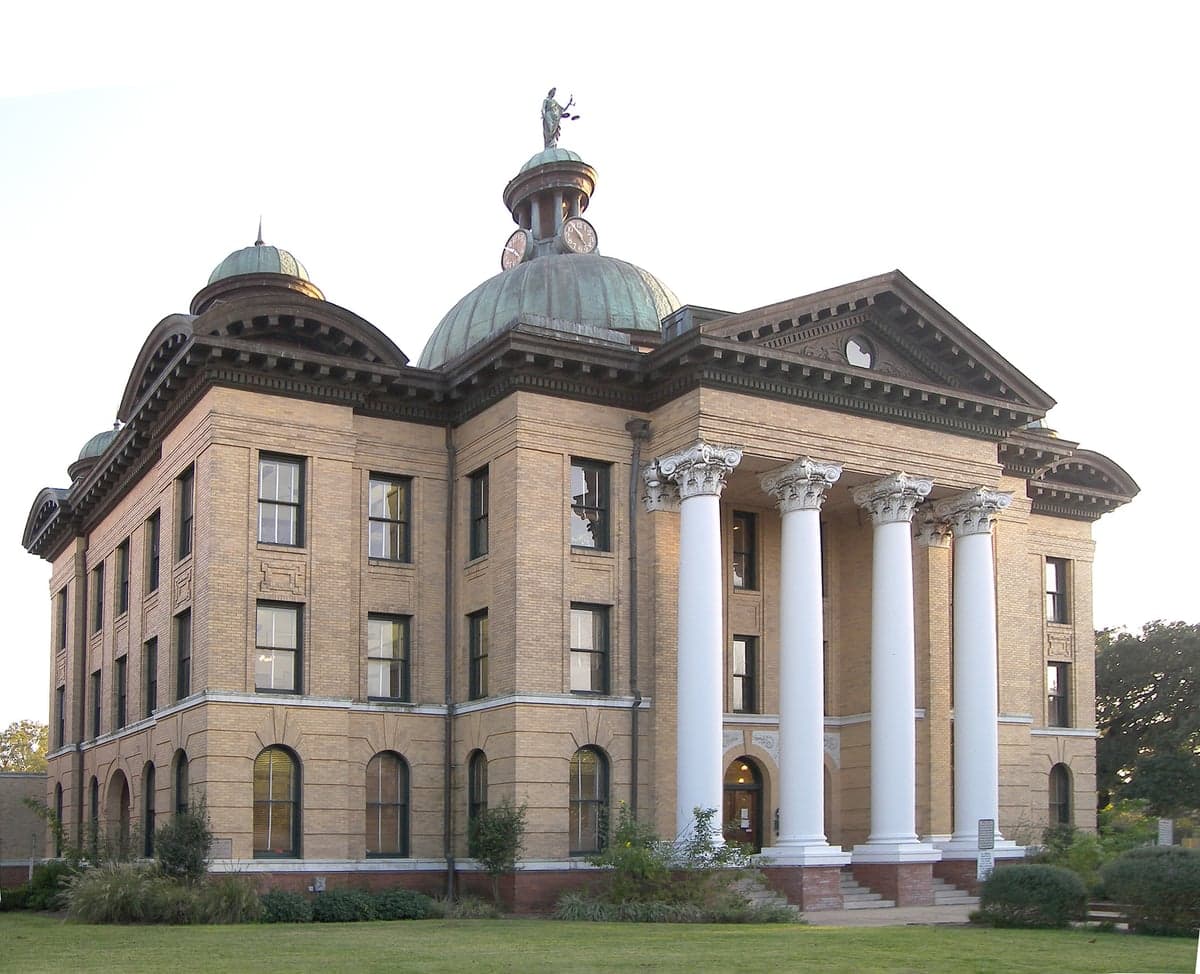
Photo: Wikipedia
Find The Best Places To Live in Fort Bend County
PRO TIP! You can paste a Zillow or Redfin link to get info on that property.
Best Places to Live in Fort Bend County

Cities & Towns in Fort Bend County
Cities in Fort Bend County
What It's Like Living in Fort Bend County, TX
If you’ve ever driven through Sugar Land and wondered why everyone seems to be smiling, you’ve already bumped into Fort Bend County’s defining trait: a sense of calm prosperity that feels almost suburban utopian, until you hit the traffic on Highway 59. This is a county where 859,721 people live, but it still manages to feel like a collection of small towns and master-planned communities rather than one giant blob. People commute to the Medical Center in Houston or work in the energy sector, but they come home to Sugar Land, Katy, Richmond, and Rosenberg for the schools, the space, and the feeling that this is a place you can actually settle down.
Daily Rhythm: The Commute, The Schools, and Weekend Plans
The average commute here is just under 33 minutes, which sounds manageable until you realize that “just under 33 minutes” on I-69 or the Grand Parkway at 5:15 PM often stretches into a solid hour. That’s the trade-off for living in a place with a median household income of $113,409 and a median home value of $350,300—you trade time in the car for a house with a yard and a school district that your coworkers in the city envied. On a typical Saturday, families in Sugar Land head to the Imperial Sugar Land shopping district for brunch and a walk around the lake, while folks in Katy might spend the afternoon at Typhoon Texas waterpark or grabbing tacos at a food truck on Fry Road. In the more rural stretches near Needville and Simonton, weekends are about rodeos, church barbecues, and letting the kids run around on land that still feels like Texas.
Sports, Friday Night Lights, and What People Actually Do
High school football isn’t just a pastime in Fort Bend County—it’s a religion. Fort Bend ISD alone sends multiple teams to the playoffs every year, and the crowds at Mercer Stadium on a Friday night will remind you of a small college game. The Katy Tigers (yes, part of Katy ISD bleeds into Fort Bend) are legendary, with a state-championship pedigree that draws thousands to Legacy Stadium. Beyond the gridiron, the county plays host to the Fort Bend County Fair in Rosenberg every fall—think livestock shows, carnival rides, and enough fried food to fuel a rodeo. For the outdoorsy sort, Brazos Bend State Park is a 45-minute drive southwest of Sugar Land and offers some of the best alligator-watching in Texas, plus miles of hike-and-bike trails along the Brazos River. And if you’re looking for something low-key, the Fort Bend Art Center in Richmond hosts rotating exhibits and workshops that draw a creative crowd you might not expect in a county this suburban.
Who Fits In, and Who Might Struggle
This county suits families and professionals who value stability, good schools, and a relatively low-crime environment—the violent crime rate here is 345.1 per 100,000, which is below the national average for suburban counties of this size. Nearly half the population (49.3%) holds a college degree, and the median age of 37.1 suggests a place that’s built for raising kids and building a career, not for wild nights out. That said, if you’re a single person in your twenties without a car and a taste for urban nightlife, you’ll likely feel isolated in parts of Sienna Plantation or Pecan Grove. The social scene revolves around schools, churches, and community centers, not dive bars or late-night coffee shops. The cost of living index sits at 141—well above the national average of 100—so you’re paying a premium for that safety and space, especially in Sugar Land and Katy.
Pros and Cons of Settling Down in Fort Bend County
- Pros: Top-rated public schools (especially in Fort Bend ISD and Katy ISD), a diverse and welcoming population, abundant parks and master-planned greenbelts, and a strong sense of community in neighborhoods like Greatwood and Riverstone. The proximity to Houston’s job market without the inner-city school drama is a huge draw.
- Cons: Traffic during peak hours is genuinely frustrating—Highway 59 and the Grand Parkway can be parking lots. The summer humidity is brutal (think 90°F with 70% humidity from June through September). And while there’s plenty for families, nightlife is limited to chain restaurants and the occasional live music at MKT Bar in Sugar Land. Residents in Fulshear and Richmond often grumble about the lack of direct highways connecting them to the rest of the county.
Cultural Quirks and Local Identity
One thing that surprises newcomers is how multicultural Fort Bend County really is. It’s one of the most ethnically diverse counties in Texas, with large Asian-American (especially South Asian) and Hispanic communities. That shows in the restaurants—you can get phenomenal pho in Sugar Land, authentic kolaches in Rosenberg, and some of the best barbecue in the state at Killen’s Barbecue in Pearland (technically just over the line, but locals claim it). The county’s identity isn’t rural Texas and it isn’t urban Houston—it’s suburban with a heavy dose of cultural pride. You’ll see celebrations for Diwali alongside Fourth of July parades, and the Fort Bend County Library system is genuinely beloved for its programming. Locals love to complain about construction on the Grand Parkway, but they’ll also admit that new development means more grocery options and better parks. It’s a place that’s growing fast, and the people who live here are generally okay with that—they just want to keep their traffic and their school rankings.

* Values derived from national, state, county, city and local statistics and may differ in a specific area. Last updated: 2026-07-02T01:14:49.000Z
Narrative content on this page is AI-generated and may contain mistakes. Verify any details that matter before acting on them.
ReloMaps may earn a commission from affiliate links at no extra cost to you.

