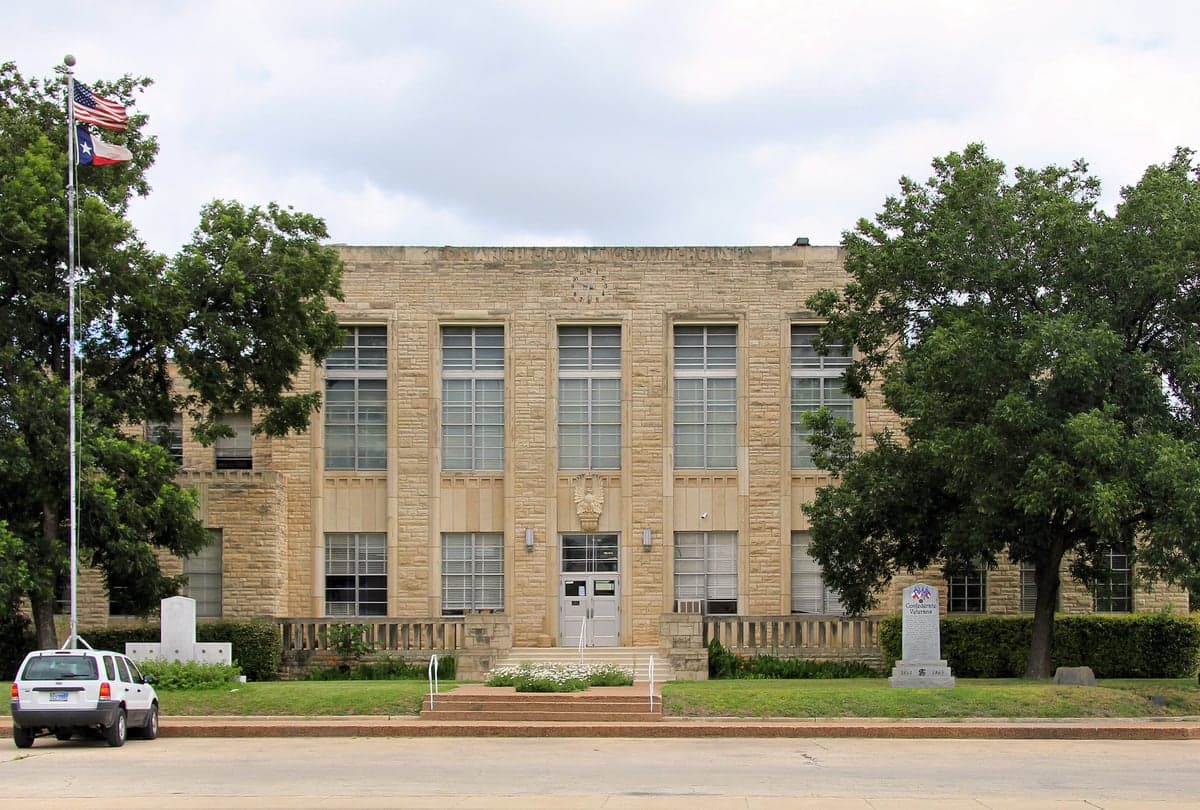
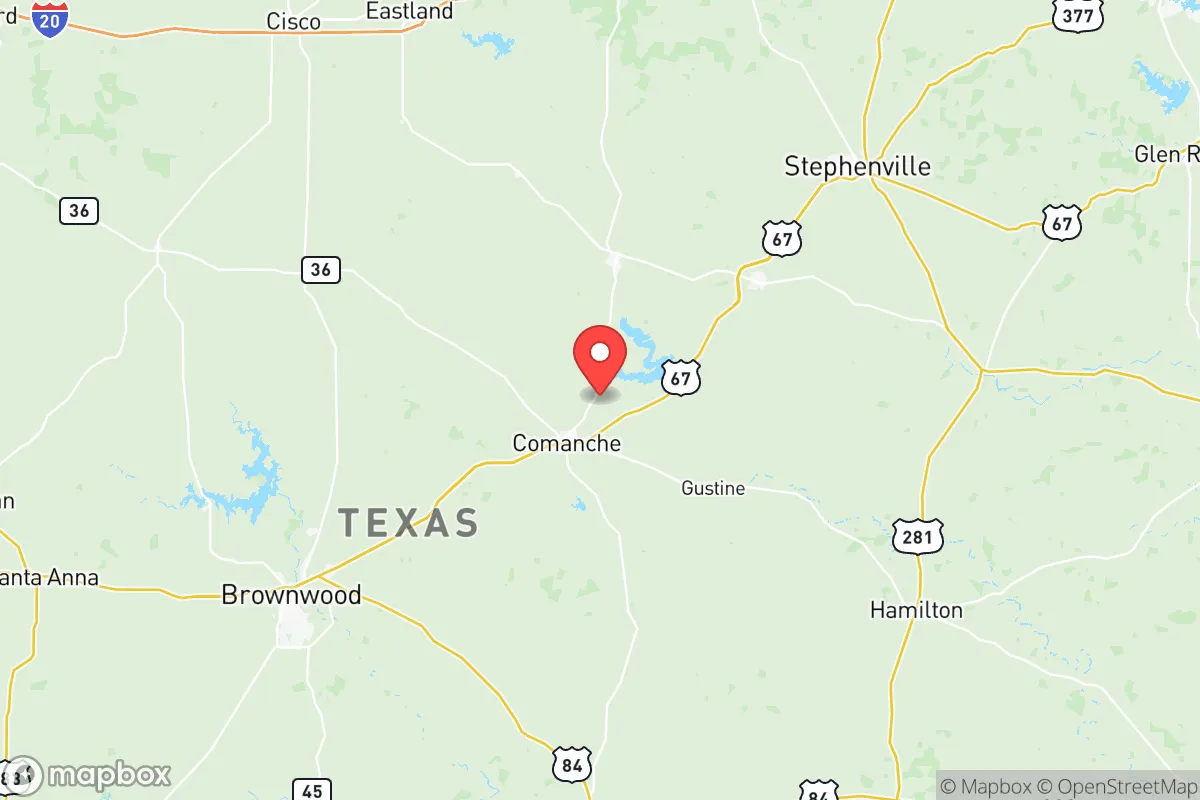
Photo: Wikipedia
Quality of Life in Comanche County
A livable area that tracks near national norms for affordability, walkability, and neighborhood health.
What does Quality of Life tell us?
Quality of Life measures an area by evaluating factors like cost of living, nearby amenities, country club access, airport proximity, socioeconomic signals and neighborhood character. For large states, this is a general average — quality of life can vary dramatically between metro areas, suburbs, and rural communities within the same state.
What does this tell us?
Quality of Life measures an area by evaluating factors like cost of living, nearby amenities, country club access, airport proximity, socioeconomic signals and neighborhood character. For large states, this is a general average — quality of life can vary dramatically between metro areas, suburbs, and rural communities within the same state.
Cost of Living
38% below national average
152%
The Real Cost of Living in Comanche County for 2026
| Tier | Individual | Family (4) |
|---|---|---|
| Survival | $13k | $25k |
| Comfortable | $27k | $39k |
| Luxury | $102k+ | $158k+ |
| Elite (Top 5%) | $120k+ | $186k+ |
Quality-of-Life Analysis
Comanche County, Texas, offers a quality-of-life spectrum that ranges from the modest conveniences of its county seat to the quiet self-reliance of its unincorporated crossroads, drawing retirees, ranchers, and commuters alike. With a cost-of-living index of 62—well below the national average of 100—and a median home value of $137,800, the county appeals primarily to those seeking affordability and space over urban amenities. The character of daily life shifts noticeably depending on whether one lives in the largest town, a smaller community, or a rural pocket, each attracting a different type of resident.
Largest town(s) & population centers
Comanche, the county seat and largest town (population roughly 4,200), serves as the commercial and social hub. Daily life here revolves around the historic downtown square, anchored by the Comanche County Courthouse, and a handful of local businesses including grocery stores, hardware shops, and cafes. The town offers basic healthcare through Comanche County Medical Center, a public school system, and a few parks like Oak Avenue Park. Residents typically commute an average of 20.6 minutes to work, often within the town itself or to nearby cities like Stephenville (30 minutes east) or Brownwood (40 minutes west). Comanche provides the most amenities in the county—a library, a small airport, and seasonal events like the Comanche Powwow—but lacks big-box retail or a major hospital, which pushes some residents to travel for shopping or specialist care.
Smaller towns & rural pockets
Beyond Comanche, the county is dotted with smaller communities that offer a quieter, more isolated lifestyle. De Leon (population ~2,200) sits along U.S. Highway 377 in the county's northeast corner, with its own school district, a few restaurants, and a strong agricultural base centered on peanut and cattle farming. Gustine (population ~450) is a tight-knit farming community with a single gas station and a post office, where residents often drive 20 minutes to Comanche for groceries. Sidney (unincorporated, population ~200) is a rural crossroads with a volunteer fire department and little else, appealing to those who want complete seclusion. Proctor (population ~200) sits near Proctor Lake, a U.S. Army Corps of Engineers reservoir that offers fishing and camping, drawing a mix of retirees and weekenders. These smaller areas lack most services—no pharmacies, no sit-down restaurants, and limited internet—but offer land, privacy, and low property taxes.
Cost & lifestyle range
The cost of living varies modestly across the county, but the lifestyle differences are stark. At the lower end of the cost spectrum, rural areas near Gustine or Sidney offer the cheapest housing: older homes on 5–10 acres can sell for under $100,000, and median rent countywide is just $823. These areas require self-sufficiency—well water, septic systems, and propane heating are common—and a willingness to drive 20–30 minutes for basic errands. At the higher end, Comanche proper sees median home values around $137,800, with newer subdivisions like Comanche Creek Estates offering homes in the $200,000–$300,000 range. Proctor Lake waterfront properties represent the county's priciest niche, with lakefront lots and cabins often exceeding $300,000, appealing to second-home buyers and retirees. The county's overall COL index of 62 means a family can live comfortably on a modest income, but the trade-off is limited employment—major employers include the school district, the medical center, and a few manufacturing plants like Comanche Casting—and few entertainment options beyond hunting, fishing, and local sports.
Who thrives in Comanche County? Retirees on fixed incomes find the low housing costs and slow pace ideal, especially around Proctor Lake. Remote workers with reliable internet (available in Comanche and De Leon, spotty elsewhere) can leverage the low cost of living while earning urban wages. Ranchers and farmers dominate the rural areas, valuing land access and low taxes. Commuters willing to drive 30–45 minutes to Stephenville or Brownwood for work can enjoy country living without total isolation. Those who need daily urban amenities, diverse employment, or strong public transit will find the county too sparse. Comanche County rewards self-reliance and a love of open space, but demands a tolerance for long drives and limited services.

Crime in Comanche County
Crime rates similar to the national median for U.S. locations.
Violent CrimeViolent Crime Analysis
Property CrimeProperty Crime Analysis
Crime Analysis
Comanche County, Texas, reports a violent crime rate of 342.3 per 100,000 residents and a property crime rate of 1,780.9 per 100,000, placing it in a middle tier for safety within the state. These figures indicate that while the county is not among the most dangerous in Texas, it faces challenges that prospective residents should weigh carefully, particularly when comparing the rural towns of Comanche and De Leon against the broader regional trends. The county's overall safety profile is shaped by its small-town character, but localized crime data and the influence of the larger judicial district introduce important nuances for anyone considering a move here.
Crime in context
Comanche County's violent crime rate of 342.3 per 100,000 is roughly 15% higher than the national average of approximately 298 per 100,000, though it sits slightly below the Texas state average of around 350 per 100,000. The property crime rate of 1,780.9 per 100,000 is notably elevated, exceeding both the national average (about 1,600 per 100,000) and the Texas average (roughly 1,700 per 100,000). These numbers place Comanche County in a less favorable position compared to safer rural counties in the region, such as neighboring Brown County (which reports lower violent crime rates) or Erath County. The county's crime statistics are driven primarily by incidents in the unincorporated areas and the town of Comanche itself, while smaller communities like Gustine and Sidney tend to report fewer incidents due to their very low population densities. It is important to note that Comanche County falls under the jurisdiction of the 220th Judicial District, which covers both Comanche and Mills counties; the district attorney's office, like many in rural Texas, generally takes a conservative approach to prosecution, which helps keep recidivism rates lower than in more progressive urban jurisdictions.
What residents experience
Daily life in Comanche County is characterized by a strong sense of community and low fear of crime during daylight hours, but property crime — particularly burglary and theft — is a recurring concern. Residents in the town of Comanche report occasional break-ins at unoccupied rural homes and theft from vehicles, especially along the US 67 and US 377 corridors that connect the county to larger cities like Brownwood and Stephenville. The violent crime that does occur is largely concentrated in specific areas: domestic violence incidents account for a significant portion of the county's aggravated assault numbers, and alcohol-related altercations are common on weekend nights in and around Comanche's downtown bars. By contrast, the small community of De Leon experiences fewer violent incidents, though its proximity to the Erath County line means it sees some spillover from drug-related activity originating in Stephenville. Residents in the far western reaches of the county, near the town of Energy, enjoy the quietest conditions, with virtually no reported violent crime and only sporadic property theft. The county sheriff's office maintains a visible presence, but response times in remote areas can exceed 20 minutes, making neighborhood watch programs and private security measures a practical consideration for homeowners.
Neighborhood-level variation in Comanche County is pronounced, with safety largely correlating to population density and proximity to major roads. The town of Comanche itself has a mixed safety profile: the historic downtown core and newer subdivisions on the south side are generally safe, while older rental properties near the industrial rail corridor see higher rates of reported theft and vandalism. De Leon, with a population under 3,000, offers a quieter environment but still experiences occasional property crime. For those seeking the safest possible setting, the unincorporated communities of Downing and Sipe Springs — each with fewer than 200 residents — report crime rates near zero, though they offer minimal services and amenities. Prospective residents should also consider that Comanche County's judicial district, while not as lenient as those in progressive urban centers like Austin or Dallas, still processes cases through a system that prioritizes rehabilitation over incarceration for first-time nonviolent offenders, a factor that may influence long-term crime trends in the area.
* Values derived from national, state, county, city and local statistics and may differ in a specific area. Last updated: 2026-07-13T15:01:40.000Z
Narrative content on this page is AI-generated and may contain mistakes. Verify any details that matter before acting on them.
ReloMaps may earn a commission from affiliate links at no extra cost to you.

