Photo: Wikipedia
Find The Best Places To Live in Comanche County
PRO TIP! You can paste a Zillow or Redfin link to get info on that property.
Best Places to Live in Comanche County
Cities & Towns in Comanche County
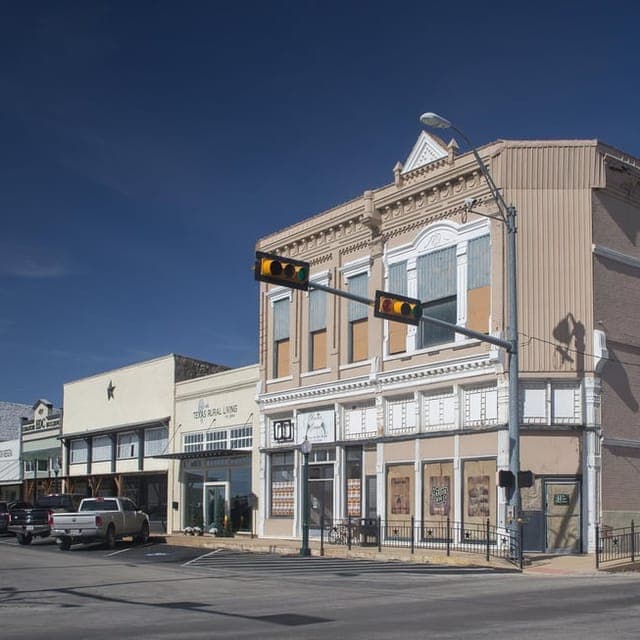
Cities in Comanche County
What It's Like Living in Comanche County, TX
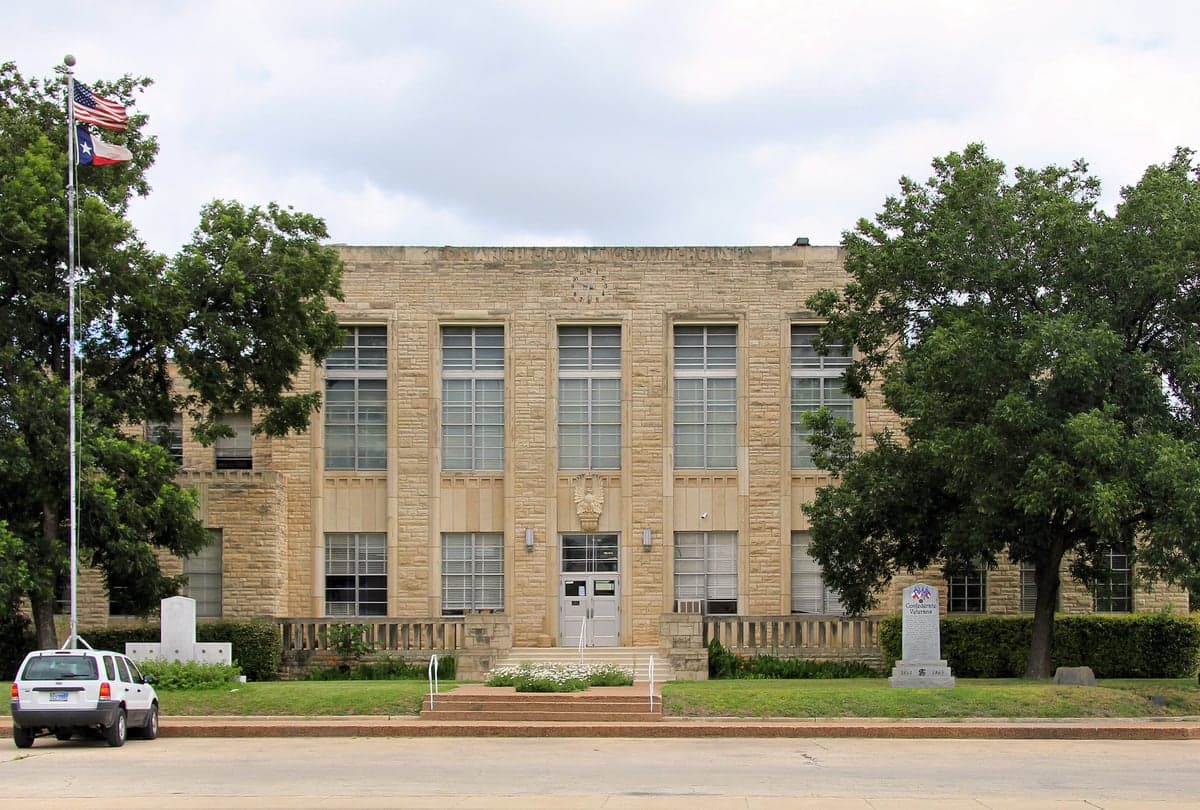
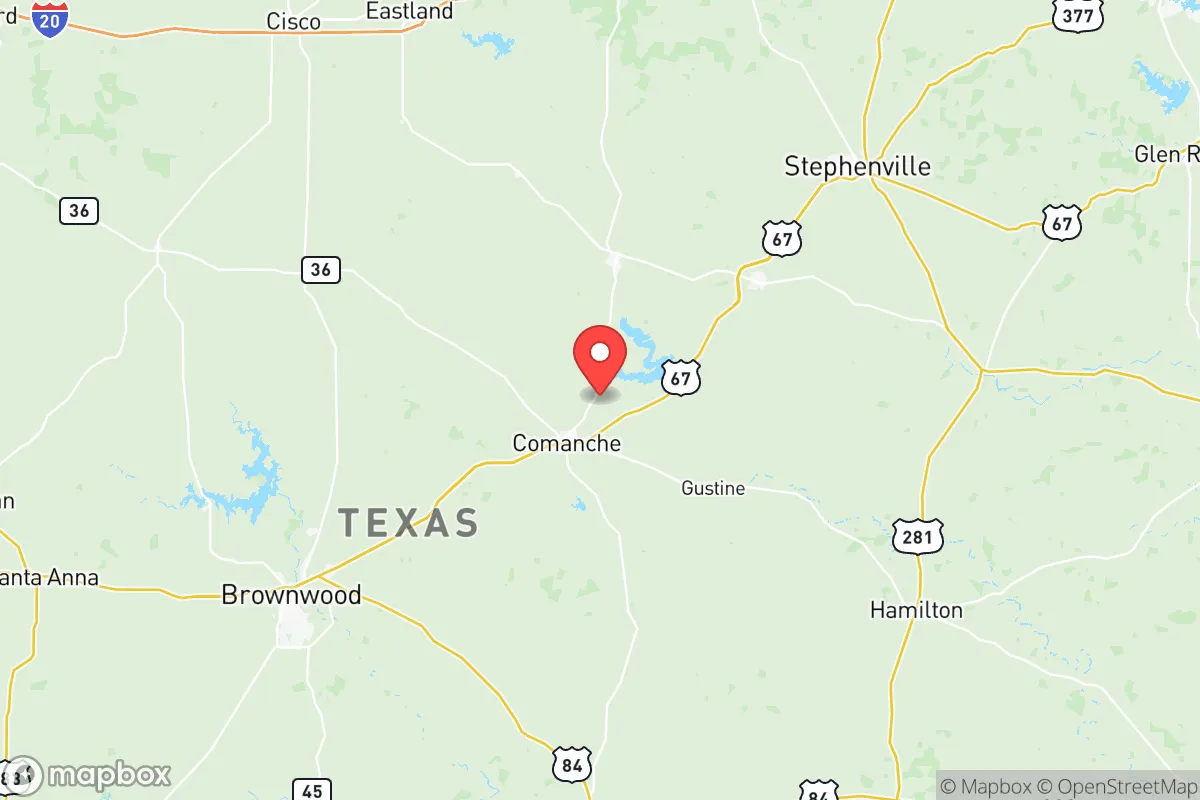
Comanche County feels like a place where the old Texas still breathes — a stretch of rolling hills and pecan orchards where folks know each other by name and the pace of life runs on farm time, not rush hour. The county seat, Comanche, anchors a scattered community of about 13,800 people spread across small towns like De Leon, Gustine, and Sidney, plus the rural stretches in between. It’s the kind of place where you wave at passing trucks on Highway 16, and where a Friday night might mean a high school football game or a long sit on a porch watching the sun drop behind the mesquite.
Daily Rhythm in a Slower Key
Life here moves at a deliberate, unhurried pace that can feel jarring if you’re used to DFW or Houston traffic. The average commute clocks in at just over 20 minutes — one of the shortest in the state — which means most people work within the county or make a manageable drive to nearby towns like Brownwood or Stephenville for jobs in healthcare, education, or agriculture. The median household income sits around $60,000, and with a cost of living index of 62 (well below the national 100), that money stretches noticeably further than it would in most of Texas. A median home value of $137,800 means a family can buy a three-bedroom house on a couple of acres without stretching the budget thin.
Weekends often revolve around practical things: tending livestock, fixing fences, or heading into Comanche proper for groceries at Brookshire’s or a plate of chicken-fried steak at the Lone Star Café on the square. In De Leon, the De Leon Free Press still covers town council meetings and school board races like they matter — because they do. The county’s median age of 43.7 reflects a population that’s a mix of longtime ranchers, younger families priced out of Austin (about a two-hour drive east), and retirees looking for quiet land. It’s not a place for nightlife seekers; the last call is early, and the biggest social event of the week might be the livestock auction at the Comanche Livestock Exchange on a Tuesday morning.
Sports, Community, and the Things That Bind
High school sports are the heartbeat of Comanche County. On fall Fridays, the Comanche Indians pack the stands at Indian Stadium, and the De Leon Bearcats draw a loyal crowd that stretches generations back. Basketball and baseball seasons keep the gyms and fields busy through winter and spring, with the county’s smaller schools — Gustine, Sidney — fielding teams that play with a scrappy pride you don’t see in bigger districts. There’s no pro sports within a hundred miles, and nobody misses it; the local rivalries feel personal, and the concession-stand kolaches are a point of serious local pride.
The community’s identity shows up in its festivals. The Comanche County Fair in September brings rodeo, livestock shows, and a carnival that turns the fairgrounds into a reunion of every family within 30 miles. De Leon hosts the Peanut Festival each fall, a celebration of the crop that built the town, with a parade, live music, and enough boiled peanuts to feed an army. These aren’t tourist attractions — they’re genuine community gatherings where the same faces show up year after year, and newcomers are welcomed as long as they pitch in.
What’s There to Do — and What’s Missing
Outdoor life is the main draw. Proctor Lake, just south of Comanche, offers fishing, boating, and camping at the Army Corps of Engineers park, and it’s a favorite spot for weekend barbecues and summer swimming. The county’s rolling terrain — part of the Cross Timbers region — makes for good hunting (deer, turkey, dove) on private leases, and the Leon River cuts through with decent kayaking after a good rain. Hikers and birders explore the Comanche Bluffs area for views that stretch across the valley, especially in spring when the bluebonnets bloom.
For entertainment beyond the outdoors, options are limited. Comanche has a small movie theater, the Ritz Theatre, which shows a few screens and doubles as a venue for community plays. Dining runs to down-home staples: El Jalisco in Comanche for Tex-Mex, Bubba’s BBQ in De Leon for brisket, and the Gustine Café for breakfast tacos that draw customers from 20 miles out. If you want a concert, a mall, or a craft brewery, you’re driving an hour to Stephenville or Brownwood, and two hours to Fort Worth. That’s a pro for people who value quiet and a con for anyone craving urban amenities.
Pros and Cons of Living Here
The upsides are clear: affordable land, low crime in most rural areas, and a genuine sense of belonging. The violent crime rate of 342.3 per 100,000 is higher than the national average, but that number is skewed by a few incidents in Comanche proper; most rural precincts feel safe enough that people leave their doors unlocked. The schools — Comanche ISD, De Leon ISD, and Gustine ISD — are small enough that teachers know every student’s name, and parent involvement is high. Property taxes are moderate by Texas standards, and the lack of state income tax keeps more money in your pocket.
The downsides are real, too. Jobs are scarce outside of agriculture, education, and healthcare, and the 20% college-educated rate reflects limited opportunities for professionals who aren’t self-employed or commuting. Healthcare means driving to Brownwood for anything beyond basic care; Comanche’s hospital closed years ago, and the nearest ER is a 30-minute drive. Summer heat is brutal — 100-degree days from June through August — and the drought cycles can stress anyone who depends on a well or a stock tank. Internet access is improving but still spotty in rural pockets, which can frustrate remote workers.
Comanche County isn’t for everyone. It’s for people who don’t mind driving 20 miles for a decent grocery store, who find satisfaction in fixing their own fence, and who measure a good life by the strength of their neighbor’s handshake rather than the size of their paycheck. If that sounds like you, the pecan trees and quiet roads might feel like home.

* Values derived from national, state, county, city and local statistics and may differ in a specific area. Last updated: 2026-07-13T15:01:40.000Z
Narrative content on this page is AI-generated and may contain mistakes. Verify any details that matter before acting on them.
ReloMaps may earn a commission from affiliate links at no extra cost to you.

