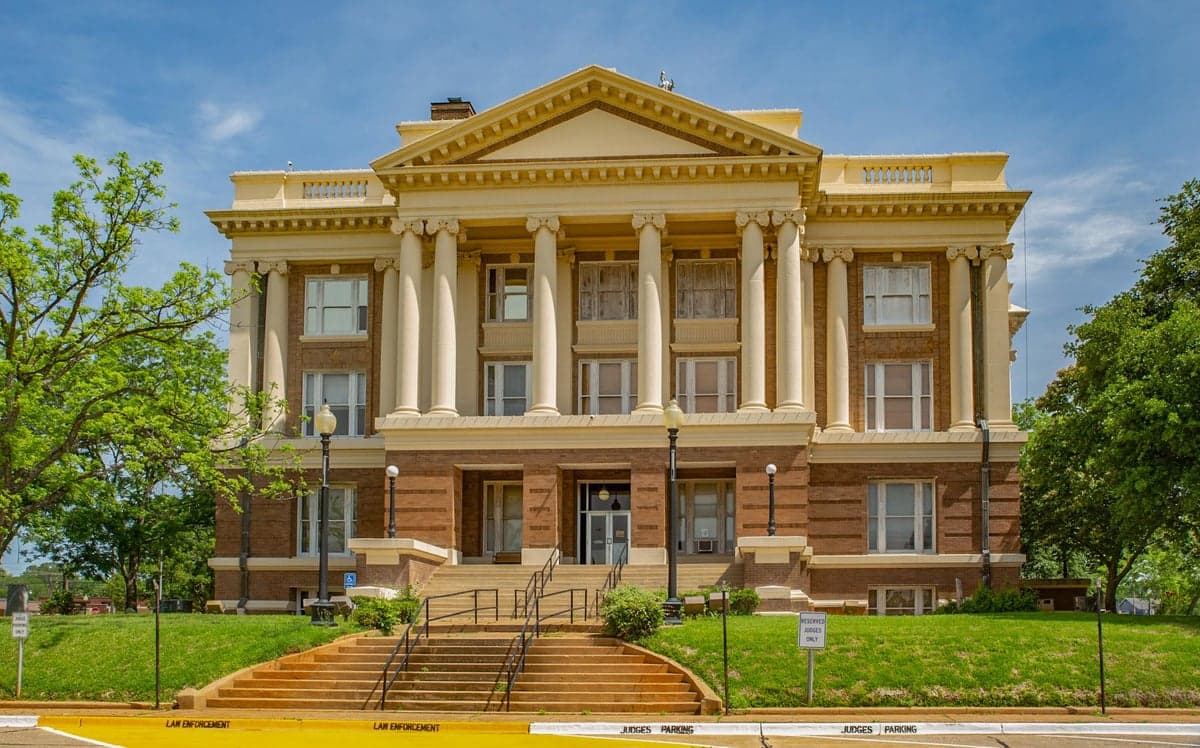
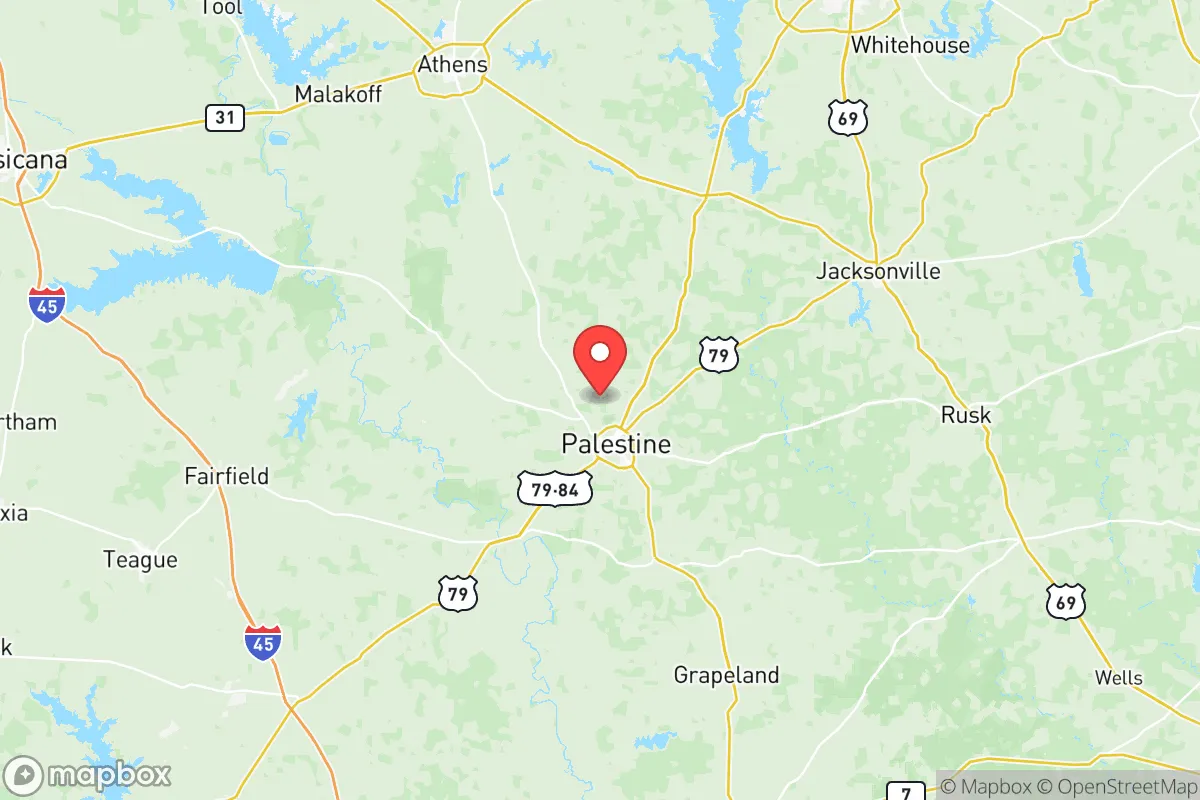
Photo: Wikipedia
Quality of Life in Anderson County
A livable area that tracks near national norms for affordability, walkability, and neighborhood health.
What does Quality of Life tell us?
Quality of Life measures an area by evaluating factors like cost of living, nearby amenities, country club access, airport proximity, socioeconomic signals and neighborhood character. For large states, this is a general average — quality of life can vary dramatically between metro areas, suburbs, and rural communities within the same state.
What does this tell us?
Quality of Life measures an area by evaluating factors like cost of living, nearby amenities, country club access, airport proximity, socioeconomic signals and neighborhood character. For large states, this is a general average — quality of life can vary dramatically between metro areas, suburbs, and rural communities within the same state.
Cost of Living
23% below national average
119%
The Real Cost of Living in Anderson County for 2026
| Tier | Individual | Family (4) |
|---|---|---|
| Survival | $16k | $30k |
| Comfortable | $34k | $50k |
| Luxury | $101k+ | $157k+ |
| Elite (Top 5%) | $119k+ | $185k+ |
Quality-of-Life Analysis
Anderson County, Texas, offers a broad quality-of-life spectrum that ranges from the historic, amenity-rich county seat of Palestine to deeply rural unincorporated communities like Elkhart and Slocum, attracting everyone from remote workers seeking low costs to retirees and commuters who work in the larger metros of Tyler or Houston. With a cost-of-living index of 77 (well below the national average of 100), a median home value of $173,400, and a median rent of $1,006, the county provides tangible financial breathing room. The average commute of 24.6 minutes reflects the reality that many residents live in smaller towns or rural areas and drive to Palestine or neighboring cities for employment, while others find work locally in healthcare, manufacturing, and education.
Largest town(s) & population centers
Palestine is the undisputed hub of Anderson County, home to roughly 18,000 residents and the county's only real concentration of retail, dining, and healthcare services. Daily life here centers around the historic downtown square, the Texas State Railroad depot, and major employers like the Palestine Regional Medical Center and the Texas Department of Criminal Justice. The town offers a walkable core, a small airport, and a surprising number of parks and trails along the Neches River. For families, the Palestine Independent School District provides the county's widest array of extracurriculars and advanced placement courses. While not a booming metropolis, Palestine gives residents access to a Walmart Supercenter, a regional hospital, and a variety of locally owned shops and restaurants—amenities that simply don't exist in the county's smaller communities.
Smaller towns & rural pockets
Outside Palestine, Anderson County is defined by a handful of small towns and unincorporated communities, each with its own character. Elkhart, about 10 miles west of Palestine, is a quiet farming community of roughly 1,300 people, known for its annual Rattlesnake Festival and a strong sense of neighborly connection. Frankston, straddling the Anderson-Henderson county line, is a lakeside community on Lake Palestine that attracts retirees and weekenders; its population hovers around 1,200, and its economy leans heavily on tourism and lake-related recreation. Further south, Slocum is an unincorporated crossroads with a small school district and little else—a true rural pocket where residents often drive 20 minutes to Palestine for groceries or medical care. Cayuga, in the county's far southeast corner, is another unincorporated area defined by its independent school district and proximity to the Trinity River bottomlands, offering seclusion and wide-open spaces.
Cost & lifestyle range
The cost-of-living spread across Anderson County is narrow in absolute terms but significant in lifestyle impact. At the higher end, Palestine offers the most amenities but also the highest housing costs—median home values here hover around $185,000, and rental rates for a two-bedroom apartment can reach $1,100. At the lower end, rural areas like Slocum and Cayuga see median home values closer to $130,000, and land is cheap enough that a buyer can acquire several acres for the price of a small house in Palestine. Rentals in these areas are scarce and often informal (mobile homes or older farmhouses), but the trade-off is privacy and space. Frankston sits in the middle: lakefront properties can push prices above Palestine's median, while inland homes remain affordable. The lifestyle range is equally broad—Palestine residents enjoy walkable streets and a civic calendar of festivals and parades, while those in Elkhart or Cayuga experience a slower pace where the nearest coffee shop is a 15-minute drive and social life revolves around church, school events, and hunting season.
Anderson County is best suited for people who value affordability and space over urban convenience. Remote workers and retirees on fixed incomes will find the low cost of living especially attractive, particularly in the smaller towns where a fixed income stretches further. Families who prioritize a tight-knit school community over big-city amenities often gravitate to Elkhart or Frankston, while those needing reliable access to healthcare and shopping will find Palestine the most practical choice. The county rewards self-sufficiency—residents who are comfortable driving 20–30 minutes for a sit-down dinner or a specialist appointment will thrive here, while those expecting urban density and instant access to every service will likely feel isolated.

Crime in Anderson County
Crime rates similar to the national median for U.S. locations.
Violent CrimeViolent Crime Analysis
Property CrimeProperty Crime Analysis
Crime Analysis
Anderson County, Texas, reports a violent crime rate of 345.1 per 100,000 residents and a property crime rate of 1,794.2 per 100,000, placing it slightly above the national average for violent offenses but below the state average for property crime. The county’s overall safety picture is mixed, with significant variation between its primary population centers—Palestine, Elkhart, and Frankston—and the unincorporated rural areas. While the county is not among the most dangerous in Texas, residents and prospective movers should be aware that crime is not uniformly distributed, and local law enforcement resources are stretched across a largely rural geography.
Crime in context
Anderson County’s violent crime rate of 345.1 per 100,000 is roughly 15% higher than the national average of 300 per 100,000, but notably lower than the Texas state average of approximately 450 per 100,000. The property crime rate of 1,794.2 per 100,000 is about 10% below the Texas average of 2,000 per 100,000, indicating that theft and burglary are less prevalent here than in many other parts of the state. However, these aggregate figures mask a key dynamic: the city of Palestine, the county seat and largest municipality, accounts for a disproportionate share of reported incidents. By contrast, smaller towns like Elkhart and Frankston report significantly lower per-capita crime rates, often falling below 200 violent crimes per 100,000. The county’s rural character means that many property crimes—particularly burglaries of farm equipment and outbuildings—occur in unincorporated areas, which can skew the county-wide numbers upward.
What residents experience
Daily life in Anderson County is shaped by a justice system that operates under the jurisdiction of the 3rd Judicial District, which includes Anderson, Henderson, and Houston counties. The district attorney’s office in Palestine has historically taken a moderate-to-conservative approach to prosecution, which aligns with the county’s political leanings—Anderson County voted +42 Republican in the 2024 presidential election. This prosecutorial posture is a significant factor for residents concerned about progressive criminal justice reforms that have been adopted in larger Texas counties. For example, in Harris County (Houston) and Dallas County, liberal district attorneys have implemented policies such as no-cash bail for certain nonviolent offenses and reduced charging for drug possession, which critics argue have contributed to rising recidivism and property crime. In Anderson County, by contrast, the DA’s office maintains a more traditional approach, with higher rates of pretrial detention for felony offenses and a focus on victim restitution. Residents in Palestine report that property crimes like vehicle burglaries and theft from porches are the most common nuisances, while violent incidents are typically concentrated in specific neighborhoods near the downtown core and along the US 287 corridor. The Anderson County Sheriff’s Office, which patrols unincorporated areas, emphasizes community policing and has a dedicated rural crime unit that targets agricultural theft—a persistent issue given the county’s many working farms and ranches.
Neighborhood-level variation
Safety in Anderson County varies sharply by location. The safest areas are generally the smaller towns and rural subdivisions: Elkhart (population ~1,400) consistently reports violent crime rates below 100 per 100,000, and Frankston (population ~1,200) sees similarly low numbers, with most incidents limited to minor theft. In contrast, Palestine’s crime is concentrated in a handful of census tracts, particularly around the historic downtown and the area near the Palestine Mall. The city’s police department has increased patrols in these zones, but property crime remains a concern for residents in the 75801 and 75803 ZIP codes. For those considering a move, the safest bets are the rural subdivisions west of Palestine, such as the areas around Lake Palestine, or the quiet communities of Elkhart and Frankston, where the combination of low population density and conservative local governance keeps crime rates well below both state and national averages.
* Values derived from national, state, county, city and local statistics and may differ in a specific area. Last updated: 2026-06-27T21:06:56.000Z
Narrative content on this page is AI-generated and may contain mistakes. Verify any details that matter before acting on them.
ReloMaps may earn a commission from affiliate links at no extra cost to you.

