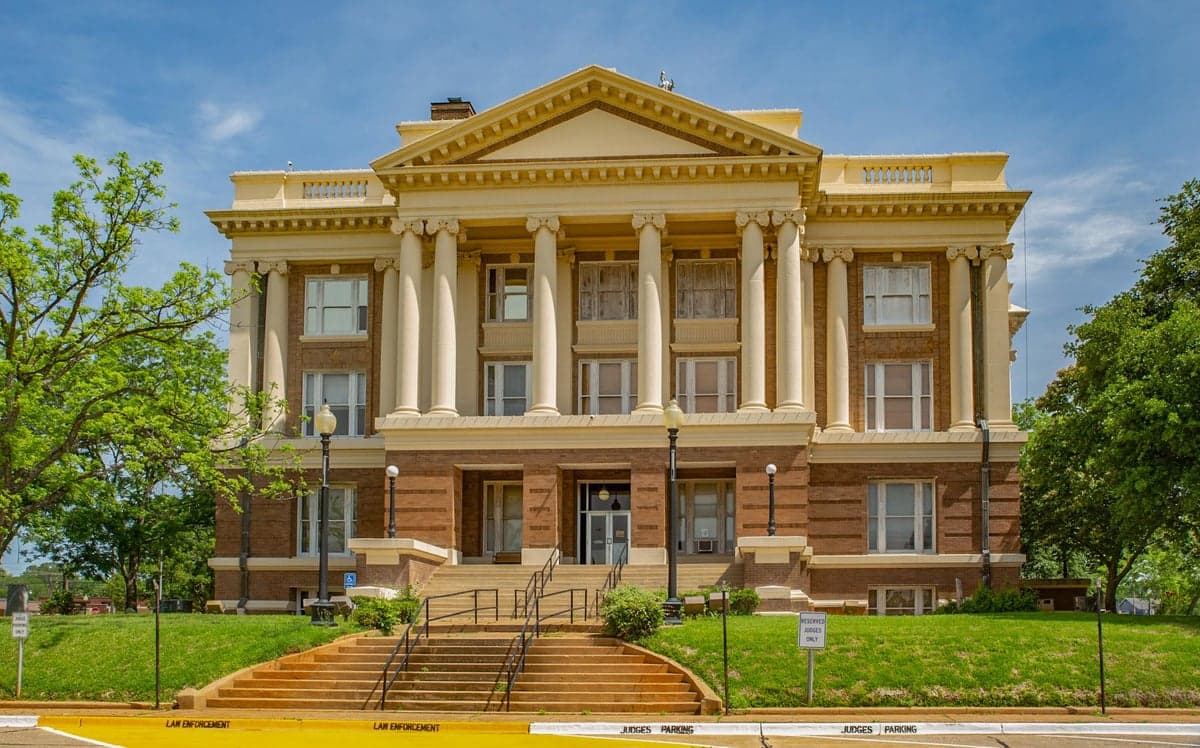
Photo: Wikipedia
Find The Best Places To Live in Anderson County
PRO TIP! You can paste a Zillow or Redfin link to get info on that property.
Best Places to Live in Anderson County
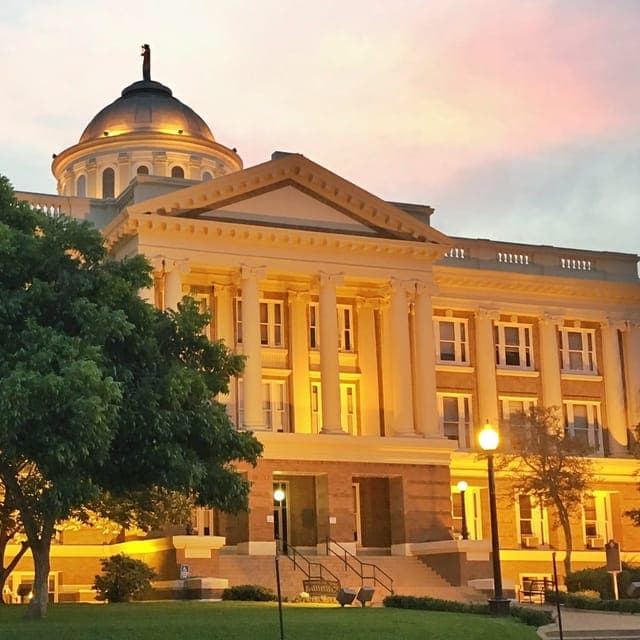
Cities & Towns in Anderson County
Cities in Anderson County
What It's Like Living in Anderson County, TX
Living in Anderson County, Texas, feels a lot like stepping into a slower, more deliberate chapter of East Texas life. The county seat, Palestine, is the anchor—a town of about 18,000 where the railroad still rumbles through downtown and the historic brick storefronts house family-run cafes and antique shops. Scatter in smaller communities like Elkhart, Frankston, and the unincorporated stretch of Cayuga, and you get a county where most folks know each other by name, Friday nights are for high school football, and the biggest decision of the week might be whether to fish the Trinity River or the Neches.
Daily Rhythm: Work, Commute, and the Pace of Life
For a county of roughly 57,800 people, the daily grind here is defined by a short average commute of just under 25 minutes. That’s a tangible relief if you’re used to crawling through Dallas or Houston traffic. Many residents work locally in manufacturing, healthcare, or the school systems—Trinity Mother Frances Hospital in Palestine is a major employer—while others make the longer drive to Tyler or even the northern edge of the Houston metro for higher-paying jobs. The median household income sits at $58,846, which stretches further here than in most of the country thanks to a cost of living index of 77 (well below the national average of 100). That $173,400 median home value buys you a three-bedroom brick house on a decent lot, something that feels increasingly out of reach in Texas’s bigger cities. The trade-off? Only 14.5% of adults hold a college degree, so white-collar professional jobs are thinner on the ground, and the local economy leans heavily on practical trades, agriculture, and the prison system (the Michael Unit and the Coffield Unit are major employers near Tennessee Colony).
Sports, Community, and What People Actually Do for Fun
High school football isn’t just a pastime here—it’s the social calendar’s backbone. The Palestine Wildcats and the Elkhart Elks draw crowds that fill bleachers on cool October nights, and the rivalry games are genuinely electric. For college sports, most locals align with the Texas A&M Aggies or the UT Longhorns, but there’s a noticeable lean toward A&M given the county’s rural-agricultural roots. Beyond the gridiron, the big annual event is the Texas State Railroad’s Polar Express ride in December, which turns Palestine into a mini holiday destination. Summer brings the Anderson County Fair and Rodeo, a week of livestock shows, carnival rides, and the kind of fried-everything food that defines county fairs across the South. Outdoor life revolves around the two major river systems: the Trinity River bottoms offer solid catfishing and kayaking, while the Neches River National Wildlife Refuge (just east of Frankston) provides hiking trails and birding that feel genuinely remote. For a night out, locals gravitate to The Red Fire Grill in Palestine for steak and a beer, or to the more casual El Rincon for Tex-Mex. There’s no real music venue of note—if you want live acts, you drive to Tyler (about 40 minutes north) or to the bigger stages in Dallas (roughly 90 minutes west).
The Honest Trade-Offs: What Works and What Grates
The biggest upside is the space and the pace. People who move here from cities like Dallas or Houston often talk about the relief of not locking their doors, of waving to neighbors, of having a backyard big enough for a garden and a dog. The schools—particularly Palestine ISD and Westwood ISD—are deeply woven into community life; school board meetings and bond elections draw real turnout, and teachers are known by name. But the frustrations are real, too. The violent crime rate of 345.1 per 100,000 is noticeably higher than the national average, and while much of that is concentrated in specific areas of Palestine, it’s a figure that gives some newcomers pause. Job diversity is limited—if you’re not in healthcare, corrections, education, or a trade, you’ll likely be commuting. And the median age of 39.5 reflects a population that skews older; younger singles or childless couples sometimes find the social scene thin, with few bars or late-night options beyond the local VFW or a chain restaurant’s happy hour. The weather is classic East Texas: hot, humid summers that stretch from May through September, with occasional ice storms in January that shut down the county for a day or two. Residents have learned to keep a generator handy and a cooler of drinks ready.
Who Fits In Here
Anderson County suits people who value roots over novelty. It’s a place for families who want their kids to grow up with cousins nearby, for retirees who want affordable land and quiet mornings, and for tradespeople who can build a solid living without a degree. It’s less friendly to young professionals seeking nightlife or career mobility—those folks tend to land in Tyler or head to the metroplex. The political culture leans conservative, with a strong independent streak; gun ownership is common, church attendance is high, and the phrase “county business” carries real weight. If you’re looking for a place where your neighbors will help you haul a couch up the stairs and the biggest weekly drama is whether the high school quarterback will recover from a sprained ankle in time for the rivalry game, this county delivers. Just don’t expect a craft brewery on every corner or a tech startup scene—that’s not what this part of Texas is about.

* Values derived from national, state, county, city and local statistics and may differ in a specific area. Last updated: 2026-06-27T21:06:56.000Z
Narrative content on this page is AI-generated and may contain mistakes. Verify any details that matter before acting on them.
ReloMaps may earn a commission from affiliate links at no extra cost to you.

