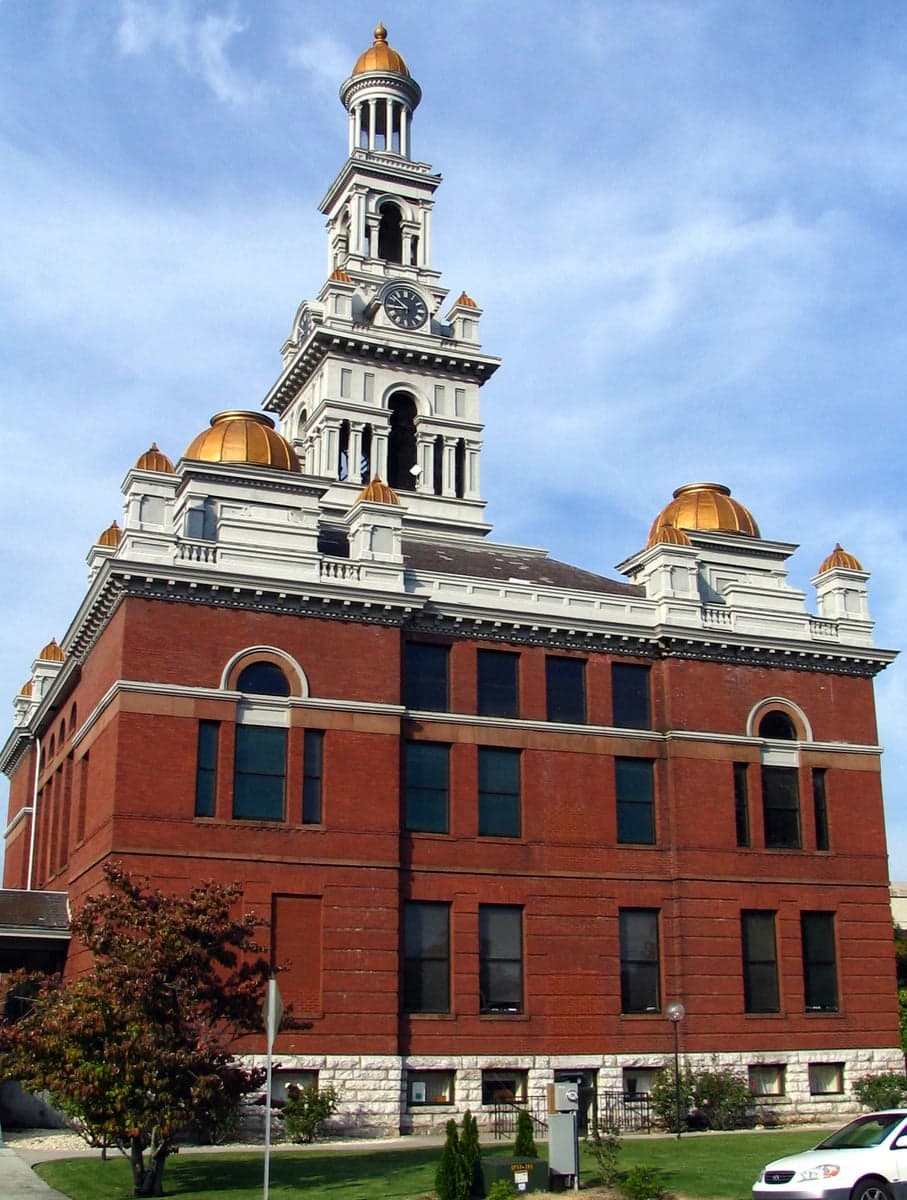
Photo: Wikipedia
Quality of Life in Sevier County
A livable area that tracks near national norms for affordability, walkability, and neighborhood health.
What does Quality of Life tell us?
Quality of Life measures an area by evaluating factors like cost of living, nearby amenities, country club access, airport proximity, socioeconomic signals and neighborhood character. For large states, this is a general average — quality of life can vary dramatically between metro areas, suburbs, and rural communities within the same state.
What does this tell us?
Quality of Life measures an area by evaluating factors like cost of living, nearby amenities, country club access, airport proximity, socioeconomic signals and neighborhood character. For large states, this is a general average — quality of life can vary dramatically between metro areas, suburbs, and rural communities within the same state.
Cost of Living
11% below national average
86%
The Real Cost of Living in Sevier County for 2026
| Tier | Individual | Family (4) |
|---|---|---|
| Survival | $16k | $30k |
| Comfortable | $50k | $74k |
| Luxury | $113k+ | $175k+ |
| Elite (Top 5%) | $133k+ | $206k+ |
Quality-of-Life Analysis
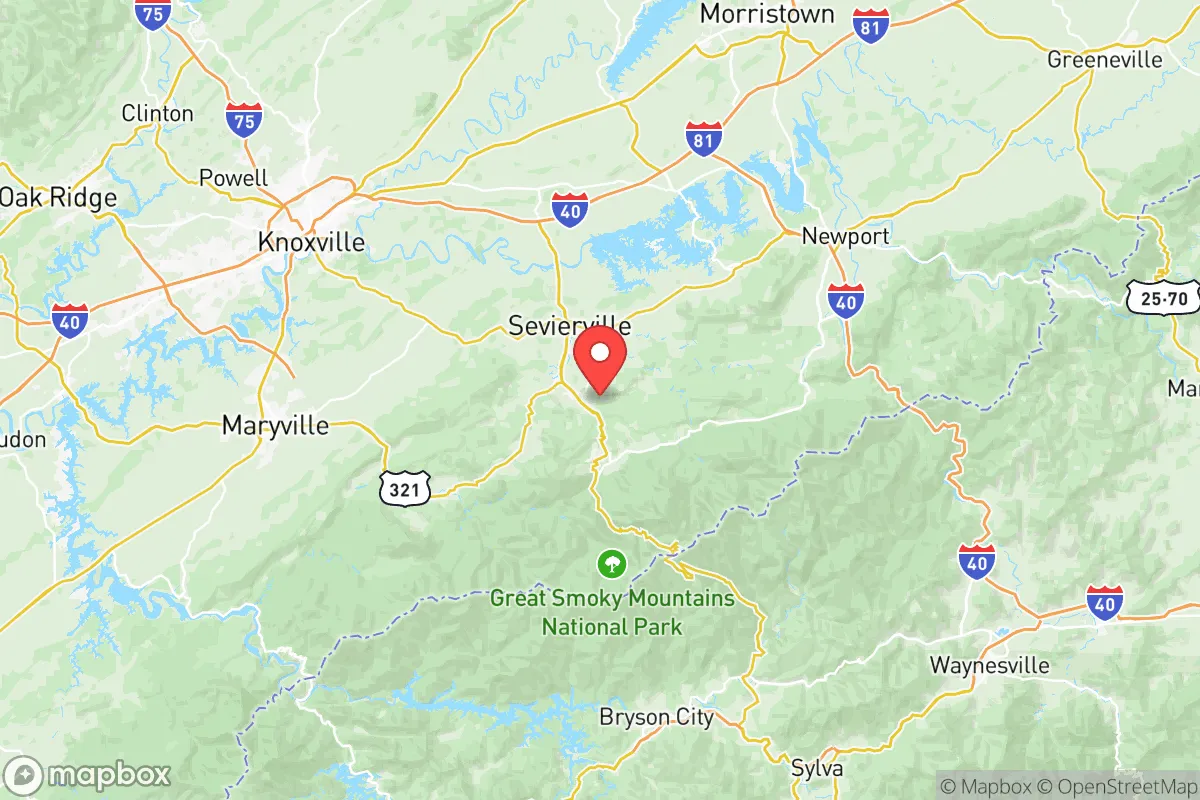
Sevier County, Tennessee, offers a broad spectrum of quality-of-life options that range from the high-traffic, tourism-driven hub of Pigeon Forge and Gatlinburg to quiet, rural communities like Wears Valley and Cosby. The county’s character is defined by its dual identity: the western half is dominated by the Great Smoky Mountains National Park and the commercial corridor along US-441, while the eastern and southern reaches remain deeply rural, with farmland, forest, and small crossroads communities. This split attracts two distinct groups — those seeking employment in the hospitality and retail sectors near the park, and those looking for affordable land, privacy, and a slower pace away from the tourist crowds.
Largest town(s) & population centers
The county’s three incorporated cities — Sevierville, Pigeon Forge, and Gatlinburg — form a continuous development corridor along the Little Pigeon River. Sevierville, the county seat, is the largest by population and functions as the primary commercial and administrative center, with big-box retail, medical facilities, and the main campus of Walters State Community College. Pigeon Forge is the tourism engine, home to Dollywood, hundreds of hotels, dinner theaters, and outlet malls; daily life there involves heavy seasonal traffic and a service-oriented job market. Gatlinburg, nestled at the park entrance, is the most tourist-focused of the three, with a walkable downtown, condominiums, and a high concentration of short-term rentals. For residents, living in these towns means accepting congestion during peak seasons but having immediate access to shopping, dining, and entertainment that few rural counties can match.
Smaller towns & rural pockets
Outside the main corridor, Sevier County contains several distinct smaller communities. Wears Valley, located west of Pigeon Forge, is a scenic valley with a mix of permanent residents and vacation cabins, offering a quieter alternative with mountain views and less traffic. Cosby, in the northeastern part of the county, is the most rural and least developed area, with a small general store, a post office, and access to the Cosby entrance of the national park — popular with hikers and those seeking isolation. Seymour, straddling the Knox County line in the northwest, is a growing unincorporated community with suburban-style subdivisions and a commuter-friendly location near I-40. Pittman Center, just north of Gatlinburg, is a tiny incorporated town with a strong sense of local governance and very limited commercial development. These areas offer lower housing density, more land, and a lifestyle that is distinctly different from the tourist corridor.
Cost & lifestyle range
The cost of living across Sevier County varies significantly by location. The countywide cost-of-living index is 89, well below the national average of 100, but this figure masks sharp internal differences. In Gatlinburg and Pigeon Forge, the median home value of $259,500 is driven up by demand for vacation properties and short-term rentals; a small condo near the park can cost as much as a single-family home on acreage in Cosby. Median rent countywide is $1,013, but rental availability is tight in the tourist corridor, where many units are reserved for seasonal visitors. The average commute of 26.9 minutes is manageable, though residents in Cosby or Wears Valley may drive 30–40 minutes to reach grocery stores or medical appointments in Sevierville. At the low-cost end, rural properties in Cosby and eastern Sevier County offer land and privacy for under $200,000, while the high end includes luxury cabins and gated communities in the Wears Valley and Gatlinburg foothills. Property taxes remain low by Tennessee standards, but insurance costs can be higher in flood-prone or wildfire-risk zones near the mountains.
Sevier County is best suited for people who want a clear trade-off: the energy and employment of a tourism economy in the towns, or the quiet and space of rural mountain living in the outlying communities. Families who prioritize good schools and stable infrastructure tend to settle in Sevierville or Seymour, while retirees and remote workers often choose Wears Valley or Cosby for the scenery and lower cost. The county’s strength is that it offers both extremes within a 30-minute drive, but the key is knowing which side of the corridor fits your daily needs.

Crime in Sevier County
Higher crime rates than 58% of comparable U.S. locations.
Violent CrimeViolent Crime Analysis
Property CrimeProperty Crime Analysis
Crime Analysis
Sevier County, Tennessee, presents a mixed safety picture for potential residents. The county’s violent crime rate of 495.2 per 100,000 residents and property crime rate of 1,650.8 per 100,000 place it above national averages, though the experience of safety varies dramatically depending on whether you live in the tourist corridor of Pigeon Forge and Gatlinburg or the quieter residential areas like Seymour and Pittman Center. The county’s dual identity—a world-class tourism destination and a growing bedroom community for Knoxville—creates distinct crime patterns that anyone considering a move should understand.
Crime in context
Sevier County’s violent crime rate of 495.2 per 100,000 is roughly 40% higher than the national average of approximately 380 per 100,000 and significantly exceeds the Tennessee state average of about 630 per 100,000. Property crime in the county, at 1,650.8 per 100,000, sits close to the national average of 1,954 per 100,000 but well below the Tennessee state average of roughly 2,400 per 100,000. These figures are heavily skewed by the high-volume tourist areas. The Seventh Judicial District, which covers Sevier County, has seen a push in recent years toward more progressive prosecution policies, a trend that concerns many residents who feel it undermines public safety by prioritizing offender rehabilitation over accountability. This ideological shift in the justice system, while well-intentioned, can result in more repeat offenders cycling back onto the streets, particularly affecting property crime rates in areas with high transient populations.
What residents experience
The most significant safety divide in Sevier County is between the tourism corridor and residential communities. Pigeon Forge and Gatlinburg experience the bulk of the county’s crime, driven by the millions of annual visitors, dense crowds, and a transient workforce. These areas see elevated rates of theft, vehicle break-ins, and alcohol-related violent incidents. In contrast, Seymour, located in the northern part of the county along the Knox County line, offers a markedly different experience with lower crime rates and a more suburban feel. Pittman Center, a small town near the Greenbrier entrance to the Great Smoky Mountains National Park, also reports fewer incidents and is considered one of the safer enclaves. The town of Sevierville itself is a mixed bag—the commercial strip along the Parkway mirrors Pigeon Forge’s challenges, while residential neighborhoods east of Highway 66 and near the Douglas Lake area are generally quieter. Residents in the more rural areas of the county, such as the Wears Valley and Cosby communities, report feeling safe, though property crime can be an issue due to the remote nature of homes and limited law enforcement coverage.
Neighborhood-level variation is pronounced. The highest crime concentrations are within a few blocks of the main tourist arteries in Pigeon Forge and Gatlinburg, while subdivisions in Seymour and the gated communities near the national park see crime rates that are a fraction of the county average. For those considering a move, the choice between living in the tourist zone versus a residential community will be the single biggest factor in determining day-to-day safety. The county sheriff’s office and local police departments maintain a visible presence in high-traffic areas, but the sheer volume of visitors creates opportunities for crime that are difficult to eliminate entirely.
* Values derived from national, state, county, city and local statistics and may differ in a specific area. Last updated: 2026-06-28T01:12:39.000Z
Narrative content on this page is AI-generated and may contain mistakes. Verify any details that matter before acting on them.
ReloMaps may earn a commission from affiliate links at no extra cost to you.

