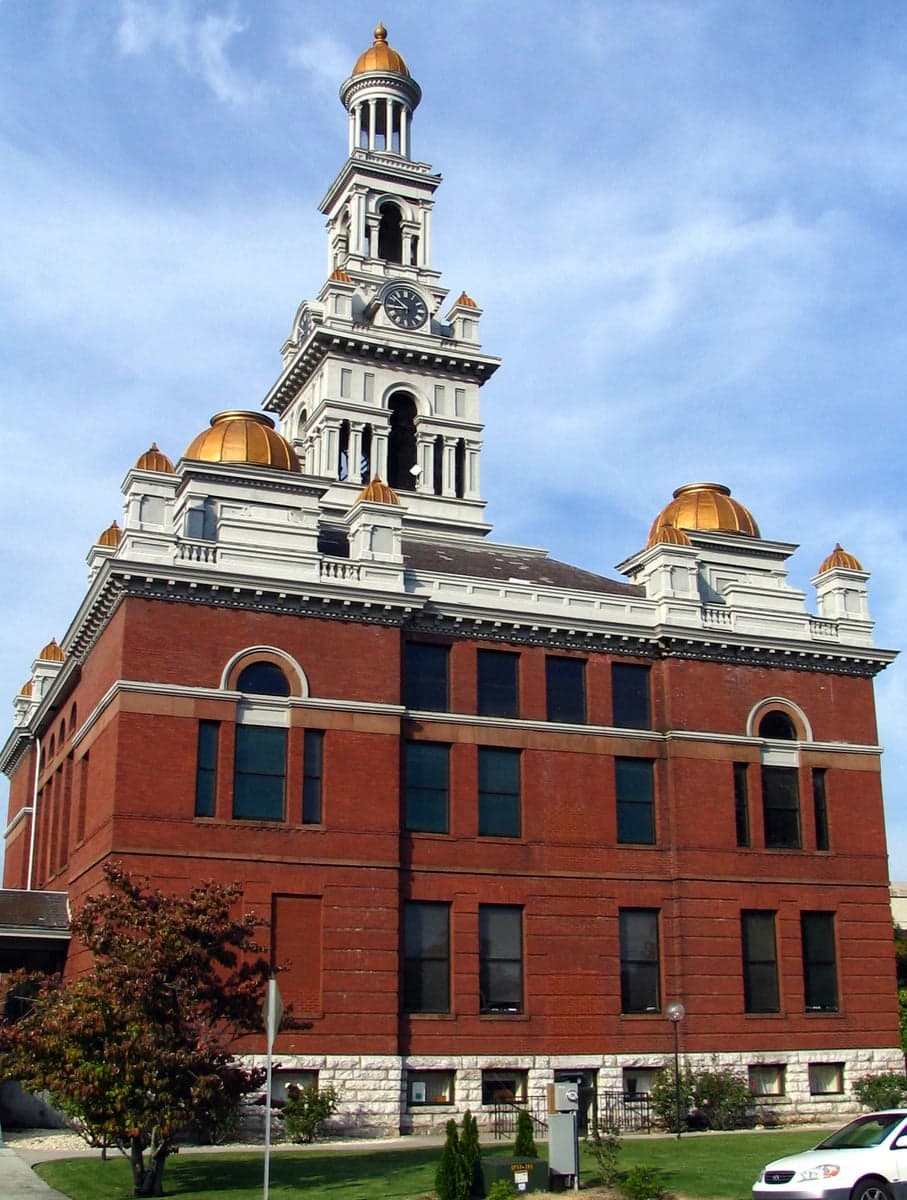
Photo: Wikipedia
Personal Sovereignty in Sevier County
Viable for self-reliance. Generally workable, though some barriers may limit total independence.
What does Personal Sovereignty tell us?
Personal Sovereignty measures your capacity for self-reliance and independence with minimal government friction. Higher scores mean fewer barriers between you and the way you want to live... but it assumes you have the space you need and good neighbors.
What does this tell us?
Personal Sovereignty measures your capacity for self-reliance and independence with minimal government friction. Higher scores mean fewer barriers between you and the way you want to live... but it assumes you have the space you need and good neighbors.
State Policy
Energy independence: Importer (25% of energy produced in-state)
Personal Liberty
Homesteading

Personal Liberty Analysis
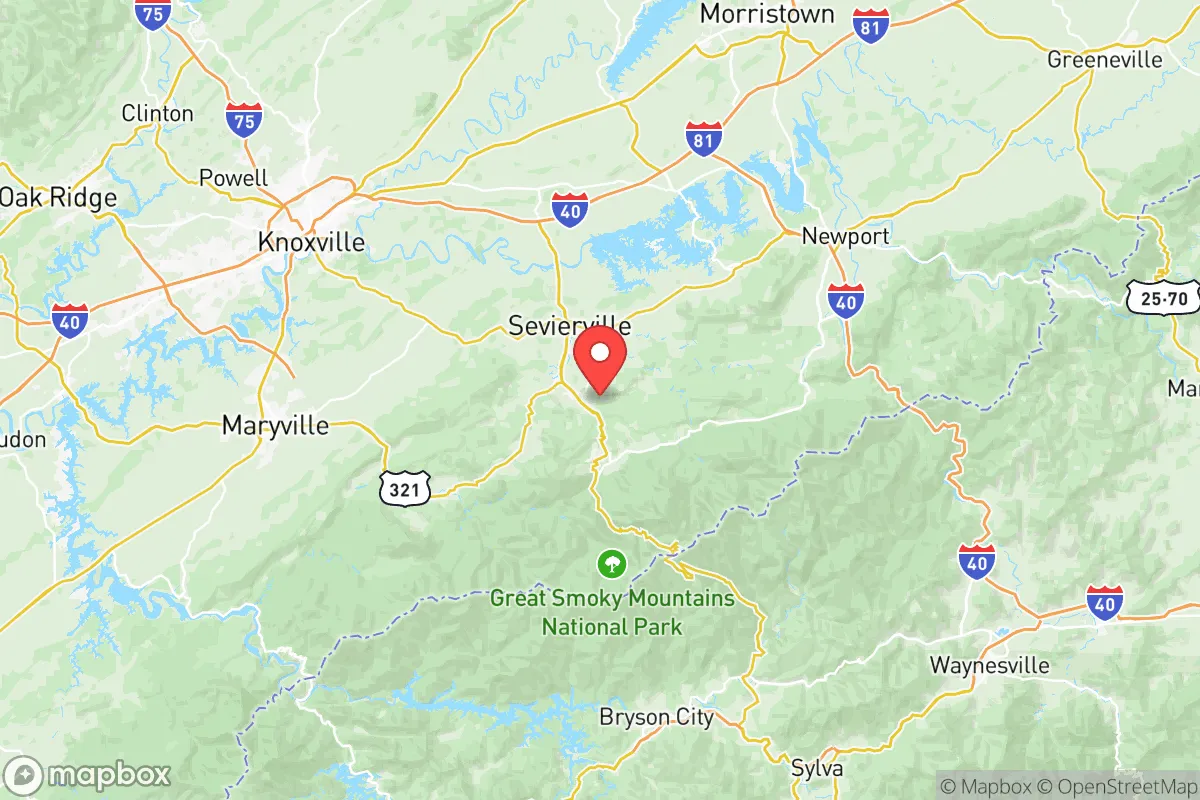
Sevier County, Tennessee, offers a notably high degree of personal sovereignty, grounded in the state’s strong tradition of limited government and individual liberty. The county’s regulatory environment is light-touch compared to many urban and suburban areas in the Southeast, with local governance generally deferring to state-level protections for gun rights, property use, and parental authority. For individuals and families prioritizing autonomy, the area presents a practical balance of low taxes, permissive self-defense laws, and genuine opportunities for self-reliant living, though the degree of freedom varies between the tourist-heavy corridor of Pigeon Forge and Gatlinburg and the more rural, unincorporated areas like Wears Valley, Pittman Center, and the communities along the Little Pigeon River.
Tax burden and regulatory posture for residents and property owners
Tennessee’s lack of a state income tax is the cornerstone of its light fiscal burden, and Sevier County residents benefit directly from this policy. The county’s property tax rate is moderate for the region, and the state’s sales tax is the primary revenue source, meaning that day-to-day spending is taxed but earnings and investments are not. For property owners, the regulatory posture is generally permissive: there is no county-wide zoning in the unincorporated areas, which allows for a wide range of uses on residential land. However, the cities of Gatlinburg, Pigeon Forge, and Sevierville each have their own zoning codes and building permit requirements, which are more restrictive, particularly in commercial zones and high-density tourist areas. In contrast, areas like Wears Valley and the rural stretches of Highway 321 near Cosby have minimal local oversight, making them more attractive for those seeking to avoid bureaucratic hurdles when building or modifying structures. The county’s approach to business licensing is straightforward, with no onerous local income or gross receipts taxes, which supports entrepreneurial self-reliance.
Self-defense and gun law specifics in Sevier County
Tennessee is a strong Second Amendment state, and Sevier County reflects that culture with a permissive legal environment for firearm ownership and carry. The state allows permitless carry for individuals 21 and older, meaning no license is required to carry a concealed or open firearm. For those who do want a permit, the state issues enhanced handgun carry permits that require a background check and training, and these are recognized in many other states. Sevier County’s sheriff’s office is known for being supportive of gun rights, and there are no local ordinances that restrict magazine capacity, firearm types, or storage requirements beyond state law. The county’s culture is heavily pro-self-defense, with a strong tradition of personal protection being a normal part of daily life, particularly in rural areas. Stand-your-ground laws apply statewide, and there is no duty to retreat in any place where a person is lawfully present. For residents, this means that the legal framework for self-defense is clear and protective of individual judgment, with no local restrictions that would complicate the exercise of those rights.
Self-reliance and homesteading viability across the county
Sevier County’s geography and land-use policies create a wide spectrum of homesteading viability. In unincorporated areas like Wears Valley, Pittman Center, and the rural parts of the county near the national park boundary, lot sizes can be as small as one acre, but many parcels are five acres or larger, allowing for gardens, small livestock, and even limited agricultural operations. There is no county-wide zoning that prohibits keeping chickens, goats, or bees on residential property, though homeowners’ associations in subdivisions like those near Gatlinburg or Pigeon Forge may impose restrictions. Off-grid living is feasible in the more remote areas, particularly in the northern and eastern parts of the county, where properties are often served by private wells and septic systems. Solar panels and rainwater collection are not prohibited by county code, though building permits are still required for structural additions. The county’s soil quality varies, with the mountainous terrain limiting large-scale farming, but small-scale gardening and orchard planting are common. For those seeking true self-reliance, the areas around Cosby and the Foothills Parkway offer the most freedom, while the more developed tourist corridor imposes stricter rules on land use and building appearance.
Personal liberties: parental rights, medical autonomy, and property use
Tennessee has enacted several state-level protections that bolster personal sovereignty in Sevier County. Parental rights are strongly protected by state law, with statutes affirming parents’ authority over their children’s education, healthcare, and religious upbringing. The county’s school system, Sevier County Schools, operates with a conservative curriculum approach, and there is a robust homeschooling community supported by state laws that require minimal oversight. Medical autonomy is generally respected, with no local mandates for vaccination or treatment that exceed state requirements. The state has passed laws restricting certain medical procedures for minors and protecting conscientious objection by healthcare providers, which aligns with the county’s conservative values. Property rights are well-protected, with no county-wide rent control or land-use restrictions that would limit how a homeowner uses their land, provided they comply with basic health and safety codes. The county’s approach to short-term rentals is more regulated in the tourist areas, but in rural zones, property owners have wide latitude to use their land as they see fit. Free speech is protected by state law, and there are no local ordinances that restrict political expression or assembly beyond standard public safety measures.
Overall, Sevier County ranks among the more sovereignty-friendly areas in Tennessee, particularly when compared to the more regulated environments of Nashville or Knoxville. The combination of no state income tax, permitless carry, minimal zoning in rural areas, and strong state-level protections for parental and property rights creates a legal environment that supports individual autonomy. For those willing to live outside the tourist corridor, the county offers genuine opportunities for self-reliant living, with the added benefit of being within driving distance of the amenities of Sevierville and Knoxville. The trade-off is that the high-traffic tourist zones impose more rules, but for most residents focused on personal freedom, the county’s overall posture is clearly pro-liberty.

* Values derived from national, state, county, city and local statistics and may differ in a specific area. Last updated: 2026-06-28T01:12:39.000Z
Narrative content on this page is AI-generated and may contain mistakes. Verify any details that matter before acting on them.
ReloMaps may earn a commission from affiliate links at no extra cost to you.

