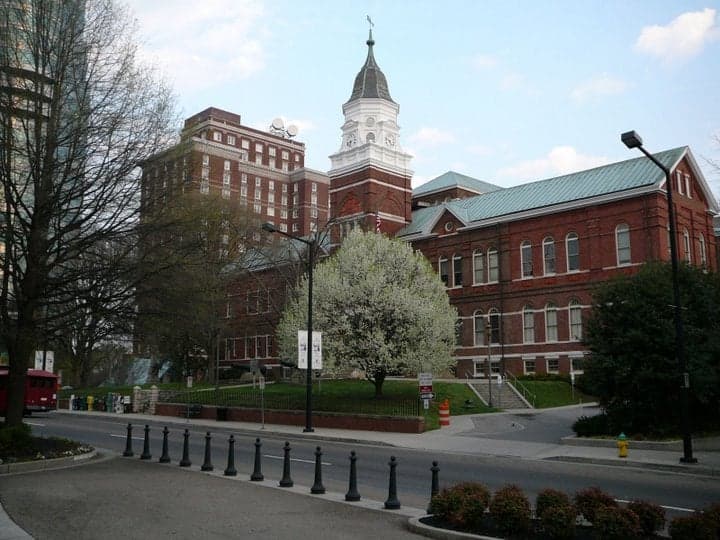
Photo: Wikipedia
Find The Best Places To Live in Knox County
PRO TIP! You can paste a Zillow or Redfin link to get info on that property.
Best Places to Live in Knox County
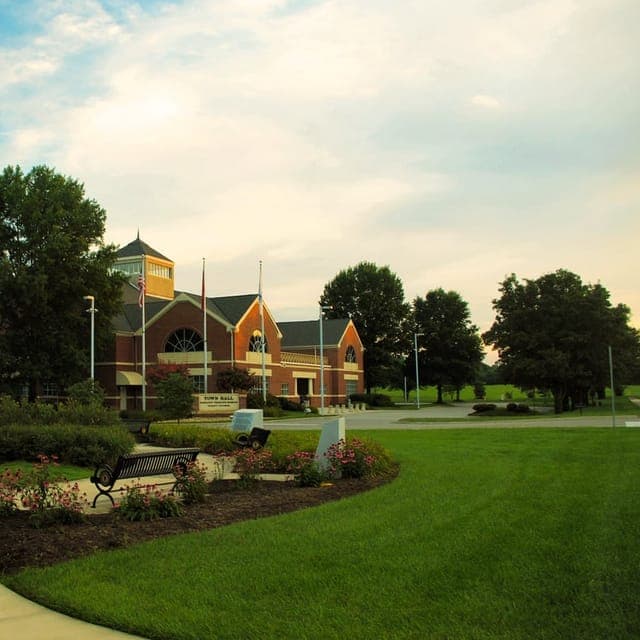
Cities & Towns in Knox County
Cities in Knox County
What It's Like Living in Knox County, TN
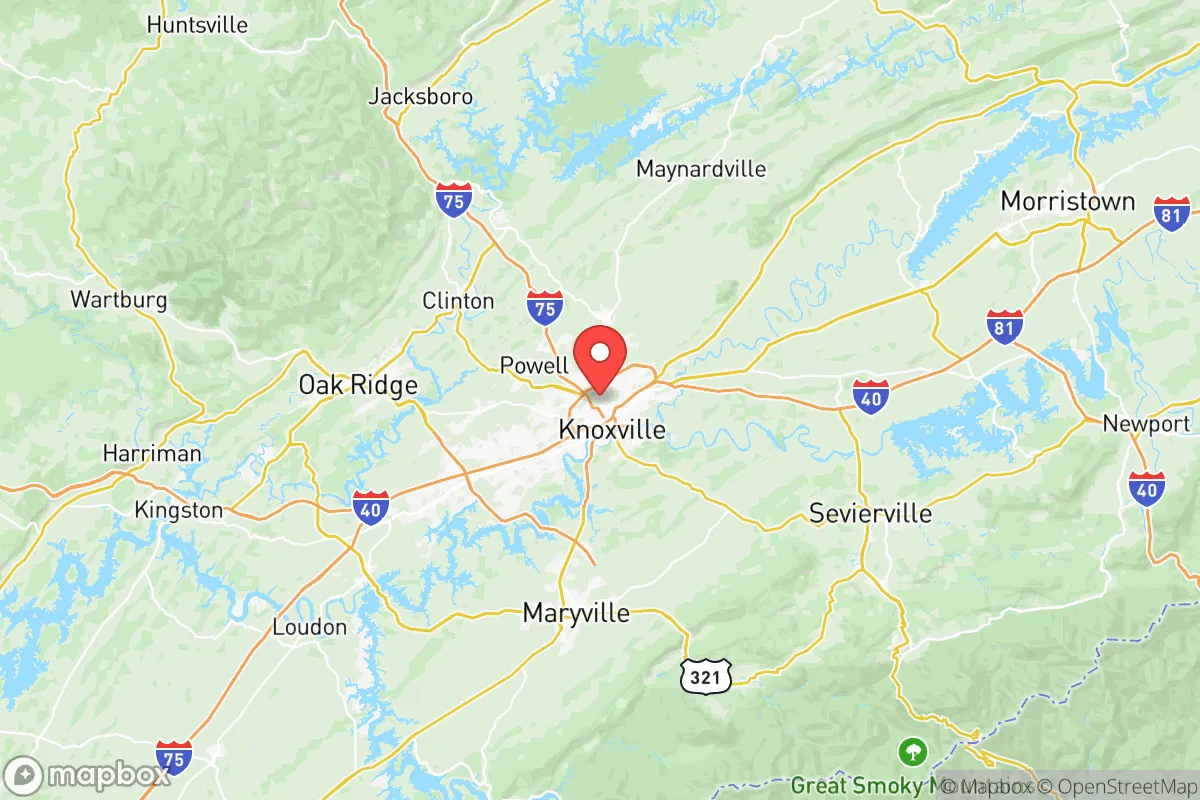
Living in Knox County, Tennessee means finding yourself at the center of a region that balances big-city amenities with small-town touchstones — the University of Tennessee’s orange-clad game days in downtown Knoxville, Friday-night lights in Farragut and Maryville, and quiet country evenings out toward Corryton and Mascot. It’s a place where people actually wave when you pass, but where traffic on I-40 can test that friendliness by 5 p.m. With a population just shy of half a million, Knox County offers something rare: a genuine sense of community without feeling cramped, as long as you know where to look.
The Daily Rhythm: Work, Commute, and Where You Actually Spend Your Time
Most people here work in healthcare, education, or the growing tech and manufacturing sectors — the University of Tennessee and Oak Ridge National Laboratory anchor the local economy, while companies like Regal Cinemas and Pilot Flying J keep the office parks humming. The average commute clocks in at around 22 minutes, which feels about right: long enough to finish a podcast, short enough that you don’t dread the drive. People in Farragut often head into downtown Knoxville for dinner or a concert, while those living in the Hardin Valley or Karns might spend their weekends hiking at Ijams Nature Center or grabbing brunch at a spot like The Plaid Apron.
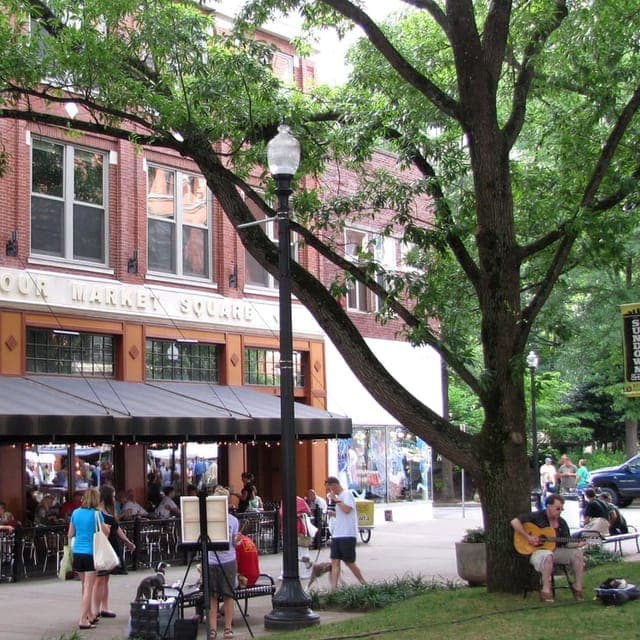
When it comes to daily life, you’ll notice a preference for local over chains — places like the Farmers’ Market on Market Square in Knoxville draw crowds year-round, and the city’s Old City district is packed with breweries (Hi-Wire, Crafty Bastard) and live music spots like The Mill & Mine. Families in the suburbs — think Farragut or Powell — often center their weekends around school sports, church events, and the occasional trip to Dollywood in nearby Pigeon Forge. Median home values sit around $279,700, which buys you a solid three-bedroom in a good school zone, though prices have climbed fast since 2020, especially in desirable pockets like Sequoyah Hills or Bearden.
Sports & Community: More Than Just the Vols
Let’s get the obvious out of the way: the University of Tennessee Volunteers are the region’s heartbeat. On fall Saturdays, Neyland Stadium packs over 100,000 fans into a sea of orange, and the entire county seems to pause for game day. But local high school sports are a bigger deal than outsiders might expect — Friday-night football at Farragut High School or Catholic High School draws crowds that rival some small colleges, and the community pride runs deep. You’ll see “Go Admirals” or “Go Fighting Irish” bumper stickers alongside UT flags on the same cars.
The Knoxville Ice Bears, a minor-league hockey team, offer a fun, affordable night out at the Knoxville Civic Coliseum, while the Tennessee Smokies (the Cubs’ Double-A affiliate) play summer baseball in nearby Kodak. For a county of this size, the sports culture feels personal — you’re likely to know someone playing, coaching, or selling hot dogs at the concession stand.
What’s There to Do: Festivals, Outdoor Life, and the Honest Trade-Offs
Knox County punches above its weight in entertainment. The Dogwood Arts Festival in spring turns downtown into a celebration of local art and music, while the Tennessee Valley Fair brings carnival rides and fried everything in September. Outdoor enthusiasts have the Urban Wilderness — a network of trails, rock climbing, and mountain biking just south of downtown — and the Great Smoky Mountains National Park is less than an hour’s drive. Locals also love a lazy Saturday on the Tennessee River, whether kayaking or just floating on a tube behind a boat.
The downsides are real, though. The violent crime rate sits at 495 per 100,000 people, which is higher than the national average — most of it is concentrated in specific Knoxville neighborhoods, but it’s a concern that comes up in conversations about safety. Traffic along I-40/75 through the downtown “Malfunction Junction” can be genuinely frustrating, and summer humidity makes July and August feel like you’re breathing through a wet blanket. Cost of living is right at the national average (101 on the index), so housing is cheaper than Nashville or Asheville, but wages haven’t kept pace with rising prices — the median income of $71,662 is solid, but it buys less than it did five years ago.
Pros and Cons of Living in Knox County
- Pros: Genuine community feel — people actually know their neighbors. Access to world-class outdoors without the crowds of Gatlinburg. A strong job market anchored by UT and Oak Ridge. Decent schools overall, with Farragut and Hardin Valley rated highly. Lower home prices than comparable cities in the Southeast.
- Cons: Traffic on the interstates and major corridors (Kingston Pike, Northshore Drive) is getting worse. Violent crime is a real concern in parts of Knoxville proper. Summer humidity is oppressive for transplants from drier climates. Public transit (KAT buses) is limited, so a car is essential. Some rural areas like Mascot or Corryton feel very isolated from amenities.
About 40% of adults hold a college degree, which makes Knox County more educated than the state average but less so than Nashville or Chattanooga. The median age of 37.3 means you’ll find a mix of young professionals from UT, families in the suburbs, and retirees drawn to the low cost of living. It’s not a place for someone seeking constant nightlife or cutting-edge culture — but for someone who wants a real community, decent schools, and mountains in the backyard, Knox County delivers. You just have to accept that the traffic and the humidity are part of the deal.

* Values derived from national, state, county, city and local statistics and may differ in a specific area. Last updated: 2026-06-29T22:44:32.000Z
Narrative content on this page is AI-generated and may contain mistakes. Verify any details that matter before acting on them.
ReloMaps may earn a commission from affiliate links at no extra cost to you.

