Quality of Life in St Albans, VT
A high quality of life with strong walkability, manageable living costs, healthy neighborhood signals, and solid amenity access.
What does Quality of Life tell us?
Quality of Life blends cost of living, nearby amenities, socioeconomic signals, and neighborhood character. City-level scores represent the whole municipality; individual neighborhoods can differ.
What does this tell us?
Quality of Life blends cost of living, nearby amenities, socioeconomic signals, and neighborhood character. City-level scores represent the whole municipality; individual neighborhoods can differ.
Cost of Living
5% below national average
The Real Cost of Living in St Albans, VT for 2026
| Tier | Individual | Family (4) |
|---|---|---|
| Survival | $19k | $35k |
| Comfortable | $48k | $70k |
| Luxury | $96k+ | $149k+ |
| Elite (Top 5%) | $128k+ | $198k+ |
76%
The Area Signal
A metric tracking the socioeconomic signals of the area.
Hobbies
Explore the areaGroceries
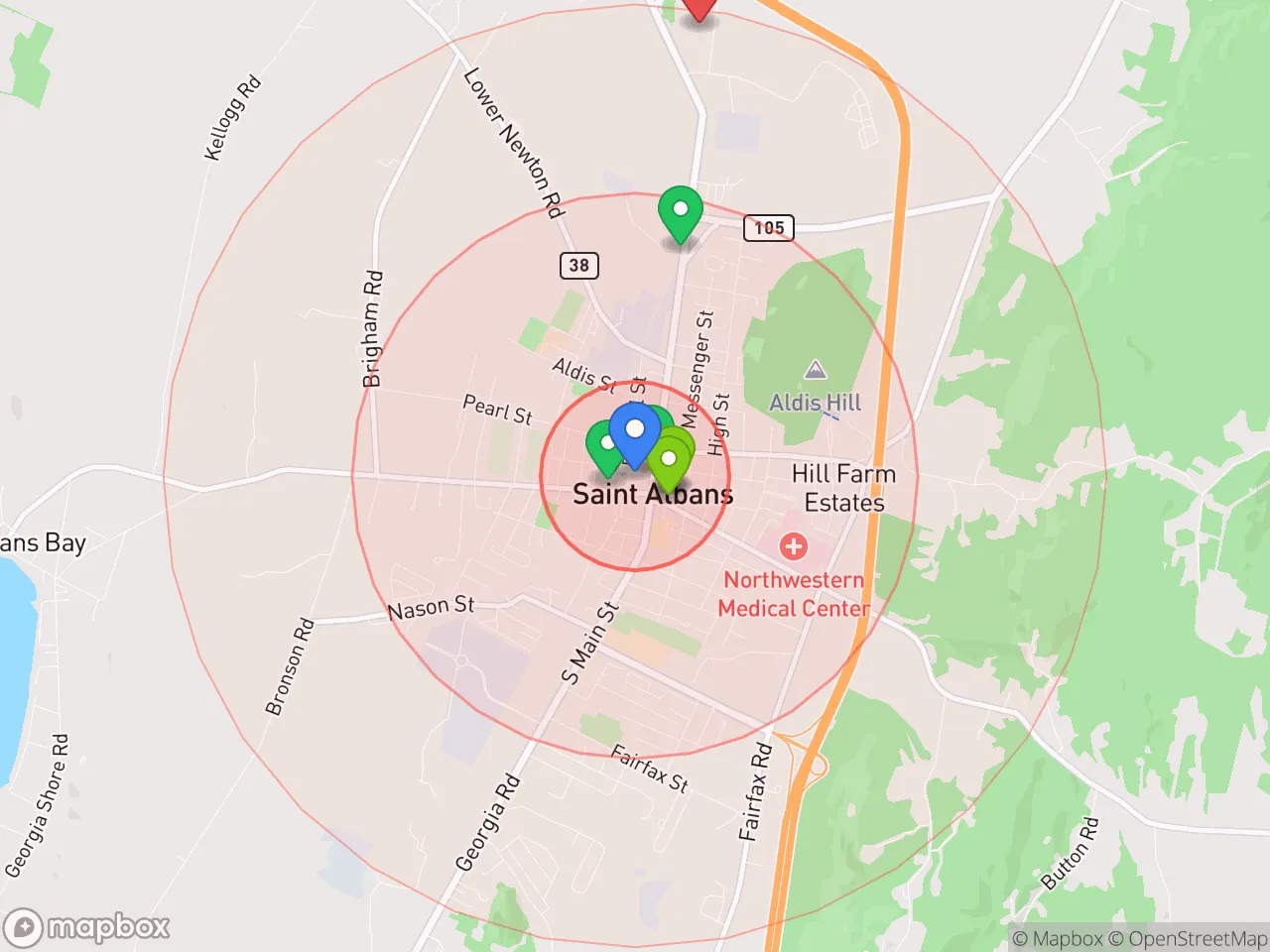
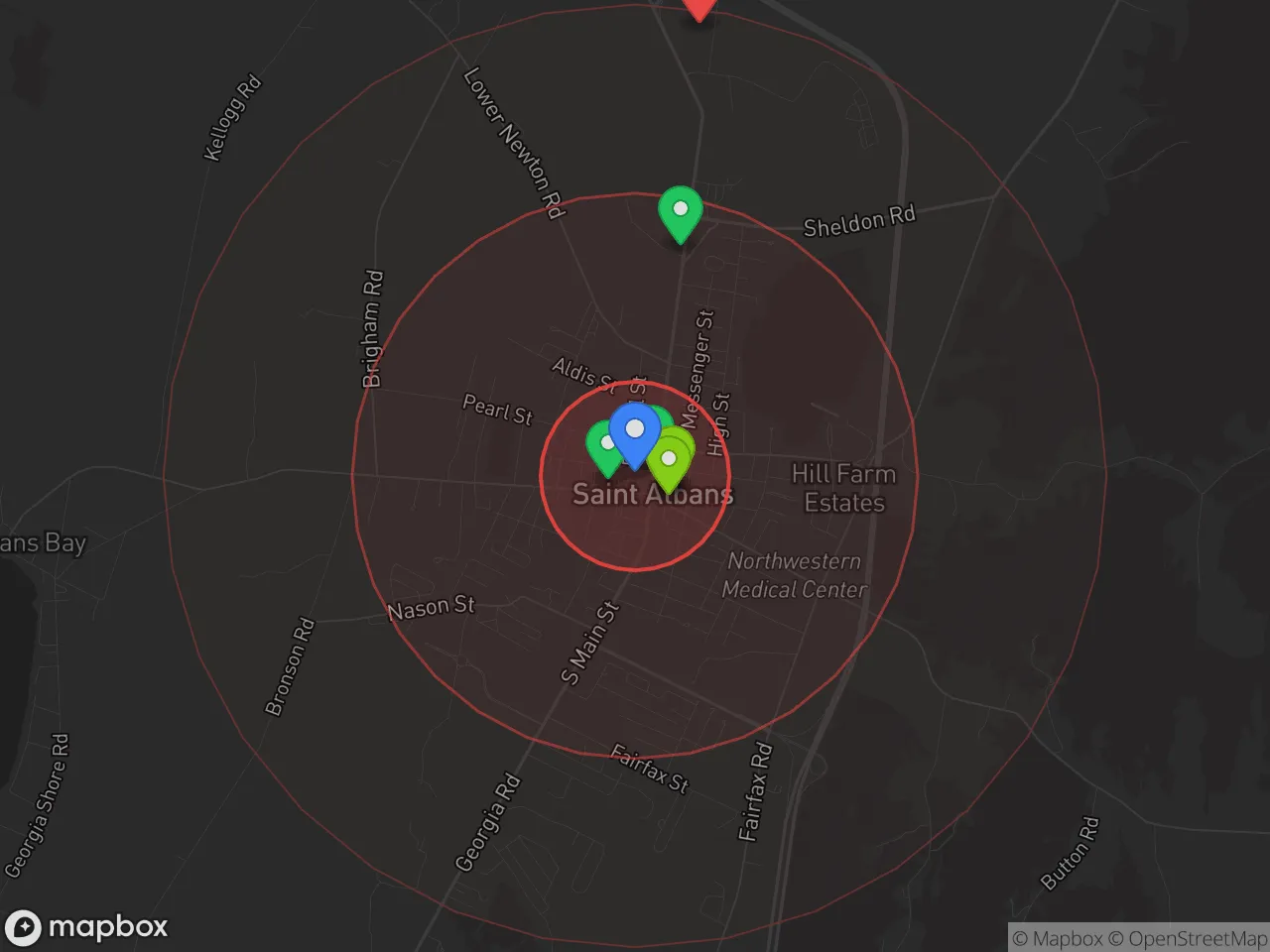
2 within 10 miles
Gas
14 within 10 miles
Hospital
1 within 20 miles
Airport
PDX — Portland International Jetport
Post Office
USPS — St Albans, VT
Critical Amenities
Quality-of-Life Analysis
St. Albans, Vermont, presents a quality of life defined by small-town New England character, relative affordability compared to Burlington, and a predominantly family-oriented and outdoor-focused population. With a cost of living index of 95 (5% below the national average), the city attracts a mix of young professionals, tradespeople, and retirees who value community connection and access to Lake Champlain and the Green Mountains over urban amenities. The median household income hovers around the state average, supporting a stable, middle-class demographic that prioritizes local schools and seasonal recreation.
Cost of living and housing affordability compared to Burlington and other Vermont towns
St. Albans offers a significant cost advantage over Chittenden County, making it a practical choice for buyers and renters priced out of Burlington. The median home value sits at $245,600, roughly $150,000 less than the Burlington metro median, while the median rent of $1,166 is similarly below the regional average. This affordability gap is the primary driver of recent population growth, as remote workers and commuters seek lower housing costs within a reasonable drive. The average commute of 22.8 minutes is notably shorter than the national average of 26 minutes, and many residents commute south to Burlington or Essex Junction for employment in healthcare, education, and manufacturing. Property taxes in Franklin County are moderate by Vermont standards, though still higher than the national median, which buyers should factor into monthly costs.
Local amenities, school quality, and the daily rhythm of life in St. Albans
Daily life in St. Albans centers on the walkable downtown, which features a mix of independent restaurants, a historic opera house, and seasonal farmers' markets. The city's public schools, including St. Albans Town Educational Center and Bellows Free Academy, maintain solid reputations within the state, with graduation rates above 90% and class sizes that allow for individualized attention. Outdoor access defines the local lifestyle: residents use the Missisquoi Valley Rail Trail for biking and running, launch boats at the St. Albans Bay Park on Lake Champlain, and ski at Jay Peak Resort (about 40 minutes north) or Smugglers' Notch (about 50 minutes east). Healthcare is accessible via Northwestern Medical Center, a critical access hospital located within city limits. The area lacks the dining diversity and nightlife of Burlington, but the trade-off is a quieter, safer environment with lower crime rates and a strong sense of neighborly connection.
St. Albans is best suited for families, outdoor enthusiasts, and professionals who work in or near Franklin County and want a lower cost of entry into Vermont homeownership. Remote workers with flexible schedules will appreciate the short commute and lower housing costs, while retirees on fixed incomes benefit from the below-average cost of living and access to local healthcare. Those seeking a vibrant arts scene, high-end dining, or extensive public transit should look to Burlington or Winooski. For buyers and renters who prioritize affordability, community, and proximity to Lake Champlain and the mountains, St. Albans offers a compelling and sustainable quality of life.

Crime in St Albans, VT
Generally safer than 71% of comparable U.S. locations.
Violent CrimeViolent Crime Analysis
Property CrimeProperty Crime Analysis
Crime Analysis
St. Albans, Vermont, presents a mixed safety profile for prospective residents. While the city’s violent crime rate of 219.5 incidents per 100,000 people is notably lower than the national average, its property crime rate of 1,442.8 per 100,000 significantly exceeds both state and national benchmarks, making property-related offenses the primary safety concern for most households. As a small city within commuting distance of Burlington, St. Albans reflects broader regional crime trends that warrant careful consideration.
Crime in context
St. Albans’ violent crime rate sits well below the U.S. average of roughly 380 per 100,000, offering a degree of reassurance for those concerned about personal safety. However, the property crime rate is a more pressing issue, running nearly 40% higher than the national average and far above Vermont’s already elevated statewide property crime figures. This disparity suggests that while serious violent offenses like assault and robbery are relatively uncommon, theft, burglary, and vehicle break-ins are persistent problems. The city’s proximity to the Burlington metro area and its position along Interstate 89 may contribute to transient property crime, as smaller communities near larger urban centers often experience spillover effects.
What residents experience
Daily life in St. Albans for most residents involves a low risk of violent confrontation, but a heightened vigilance regarding personal property. Car break-ins and theft from porches or sheds are the most commonly reported issues, particularly in denser neighborhoods and near downtown. The city’s law enforcement presence is active, but the sheer volume of property crime can strain resources. It is also important to note that Vermont’s justice system, influenced by progressive and rehabilitative philosophies, has been criticized for prioritizing offender leniency over public accountability. This approach can result in repeat property offenders cycling through the system quickly, which directly undermines the sense of security for victims and the broader community. For families and homeowners, this means that while the streets may feel safe at night, securing bikes, vehicles, and outdoor equipment is a practical necessity.
Neighborhood-level variation
Safety in St. Albans is not uniform across the city. The historic downtown core and areas immediately surrounding the central business district see the highest concentration of property crime incidents, driven by foot traffic and commercial activity. In contrast, the more residential outer neighborhoods and rural fringes of the city report significantly fewer incidents, with violent crime remaining rare throughout. Prospective renters and buyers should prioritize properties on quieter side streets or in the city’s outskirts to minimize exposure to property crime, while still enjoying access to downtown amenities. Overall, St. Albans offers a livable environment for those who take standard urban precautions, but the property crime rate and the local justice system’s leniency are genuine factors to weigh in a relocation decision.
* Values derived from national, state, county, city and local statistics and may differ in a specific area. Last updated: 2026-10-21T14:33:53.000Z
Narrative content on this page is AI-generated and may contain mistakes. Verify any details that matter before acting on them.
ReloMaps may earn a commission from affiliate links at no extra cost to you.

