
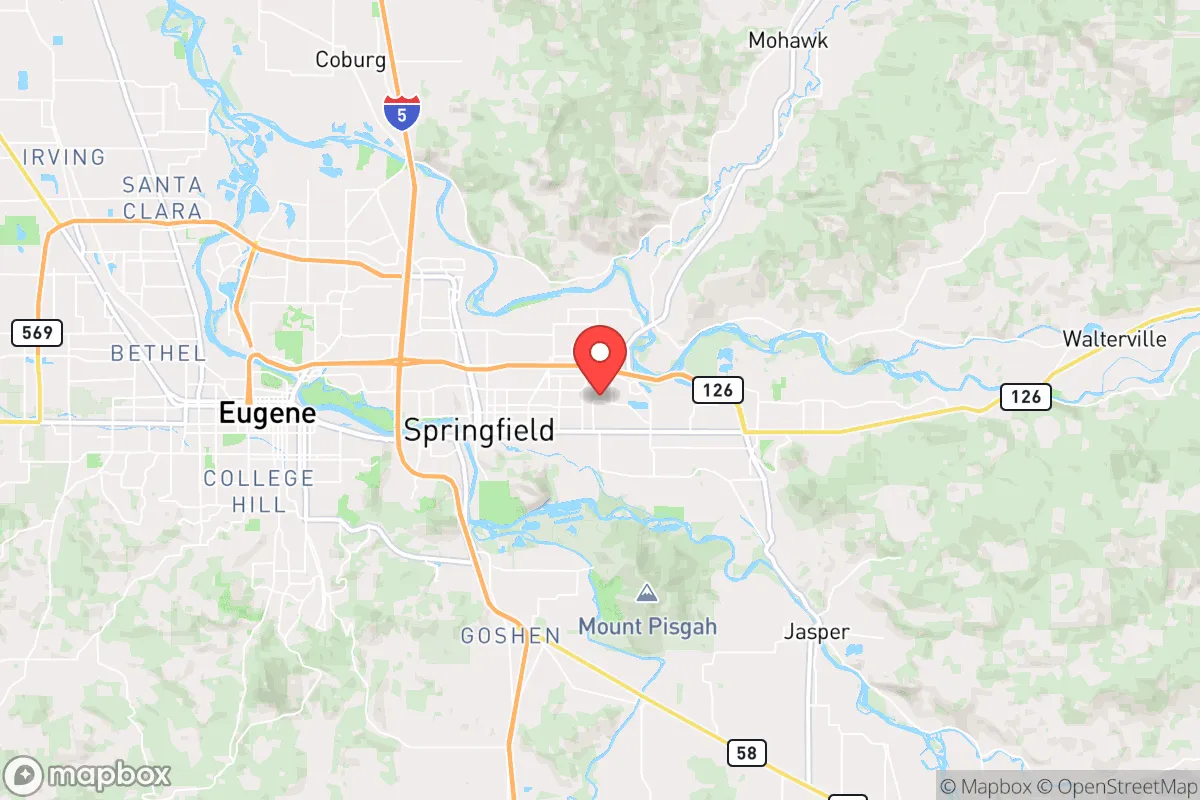
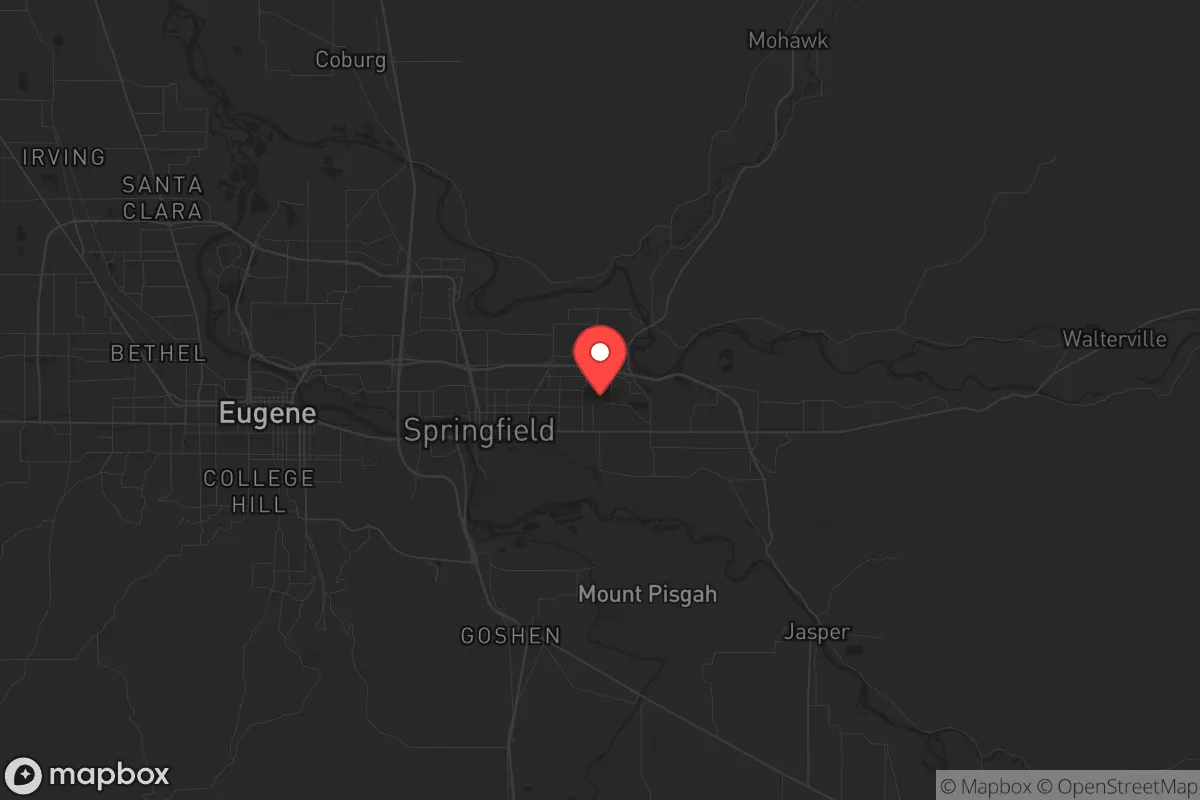
Photo: Wikipedia
Quality of Life in Springfield, OR
A high quality of life with strong walkability, manageable living costs, healthy neighborhood signals, and solid amenity access.
What does Quality of Life tell us?
Quality of Life blends cost of living, nearby amenities, socioeconomic signals, and neighborhood character. City-level scores represent the whole municipality; individual neighborhoods can differ.
What does this tell us?
Quality of Life blends cost of living, nearby amenities, socioeconomic signals, and neighborhood character. City-level scores represent the whole municipality; individual neighborhoods can differ.
Cost of Living
8% above national average
The Real Cost of Living in Springfield, OR for 2026
| Tier | Individual | Family (4) |
|---|---|---|
| Survival | $19k | $36k |
| Comfortable | $61k | $90k |
| Luxury | $89k+ | $139k+ |
| Elite (Top 5%) | $105k+ | $163k+ |
75%
The Area Signal
A metric tracking the socioeconomic signals of the area.
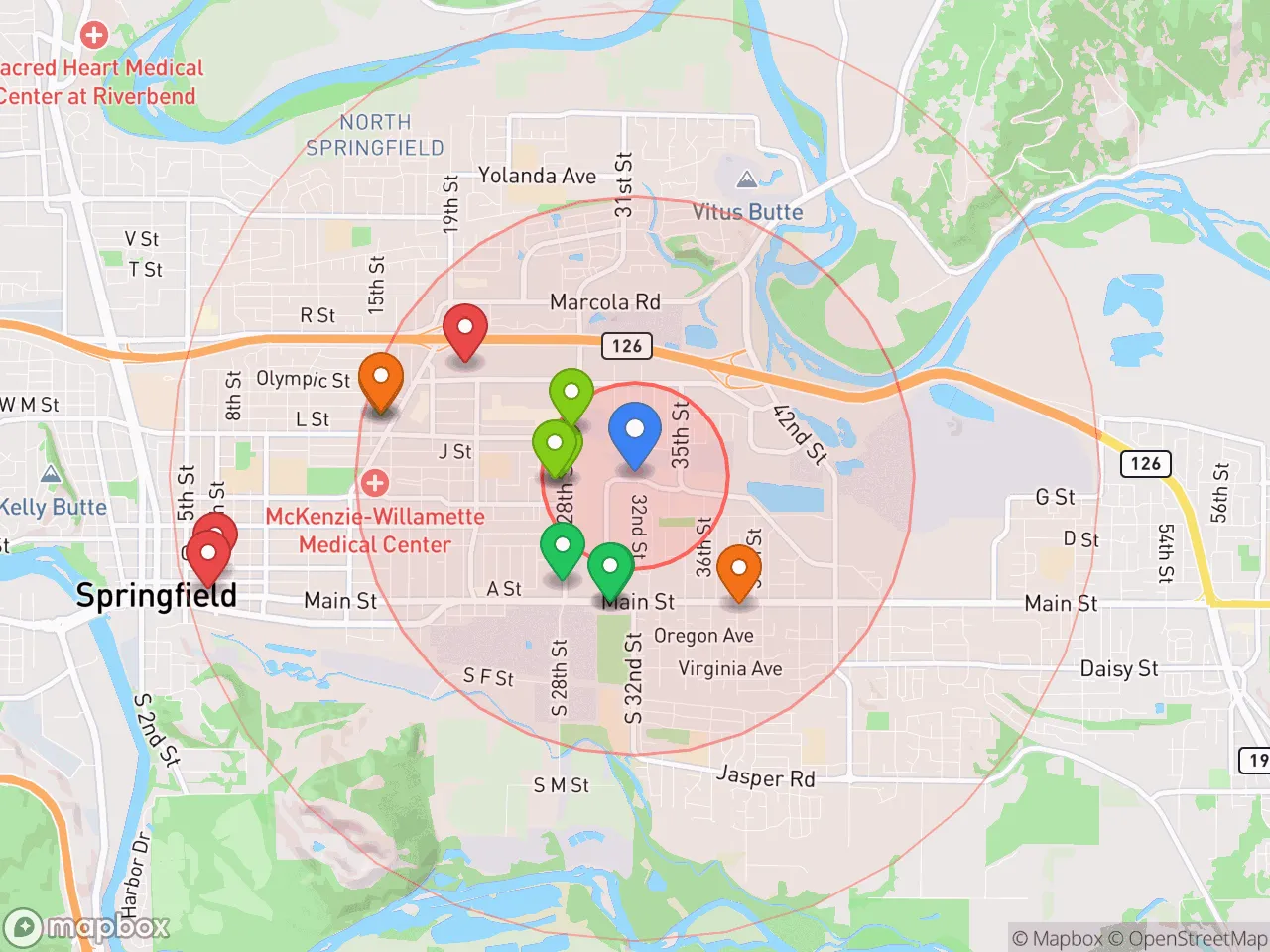
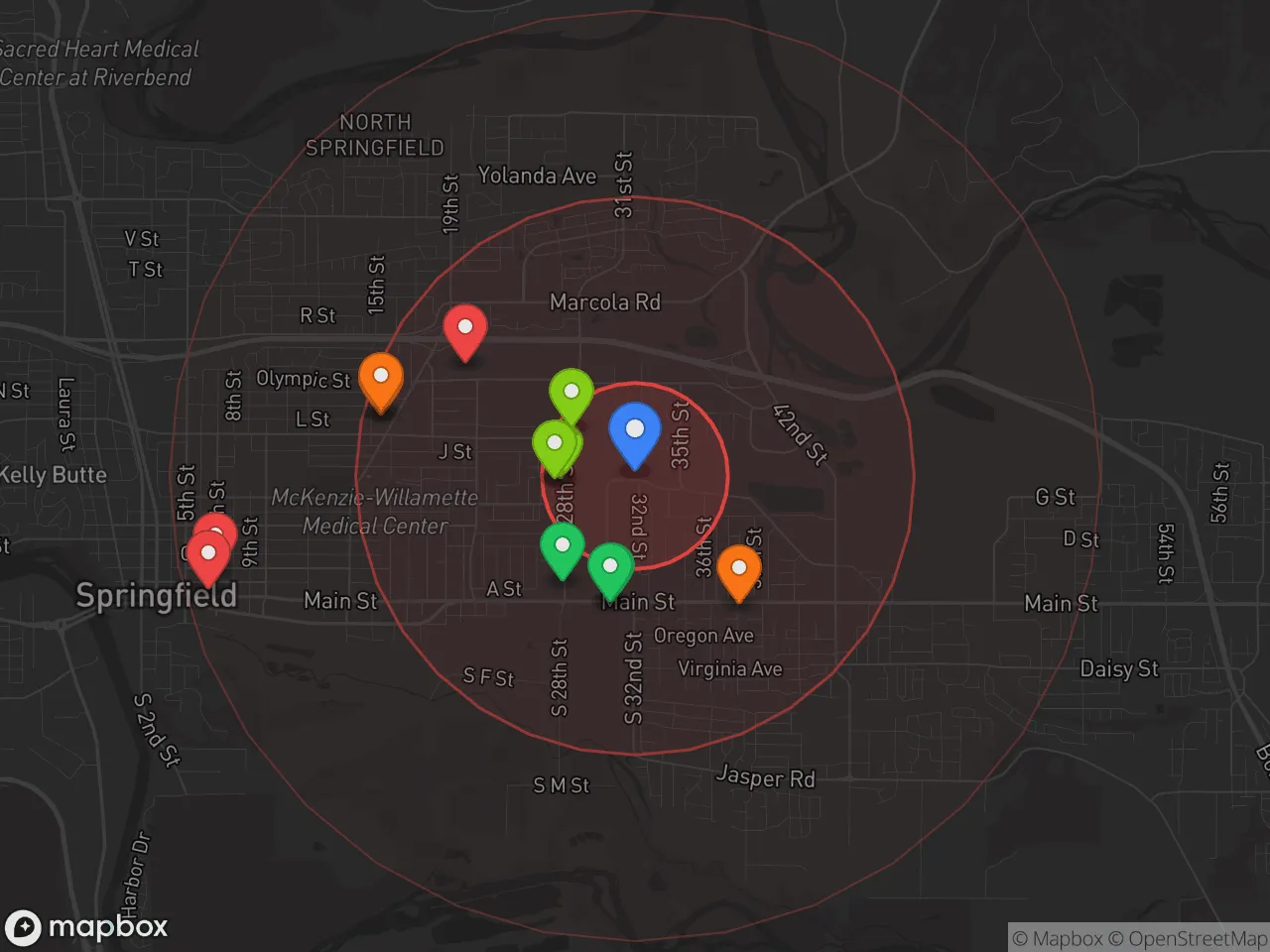
Hobbies
Explore the areaGroceries
0 within 10 miles
Gas
0 within 10 miles
Hospital
0 within 20 miles
Airport
PDX — Portland International
Post Office
Critical Amenities
Quality-of-Life Analysis
Springfield, Oregon, presents a middle-market quality of life defined by its cost of living index of 108 (8% above the national average) and a median home value of $323,800, attracting a mix of working professionals, tradespeople, and families priced out of nearby Eugene. The city's population skews slightly younger and more blue-collar than its neighbor, with a median age around 38 and a strong presence of manufacturing and logistics workers employed by firms like Weyerhaeuser and McKenzie-Willamette Medical Center. While not affluent by national standards, Springfield offers a stable, family-oriented environment where homeownership remains attainable for dual-income households, contrasting sharply with Eugene's higher housing costs and more transient student population.
Cost of living, housing affordability, and how Springfield compares to Eugene
Springfield's housing market is the primary driver of its cost-of-living advantage over Eugene, with a median home value of $323,800 — roughly $70,000 less than Eugene's median — and a median rent of $1,201, which is about 15% lower than comparable rentals across the Willamette River. The overall cost of living index of 108 is heavily influenced by housing, as utilities and groceries in Springfield track closely with national averages. Property taxes in Lane County average around 1.1% of assessed value, keeping annual carrying costs manageable for homeowners. The average commute of 19.9 minutes is notably shorter than Eugene's 22-minute average, a practical benefit for workers commuting to industrial parks along Highway 126 or to downtown Eugene. However, residents should note that Springfield's housing stock is older — roughly 40% of homes were built before 1980 — meaning renovation costs or energy-efficiency upgrades may be necessary for buyers seeking move-in-ready properties.
Everyday amenities, schools, and the daily rhythm of life in Springfield
Daily life in Springfield centers on a modest but functional network of amenities, anchored by the Springfield School District (4D), which operates 14 elementary schools, three middle schools, and two comprehensive high schools — Thurston and Springfield High — with a graduation rate near 85%. The city's retail core along Gateway Street and Pioneer Parkway offers big-box stores, chain restaurants, and the Gateway Mall, while the historic downtown district along Main Street provides locally owned cafes, breweries, and the Springfield Farmers Market (May–October). Outdoor recreation is a defining feature: the Willamette River Greenway and Dorris Ranch (a working filbert farm and living history site) offer walking trails and river access within city limits, and the nearby McKenzie River Trail and Willamette National Forest are 20–30 minutes east. The cultural rhythm is quieter than Eugene's — fewer music venues and art galleries — but residents gain proximity to the Hult Center for the Performing Arts and University of Oregon events with a 10-minute drive. Healthcare is served by McKenzie-Willamette Medical Center, a 114-bed acute-care hospital, and PeaceHealth Sacred Heart Medical Center in Eugene for specialized care.
Springfield is best suited for families and professionals who prioritize affordable homeownership, short commutes, and outdoor recreation over urban nightlife or high-end cultural amenities. The city works well for tradespeople employed by local manufacturers, healthcare workers at McKenzie-Willamette, or remote workers who need a lower-cost base within striking distance of Eugene's services. Retirees on fixed incomes may find the housing costs manageable, though the lack of a robust senior transit system could be a drawback. Those seeking a vibrant downtown scene or a more diverse job market should look to Eugene or Portland, but for buyers and renters who value a 19-minute commute, a median rent under $1,250, and immediate access to the Willamette Valley's outdoor assets, Springfield delivers a solid, grounded quality of life.

Crime in Springfield, OR
Crime rates similar to the national median for U.S. locations.
Violent CrimeViolent Crime Analysis
Property CrimeProperty Crime Analysis
Crime Analysis
Springfield, Oregon, reports a violent crime rate of 290.1 incidents per 100,000 residents and a property crime rate of 2,232.3 per 100,000, placing it above national averages for both categories. These figures reflect a community that faces significant public safety challenges, particularly in property-related offenses, which are a primary concern for residents and prospective movers. The city’s proximity to Eugene and its status as part of a larger metropolitan area mean that crime trends are influenced by regional factors, including the policies of Lane County’s justice system.
Crime in context
Springfield’s violent crime rate of 290.1 per 100,000 is roughly 20% higher than the national average of approximately 240 per 100,000, while its property crime rate of 2,232.3 per 100,000 is nearly double the national average of about 1,200 per 100,000. These numbers place Springfield among the higher-crime cities in Oregon, though still below the most dangerous urban centers in the state. The property crime category—including theft, burglary, and motor vehicle theft—drives the city’s elevated overall crime index. Lane County’s progressive district attorney and judiciary have been criticized for lenient sentencing and low bail requirements, which critics argue contribute to repeat offenses and a revolving-door effect for property criminals. This ideological approach, while intended to reduce incarceration, often results in offenders returning to the streets quickly, undermining deterrence and public confidence in the justice system.
What residents experience
For those living in Springfield, property crime is the most tangible safety issue. Vehicle break-ins, package theft, and residential burglaries are common complaints, particularly in neighborhoods near major thoroughfares and commercial corridors. Residents frequently report that stolen property is rarely recovered and that police resources are stretched thin, limiting the ability to investigate lower-level property crimes. Violent crime, while less frequent, is concentrated in specific areas and often linked to drug activity, homelessness, and transient populations. The presence of a large metro area justice system that prioritizes rehabilitation over accountability means that many offenders cycle through the system without meaningful consequences, a pattern that frustrates victims and neighborhood watch groups alike. Daily life for most residents involves taking proactive precautions—installing security cameras, locking vehicles, and avoiding certain areas after dark—rather than living in constant fear, but the cumulative effect of persistent property crime erodes quality of life.
Neighborhood-level variation in Springfield is notable. Areas east of Interstate 5, including the historic downtown and older residential districts, tend to report higher crime densities, while newer developments on the city’s western and southern edges see fewer incidents. The Thurston area, in particular, has a reputation for being safer and more family-oriented, with lower crime rates and stronger community policing presence. However, even in these quieter neighborhoods, property crime can occur, and residents remain vigilant. Prospective movers should research specific blocks and talk to local police precincts for the most current data, as crime patterns shift with seasonal and economic changes. Overall, Springfield’s safety picture is one where awareness and precaution are necessary, and where the broader metro area’s progressive criminal justice policies create an environment that demands extra vigilance from law-abiding citizens.
* Values derived from national, state, county, city and local statistics and may differ in a specific area. Last updated: 2026-07-08T06:21:04.000Z
Narrative content on this page is AI-generated and may contain mistakes. Verify any details that matter before acting on them.
ReloMaps may earn a commission from affiliate links at no extra cost to you.

