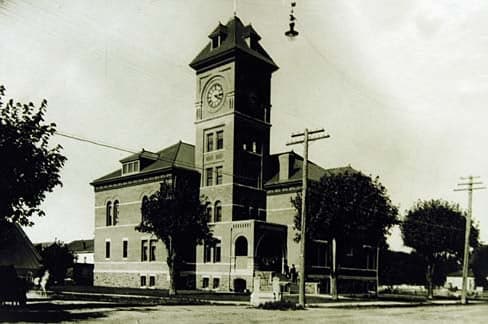
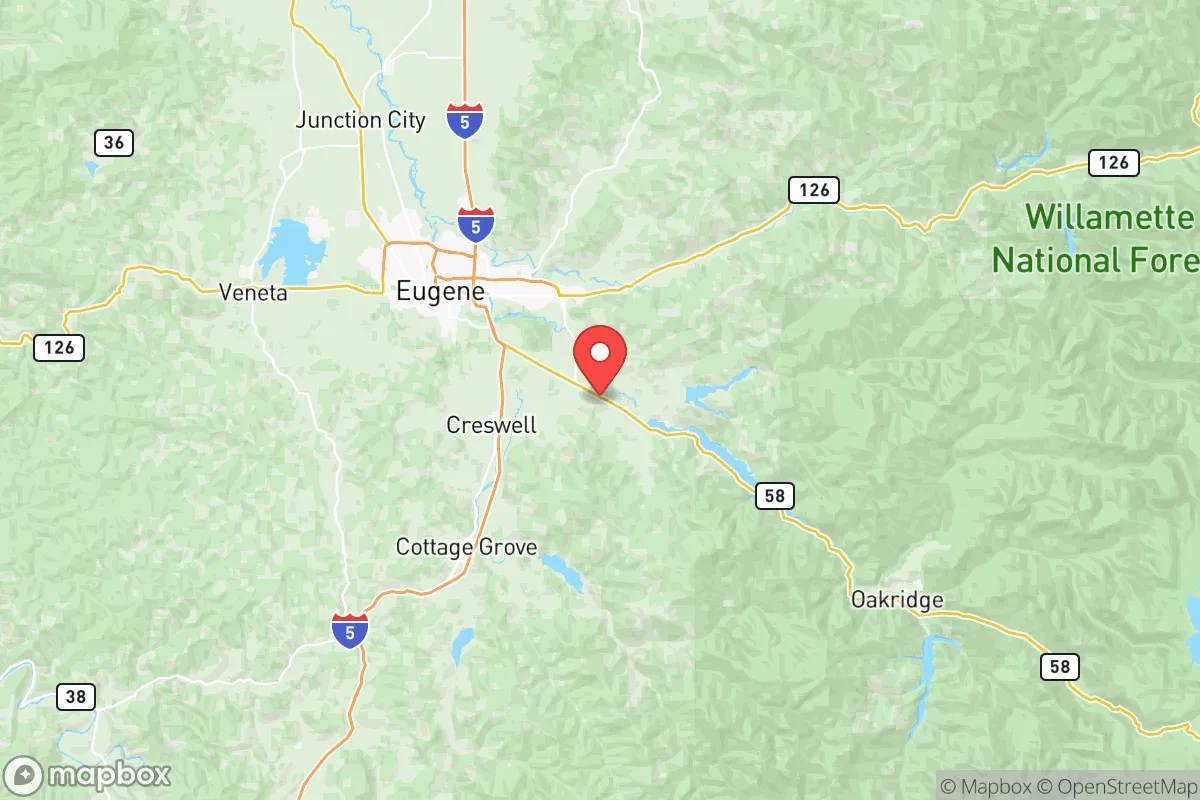
Photo: Wikipedia
Find The Best Places To Live in Lane County
PRO TIP! You can paste a Zillow or Redfin link to get info on that property.
Best Places to Live in Lane County
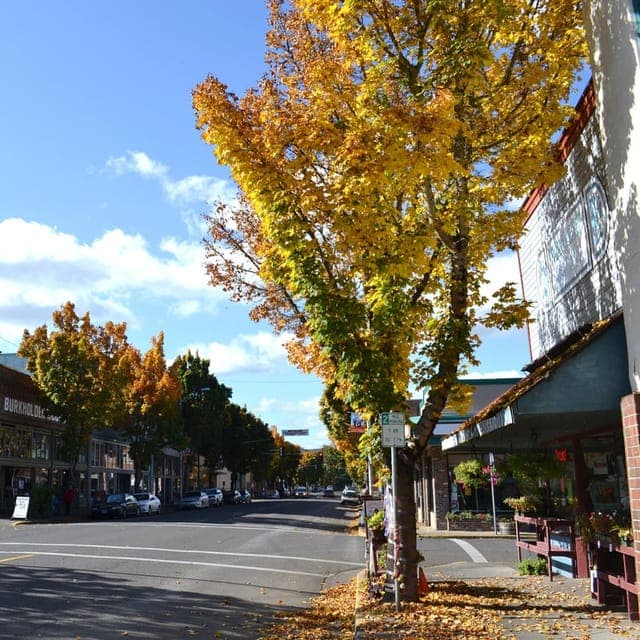

Cities & Towns in Lane County
Cities in Lane County
What It's Like Living in Lane County, OR
Living in Lane County, Oregon, feels like being in a place that can’t quite decide if it’s a small-town refuge or a mini-metropolis, and that tension is exactly what defines it. The county stretches from the Pacific coast at Florence all the way up to the Cascade foothills, with Eugene as the anchor and a string of smaller communities like Springfield, Creswell, and Cottage Grove filling in the gaps. For a relocation audience that values space, outdoor access, and a slower pace than Portland but still wants real amenities, Lane County offers a genuine trade-off: you trade the 24/7 buzz for a life where your weekend plans are more likely to involve a river trail than a nightclub.
The Daily Rhythm: From Eugene’s Coffee Shops to Cottage Grove’s Main Street
Daily life in Lane County varies dramatically depending on which of its 382,628 residents you ask. In Eugene, the county seat and home to the University of Oregon, mornings often start with a line at Vero Espresso on Willamette Street or a bike ride along the Ruth Bascom Riverbank Path System. The median age here is 40.2, which means you’ll see a mix of students, professors, and remote workers who moved from pricier metros. Springfield, just east of Eugene, feels more working-class and family-oriented—think Friday-night dinners at Plank Town Brewing and kids’ soccer games at Willamalane Park. Farther south, Cottage Grove’s historic downtown has a distinct small-town rhythm: the weekly farmers market at the Coiner Park pavilion and the annual Bohemia Mining Days festival are the social anchors. People here shop at local co-ops like the Kiva in Eugene or hit the big-box stores along Gateway Street in Springfield, but the real daily ritual is getting outside—whether it’s a hike at Spencer Butte or a lazy float on the McKenzie River.
Sports, Community, and the Ducks Obsession
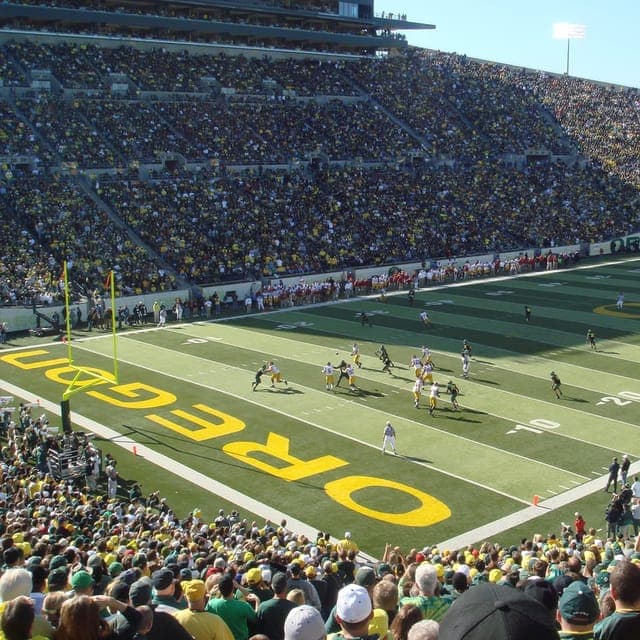
If you live in Lane County, you will develop an opinion on Oregon Ducks football, whether you want to or not. Autzen Stadium on game days transforms Eugene into a sea of green and yellow, with tailgates spilling into the parking lots by 8 a.m. and the roar audible from miles away. High school sports are a close second: Sheldon High School and South Eugene High School have fierce rivalries that pack bleachers on Friday nights, and in smaller towns like Creswell, the whole community turns out for volleyball and basketball games. For the non-sports fan, the Oregon Bach Festival and the Eugene Saturday Market (running since 1970) offer a different kind of community gathering. The county’s cultural identity is proudly DIY—there’s a strong streak of environmental activism, craft beer loyalty, and a general distrust of chain stores that makes local businesses like Falling Sky Brewing and Hideaway Bakery feel like institutions.
What’s There to Do: Outdoors, Festivals, and the Honest Trade-Offs
The biggest draw is the outdoors, and it’s not subtle. Within an hour’s drive, you can be at the Oregon coast in Florence, hiking the dunes at Honeyman State Park, or skiing at Willamette Pass. The McKenzie River Trail is a world-class mountain biking route, and the Willamette River runs right through Eugene, offering kayaking and fishing that feels almost private compared to Portland’s crowded waterways. Major festivals include the Oregon Country Fair in Veneta (a trippy, beloved institution that draws 40,000 people) and the Florence Rhododendron Festival. But here’s the honest trade-off: the cost of living index sits at 123, meaning things are 23% pricier than the national average, and the median home value of $395,800 is steep for a county where the median income is $69,311. That gap squeezes a lot of families, especially in Eugene and Springfield, where starter homes under $350,000 are increasingly rare. The violent crime rate of 309.1 per 100,000 is higher than the national average, and while most of it is concentrated in specific Eugene neighborhoods, it’s a real concern for newcomers.
Pros and Cons: What Longtime Residents Want You to Know
- Pro: The commute is genuinely pleasant. The average drive time is just over 20 minutes, and even the Eugene-to-Springfield crawl rarely tops 30 minutes. You can live in Cottage Grove and work in Eugene without hating your life.
- Con: The weather. From November through June, expect gray skies and drizzle. The rain is light but constant, and seasonal affective disorder is a real topic of conversation. Summers, however, are spectacular—dry, sunny, and 80 degrees.
- Pro: The schools are a community anchor. The Eugene School District 4J and Springfield Public Schools are deeply integrated into local life, with strong parent involvement and a focus on outdoor education. In smaller towns like Junction City, the school is often the social hub.
- Con: Job market limitations. The University of Oregon and PeaceHealth are the largest employers, and outside of healthcare and education, opportunities in tech or manufacturing are thin. Many residents commute to Portland or work remotely.
- Pro: The sense of identity. People here are proud of Lane County’s quirks—the tie-dye at the Country Fair, the bumper stickers reading “Keep Eugene Weird,” the fact that you can buy organic kale at a gas station. It’s a place that rewards authenticity over flash.

* Values derived from national, state, county, city and local statistics and may differ in a specific area. Last updated: 2026-06-15T09:11:58.000Z
Narrative content on this page is AI-generated and may contain mistakes. Verify any details that matter before acting on them.
ReloMaps may earn a commission from affiliate links at no extra cost to you.

